
REVIEW · WALKING
Seattle: Guided Underground Walking Tour
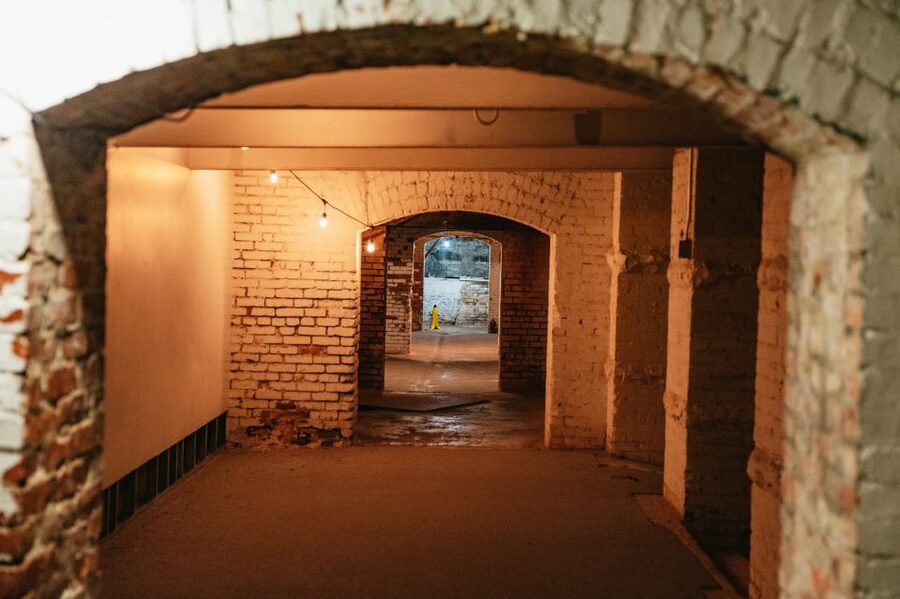
Seattle’s most unusual city walk takes you below Pioneer Square, where old streets, storefronts, and passageways still sit beneath the modern city. In one hour, you’ll cross more than four blocks and see three underground routes built in the 1890s.
I like the clear link between the underground spaces and Seattle’s Great Fire of 1889. I also like the guides’ lively delivery. David, Jim, Eowyn, Mark, and others have brought humor and personal energy to the tour, turning a short lesson into a memorable walk. The main drawback is practical: six flights of stairs, uneven ground, and no elevator make this a poor fit for anyone with mobility limits.
Key points at a glance
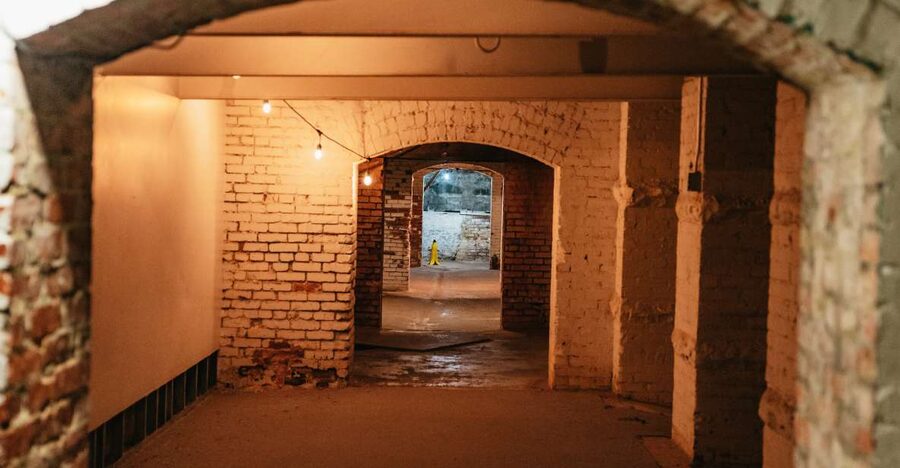
- Three 1890s passageways: Walk through preserved spaces beneath Pioneer Square rather than viewing the story only in photographs.
- Seattle’s Great Fire: Learn how the fire reshaped the young city and led to a major rebuilding effort.
- A raised city above your head: See how retaining walls and filled-in streets moved Seattle several feet higher.
- One-hour format: The tour gives you a focused introduction without taking half a day from your sightseeing plans.
- Story-led guiding: Guides such as David, Jim, Eowyn, and Mark use jokes, local facts, and direct explanations to keep the pace moving.
- Six flights of stairs: Wear steady walking shoes and think carefully about access needs before booking.
Why Seattle has a city beneath its streets
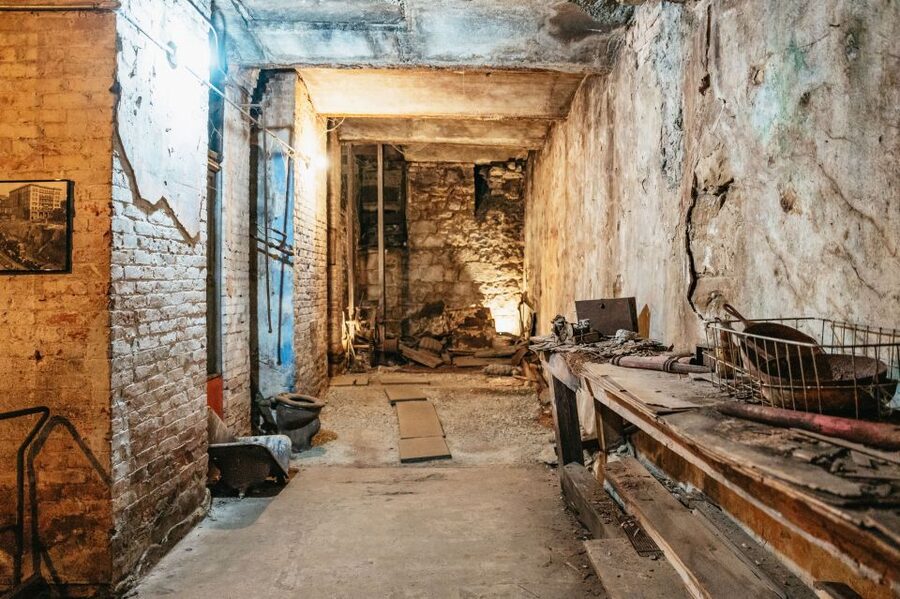
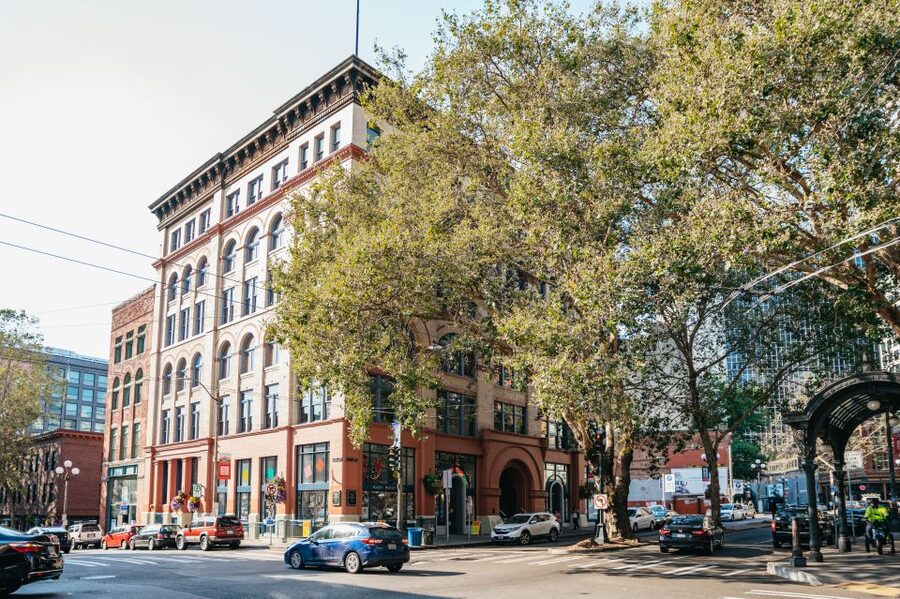
At street level, Pioneer Square can look like a historic district with handsome old buildings and broad sidewalks. Beneath it, the story becomes stranger. Parts of the earlier city remain below the current streets, buried when Seattle rebuilt and raised its roads.
This tour explains that change in practical terms. After the Great Fire of 1889 destroyed large parts of Seattle, the city did not simply replace burned buildings on the same muddy ground. Retaining walls were built beside the streets, and the space between the old and new levels was filled. The result was a new street grid several feet above the original one.
That is the key to understanding the underground. These spaces were not designed as a secret city from the beginning. They became leftover areas beneath raised streets and sidewalks. As you walk through them, you can connect the physical setting to the decisions that changed Seattle’s shape.
I find that this makes the tour more useful than a basic ghost story or novelty walk. You are not just looking at old bricks. You are seeing the practical consequences of fire, poor ground, city planning, and rapid growth.
More Walking Tours in the USA:
- Chicago: Underground Pedway & Downtown Secrets Walking Tour
★ 4.7 · 268 reviews - Underground Vaults Walking Tour in Edinburgh Old Town
★ 4.5 · 8,506 reviews - Cagliari: Underground Cagliari Walking Tour
★ 4.7 · 2,329 reviews
Meeting beneath Cherry Street Coffee
The meeting point is under the Cherry Street Coffee shop. Look for the Beneath the Streets black and purple sign, then take the stairs down to the reception desk.
Give yourself enough time to find the entrance. The tour does not begin at a large street-level museum entrance, so the sign matters. Once you are below the coffee shop, the setting already hints at what is ahead: this is a working underground space rather than a polished modern attraction.
Your guide leads the walking tour in English. The exact guide varies, but the names appearing in recent tour experiences include David, Jim, Eowyn, Mark, Patti, Terrilyn, Sarah, Richard, and Jennifer. That range matters because the presentation depends heavily on the person leading your group. The strongest guides combine facts with humor and keep asking the group to look closely at what is around them.
The reviews of individual guides repeatedly point to the same qualities: good energy, clear storytelling, and a willingness to engage with the people on the tour. David is often praised for learning where people came from and working those details into his talk. Jim is described as a strong storyteller, while Eowyn is noted for her lively manner. You should expect personality, not a recorded audio program.
The first passageways and Seattle’s early story
The walking route covers more than four city blocks of Pioneer Square and includes three underground passageways dating from the 1890s. The tour does not treat these as isolated rooms. Your guide connects them to the streets above and to the city’s early development.
This part works best if you pay attention to the relationship between old and new levels. You may be looking at a buried storefront or an old passage, then hearing how the street above was built later. The point is not simply that Seattle has an underground area. The point is that the underground exists because the city changed its grade and rebuilt over itself.
The spaces are historic rather than theatrical. You should not expect a fully staged attraction with elaborate sets or actors recreating nineteenth-century life. Some walls and displays help explain what happened, but the main experience comes from the architecture and your guide’s account.
That is a strength for me. The plain setting leaves room for the real structure to speak. It also means you should set your expectations correctly. If you want a polished museum presentation, this may feel simple. If you like old construction, unusual urban planning, and a guide who can make facts vivid, it delivers more.
The Great Fire of 1889 and the city’s rebirth
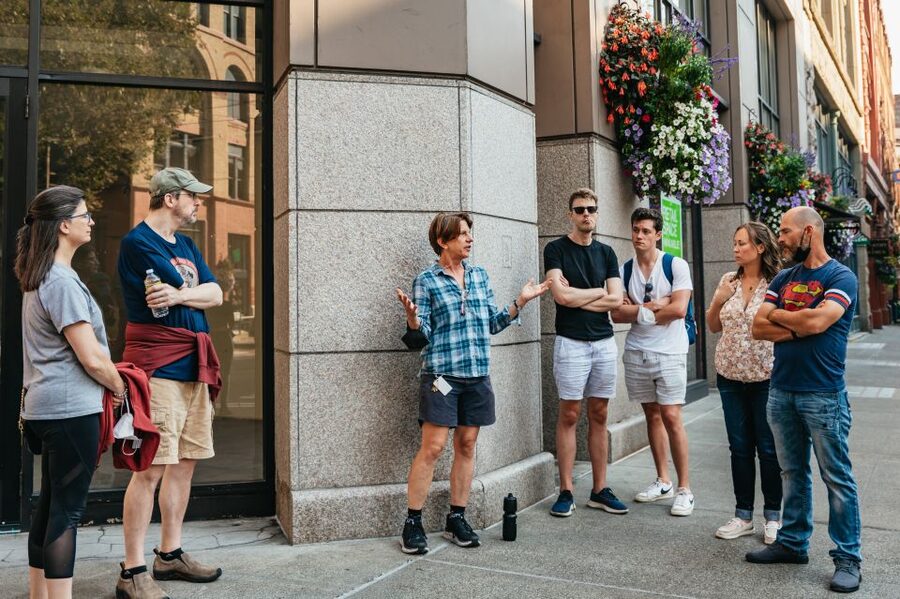
The Seattle Fire is the central turning point of the tour. Your guide explains how the blaze destroyed large areas of the young city and forced Seattle to make choices about what came next.
The fire story is not presented as a separate history lecture. It is tied to the spaces around you. As you walk through old passageways, you can consider what was lost, what survived, and why the rebuilt city ended up above the one that came before it.
I especially like this part because the fire becomes easier to understand when you see the physical result. On a map, raising streets sounds like an abstract engineering decision. Underground, the change feels much more concrete. The old level is below your feet, while the active city carries on above your head.
Guides also add stories about the people and events that shaped Seattle. The tour can touch on the city’s settlement, its early growth, and colorful personalities. Some guides add dry humor or corny jokes, which keeps the subject from becoming too heavy. The tone is educational but not solemn.
Families can enjoy the stories, though younger children may not care equally about the construction details. Adults who like city history, old buildings, or unusual infrastructure will get the most from the explanation.
More Guided Tours in the USA:
- From Las Vegas: Emerald Cave Guided Kayaking Tour
★ 4.9 · 456 reviews - Naples: Naples Underground Entry Ticket and Guided Tour
★ 4.4 · 21,781 reviews - Naples: Catacombs of San Gennaro Entry Ticket & Guided Tour
★ 4.6 · 7,941 reviews - Krakow: Wieliczka Salt Mine Fast-Track Ticket & Guided Tour
★ 4.5 · 5,872 reviews
How Seattle raised its streets
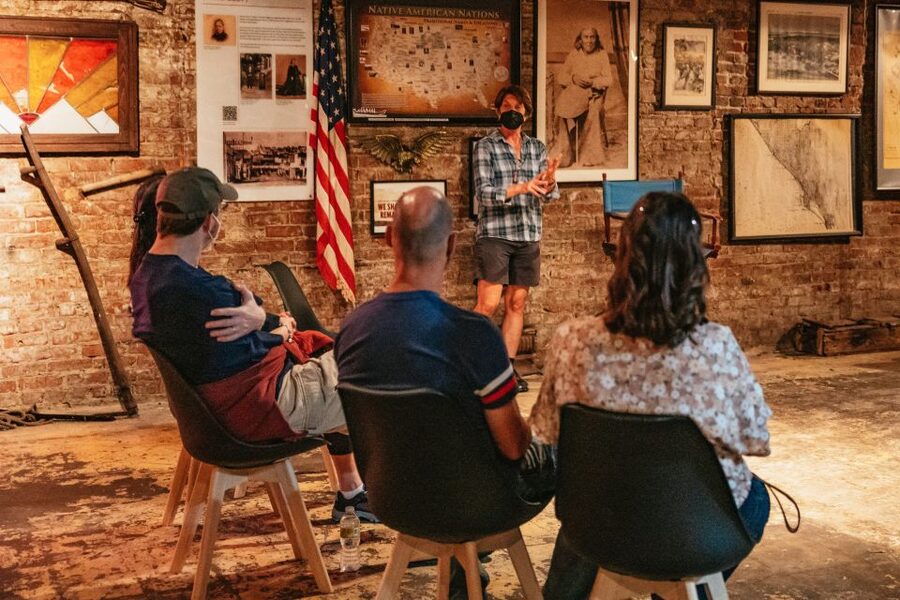
The most important visual lesson comes from the construction itself. After the fire, Seattle added retaining walls along streets and filled the space to create new roads several feet above the original grade.
Your guide explains how this reshaped the city. The raised sidewalks and streets changed access to buildings and left earlier spaces below. You can see why the underground became part of Seattle’s identity, even though it was created by a practical rebuilding project.
This is also where the tour earns its price. At $31 per person, you are paying for a short guided walk, not a full-day attraction. But a guide helps you understand details you could easily miss alone. A dark opening, brick wall, or old storefront has limited meaning until someone explains how it relates to the old street level.
The one-hour length keeps the cost and time commitment reasonable. It fits well early in a day in Seattle, especially if you want a quick orientation to Pioneer Square. A 10 a.m. start can leave the rest of your day open for other sights.
The tradeoff is that one hour moves quickly. There is a large amount of material to cover, and the route does not allow long pauses at every feature. If you want a slower architectural study, you may feel the pace is brisk. If you want a focused introduction, the timing is useful.
What the underground spaces feel like
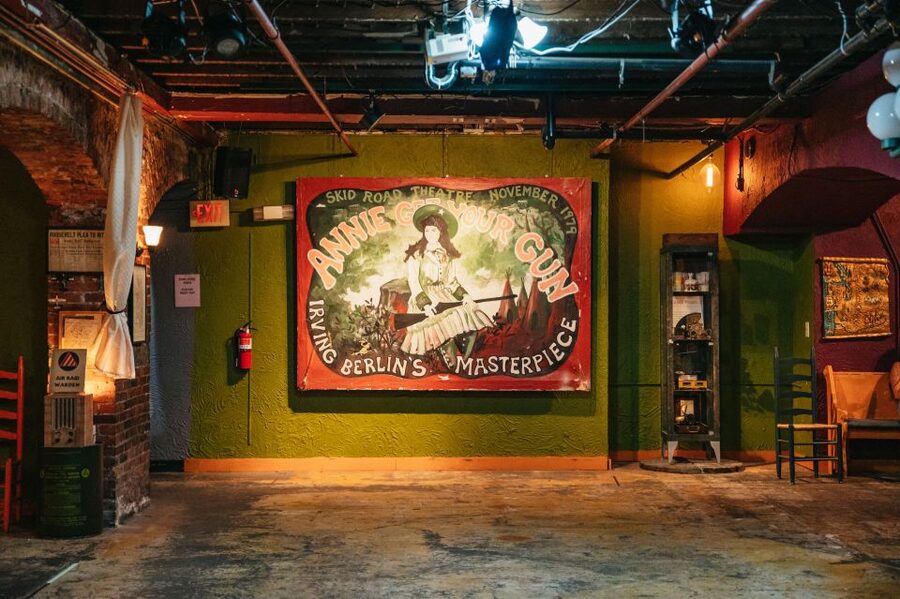
This is an outdoor and underground tour, so conditions vary along the route. You will walk through old passageways and move between levels. The ground can be uneven, and there are six flights of stairs in total.
Comfortable shoes are essential. You do not need special equipment, but you do need footwear that feels secure on stairs and older surfaces. Keep your attention on the route while listening. The setting is part of the experience, but it is not designed like a smooth modern gallery.
There is no elevator access. The tour is not suitable for people with mobility impairments, and that limitation should guide your decision before booking. Strollers may be carried up and down the stairs or stored in the ticket office during the tour. Pets are not allowed.
The underground spaces can also feel enclosed. That is not presented as a frightening attraction, but you should know that the route is below active city streets and includes older, less polished areas. People who enjoy unusual places will likely appreciate that quality. People who prefer wide, bright, level museum floors may not.
The guides make the short route work
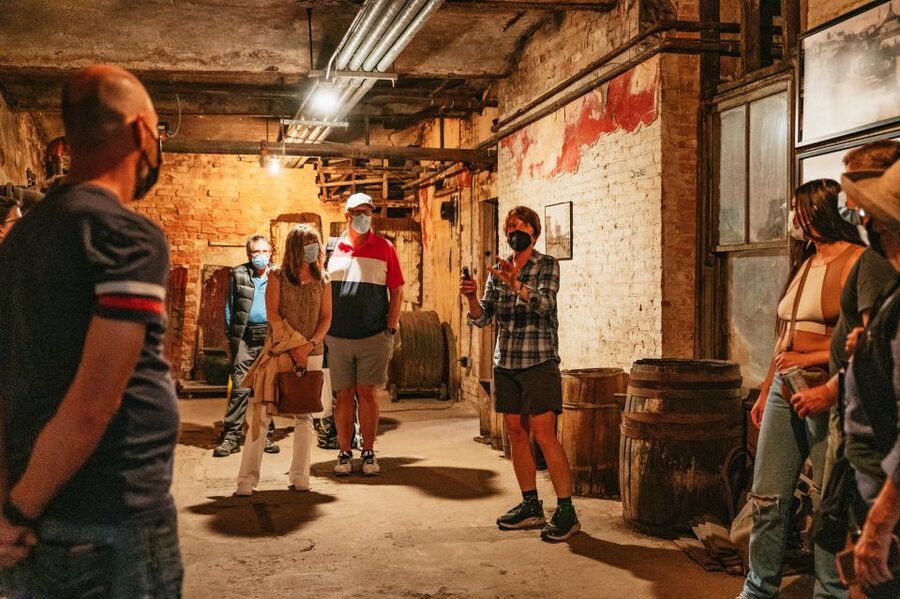
The strongest feature is the live guide. A one-hour walk through old passageways could become a list of dates and building facts. Instead, the guides use stories, humor, and questions to give the setting some life.
David is frequently singled out for his enthusiasm and ability to connect with the group. Mark is praised for combining extensive local facts with funny stories. Jim is known for his storytelling, and guides such as Eowyn, Patti, Terrilyn, and Jennifer have also been praised for energy and clear delivery.
You may hear dad jokes, dry humor, or a few corny lines along with the serious material. That mix suits the tour. Seattle’s rebuilding story includes tragedy, engineering, and odd details, so a completely formal delivery would make the hour feel heavier than necessary.
The quality of the experience can still vary with the guide’s style. One person may emphasize architecture, another may focus on personalities, and another may spend more time on the city’s construction. The shared structure remains the same, but the delivery will not be identical.
Who will get the most from this tour

I would recommend this tour to first-time visitors who want a short introduction to Seattle’s past before exploring more of the city. It also suits local residents. The underground route can show you a side of Pioneer Square that is easy to miss, even if you have lived in the area for years.
History fans will appreciate the mix of fire, settlement, rebuilding, and urban design. Architecture fans will enjoy the old walls, buried streets, and the chance to see how a city can be built over its own earlier levels.
Families can book it, provided everyone can manage the stairs and uneven ground. The guides’ humor helps keep the hour moving, and the unusual setting gives children something tangible to look at. Still, the subject is more about city development than an interactive activity, so very young children may lose interest.
I would skip it if you cannot handle six flights of stairs or if you need elevator access. I would also reconsider if you expect staged rooms, elaborate displays, or a long underground adventure. This is a compact walking tour built around place and explanation.
Is $31 a fair price?
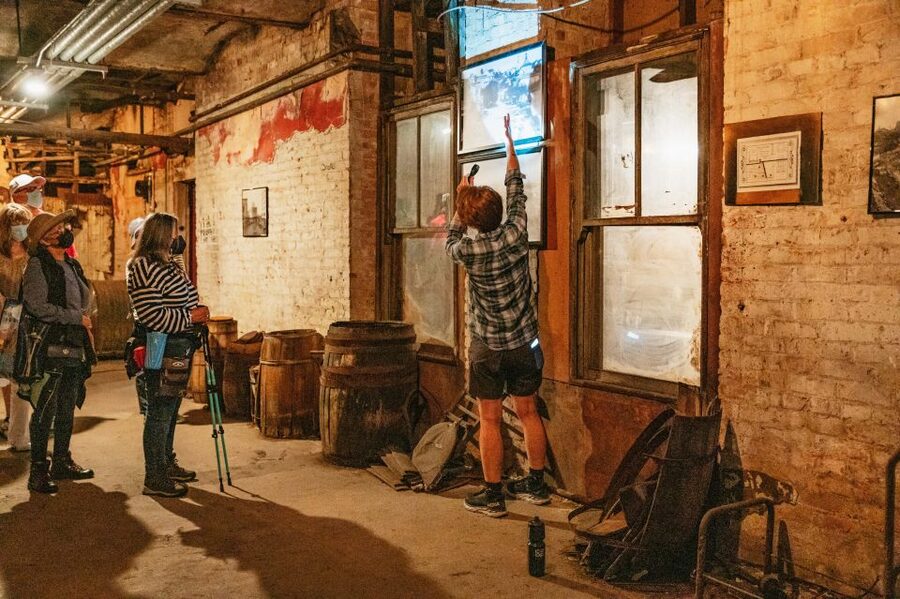
At $31, the tour offers reasonable value if you care about context. You receive a one-hour guided walk through three historic passageways and more than four blocks of Pioneer Square, along with an explanation of how the fire and street raising changed Seattle.
The value is less obvious if you measure attractions by time alone. One hour is short, and the underground spaces are not a huge complex. You are paying for access, a live English-speaking guide, and the ability to make sense of what you see.
I think the price works best as part of a larger day. Pair the tour with time above ground in Pioneer Square, where you can look at the historic buildings after learning what lies beneath them. The underground walk gives the neighborhood a second layer, and the street-level architecture makes more sense afterward.
You can cancel up to 24 hours before the tour for a full refund, and reserve now while paying later. Those terms help if your Seattle plans are still shifting.
Should you book Beneath the Streets?
Book this tour if you want an unusual, history-focused introduction to Pioneer Square and enjoy learning from a lively guide. The combination of buried streets, the Great Fire, raised roadways, and old architecture gives you a clear explanation of why Seattle looks the way it does.
Skip it if stairs, uneven surfaces, or enclosed underground areas will make the walk uncomfortable. Also skip it if you want a large museum with staged scenes. For most able-bodied visitors with an interest in Seattle’s past, though, this is a smart one-hour use of your time and a good value at $31.
FAQ
How long does the Seattle Underground Walking Tour last?
The tour lasts one hour.
How much does the tour cost?
The price is $31 per person.
Where does the tour meet?
The meeting point is underneath Cherry Street Coffee. Look for the Beneath the Streets black and purple sign and take the stairs to the reception desk.
What language is the tour conducted in?
The live tour is conducted in English.
How many underground passageways will I see?
The route includes three historic underground passageways originally constructed in the 1890s.
How much of Pioneer Square does the tour cover?
The walking route explores more than four city blocks of historic Pioneer Square.
Does the tour include stairs?
Yes. There are six flights of stairs along the route.
Is there elevator access?
No. There is no elevator access on the tour route.
Can I bring a stroller?
Strollers may be carried up and down the stairs or stored in the ticket office during the tour.
Are pets allowed?
No. Pets are not allowed on the tour.
Just added around the USA
- Door County: Peninsula Park Caves & Ephraim North Cruise★ 4.7 · 35 reviews
- Chicago: Underground Pedway & Downtown Secrets Walking Tour★ 4.7 · 268 reviews
- Boston: Underground Railroad History Tour of Beacon Hill★ 4.9 · 38 reviews
- From Las Vegas: Emerald Cave Guided Kayaking Tour★ 4.9 · 456 reviews
- Ultimate Na Pali Coast Zodiac Boat Snorkeling and Sea Cave Tour★ 4.5 · 101 reviews
- Dolphin, Sea Cave & Captain Cook Snorkel Combo in Kealakekua Bay★ 4.5 · 220 reviews
- Kauai: Nā Pali Coast Zodiac Raft Sea Caves + Snorkel★ 4.9 · 166 reviews
- Niagara Falls: Cave of the Winds, Boat Ride, & Trolley Tour★ 4.7 · 680 reviews
Walking Tours, compared.
Underground Vaults Walking Tour in Edinburgh Old Town
Read our review →
Edinburgh: Witches & Haunted History Walking Tour
Read our review →
Waitomo Caves: Ruakuri Glowworm Cave Guided Walking Tour
Read our review →
Lecce: Baroque Architecture and Underground Walking Tour
Read our review →
Malta: Mdina and Rabat Walking Tour with Catacombs
Read our review →
Matera Walking Tour with Casa Grotta & Rock Church Entry
Read our review →Browse the lists this tour appears in