
REVIEW · MUSEUMS
Sacromonte Caves Museum Admission Ticket
Sacromonte’s caves show a side of Granada that the Alhambra cannot. Inside 11 traditional cave dwellings, you’ll see kitchens, stables, tools, furniture, craft areas, and displays about the people who made homes in these hillside chambers. The outdoor garden adds geology, plants, and one of the city’s most unusual Alhambra viewpoints.
I especially like the clear sense of everyday life here, and the excellent value at $7 per person. Film footage, flamenco displays, basketry, ceramics, and weaving give the museum more substance than its small size suggests. The main drawback is the steep uphill approach, which can be tiring in hot weather and difficult for some visitors with limited mobility.
Key points to know before you go
- Eleven cave homes: Walk through furnished rooms that show kitchens, stables, tools, and domestic life.
- A different view of Granada: The garden looks across the Río Darro Valley toward the Alhambra and the city.
- Allow 30 to 90 minutes: A quick visit takes about half an hour, but films and displays reward a slower pace.
- The climb matters: The museum sits uphill in Sacromonte, with steep steps and a demanding walk from central Granada.
- Good cultural context: Exhibits cover local cave life, flamenco, traditional trades, plants, geology, and the area’s natural setting.
- Easy by bus: Take the C2 from Plaza Nueva and get off at Sacromonte.
Why Sacromonte’s cave homes matter
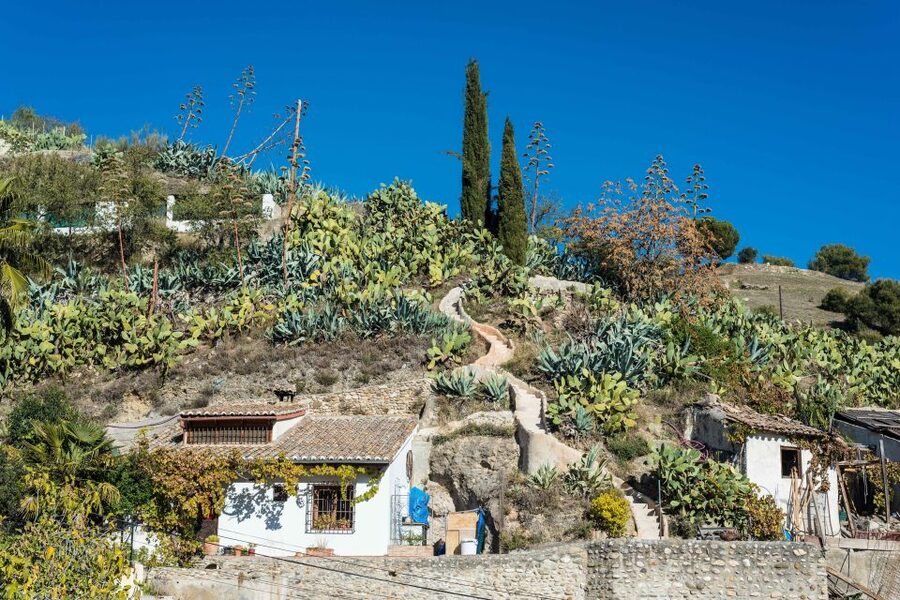
The Sacromonte district is famous for homes cut into the hillside. These are not natural caves in the usual sense. They are man-made dwellings shaped into the slopes, with thick earth walls that helped create practical living spaces.
The museum lets you move from room to room and see how a cave home functioned. Instead of presenting only a few empty chambers, it recreates kitchens, stables, work areas, and domestic interiors. That makes the visit useful for understanding daily routines, not just architecture.
I find this kind of museum especially worthwhile after seeing Granada’s grand monuments. The Alhambra tells you about royal power, court life, and Islamic architecture. Sacromonte tells you about ordinary homes, work, family life, and neighborhood traditions. The contrast gives you a fuller picture of Granada.
The displays also explain how the caves and the surrounding district changed over time. You’ll find information about the people who lived in them, including the Gitano community and its important connection with flamenco. The presentation treats Sacromonte as a living cultural area rather than a curious collection of old rooms.
More Museum Visits in Spain:
- Granada: Albaicín, Sacromonte & Museum of Caves Walking Tour
★ 4.9 · 244 reviews - Aranda de Duero: Tour of Underground Cellar and Wine Museum
★ 4.5 · 23 reviews - Krakow: Rynek Underground Museum Guided Tour
★ 4.6 · 1,122 reviews
Walking through the 11 cave dwellings
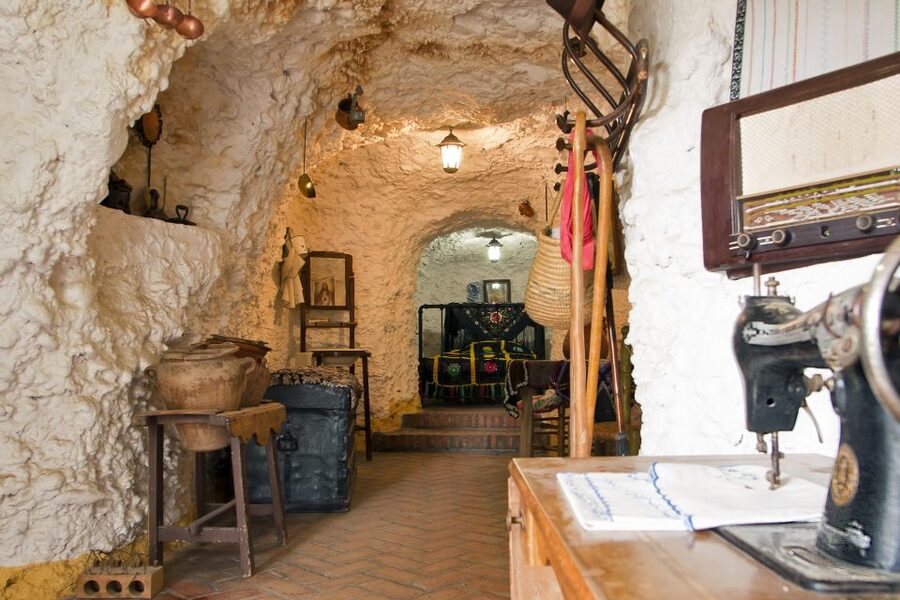
The main visit is a self-guided walk through 11 separate caves. Each one has a clear purpose or theme, and together they form a compact picture of cave-house life.
You’ll see traditional furnishings and household objects, including tools and items connected with cooking and work. Kitchens help you picture the practical side of life underground, while stable areas show how animals and domestic tasks were part of the same home setting.
The scale is intimate. This is not a huge museum that takes half a day. Most people can see the basic displays in 30 to 45 minutes, but I would allow closer to an hour if you want to read the information and watch the film material. One visitor spent about 90 minutes, particularly enjoying the flamenco videos and newsreel footage.
The museum’s small size is both an advantage and a limitation. You can take it in without museum fatigue, and the rooms are easy to connect into one story. On the other hand, anyone expecting a large collection or a long guided program may find the visit brief.
Look closely at the objects rather than rushing from cave to cave. The tools, furniture, and work areas are what turn the experience from a photo stop into a lesson in how the neighborhood operated. Displays on basketry, ceramics, and weaving add another useful layer by showing traditional trades and crafts.
Flamenco, Gitano culture, and working life
Sacromonte is strongly linked with flamenco, and the museum gives that connection proper attention. Film footage and interpretive displays explain how flamenco became part of the district’s cultural identity.
I like this section because it places music in a real social setting. Flamenco is not treated as a decorative add-on for tourists. Instead, you get a sense of its connection to local people, homes, performance, and neighborhood life.
The exhibits also discuss the Gitano community and the changing use of the caves. That context matters. Without it, the rooms could look like simple rustic interiors. With it, you begin to understand how the district developed and why Sacromonte remains such a distinct part of Granada.
The information is presented in a way that suits independent visitors. You can stop at the rooms that interest you, spend longer with the films, and move at your own pace. There is no need to keep up with a group or wait for a guide to finish a speech.
The outdoor garden and the Alhambra view
After the caves, make time for the outdoor area. The garden explains the plants, geology, and natural setting of Sacromonte, so it adds useful context to what you have just seen underground.
This is also where the visit becomes especially scenic. From the hillside, you can look toward the Alhambra, the city, the Albaicín, and the Río Darro Valley. The angle is different from the standard viewpoints around Granada. You see the Alhambra across the valley, with Sacromonte’s rough hillside setting in the foreground.
I would not treat the museum as only an indoor attraction. The view is one of its strongest features, and it gives you a chance to pause after the uphill walk. Bring your camera, but do not rush the moment. The contrast between the cave district and the palace complex is the point.
The garden also makes the museum a pleasant change from Granada’s stone streets and crowded monuments. It is a quieter place to understand the area’s physical setting. The caves make more sense when you see the hillside, the rock, and the valley around them.
More Entry Tickets in Spain:
- Porto Cristo: Caves of Hams Entry Ticket
★ 4.2 · 6,548 reviews - Madrid: La Cueva de Lola Flamenco Show Tickets with Drink
★ 4.8 · 2,567 reviews - Sacromonte: Flamenco Show at Cuevas Los Tarantos Tickets
★ 4.5 · 2,051 reviews - Nerja: Caves of Nerja Entry Ticket with Audio Guide
★ 4.6 · 1,616 reviews
Getting there from central Granada
The easiest public transport option listed for the museum is the C2 bus from Plaza Nueva. Get off at Sacromonte, then follow the signs and walk uphill to the museum entrance.
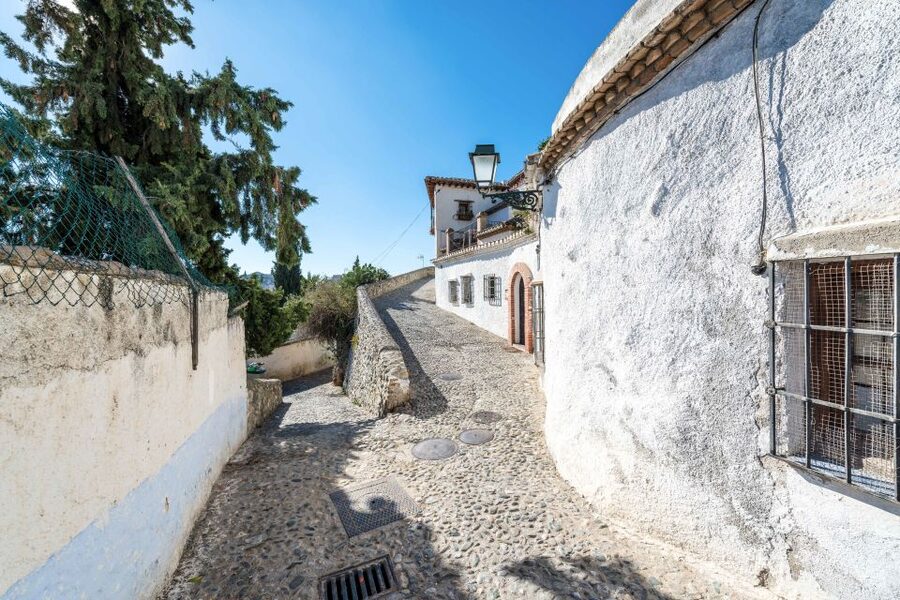
You can also walk from central Granada, but plan for a real climb. The route from the Cathedral area includes steep sections and steps. Some people find it an enjoyable walk with attractive views and places to stop for a drink, while others find the approach strenuous, particularly in summer heat.
Comfortable shoes are essential. This is not the place for flimsy sandals or smooth city shoes. The final approach is part of the experience, but it can be hard work, especially when temperatures rise. One visitor described making the climb in 39 degrees Celsius and needing a cold drink afterward.
If you prefer to save your energy, take the bus up and walk back down. That gives you the museum and the Sacromonte streets without using your best sightseeing energy before you arrive. A taxi back to Granada is another practical option after your visit.
Access by private vehicle is subject to municipal restrictions and the hours set by local regulations. If you plan to drive, check with Granada’s Town Hall before setting out rather than assuming you can reach the entrance whenever you wish.
How long to stay and when to visit
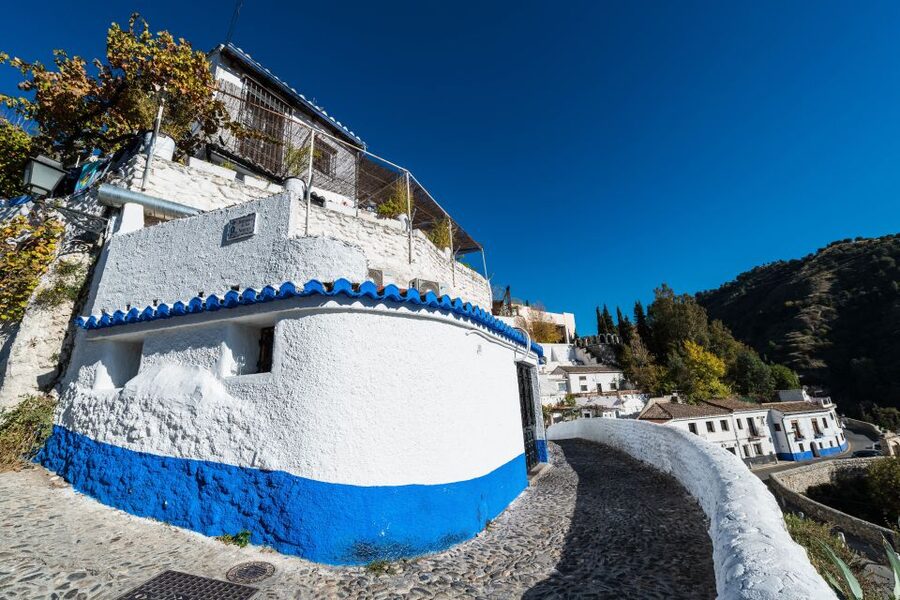
The ticket is valid for one day, but the museum itself is a short visit. I would plan for about one hour inside, with extra time for photographs, the garden, and the walk around Sacromonte.
If you only want to see the caves, 30 to 45 minutes may be enough. If you read the information, watch the films, and take time with the flamenco section, allow 60 to 90 minutes.
The final admission is 20 minutes before closing. The stated last entry is 5:40 p.m. in fall and winter, and 7:40 p.m. in spring and summer. Check the current opening time when you book, since seasonal schedules matter.
Early morning can be a good choice if you want a calmer visit and cooler walking conditions. Late afternoon may give you softer light over the Alhambra, but do not cut it too close to closing time. You need to allow for the uphill approach if you are arriving on foot.
There are toilets and a shaded area for a drink at the museum. Meals and drinks are not included in the ticket, so bring water, particularly during Granada’s hot months. You can also stop at a bar along the approach or in the surrounding Sacromonte area.
Is the $7 ticket good value?
At $7, this is one of Granada’s easier sightseeing decisions. The museum is small, but the ticket includes 11 cave dwellings, cultural displays, craft information, flamenco material, an outdoor garden, and an excellent view.
The value comes from the range of subjects packed into a short visit. You are not paying only to enter a cave. You are learning about housing, work, music, local communities, geology, plants, and Granada’s geography.
The price also makes the museum a sensible choice for a flexible afternoon. If you have already visited the Alhambra and want something less formal, this gives you a distinct experience without committing to another long tour. It works well as part of a Sacromonte walk, especially if you plan to stop for a drink or dinner nearby afterward.
I would keep expectations in proportion. The museum will not occupy an entire day, and it is not an elaborate palace or major art collection. Its value lies in the quality of the explanation, the authentic feel of the cave interiors, and the way it fills in the human story behind one of Granada’s best-known districts.
Who should visit the Sacromonte Cave Museum?
I recommend it to anyone who wants more than the standard Alhambra and cathedral circuit. It suits history-minded visitors, families, architecture fans, and anyone curious about how people adapted homes to the hillside.
Children can enjoy the physical act of entering the caves, while the short format keeps the visit manageable. The displays also give adults enough detail to make the stop worthwhile. Families should still allow extra time for the climb and carry water.
It is also a good choice for repeat visitors to Granada. If you have already seen the main monuments, Sacromonte offers a different view of the city and a more local sense of place.
The main caution concerns mobility. The approach includes steep steps and an uphill walk, and the museum itself is built into a hillside setting. Some people with limited mobility may find access difficult. If that applies to you, check current access details before booking and consider transport for the uphill section.
Booking, cancellation, and practical details
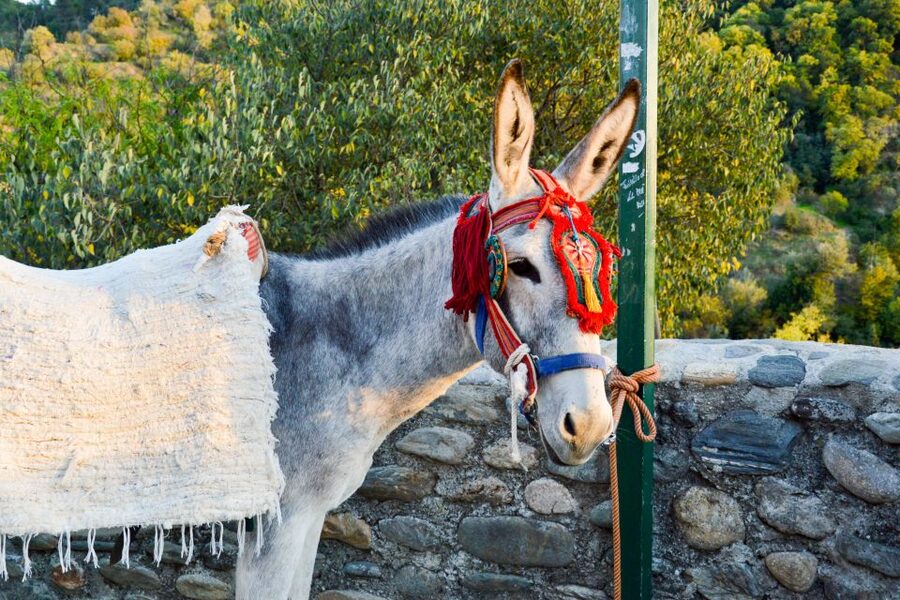
The admission ticket covers entry to the museum. Meals and drinks are not included. You can cancel up to 24 hours in advance for a full refund, and the reserve now, pay later option lets you hold a place without paying immediately.
The ticket is valid for one day, with starting times based on availability. Skip-the-line entry is included, which is useful if you arrive when the museum is busy, although the visit is still self-guided rather than a named guide-led tour.
The museum is at Barranco de los Negros, s/n, 18010 Granada. Keep the address handy because the final walk from the bus stop involves signs and steps rather than a level street approach.
Should you book it?
Book the Sacromonte Cave Museum if you want a short, inexpensive visit that adds real context to Granada. The best reasons are the furnished cave homes, the flamenco and Gitano cultural material, and the unusual view back toward the Alhambra.
Skip it only if steep uphill walking is a serious problem or if you are looking for a large museum with hours of exhibits. For most visitors, the $7 price, compact visit, and strong views make it an easy addition to a Granada itinerary. Take the C2 bus up, wear good shoes, allow about an hour, and treat the walk and viewpoint as part of the experience.
FAQ
How much does admission to the Sacromonte Caves Museum cost?
The listed admission price is $7 per person.
How long does a visit take?
You can see the museum in about 30 to 45 minutes, but allowing one hour gives you time to read the displays and enjoy the garden. Visitors who watch the films and spend longer with the exhibits may stay up to 90 minutes.
How do I get to the museum from central Granada?
Take the C2 bus from Plaza Nueva and get off at Sacromonte. From there, follow the signs and walk uphill to the museum.
What can I see inside the museum?
The museum contains 11 separate cave dwellings with recreated interiors. You can see kitchens, stables, furniture, tools, traditional crafts such as basketry, ceramics, and weaving, plus material about flamenco and local cave life.
What are the museum’s closing admission times?
Last admission is 20 minutes before closing, at 5:40 p.m. in fall and winter and 7:40 p.m. in spring and summer.
Can I cancel the ticket?
Yes. You can cancel up to 24 hours in advance for a full refund. A reserve now, pay later option is also available.
Just added around Spain
- Flamenco show at Cueva Los Amayas, in Sacromonte★ 4.5 · 140 reviews
- Nerja Caves, Tropical Coast Day Trip From Granada with Opt Lunch★ 4.5 · 50 reviews
- Climbing + Zipline + Via Ferrata + Cave. Adventure route in Gran Canaria★ 5.0 · 149 reviews
- Flamenco Show in the Caves of Sacromonte★ 4.5 · 26 reviews
- Flamenco Show in Cueva Zincalé★ 4.5 · 24 reviews
- e-Bike Mountain Tour inside a Natural Park+option Tapas in a Cave★ 5.0 · 26 reviews
- Kayaking Adventure Route with Snorkeling in Mogan Caves★ 5.0 · 316 reviews
- Barranco de las Vacas, caves & village by Sky Rebels local guides★ 5.0 · 103 reviews
Museums, compared.

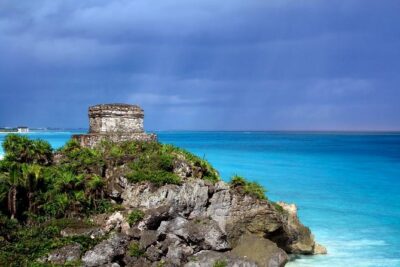
Coba Multun-Ha Cenote Tulum and Mayan Museum Small Group
Read our review →
London: Postal Museum Entry Ticket and Underground Rail Ride
Read our review →
From Sofia: Rila Monastery and Optional Museum, Cave or Spa
Read our review →
Beatenberg: Beatus Caves Entry Ticket with Museum
Read our review →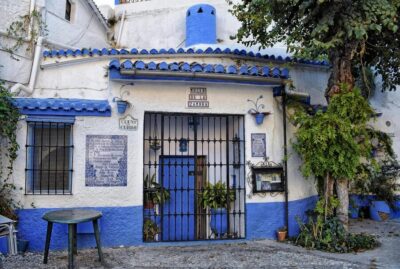
Granada: Albaicín, Sacromonte & Museum of Caves Walking Tour
Read our review →
Cave Museum Village Troglodyte of Rochemenier Admission Ticket
Read our review →
Krakow: Rynek Underground Museum Skip-the-line Guided Tour
Read our review →Browse the lists this tour appears in