
REVIEW · MUSEUMS
Aranda de Duero: Tour of Underground Cellar and Wine Museum
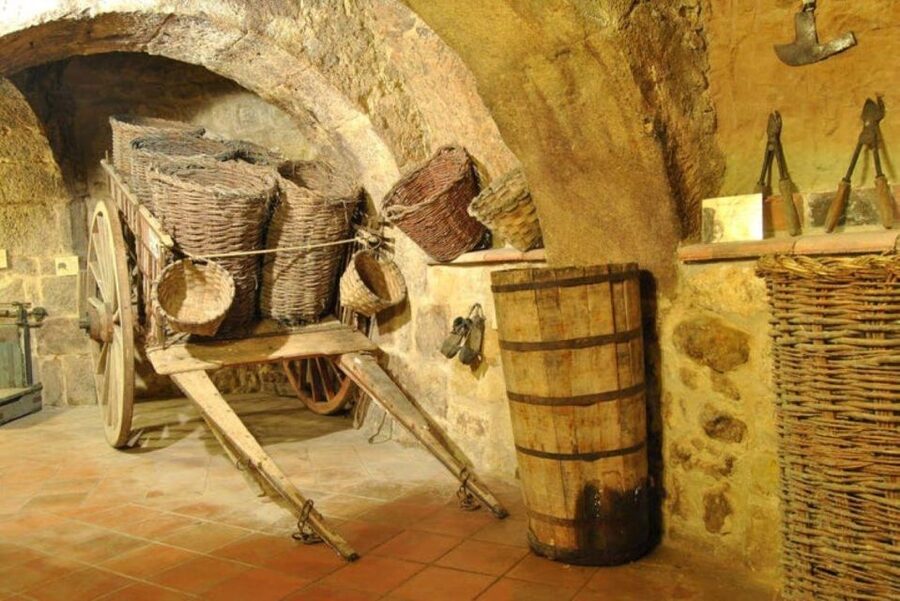
The most unusual part of this short visit is below street level: an underground wine cellar dating from the 13th century, tucked beside the Church of Santa María in Aranda de Duero. You follow a Spanish-speaking guide through the museum, hear how wine moved from grape to bottle, and finish with a glass of red wine or grape juice.
I like the price, just $9 per person, and the compact 45-minute format. I also like the focus on working tools, old bottles, and changing wine-making methods rather than only polished tasting-room talk. The main caution is scope: you see the public, tourist section of the cellar, not a large working winery, and one visit found the group crowded and the cellar smaller than expected.
The guides receive the strongest praise for making the tour clear and entertaining. If you understand Spanish, this is an easy, low-cost way to add local wine culture to a visit in Castile and León. If you do not, the fast Spanish commentary and limited cellar area may reduce the value.
Key points to know before you book
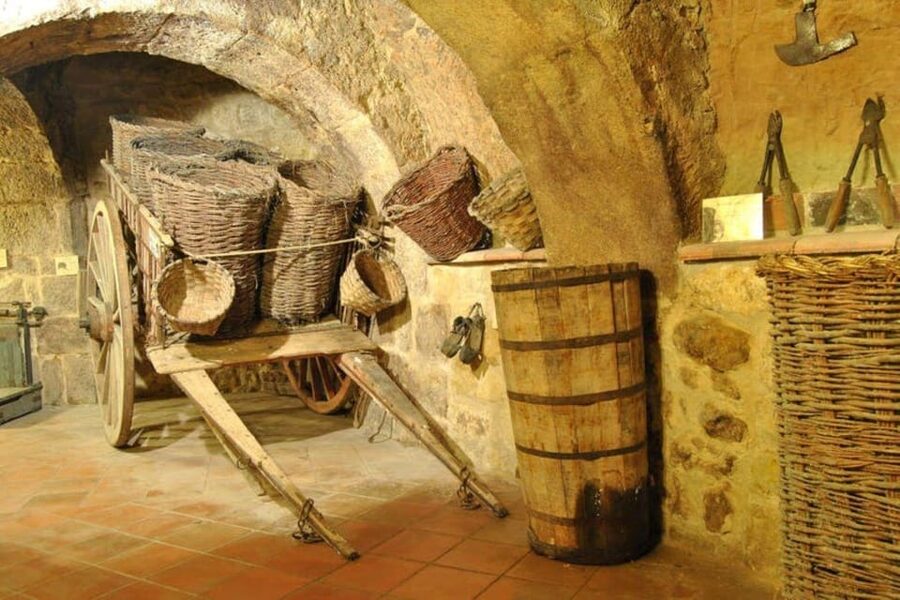
- A 13th-century cellar sits beside Santa María Church: The setting is the main attraction, with the museum built into an old underground wine space.
- The visit lasts about 45 minutes: You spend roughly 35 minutes on the guided museum portion before returning to C. Cascajar, 4.
- The tour is in Spanish: The guide explains grape-to-bottle production, traditional tools, and newer wine-making methods.
- Your ticket includes one drink: You receive a glass of red wine or grape juice during the visit.
- The cellar tour is focused, not sprawling: You see the public visitor section, so set your expectations accordingly.
- Guides are the strongest part: Recent visits praise the explanations and the lively, easy-to-follow delivery, though one person found the Spanish too fast.
Why this small museum matters in Aranda de Duero
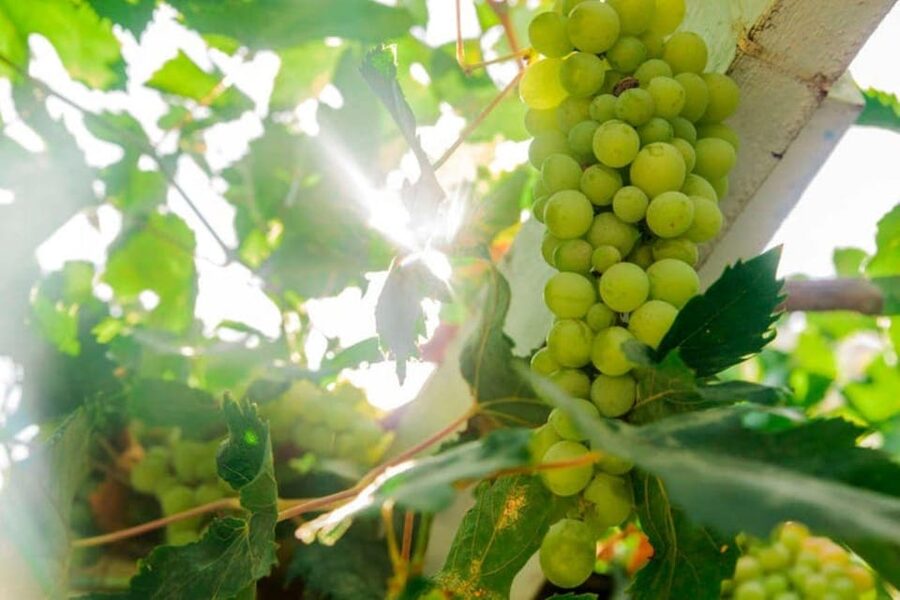
Aranda de Duero is in Castile and León, a part of Spain where wine is tied closely to local identity and daily life. Here, the museum offers a look at the practical side of that tradition: where wine was stored, which tools were used, and how methods changed over time.
The setting gives the visit its character. Instead of entering a modern tasting room with bright displays and rows of new barrels, you go underground into a cellar connected with the medieval town. The age of the space helps you picture wine production as a task built into the town itself.
That does not mean you should expect a full winery tour. This is a museum visit with a cellar component. You will learn about production and see historical objects, but the accessible route is limited to the part prepared for visitors. One person who expected a larger bodega found the public section disappointing, while the strongest scores came from people who valued the guide and the story.
I would treat this as a short cultural stop, not as your main wine excursion in the region. At $9, that distinction matters. The cost is modest enough that you are paying for a useful introduction, not a long tasting program or a full day among vineyards.
More Wine Tours in Spain:
- 4-in-1 Cenote Tour Guided Experience with Breakfast, Lunch & Wine
★ 5.0 · 1,004 reviews - Paris: Les Caves du Louvre Guided Tour with Wine Tastings
★ 4.7 · 932 reviews - Khor Virap, Noravank and Birds’ Cave Trip with Wine Tasting
★ 4.8 · 845 reviews
Starting at C. Cascajar, 4
The meeting point is C. Cascajar, 4. From there, the visit takes you to the Aranda de Duero Wine Museum and then returns you to the same address.
The route is simple, which helps if you are fitting the tour between sightseeing stops in central Aranda de Duero. The museum is next to Santa María Church, so the church provides an easy landmark for understanding where the cellar is located.
You do not need to plan transport as part of the experience. The listed route begins and ends at the same city address, making this a practical choice for a short stop in town. Still, allow a little extra time to find the meeting point, especially if you are not familiar with the local streets.
Wear comfortable clothes and bring a jacket or warm layer. Underground cellars can feel cool even when the weather above ground is mild, and the tour specifically advises warm clothing. This is a place for sensible shoes and a light jacket, not your finest winery outfit.
Going below street level into the 13th-century cellar
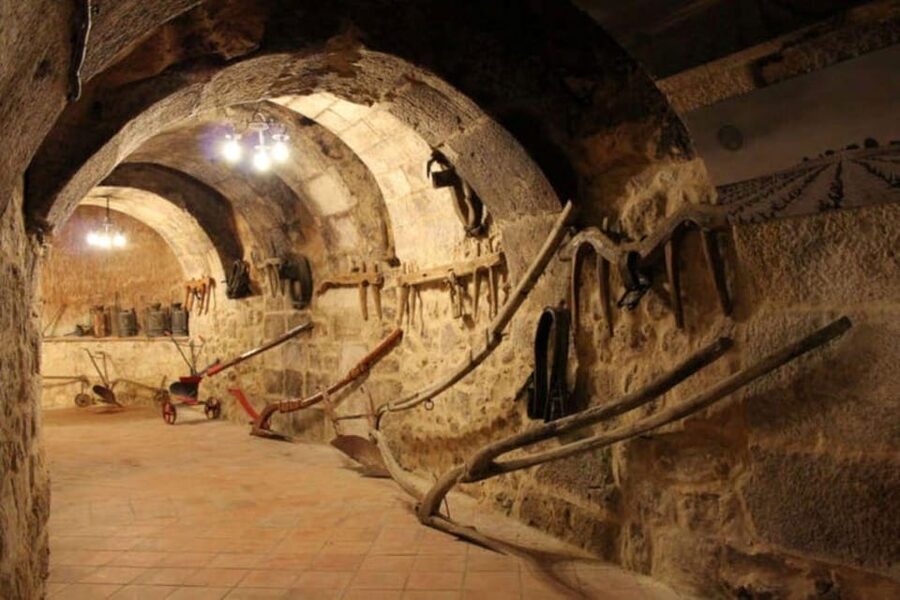
The first major part of the visit is the cellar itself. You enter an underground wine space dating to the 13th century, then follow the guide through the section open to the public.
The age of the cellar is not just a date on a sign. It explains why the museum feels different from a modern wine center. The space connects wine storage with the older town, when underground rooms offered a stable place for keeping wine and working away from the heat of the street.
The route is not described as a large network of tunnels, and you should not expect to wander through every part of the original bodega. The visitor area is limited. One account specifically found that there was not much of the cellar itself to see and considered another local cellar, El Lagar, more substantial.
That criticism is useful. If your main goal is architecture, underground exploration, or a broad look at old wine cellars, this may feel brief. If you mainly want the story of local production in an atmospheric setting, the cellar gives the guide a good place to begin.
The guide explains how the space was used and links it to the steps of wine-making. The best part of the experience is likely the connection between the old room and the objects displayed inside it. You are not only looking at an old underground chamber. You are learning what people did there and how the work later changed.
From grape to bottle in about 35 minutes
The guided museum portion lasts about 35 minutes, within a total visit of roughly 45 minutes. That is enough time for a clear introduction, but not enough for a slow, detailed technical course in wine.
The presentation follows the basic path from grape to bottle. You learn about traditional practices, the tools used in earlier periods, and the changes brought by modern wine-making. For a first introduction, this order works well because it gives you a simple way to understand the displays.
You might see historical tools and bottles that show how wine was made and stored before current equipment became common. The value here is context. An old press, vessel, or bottle means more when you know which part of the process it served.
The tour also makes a useful comparison between past and present methods. You can see wine production as a living craft rather than a fixed medieval custom. Older tools explain the labor involved, while the modern section shows how the process became more controlled and efficient.
The guide’s delivery matters a lot. Spanish-speaking visitors have praised the explanations as entertaining, clear, and easy to follow. Several high ratings focus on the guide making the visit pleasant and lively, not simply on the cellar.
If your Spanish is limited, the tour becomes less straightforward. The only language listed is Spanish, and one person found that the guide spoke too quickly. You may still appreciate the objects and setting, but you should not book this expecting written or spoken English support.
More Museum Visits in Spain:
- Granada: Albaicín, Sacromonte & Museum of Caves Walking Tour
★ 4.9 · 244 reviews - Krakow: Rynek Underground Museum Guided Tour
★ 4.6 · 1,122 reviews - Coba Multun-Ha Cenote Tulum and Mayan Museum Small Group
★ 4.5 · 773 reviews - Beatenberg: Beatus Caves Entry Ticket with Museum
★ 4.6 · 253 reviews
The wine or grape juice tasting
A glass of red wine or grape juice is included. It is a small finish, not a full tasting session.
That distinction is important. The tasting gives you a moment to connect the history with the product, but you are not comparing several wines or receiving a detailed lesson in aromas, grapes, or vintages. One account described the wine as average, so I would see the drink as part of the ticket rather than the reason to book.
For an adult who wants to sample local wine, the glass adds value to a $9 visit. For someone who does not drink alcohol, grape juice is available. That makes the ending workable for mixed groups and visitors who prefer not to drink.
The tasting also helps break up the museum talk. After hearing about production, you get a simple reminder that the subject is still a drink enjoyed today, not only a collection of old tools.
How the price compares with the experience
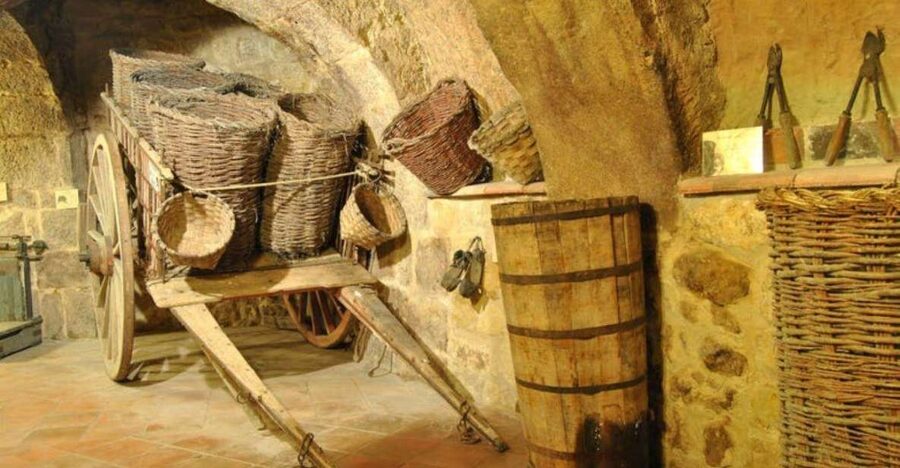
At $9 per person, this is inexpensive by sightseeing standards. You receive entry to the museum, access to the underground cellar, a guided visit in Spanish, and one glass of red wine or grape juice.
I think the price works best for three kinds of visitors:
- You want a short cultural activity in Aranda de Duero.
- You understand Spanish and enjoy local history told by a guide.
- You are curious about wine but do not want to commit to a long winery tour.
The value is less convincing if you expect an expansive cellar, several tastings, or access to every part of a working bodega. The experience lasts less than an hour, and one portion of the visit takes place in a limited public area.
For comparison in your own planning, the ticket is cheap enough to pair with a church visit, a town walk, or a meal in Aranda de Duero. It does not need to carry an entire day. Think of it as a focused stop that adds meaning to the local wine tradition.
The option to reserve now and pay later may help if your plans are still shifting. You can also cancel up to 24 hours before the visit for a full refund, according to the booking terms. Check the available start times before committing, since the tour has a fixed duration and guide-led schedule.
Who will get the most from this cellar tour
I would recommend the visit most strongly to Spanish-speaking visitors who enjoy small museums, old town history, and a modest wine tasting. The guide is repeatedly praised for explaining the subject well and keeping the tour entertaining, which can make a short visit feel worthwhile.
It also suits couples, families with older children, and anyone looking for a low-cost indoor activity. The grape juice option means not everyone in your group needs to drink wine.
Wine specialists may find it too basic. The tour covers the process from grape to bottle, but the supplied details do not indicate vineyard visits, several producers, detailed wine analysis, or a long tasting. If you already know a great deal about Ribera del Duero wine, you may want something more technical.
Non-Spanish speakers should think carefully. You can still enjoy the underground setting and displays, but the main value comes through the spoken explanation. A fast Spanish presentation may be hard to follow if your language skills are limited.
You should also adjust your expectations about the cellar. This is not a sprawling underground complex. It is the visitor section of a historic space, presented as part of the museum. That makes the tour accessible and efficient, but it also explains why some people find it smaller than expected.
Practical tips for a better visit
Arrive ready for a cool underground room. Bring a jacket or warm layer even if the weather is pleasant above ground.
Learn a few Spanish wine terms before you go if your Spanish is basic. Words connected with grape, cellar, bottle, barrel, and fermentation may help you follow the guide’s explanation.
Keep the time frame in mind. The main guided section lasts about 35 minutes, with the entire activity lasting around 45 minutes. You can fit it into a busy day, but do not expect a relaxed half-day wine outing.
If you want a more extensive cellar experience, research other local options before booking. The criticism about the limited public section is specific and worth taking seriously. This museum focuses on interpretation, objects, and a short guided route.
Finally, consider the group. One visit found the tour crowded, and a busy group can make a small cellar feel even smaller. If the available time slots offer a choice, a less popular time may give you more room to hear the guide and see the displays.
Should you book the Aranda de Duero cellar tour?
Book it if you want an affordable, well-explained introduction to Aranda de Duero’s wine culture, especially if you understand Spanish. The 13th-century cellar, historical tools, clear grape-to-bottle story, and included drink make $9 a fair price.
Skip it if you are seeking a large winery, a long tasting, or a full underground exploration. The cellar area is limited, the wine may be ordinary, and the Spanish-only format can be a real barrier.
My advice is to see it as a compact museum stop with a glass of wine, not as a major winery excursion. For the right expectations, it offers local character, a friendly guide-led presentation, and an easy way to add wine history beside Santa María Church.
FAQ
Where does the tour begin?
The tour begins at C. Cascajar, 4, and returns to the same address after the visit.
How long does the experience last?
The complete activity lasts about 45 minutes. The guided museum portion is listed as approximately 35 minutes.
Is the tour conducted in English?
No. The live guide and tour language are Spanish.
What is included in the ticket?
The ticket includes entrance to the Aranda de Duero Wine Museum, a visit to the 13th-century underground cellar, a Spanish-speaking guide, and one glass of red wine or grape juice.
Is wine included for people who do not drink alcohol?
Yes. You can choose grape juice instead of red wine.
What should I wear?
Bring warm clothing or a jacket, since the underground cellar may feel cool. Comfortable clothing is also recommended.
Can I cancel the booking?
Yes. You can cancel up to 24 hours in advance for a full refund. The reserve-now, pay-later option is also available.
Just added around Spain
- From Granada: Skip-the-Line Nerja Cave and Frigiliana★ 4.9 · 22 reviews
- Granada: Sacromonte Caves Flamenco Show★ 4.5 · 84 reviews
- From Denia: Boat Trip to Tallada Cave with Optional Swim★ 3.6 · 376 reviews
- Jalon Valley and The Cave of Skulls Tour★ 4.3 · 35 reviews
- Explore Málaga and the Treasure Caves by Electric Car★ 4.9 · 26 reviews
- Estany d’en Mas: Coastal Hike, Abseil & Sea Cave Exploration★ 4.9 · 162 reviews
- Moraig: Kayak Excursion to Moraig & Cave peces-testos★ 4.9 · 148 reviews
- E-Bike Mountain Tour in Natural Park +Option Tapas in a Cave★ 4.7 · 63 reviews
Museums, compared.

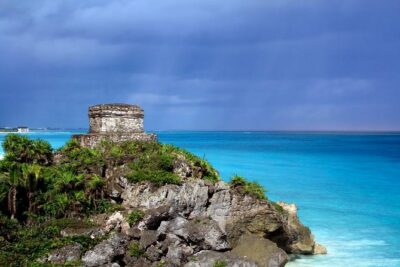
Coba Multun-Ha Cenote Tulum and Mayan Museum Small Group
Read our review →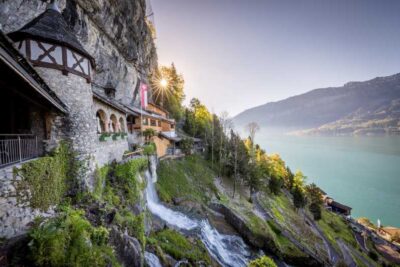
Beatenberg: Beatus Caves Entry Ticket with Museum
Read our review →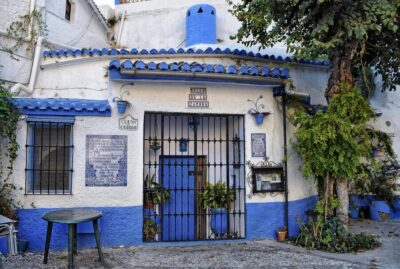
Granada: Albaicín, Sacromonte & Museum of Caves Walking Tour
Read our review →Browse the lists this tour appears in