
REVIEW · WALKING
Matera Walking Tour with Casa Grotta & Rock Church Entry
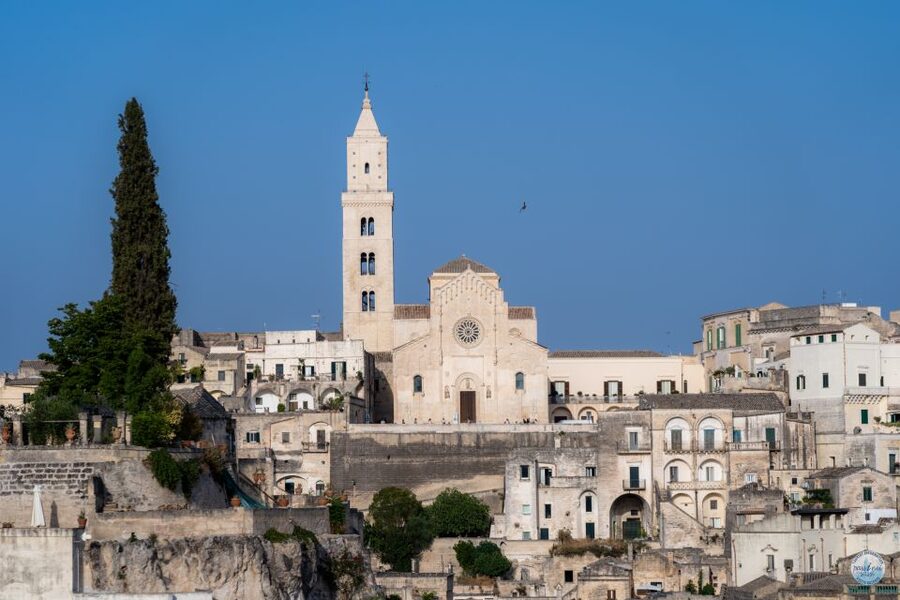
Matera’s most striking feature is not a grand palace or famous painting. It is the sight of homes, churches, stairways, and old communal spaces carved into pale rock. This two-hour walk through the Sassi gives you the setting and the human story behind that remarkable view.
I like the way the tour combines rock churches with a furnished cave home, since one shows Matera’s spiritual life and the other shows how ordinary families lived. I also like having a licensed local guide to handle the maze of lanes and explain details you would likely miss alone. The main drawback is the terrain: expect steps, uneven paving, heat, and a fair amount of walking.
Key points at a glance
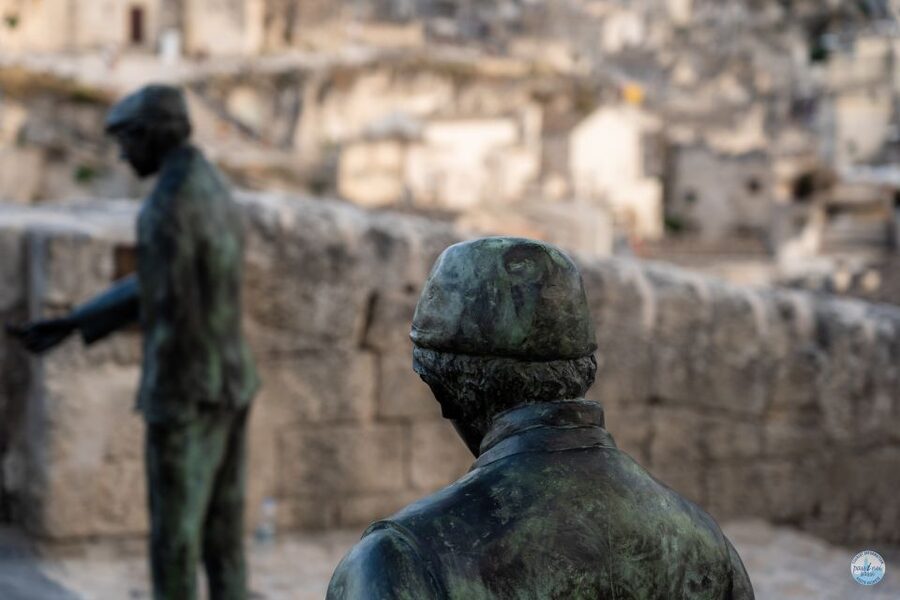
- See both sides of Matera: The route covers the historic center, Civita, Sasso Barisano, and Sasso Caveoso.
- Enter two rock churches: Santa Maria de Idris and San Giovanni in Monterrone are included in the price.
- Step inside a Casa Grotta: Original household objects show how families lived in the caves until the 1950s.
- Learn from local guides: Guides including Lorenza, Anna, Patrizia, and Annalisa are praised for clear explanations and local insight.
- Pay one straightforward price: At $35 per person, entrance tickets and a licensed guide are included.
- Plan for hills and heat: Comfortable shoes are essential, and the walk may be tiring in midday summer sun.
Why Matera makes more sense with a guide
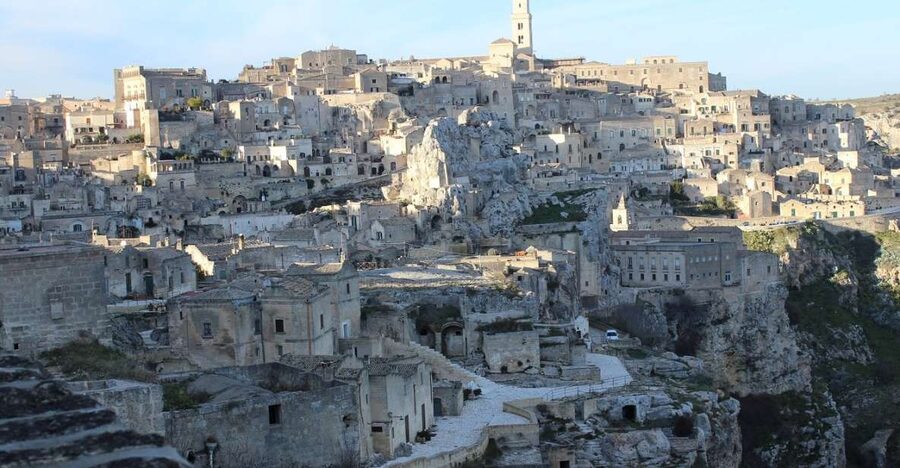
Matera can look simple from a viewpoint: a sweep of pale stone, cave openings, church facades, and narrow lanes cut into a ravine. Once you walk into the Sassi, the city becomes much harder to read. A stairway may lead to a church, a home, a courtyard, or another level of the settlement.
That is where this walk earns its keep. Your guide explains how the Sassi worked as a living neighborhood, not just as a dramatic photo stop. You hear about the vicinati, shared residential areas where families lived close together and depended on communal spaces.
The route also puts Matera’s past into human terms. The cave dwellings were not abandoned ruins from some distant age. Families lived in them until the 1950s, when poor conditions led to the evacuation of the Sassi. A visit to a furnished cave home helps you understand that change far better than a viewpoint alone.
Guides such as Lorenza, Anna, Patrizia, and Annalisa have received especially warm praise for clear English, good pacing, patience, and pride in Matera. That local connection matters here. One guide has family ties to residents who lived in the caves, adding a personal layer to the story without turning the walk into a dry history lecture.
More Walking Tours in Italy:
- Cagliari: Underground Cagliari Walking Tour
★ 4.7 · 2,329 reviews - Lecce: Baroque Architecture and Underground Walking Tour
★ 4.6 · 1,248 reviews - Underground Vaults Walking Tour in Edinburgh Old Town
★ 4.5 · 8,506 reviews
Starting at Via Don Minzoni and Piazza Vittorio Veneto
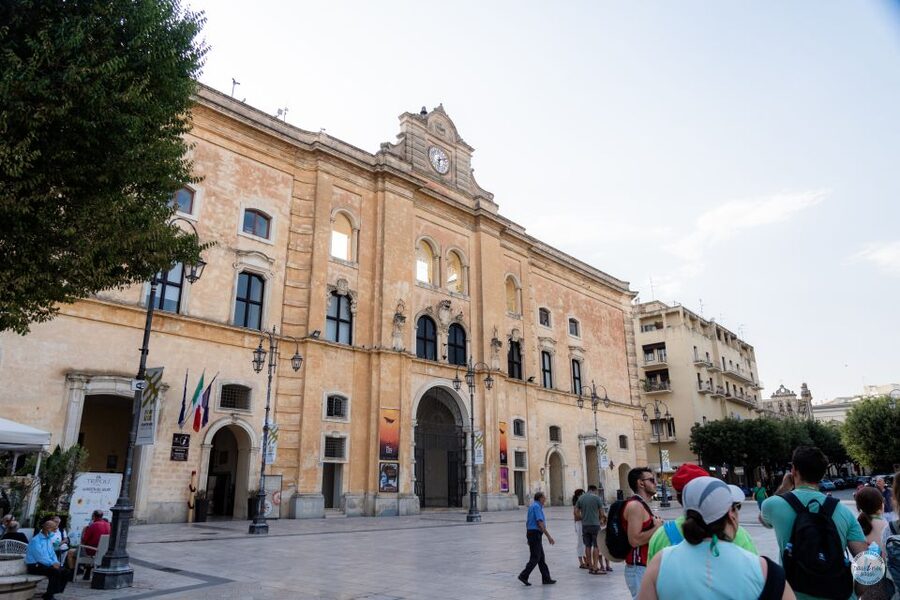
The meeting point is at the Passi nei Sassi office on Via Don Giovanni Minzoni 13, though the exact starting point can depend on the option you book. From there, you make a short walk to Piazza Vittorio Veneto, where the official tour begins.
Piazza Vittorio Veneto is a useful place to start because it puts modern Matera beside the old city. You can begin to see how the polished central streets give way to the rougher, older quarters below.
The first part of the walk covers the historic center, with churches, noble buildings, and smaller corners that help place the Sassi in the wider city. Your guide gives you the basic geography before leading you into the older districts. That order is helpful. Without it, Matera’s layers can blur together.
The city is built on slopes, so even this opening section may include steps or inclines. You should not treat the two-hour length as a flat city stroll. The pace is generally described as manageable, but you need a reasonable level of fitness.
Looking over Sasso Barisano from Civita
The route continues to Civita, Matera’s old medieval core. From here, you get one of the most useful views of Sasso Barisano, an area filled with cave houses, rock churches, alleys, and layered stone buildings.
This is a good point for orientation. From above, you can see how the settlement follows the shape of the rock. The Sassi are not a neat grid of streets. They are a series of paths, steps, terraces, and rooms shaped by the land.
Your guide connects the view to daily life. You learn how homes and shared areas were arranged, and how the city grew around the natural caves. The explanation helps you see more than a pretty panorama. You begin to notice entrances, terraces, church openings, and routes that once linked one neighborhood to another.
The view is also one of the best photo stops. Bring a phone or camera, but do not spend the whole time looking through it. The shapes make more sense when you listen to the guide and then look again.
Sasso Caveoso and the communal vicinati
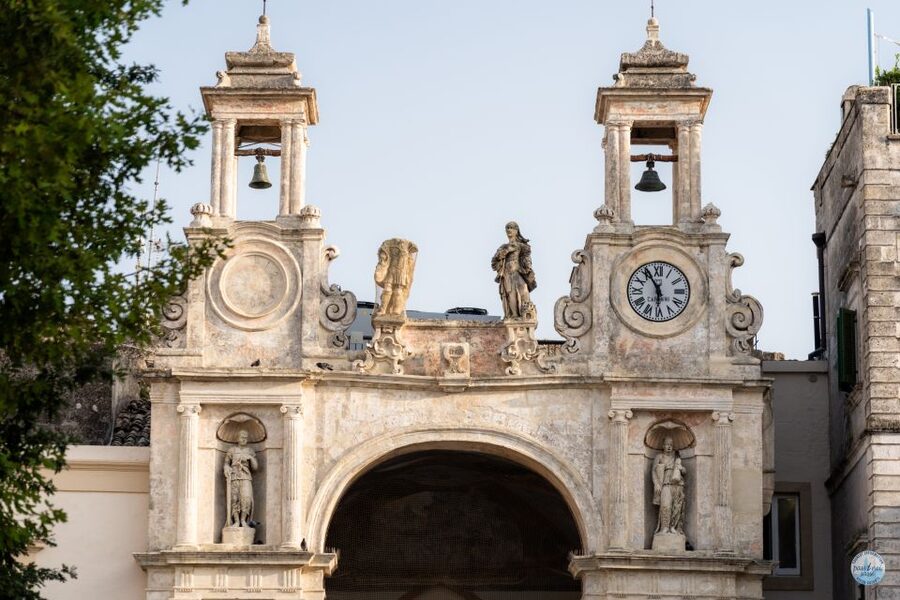
Sasso Caveoso is the most rugged and visually dramatic part of the route. Here, the rock dwellings feel especially close to the original form of the settlement. The tour introduces you to the vicinati, communal residential areas that reveal how several households could share a tightly connected space.
This section gives the clearest picture of Matera as a neighborhood. You are not just looking at isolated cave rooms. You are seeing a system of homes, passageways, courtyards, and shared facilities.
The route also includes the so-called barbarian cemetery, an archaeological site with a more mysterious feel. Your guide places it within the broader story of the area, so it does not become just another quick stop for photographs.
Sasso Caveoso is also where the walking conditions can feel most demanding. Expect uneven surfaces, stairs, and narrow passages. The tour operators do not recommend this experience for people with mobility impairments, and strollers, baby carriages, and electric wheelchairs are not allowed.
A few more cave trips around Italy worth a look
- Naples: Naples Underground Entry Ticket and Guided Tour
★ 4.4 · 21,781 reviews - Colosseum: Underground and Ancient Rome Tour
★ 4.7 · 12,691 reviews - Naples: Catacombs of San Gennaro Entry Ticket & Guided Tour
★ 4.6 · 7,941 reviews - Rome: Capuchin Crypts and Catacombs Tour with Transfers
★ 4.6 · 6,456 reviews
Santa Maria de Idris and San Giovanni in Monterrone
The rock churches are the emotional center of the walk. On the Monterrone rock, you enter Santa Maria de Idris and San Giovanni in Monterrone, two churches cut into the stone.
Santa Maria de Idris is the more immediately striking of the two. Its position on the rock gives you a strong sense of how religious spaces were fitted into Matera’s natural setting. Inside, the atmosphere is quiet and spare, with frescoes that point to the long religious life of the caves.
San Giovanni in Monterrone adds another layer to the stop. Together, the churches show that the Sassi were not simply poor housing. They were also places of worship, art, and community life.
The entrance tickets are included in the $35 price, which is important. If you explored independently, you would still need to arrange access to the paid sites. A guide also helps keep the group moving when entrances become crowded or confusing. One particularly useful part of the guiding service is assistance at busy church entrances, especially on crowded Saturdays.
Do not expect a long museum-style visit inside each church. The stops are guided and relatively short, around 15 minutes each in the stated itinerary. That is enough to see the spaces and understand their role, but you may want extra time later if you become absorbed in the frescoes.
The Casa Grotta: daily life until the 1950s
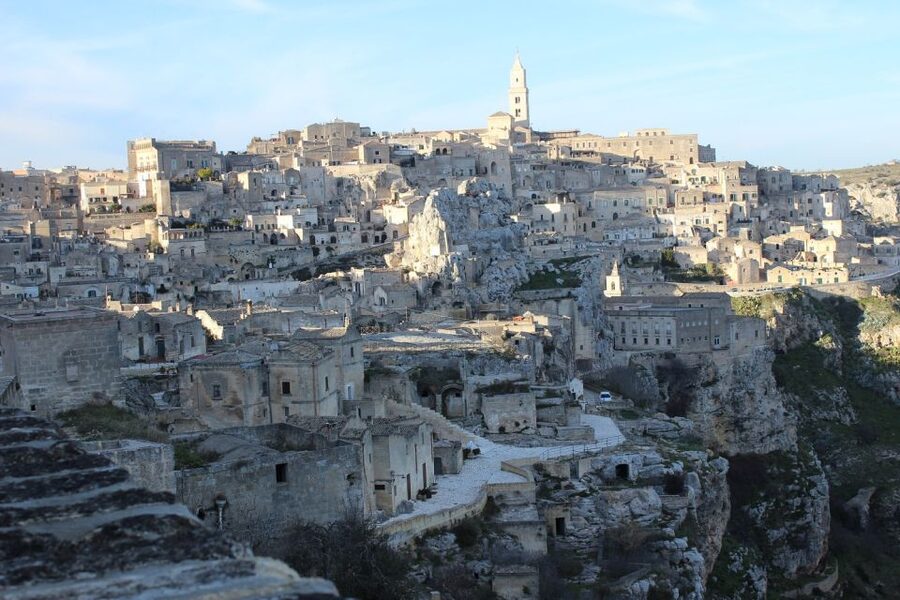
The Casa Grotta is the stop that turns Matera’s history into something tangible. You enter a furnished cave home with original household objects and see how an entire family could live within a small rock-cut space.
The display is valuable because it moves the story away from grand dates and famous buildings. You can better picture the practical side of life: shared domestic space, simple furnishings, and a household arranged around limited room and natural rock.
The tour also visits the Museum of Peasant Civilization. Together, the museum and Casa Grotta explain the traditions and working life of the people who lived in the Sassi. This is one of the strongest parts of the experience for anyone who wants more than scenic views.
The cave home is not a luxury attraction, and that is the point. Matera’s recent past included hardship and overcrowding. The Sassi’s beauty can make it easy to romanticize cave living, but the guide helps keep the story grounded in the conditions families faced before the area was emptied and later restored.
Allow about 15 minutes for the Casa Grotta portion in the stated schedule. The exact flow may vary, especially if the group needs to wait for access or move at a slower pace.
A route that gives you the city’s basic shape
One advantage of this experience is the route. It does not focus on a single viewpoint or one church. It links the central city with Civita, Sasso Barisano, and Sasso Caveoso, giving you a working map of Matera.
That matters after the tour. You can return to a church, museum, viewpoint, or restaurant with a better sense of direction. Several guides also offer suggestions for places to eat and additional sites to see after the walk.
The route is described as logical, with fewer unnecessary ups and downs than you might face while wandering alone. That does not make it flat. You still need to handle steps and uneven lanes, but the guide can choose a sensible way through the city.
The tour finishes at Piazza Giovanni Pascoli, not back at the starting office. This is useful if you plan to continue exploring, but remember to collect anything you need before setting out. If you are meeting a driver or returning to a hotel, note the different end point.
Timing, weather, and physical effort
The listed duration is two hours, though some groups have taken closer to two and a half or three hours. Extra time can be helpful, particularly in extreme heat or when the group pauses at crowded entrances. It can also make the outing feel longer if you expect a brisk sightseeing walk.
Summer heat is the main practical concern. A midday departure can be tiring, with limited shade along parts of the route. Guides have adjusted the pace, added shade stops, and allowed time for water and rest, but you should still choose a cooler start time when possible.
Bring comfortable shoes and water. No food or drink is provided, and there is no scheduled refreshment stop. That omission is minor for a two-hour outing, but a drink break would be welcome on a very hot day.
The tour operates in light rain. A heavy downpour can make stone steps and paving more difficult, so sensible footwear matters even outside summer. The walk is not suitable for people with mobility impairments, and the restrictions on strollers and electric wheelchairs are firm.
Languages, group feel, and guide quality
The tour is offered in English, Italian, Spanish, German, and French. An optional audio guide is available in Spanish. The exact guide depends on the departure, but the local team includes guides such as Lorenza Borrelli, Anna, Patrizia, Annalisa, Vita, and Guido.
The strongest pattern is clear explanation paired with a friendly manner. Lorenza is praised for answering questions, managing groups, and giving useful restaurant suggestions. Anna is described as patient and proud of her city. Patrizia has been especially good at choosing easier routes when steep steps become a problem.
Group size can vary. One group had 15 people, while another morning happened to have only two, making it feel more like a private walk. A larger group may mean you stand farther from the guide at busy points, though a clear voice and good organization help.
The overall rating is 4.7 from 1,078 reviews, with repeated praise for the guides, route, history, and value. I would put the greatest weight on the consistency of those comments. The tour works because the guide does more than point out buildings. The guide explains how Matera functioned and adjusts to the group when needed.
Is $35 a fair price?
At $35 per person, this is good value if you want a first look at Matera with the main paid entries handled. Your fee includes the licensed regional guide, Santa Maria de Idris, San Giovanni in Monterrone, the Museum of Peasant Civilization, and the Casa Grotta visit.
You are also paying for orientation. Matera’s lanes can be confusing, and the Sassi are easier to appreciate once someone explains what you are seeing. If you are short on time, the route lets you cover the core districts in one organized outing.
The price is less compelling if you prefer to move slowly, take long photographs, or read every display on your own. The two-hour format gives you a strong introduction, not a full day of detailed archaeology and art.
You can cancel up to 24 hours before the tour for a full refund, and you can reserve now and pay later. Those terms are useful if your Basilicata plans are still shifting.
Who should book this Matera walk?
I would recommend it to first-time visitors, couples, families with older children who can manage steps, and anyone arriving in Matera for a short stay. It is especially useful if you want the Sassi explained before you explore independently.
It also suits visitors who care about ordinary life, not just postcard views. The Casa Grotta and Peasant Civilization Museum provide the human side of the city, while the churches add art and spiritual history.
I would hesitate if you have serious mobility limits, dislike uneven streets, or want a slow photography tour. The heat can also be a real issue in summer, particularly around noon.
Should you book it?
Book this tour if you want a well-priced introduction to Matera that joins the city’s views with its difficult, fascinating past. The local guides are the main strength, and the route gives you enough structure to understand the Sassi without spending your first day lost among stairways.
Choose an earlier or later departure in hot weather, wear sturdy shoes, and bring water. If you can handle the terrain, this is a sensible first step into Matera, with enough time afterward to return to the places that catch your eye.
FAQ
How long does the Matera walking tour last?
The advertised duration is two hours. Some tours may run longer, particularly in very hot weather or when the guide adds rest stops and extra explanations.
What is the price?
The price is $35 per person.
What is included in the price?
The price includes an authorized regional guide and entrance tickets to Santa Maria de Idris, San Giovanni in Monterrone, and the Museum of Peasant Civilization.
Does the tour include a Casa Grotta visit?
Yes. The tour includes a guided visit to a typical Casa Grotta in the Sassi, furnished with original household objects.
Where does the tour start?
The listed meeting point is Passi nei Sassi at Via Don Giovanni Minzoni 13. The exact meeting point may vary according to the option booked.
Where does the tour finish?
The stated finish point is Piazza Giovanni Pascoli.
Which languages are available?
The live tour is available in English, Italian, Spanish, German, and French. An optional audio guide is available in Spanish.
Is food or drink included?
No. You need to bring or purchase your own food and drink.
What should I bring?
Wear comfortable shoes. Water is also a sensible choice, especially in warm weather, though it is not listed as a required item.
Is the tour suitable for people with mobility impairments?
No. The tour is not suitable for people with mobility impairments, and baby strollers, baby carriages, and electric wheelchairs are not allowed.
Just added around Italy
- From Catania: trek on Mount Etna, Lava Cave & tasting Tour★ 4.8 · 563 reviews
- From Capri: Blue Grotto, Capri and Anacapri Guided Tour★ 4.8 · 91 reviews
- From Cala Gonone: Grotta del Bue Marino Boat Trip★ 4.4 · 189 reviews
- EXCURSION VISIT TO THE SANTA MARIA DI LEUCA CAVES★ 4.8 · 192 reviews
- Santa Maria di Leuca: Caves Boat Tour★ 4.6 · 211 reviews
- East Palermo: boat tour among caves and breathtaking landscapes★ 5.0 · 28 reviews
- Taormina and Giardini Naxos: 2 Hour Dolphin Tour & Grotto★ 4.6 · 63 reviews
- Rome: Colosseum Underground and Arena Floor Tour★ 4.4 · 59 reviews
Walking Tours, compared.
Underground Vaults Walking Tour in Edinburgh Old Town
Read our review →
Edinburgh: Witches & Haunted History Walking Tour
Read our review →
Waitomo Caves: Ruakuri Glowworm Cave Guided Walking Tour
Read our review →
Lecce: Baroque Architecture and Underground Walking Tour
Read our review →
Malta: Mdina and Rabat Walking Tour with Catacombs
Read our review →Browse the lists this tour appears in