
REVIEW · GUIDED
Matera: Guided City Center Tour with Cave Churches & Houses
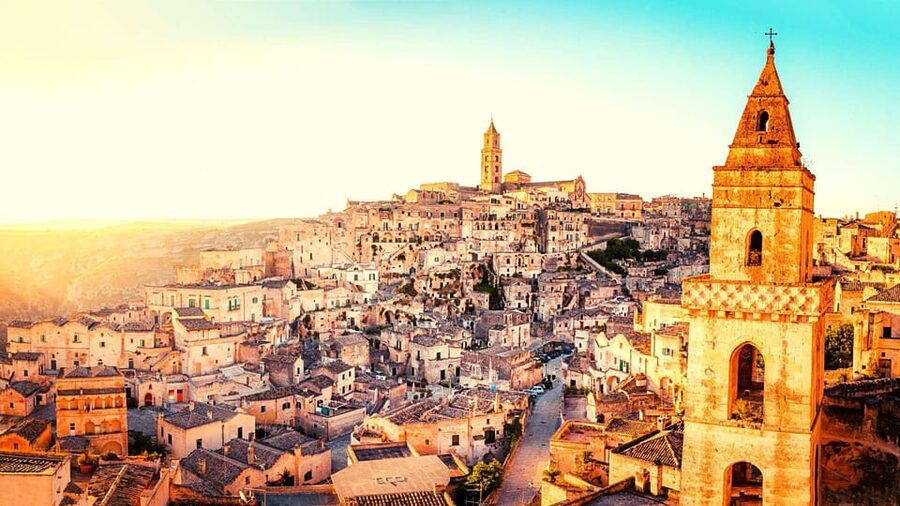
Matera’s Sassi is not a museum set. It is a maze of stone lanes, cave homes, churches cut into cliffs, and homes that once shared space with animals. This tour gives you a clear route through that remarkable world, with an English-speaking local guide to explain what you are seeing. I especially like the entry to the furnished cave house and Santa Maria de Idris, since both turn Matera’s unusual setting into something you can understand.
I also like the easy walking pace, regular photo stops, and the chance to ask questions as you go. Guides such as Anna Lisa, who grew up in Matera, Patricia, and Lorenza have received particular praise for making the story concise and lively. The main consideration is the schedule: the advertised tour lasts two hours, but heavy crowds or a busy holiday can stretch it to two and a half or even three hours.
Key points about this Matera walking tour
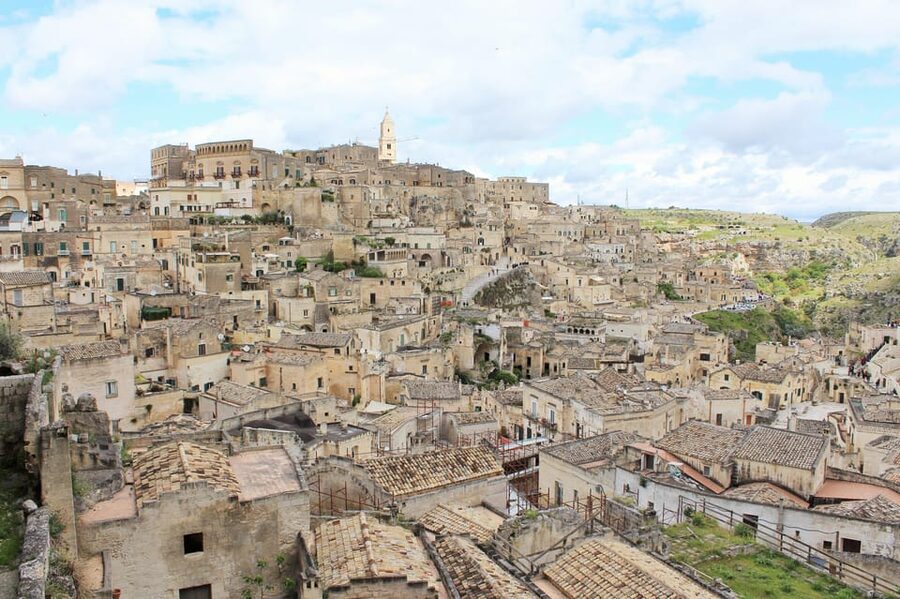
- See the Sassi from above and within: Begin with views of Sasso Barisano, then walk into the older streets and cave districts.
- Enter a real furnished cave house: The Del Vicinato cave house shows how families once lived in rock-cut rooms.
- Visit Santa Maria de Idris: This cliffside church includes Byzantine frescoes within the Monterrone Rock complex.
- Hear Matera’s story in plain English: The guide connects ancient settlement, peasant life, religious art, and the modern city.
- Walk through Sasso Caveoso: This is Matera’s oldest and most famous district, with dramatic rock-cut neighborhoods.
- Choose between 10:30 AM and 3 PM: The morning and afternoon departures make it easy to fit the walk around your day.
Why a guided walk helps in Matera
Matera can look simple at first glance: pale stone, steep steps, caves, and a fine view. The details are harder to read without help. A doorway may lead to a church, a home, a cistern, or a room cut into the rock. A narrow lane may be the roof of another dwelling. A guide gives you the missing key.
The tour begins at the Ferdinandea fountain, an arch-shaped fountain in the main square of the historic center. Listen for the name used at booking, since the guide calls it out and then sorts people into groups from the same agency. This is a practical meeting arrangement, but arrive ready to pay attention. A busy square is not the place to wander off for a coffee.
From there, you walk toward the Sassi district and begin to see how Matera is built in layers. Streets, stairs, terraces, caves, churches, and houses overlap in ways that are difficult to grasp from a map. I like this kind of introduction because you learn the shape of the city while walking through it, rather than stopping at one viewpoint and hearing a long lecture.
The guide is central to the experience. The named guides praised most warmly include Anna Lisa, Patricia, and Lorenza, though the guide assigned to your departure can vary. Anna Lisa is from Matera, and her family connection to the Sassi gives her a useful personal link to the place. Patricia has been praised for giving a clear account of Matera’s architecture and culture without getting bogged down. Lorenza is noted for fluent English and for handling questions well.
That matters here. Matera’s story includes long periods of poverty, religious devotion, cave living, abandonment, and renewal. You need a guide who can keep those threads in order without turning the walk into a classroom. The strongest reports point to guides who do exactly that.
More Guided Tours in Italy:
- Naples: Naples Underground Entry Ticket and Guided Tour
★ 4.4 · 21,781 reviews - Naples: Catacombs of San Gennaro Entry Ticket & Guided Tour
★ 4.6 · 7,941 reviews - Naples: Spanish Quarters Underground Guided Tour
★ 4.8 · 5,064 reviews
Sasso Barisano and the first view of the city
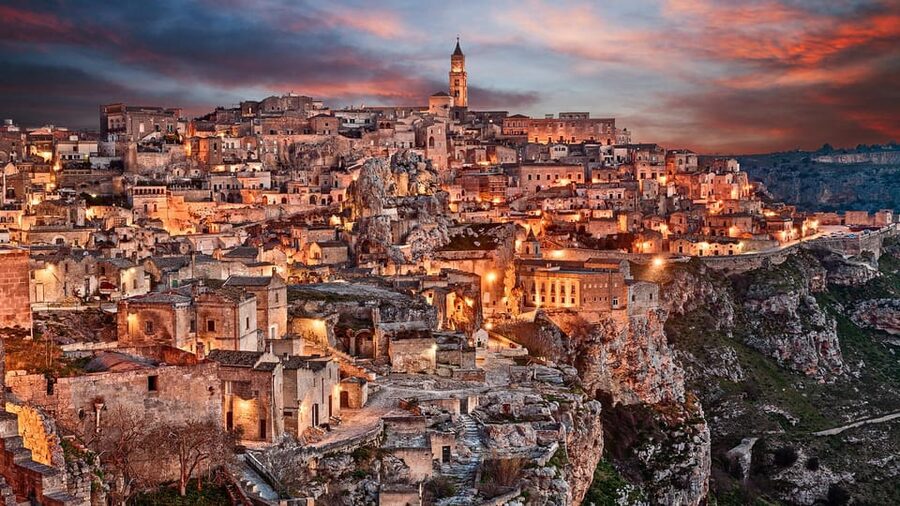
Early in the walk, you get panoramic views of Sasso Barisano. This is one of the best reasons to take the tour near the start of your Matera visit. You see the pale stone city from a distance, then gradually move into it.
The view helps you understand the two Sassi districts. Sasso Barisano is one of the principal areas, while Sasso Caveoso is the older district visited later. From the higher streets, you can see how homes seem to stack over one another and how the rock itself becomes part of the buildings.
Your guide will likely pause at several points for photographs. That is useful, since Matera’s best angles often appear suddenly at the end of a stairway or from a small terrace. You are not rushed from one explanation to the next. The pace is intended to leave room for pictures and questions.
Still, this is a walking tour in an old hill town. Comfortable shoes are essential, not just a nice idea. Wear clothes you can walk in, and bring water. One participant specifically wished for a bottle of water during the walk, and the need is easy to understand on a warm day. Food and drinks are not included.
Piazza Duomo and the Cathedral exterior
The route continues through the historic center toward Piazza Duomo. Here you can view the exterior of Matera’s Cathedral before continuing toward the Sassi.
The cathedral stop is mainly an exterior view, so do not book this tour expecting a cathedral interior visit. Its value is in the position of the square and the way the guide places the religious center of Matera alongside the cave districts below. The tour is not only about unusual homes. It also shows how the city’s religious buildings and everyday dwellings fit into the same compact setting.
This part of the walk offers a useful change of scale. The Sassi can feel like a private maze of steps and doorways. Piazza Duomo gives you a more formal urban space before the route drops toward Sasso Caveoso. If you are taking the 3 PM departure, afternoon light may add warmth to the stone, though the exact effect depends on the season.
The furnished cave house at Del Vicinato
One of the tour’s most helpful stops is the Del Vicinato cave house. You go inside a furnished home connected with peasant life, rather than simply looking at a dark opening in the rock.
This is where the past becomes easier to picture. A cave house was not an empty stone room. It was a lived-in home, shaped around limited space and practical needs. Furnishings help you see how people organized daily life inside a dwelling carved into the hillside.
The stop also gives useful context for the Sassi’s difficult modern history. Matera’s cave neighborhoods were once associated with severe poverty and poor living conditions. Families lived in close quarters, and the same environment could include people and animals. A furnished interior helps explain that reality more clearly than a sweeping view can.
Allow your guide’s explanation to do some of the work here. The important point is not simply that the room is old. It is that the cave was part of a functioning neighborhood. People lived close to one another, worked nearby, used shared spaces, and built a community around the rock.
The house visit is included in the price, as are the rock-cut church entrances. That makes the $35 cost more reasonable than a basic orientation walk with no admission included. You are paying for guiding plus access to places you would not fully understand from the street.
A few more cave trips around Italy worth a look
- Colosseum: Underground and Ancient Rome Tour
★ 4.7 · 12,691 reviews - Rome: Capuchin Crypts and Catacombs Tour with Transfers
★ 4.6 · 6,456 reviews - Expert Guided Tour of Colosseum Arena OR Underground, and Forum
★ 4.5 · 5,041 reviews - The Original Roman Crypts and Catacombs Tour with Transfers
★ 4.5 · 4,896 reviews
Rupestrian churches and Santa Maria de Idris
The religious side of Matera comes into focus at a rupestrian church, followed by Santa Maria de Idris. Rupestrian means cut into or built against the rock, and these churches are among the clearest examples of how Matera’s stone shaped both home life and worship.
Santa Maria de Idris is located within the Monterrone Rock complex. Your admission includes Santa Maria de Idris and San Giovanni in Monterrone. Inside, you can see Byzantine frescoes. These painted images are especially valuable because they show that the cave churches were not merely rough shelters or simple chapels. They were places of devotion with their own artistic traditions.
The interior visit can be atmospheric, but it may also feel tight and uneven. Keep your pace steady and follow the guide’s instructions. Comfortable shoes matter more inside and around the cave churches than they do on a normal city sidewalk.
The guide’s explanation adds the most value here. Without context, you may notice faded paint and carved walls but miss the connection between the religious art, the rock architecture, and the communities that used these churches. I would pay close attention to the frescoes, since they are one of the tour’s most distinctive features.
The Monterrone entry is included, so there is no need to decide on an extra ticket during the walk. That keeps the route simple and lets the guide control the timing.
Sasso Caveoso, the older district
The walk through Sasso Caveoso is the tour’s most atmospheric stretch. It is described as Matera’s oldest and most famous district, and the route takes you through its neighborhoods after the earlier views and historic-center stops.
Here you get a closer look at the rough relationship between built stone and natural rock. The streets can feel less formal than those around the cathedral and central square. Instead of seeing Matera as a polished old town, you see a district shaped by necessity, slope, and available rock.
The guide also points out a barbarian cemetery and various neighborhoods along the way. These stops broaden the story beyond houses and churches. Matera is not one single monument. It is a whole pattern of settlement, burial, worship, work, and family life spread across the ravine.
The route includes stairs and uneven surfaces. The information provided does not give a specific accessibility rating, so you should be prepared for old-stone walking conditions rather than a smooth, level stroll. The pace is generally described as easy, but easy does not mean flat.
This is also the part where you may want time for photographs. The tour ends at Piazzetta Pascoli, a useful central finish point. You will not be returned to your hotel, and transport is not included, so plan your next stop from there.
How long the tour really takes
The advertised duration is two hours, with departures at 10:30 AM and 3 PM. The route includes the Sassi, the cave house, Santa Maria de Idris, Sasso Caveoso, and several viewpoints. That is a lot to cover in a short period, so the guide needs to keep the group moving.
In practice, the pace can change. One tour took about two and a half hours, while another stretched to three hours during a public holiday when the area was busy. I would leave some space after the tour rather than booking a tight lunch, train, or museum appointment.
The two daily start times work well for different plans. The morning departure gives you the rest of the day for independent wandering. The 3 PM walk may suit you if you prefer a slower start, and the late light can make the stone especially appealing. One account particularly favored the evening feel of Matera, though the regular schedule listed here is 10:30 AM and 3 PM.
The guide can also affect timing. A small group may move faster and allow more questions. Several accounts describe groups as small, including one with only four people. Group size can vary, so treat that as a possible advantage rather than a guarantee.
What $35 gets you
At $35 per person, this tour sits in the reasonable middle for a guided historic walk with admissions. You receive an English-speaking guide, a walking tour, entry to the Del Vicinato cave house, and access to Santa Maria de Idris and San Giovanni in Monterrone.
The value comes from the combination. A simple viewpoint walk would show you Matera’s appearance but not its domestic life. A cave house visit without a guide would show you objects but not explain the social setting. The church entrance adds art and religion to the picture. Together, the stops give you a more complete sense of the city.
You do not receive hotel pickup, food, or drinks. That is not a serious weakness for a central walking tour, but it affects your planning. Meet at the Ferdinandea fountain and finish at Piazzetta Pascoli. Bring water, and consider eating before the afternoon departure if you know you dislike walking hungry.
The free cancellation policy allows cancellation up to 24 hours before the start for a full refund. You can also reserve now and pay later, which helps if your Matera plans are still shifting.
Who will enjoy this walk most
I would choose this tour if you are visiting Matera for the first time and want the city’s story arranged in a sensible order. It is also a good match if you enjoy architecture, religious art, local history, and photography but prefer a guide to connect the pieces.
Families with older children may find the cave house and churches more memorable than a standard city commentary. The route is active, though, with steps and uneven stone. Bring comfortable shoes for everyone.
This tour suits independent visitors who still want a strong first orientation. Afterward, you can return to a favorite viewpoint, explore a lane at your own speed, or seek out another church with a clearer idea of what you are seeing.
It is less suited to anyone wanting a completely private experience, a hotel transfer, or a slow three-hour walk guaranteed from the start. The listed price is per person, and the group arrangement can vary. It also may not suit you if uneven historic streets are difficult.
Should you book the Matera Sassi tour?
I would book it for the first day of a Matera stay, especially if you want more than attractive photographs. The furnished cave house, Byzantine frescoes, and walk through Sasso Caveoso give you genuine contact with the city’s past, while the guide keeps the story in order.
The strongest reason to choose it is the guide. Anna Lisa, Patricia, and Lorenza have each been praised for clear English, strong local understanding, and a friendly way of answering questions. You cannot select a specific guide from the information provided, but the standard is encouraging.
Book it if $35 fits your budget and you can spare extra time beyond the advertised two hours. Skip it only if you prefer to explore alone, need a fully level route, or have a strict schedule that cannot absorb a longer visit. For most first-time visitors, the mix of cave homes, rock churches, views, and local explanation makes this a solid introduction to Matera.
FAQ
Where does the Matera walking tour begin?
The meeting point is the Ferdinandea fountain, an arch-shaped fountain in the main square of the historic center. The guide calls the name used at booking and organizes participants into groups from the same agency.
Where does the tour finish?
The walk finishes at Piazzetta Pascoli.
How long does the tour last?
The advertised duration is two hours. It can take longer in busy conditions, with some tours lasting about two and a half to three hours.
What time does the tour start?
The tour takes place twice daily, at 10:30 AM and 3:00 PM. You should check availability for the date you want.
What entrances are included?
The price includes entry to the Del Vicinato cave house and the Monterrone Rock complex, including Santa Maria de Idris and San Giovanni in Monterrone.
Is the tour conducted in English?
Yes. The experience includes a live English-speaking guide. Comfortable shoes and comfortable clothing are recommended.
Just added around Italy
- Capri & Blue Grotto: Full-Day Tour with Guided Island Exploration★ 5.0 · 74 reviews
- Private Capri, Anacapri and Blue Grotto Tour from Capri★ 4.5 · 29 reviews
- Boat Tour of the Caves on the Island of Capri★ 4.5 · 463 reviews
- Private Tour of the Island of Capri by Boat and Visit to the Caves★ 4.5 · 31 reviews
- Paddleboard in Capri between caves and beaches. Photos included!★ 5.0 · 39 reviews
- Blue Grotto and Capri Boat Tour with Aperitivo Swim and Snorkel★ 4.5 · 47 reviews
- Capri Adventure Cruise: Sea Caves, Coastline & Blue Grotto Visit★ 5.0 · 18 reviews
- Small Group Tour to Blue Grotto, Anacapri and Capri★ 5.0 · 115 reviews
Guided, compared.
Naples: Naples Underground Entry Ticket and Guided Tour
Read our review →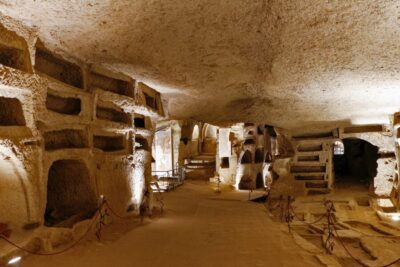
Naples: Catacombs of San Gennaro Entry Ticket & Guided Tour
Read our review →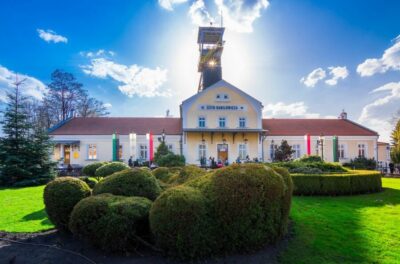
Krakow: Wieliczka Salt Mine Fast-Track Ticket & Guided Tour
Read our review →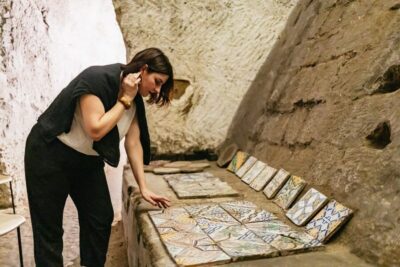
Naples: Spanish Quarters Underground Guided Tour
Read our review →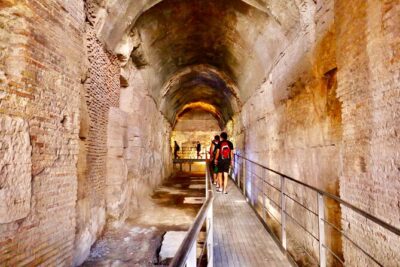
Expert Guided Tour of Colosseum Arena OR Underground, and Forum
Read our review →
Rome: Colosseum Underground Small Group Guided Tour
Read our review →
Krakow to Wieliczka: Salt Mine Guided Tour with Ticket & Transfer
Read our review →Browse the lists this tour appears in