REVIEW · GUIDED
Bremen: Underground Guided Tour
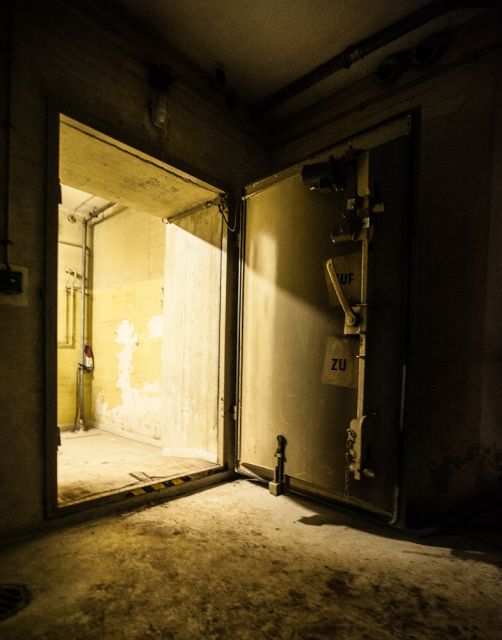
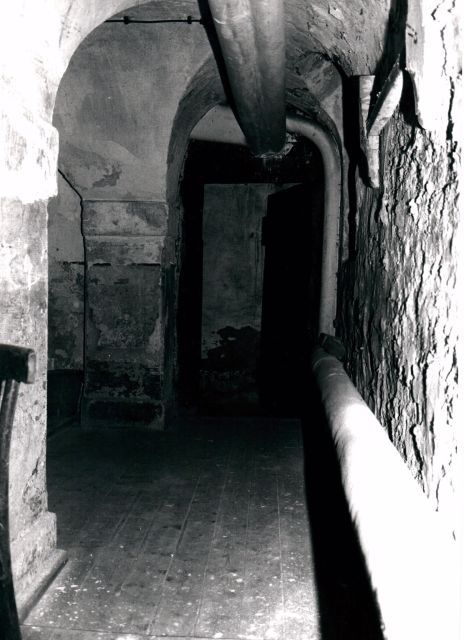
Bremen’s best surprises may be below street level. This two-hour tour takes you through wartime bunkers, medieval crypts, and forgotten service spaces that are normally closed to the public. You choose between two routes, each revealing a different side of the Hanseatic city.
I like the mix of old and modern history, from the vaulted cellar beneath Bremen Cathedral to an ABC bunker built during the Cold War. I also like the use of historic photographs, which helps you picture places that no longer look as they once did. The main drawback is practical: you need to be good on your feet, and that is not made especially clear when booking.
Key points to know before you book
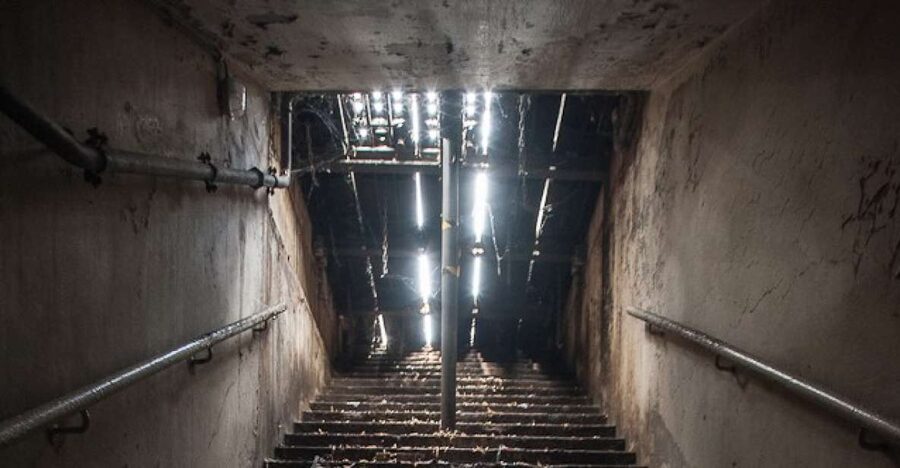
- Two different routes: Unterwelten 1 focuses on crypts, bunkers, ramparts, and the Church of Our Lady. Unterwelten 2 covers a hidden supply street, Central Station, the freight yard, former banana halls, and an ABC Hochbunker.
- Rare access: Both tours enter places that remain closed to most people.
- Cold War focus: The former air-raid shelter beneath Central Station was later converted into an ABC bunker for protection against atomic, biological, and chemical threats.
- Medieval and wartime history together: One route links Bremen Cathedral’s crypt with twentieth-century military shelters.
- German-language guiding: The tour is conducted in German. Recent guides include Thomas and Peter, though the guide is not fixed.
- Allow for steady walking: A recent rating of 4.1 from 1,408 bookings reflects broad approval, but one clear warning is that the tour suits people who can walk comfortably for two hours.
Choosing between Bremen’s two underground routes
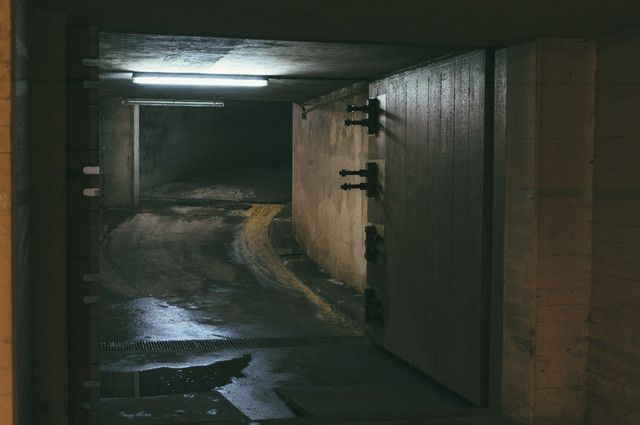
The first decision is simple but important: choose Unterwelten 1 or Unterwelten 2. They are not two versions of the same walk. Each follows a different part of Bremen’s past and may have a different meeting point.
Unterwelten 1 has the strongest blend of religious history and civil defense. It begins near the elephant statue, then goes down into a crypt. From there, the route continues to the large air-raid shelter beneath the forecourt of Bremen Central Station before crossing the old ramparts toward the Church of Our Lady.
Unterwelten 2 is more unusual in its subject matter. It starts at Bremen’s first and only underground street, a service passage built to supply nearby shops. The route then moves toward Central Station, the freight yard, former banana-ripening halls, and the large ABC Hochbunker on Admiralstraße.
I would choose Unterwelten 1 if you want a clear story linking medieval burial customs, wartime shelters, and the Cold War. Choose Unterwelten 2 if you are curious about city infrastructure, trade, old railway facilities, and the less familiar side of Bremen’s commercial past.
The exact meeting point depends on the route you book. Since there is no hotel pickup or drop-off, check the starting location before you set out.
More Guided Tours in the world:
- Naples: Naples Underground Entry Ticket and Guided Tour
★ 4.4 · 21,781 reviews - Naples: Catacombs of San Gennaro Entry Ticket & Guided Tour
★ 4.6 · 7,941 reviews - Krakow: Wieliczka Salt Mine Fast-Track Ticket & Guided Tour
★ 4.5 · 5,872 reviews
Unterwelten 1, from the elephant statue to the Church of Our Lady
The first route begins at Bremen’s elephant statue, a recognizable meeting point and a fitting place to start a tour about what lies beneath the city. From here, you descend into a crypt and hear how it was used in the past and how it serves the city today.
The crypt gives the tour an older time scale than the bunkers that follow. Bremen’s underground spaces are not all connected to war. Some were built for burial, worship, or practical city life. That contrast helps prevent the experience from becoming a simple tour of concrete shelters.
The next major stop is the huge ground-level air-raid shelter beneath the forecourt of Bremen Central Station. It was built in the 1940s, when German cities faced air raids during the Second World War. Later, during the Cold War, it was changed into an ABC bunker.
The term ABC refers to atomic, biological, and chemical threats. This change tells you how civil defense shifted after 1945. The shelter was no longer intended only for conventional bombing. It became part of a wider fear of nuclear conflict and other forms of mass attack.
Historic photographs are an important part of this section. They show how the bunker and surrounding places looked at earlier points in time. That matters because underground rooms can feel blank and disconnected from the city above. Photographs give the shelter a setting and help you understand its original purpose.
After the station shelter, the route crosses Bremen’s ramparts. This outdoor stretch gives you a change of pace between enclosed spaces. It also places the bunkers in the context of the old city defenses rather than treating them as isolated rooms.
The route then reaches the Church of Our Lady. At least eight bunkers are located in this area, and historical images show how similar these structures once looked. The church visit ends with a crypt that was used as a medieval tomb.
This final stop gives Unterwelten 1 its strongest historical contrast. You move from twentieth-century fears of air raids and nuclear attack to a medieval burial place. The route is valuable because it shows that the city’s underground spaces were created for very different reasons over many centuries.
Unterwelten 2, Bremen’s hidden service route and fruit depot
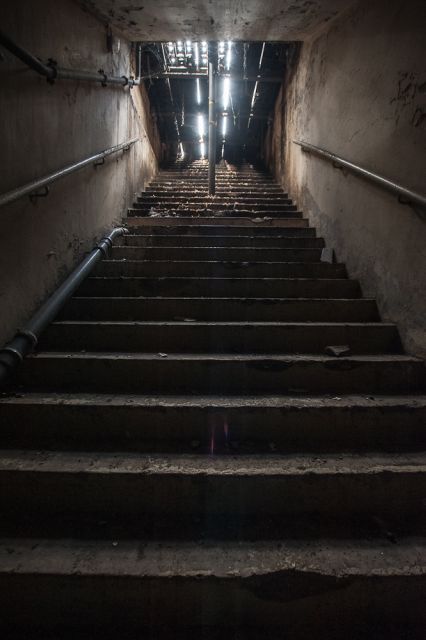
Unterwelten 2 begins with Bremen’s first and only underground street. It was used to supply shops above ground, and for a long time even the Bremen police did not know about it.
That detail gives the opening a slightly secretive quality without turning the tour into a theatrical ghost story. The passage represents a practical side of city life: goods had to move, shops needed supplies, and buildings often had working spaces that ordinary pedestrians never saw.
The route continues toward Central Station, where historic photographs reveal what once stood beneath the green forecourt of the Overseas Museum. You also learn why the Central Station was not destroyed during the Second World War.
The station section is best understood as a lesson in how war changes a city’s buildings and priorities. Photographs help you compare the visible station area with the spaces and structures that existed below or nearby. This is one of the places where the tour’s visual material adds real value.
From the station, you make your way to Bremen’s freight yard. The route then reaches the former banana-ripening halls of the fruit yard. Before the First World War, these facilities allowed Bremen residents to enjoy exotic fruit.
The banana halls bring trade and food history into the tour. Bremen’s past is not only churches, merchants, and wartime shelters. Its railway and freight systems helped bring unfamiliar goods to the city. The halls also show how a place can lose its original purpose while leaving an unusual trace behind.
The final stop is the large ABC Hochbunker on Admiralstraße. You go inside the bunker to learn how air-raid shelters developed through the twentieth century. This gives Unterwelten 2 a strong ending because the earlier stops explain city supply and transport, while the Hochbunker returns to the question of protection and civil defense.
If you prefer infrastructure, freight, and overlooked city spaces, this is likely the more distinctive route. It may also feel less immediately familiar than the cathedral and ramparts route. The trade-off is that its appeal depends heavily on your interest in practical urban history.
Why the bunker visits matter
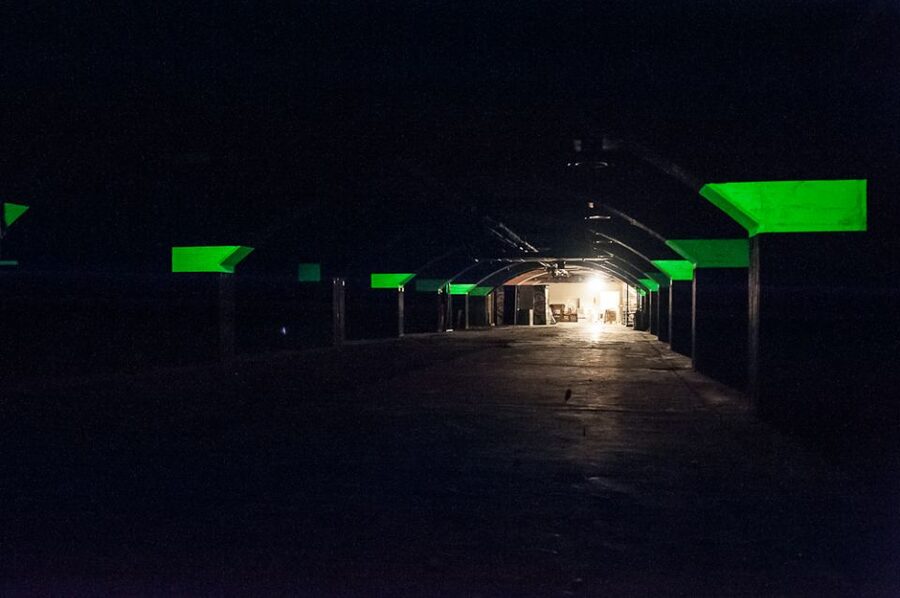
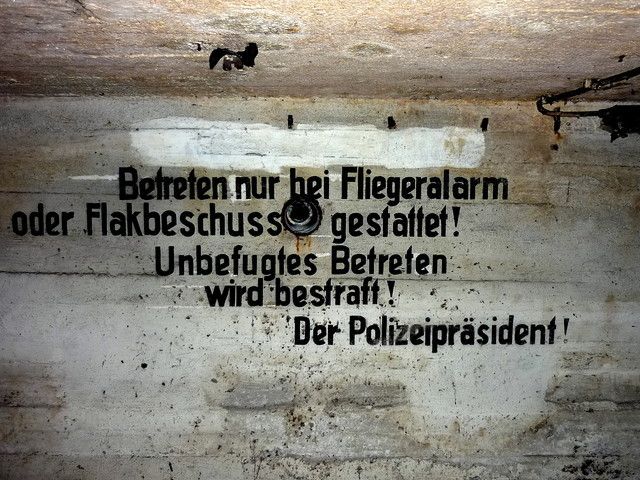
Bunkers can look similar at first glance: thick walls, hard surfaces, limited light, and rooms designed for protection rather than comfort. The guide’s job is to explain what changed over time and why each shelter existed.
The Central Station shelter is especially useful for understanding the shift from Second World War air raids to Cold War planning. It was built in the 1940s and later converted into an ABC bunker. That single building captures two different periods of fear.
The Admiralstraße Hochbunker offers a wider look at the development of shelters during the twentieth century. You are not simply seeing an empty wartime structure. You are tracing how bunker design and purpose changed as threats changed.
Historic photographs make these stops easier to follow. They allow you to see earlier versions of the buildings and surrounding areas. I find that useful because it connects the underground rooms with the streets, stations, churches, and yards you can still recognize above ground.
The tour does not present bunker history as entertainment alone. It also points to the decisions made by a city under pressure. That makes the experience a good choice for anyone interested in Bremen’s wartime past, even if you have already seen the main sights.
A few more cave trips around the world worth a look
- Chichen Itza, Cenote, and Valladolid Tour
★ 5.0 · 24,293 reviews - Chichen Itza, Cenote & Valladolid Tour with Tequila and Lunch
★ 4.5 · 15,789 reviews - Colosseum: Underground and Ancient Rome Tour
★ 4.7 · 12,691 reviews - Edinburgh: Underground Vaults Tour
★ 4.6 · 11,758 reviews
The crypts and the older Bremen beneath your feet
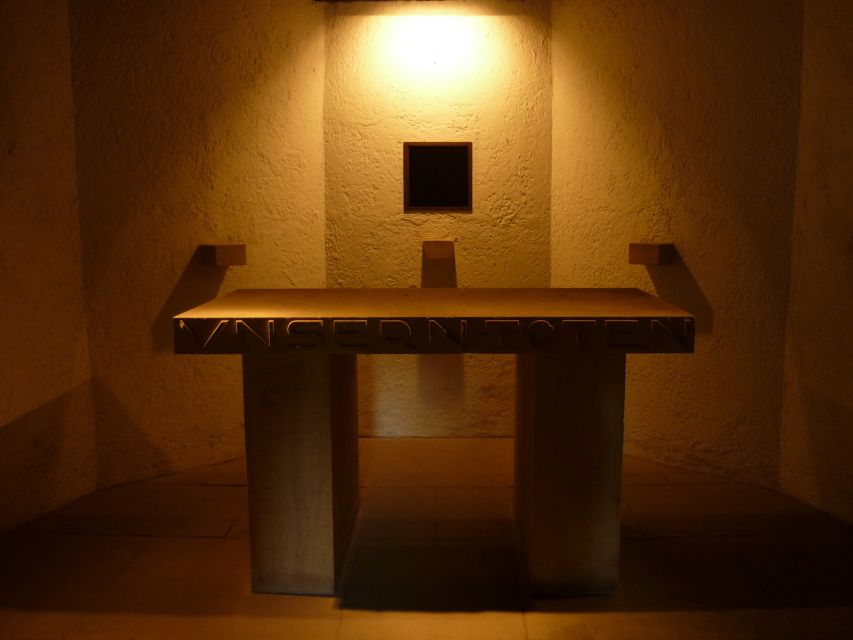
The crypt visits keep the experience from becoming too focused on the twentieth century. On Unterwelten 1, you see a crypt connected with the city’s religious past and another beneath the Church of Our Lady that was used as a medieval tomb.
These spaces are important because they show how underground areas once had a direct role in everyday belief and public life. A crypt was not built for emergency shelter. It served religious and funerary purposes, with a different mood and meaning from the bunkers.
The route also gives you a chance to consider how much of a historic city remains out of sight. Bremen’s central streets may look orderly and open, but underneath them are layers of burial places, protective structures, storage spaces, and service routes.
You should not expect a grand cathedral visit in the usual sightseeing sense. The focus is on the crypt and its use, not on a long tour of the church interior. That is a benefit if you want something specific and unusual, but less so if you are mainly looking for art, architecture, or worship spaces above ground.
A practical look at time, price, and effort
The tour lasts two hours and costs about $18 per person. For that price, you are paying for a guide and access to all the places included in your selected route. The value is strong if the unusual access is your main goal.
You are not paying for transportation, food, or pickup. The experience is a walking tour, so the cost is most worthwhile when you want focused interpretation rather than a broad introduction to Bremen.
Two hours is enough time to visit several locations without turning the outing into a full-day commitment. It also means the pace may be steady. You should arrive ready to move between stops and spend time in enclosed underground spaces.
The tour is conducted in German. If you understand German well, the explanation should be central to the experience. If you do not, the value will depend more on the spaces, photographs, and your ability to follow the guide. The available information does not indicate that tours are offered in other languages.
The tour operator can change the program because of organizational issues. A particular location may not be open shortly before your date, so ask ahead if one site is especially important to you. An alternative is provided when a closure occurs, but you should not assume that every listed stop is guaranteed on every departure.
What the guide adds
This experience depends on the guide more than a standard outdoor sightseeing walk. The rooms themselves are interesting, but the meaning comes from knowing what they were built for, how they changed, and how they fit into Bremen’s past.
Recent departures have been led by guides including Thomas and Peter. Thomas has been singled out for his lively presentation, while Peter has been thanked for an informative tour. Guides can change, so treat those names as examples rather than a promise.
The best part of the guiding is likely to be the connection between the photographs and the buildings in front of you. A bunker becomes more understandable when you can see its earlier appearance. A freight yard becomes more than an industrial location when you learn how it handled imported fruit.
The tour has a serious subject, but it does not need to feel grim from start to finish. The hidden supply street and banana halls add odd, human details to the wartime material. That balance makes the experience more varied than a single-site bunker visit.
Who should book, and who should think twice
I would recommend this tour to repeat visitors who want something beyond Bremen’s main squares and museums. It also suits people interested in military history, Cold War planning, religious buildings, transport systems, and the practical workings of an old city.
It is a good choice for adults and older children who can follow a German-language explanation for two hours. The unusual access gives you something that a normal city walk cannot provide.
Think twice if you have difficulty walking or need a slow, highly accessible route. The tour includes underground entries and movement between locations, and one recent booking specifically warned that it is for people who are good on their feet. The booking information does not provide a detailed accessibility breakdown, so ask the operator before paying if this is a concern.
You should also think twice if you want a tour in English, since the stated language is German. And if you are uncomfortable in enclosed underground spaces, the bunkers and crypts may not be a good match.
Should you book Bremen’s Underground Guided Tour?
Book it if you want to see the parts of Bremen that ordinary sightseeing leaves out. The strongest reason to go is the rare access, especially the ABC bunker beneath Central Station, the Admiralstraße Hochbunker, or the hidden supply route, depending on your choice.
Pick Unterwelten 1 for crypts, church history, ramparts, and the clearest contrast between medieval and modern Bremen. Pick Unterwelten 2 for underground commerce, railway history, banana-ripening halls, and a stronger focus on bunker development.
At $18 for two hours, the price is fair, provided you can walk comfortably and follow German. Confirm the route, meeting point, and any site changes before you go. If those details work for you, this is a thoughtful way to see Bremen from below rather than simply looking at its familiar streets from above.
FAQ
How long does the Bremen Underground Guided Tour last?
The tour lasts two hours.
How much does the tour cost?
The price is $18 per person.
Are there different tour options?
Yes. You can choose between Unterwelten 1 and Unterwelten 2. The routes visit different underground locations.
What language is the tour in?
The tour is conducted in German with a live guide.
What does Unterwelten 1 include?
Unterwelten 1 includes a crypt near the elephant statue, the air-raid shelter beneath Bremen Central Station, Bremen’s ramparts, the Church of Our Lady, and a medieval crypt used as a tomb.
What does Unterwelten 2 include?
Unterwelten 2 includes Bremen’s first and only underground street, historic views connected with the Central Station and Overseas Museum, the freight yard, former banana-ripening halls, and the ABC Hochbunker on Admiralstraße.
Is hotel pickup included?
No. Pickup and drop-off are not included.
Is every listed location guaranteed to be open?
No. The program can change because of organizational constraints or site closures. The operator provides an alternative when a listed location is unavailable.
Is the tour suitable for people with limited mobility?
The available information does not give a detailed accessibility statement. The route involves walking between locations and underground entries, and you should be comfortable walking for two hours. Ask the operator before booking if you have mobility concerns.
Just added around the world
- From Kraków: Wieliczka Salt Mine Guided Tour with Transport★ 4.4 · 417 reviews
- From Krakow: Wieliczka Salt Mine Half-Day Trip with Pickup★ 4.5 · 140 reviews
- From Krakow: Wieliczka Salt Mine Small Group Guided Tour★ 3.8 · 78 reviews
- From Krakow: Wieliczka Salt Mine Guided Tour & Transfer★ 4.9 · 60 reviews
- From Krakow: Wieliczka Salt Mine Tour & Hotel Pickup★ 4.3 · 38 reviews
- From Krakow: Salt Mine Guided Tour with Transfer★ 4.7 · 40 reviews
- From Krakow: Wieliczka Salt Mine Guided Tour★ 4.5 · 115 reviews
- Krakow: Wieliczka Salt Mine Guided Tour★ 4.4 · 247 reviews
Guided, compared.
Naples: Naples Underground Entry Ticket and Guided Tour
Read our review →
Naples: Catacombs of San Gennaro Entry Ticket & Guided Tour
Read our review →
Krakow: Wieliczka Salt Mine Fast-Track Ticket & Guided Tour
Read our review →
Naples: Spanish Quarters Underground Guided Tour
Read our review →
Expert Guided Tour of Colosseum Arena OR Underground, and Forum
Read our review →
Rome: Colosseum Underground Small Group Guided Tour
Read our review →