
REVIEW · TICKETS
Calasparra: Cueva del Puerto Entry Ticket with Guided Tour
Cueva del Puerto takes you 50 meters below the mountains of Calasparra, where a 700-meter route passes stalactites, strange rock shapes, high bridges, and a room filled with luminescent minerals. The cave is estimated to be 15 million years old, but the modern story began with its discovery in 1966.
I like the clear geological explanation and the way the walk mixes calm, atmospheric galleries with bridges suspended 20 meters above the cave floor. I also like the modest $22 price for a guided visit lasting about 90 minutes. The main caution is simple: the tour is in Spanish, and the cave’s enclosed spaces may not suit anyone with claustrophobia.
Key points at a glance
- A 50-meter descent underground: You leave the sunny Murcia countryside behind and enter a cool, humid cave system.
- Bridges 20 meters above the floor: These add a little pulse to an otherwise easy walking tour.
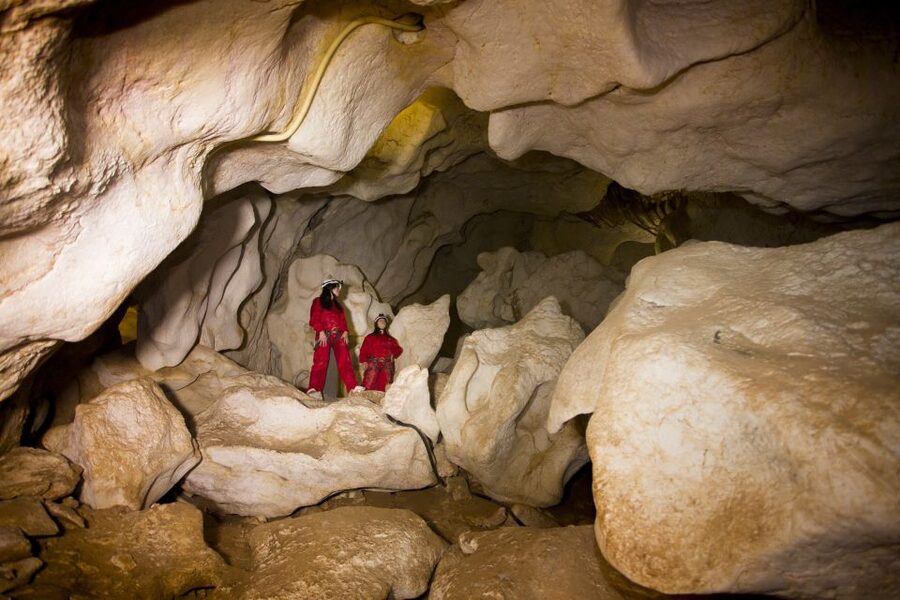
- A 700-meter route through natural galleries: Look for root-like stalactites, popcorn-shaped formations, and ceilings shaped by water.
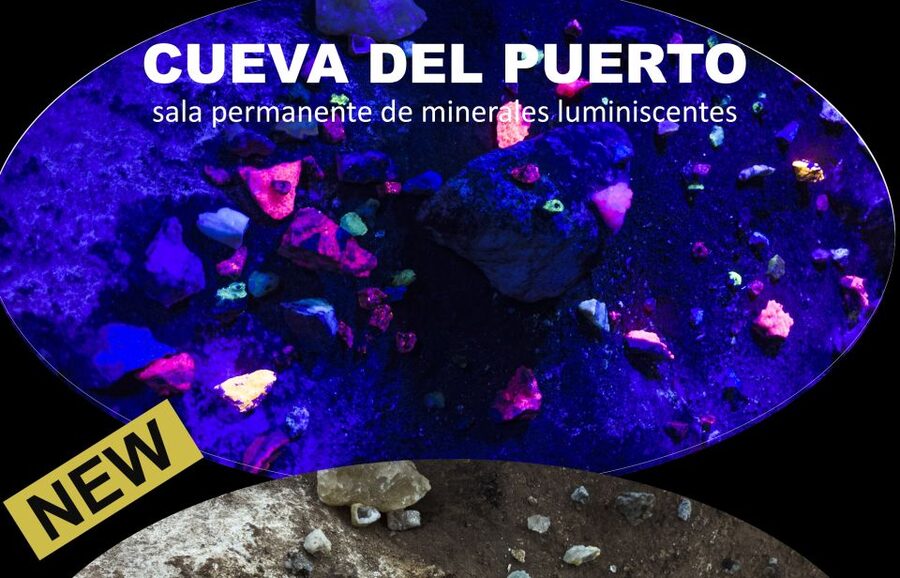
- A room of luminescent minerals: LED lighting brings out unusual colors, shadows, and textures.
- Spanish-speaking guides with a personal touch: Guides including Manolo, Ana, and Mavi have been praised for explaining the cave’s formation clearly.
- A practical visit for curious day-trippers: The ticket includes admission, a walking tour, and a local guide, with free cancellation up to 24 hours ahead.
Entering Cueva del Puerto in the Murcia hills
Your visit begins at the main entrance, where you meet the guide and receive access to the cave. From there, the route takes you down about 50 meters below ground. That change matters. Above ground, Calasparra is a sunny corner of southeastern Spain. Below it, the mood turns quiet, cool, and enclosed.
The cave extends for roughly 700 meters on the visitor route. You will not simply stare at one large chamber and head back out. Instead, you move through a series of galleries, each with different forms on the walls and ceiling.
The cave is estimated to be 15 million years old. That figure is hard to picture, so the guide’s explanation gives it meaning. Water has slowly shaped the rock over immense stretches of time, leaving behind folds, drips, ridges, and rounded forms.
The modern discovery story is more recent. The cave network was discovered in 1966, which adds a human chapter to the geology. You can imagine the first people finding their way through these underground spaces without today’s walkways, bridges, and lighting.
More Entry Tickets in Spain:
- Porto Cristo: Caves of Hams Entry Ticket
★ 4.2 · 6,548 reviews - Madrid: La Cueva de Lola Flamenco Show Tickets with Drink
★ 4.8 · 2,567 reviews - Sacromonte: Flamenco Show at Cuevas Los Tarantos Tickets
★ 4.5 · 2,051 reviews
The 700-meter route and its unusual rock shapes
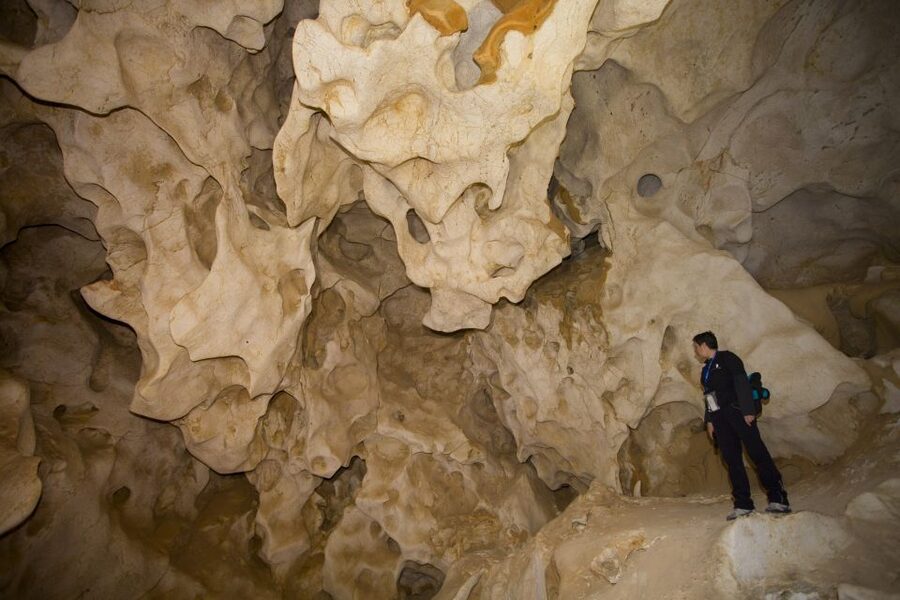
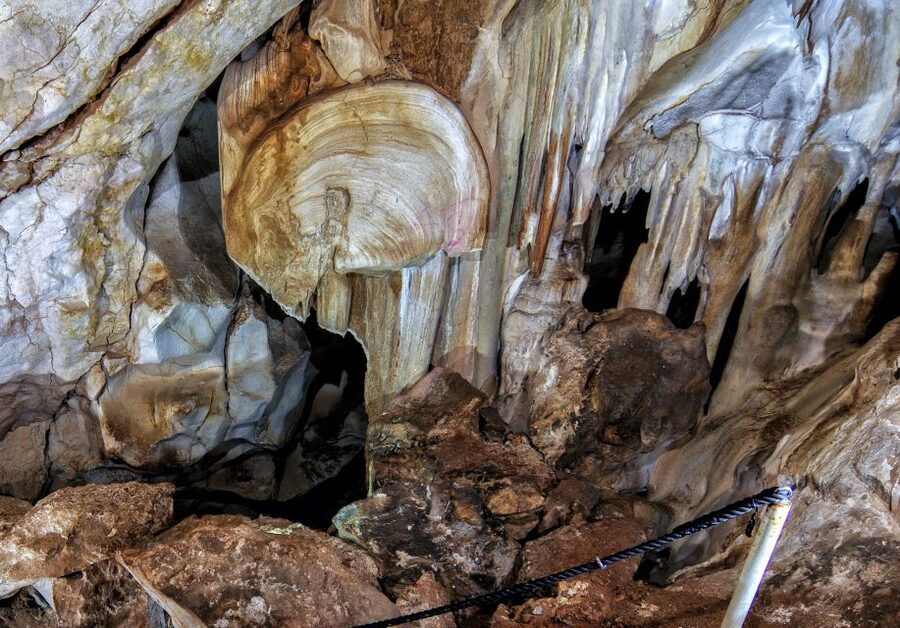
The most enjoyable part of the tour is the steady change in detail. You may first notice large shapes on the ceiling, then smaller formations that reward a closer look. The guide points out stalactites that resemble roots and small formations that look like popcorn.
These comparisons help. Cave formations can blur into a mass of gray and brown rock if you do not know where to look. A good explanation turns the ceiling into a collection of recognizable shapes, all formed by water over thousands of years.
The tour also includes naturally sculpted walls and ceilings. Some forms are delicate and narrow. Others look heavier and more solid. Light and shadow make them shift in appearance as you walk, so the same wall can seem different from one section to the next.
One gallery is named after Antoni Gaudí. The name suggests the strange, sculptural quality of the cave. You are not looking at carved artwork, but at natural forms that can resemble the work of an imaginative architect.
I would give yourself time to look up. The cave floor and the route ahead naturally draw your attention, especially near the bridges. Yet many of the best details are overhead, where water has shaped the ceilings into layered and irregular patterns.
Bridges 20 meters above the cave floor
The bridges are the tour’s biggest physical thrill. Some cross open spaces about 20 meters above the cave floor, giving the visit a touch of Indiana Jones drama without turning it into a demanding adventure activity.
You walk on well-illuminated paths and bridges, so this is not a scramble through loose rock. Still, the height can feel real when you look down into the darker space below. If you dislike heights, take this detail seriously before booking.
For most people, the bridges add just enough excitement. The cave is not only a quiet geology lesson. You get moments when the route opens out and you feel the scale of the underground space.
The lighting also shapes the experience. LED lights cast shadows across the cave walls and bring out the edges of the formations. These lights are useful for seeing the route, but they also create a theatrical effect. You will notice patterns that might disappear in plain darkness.
The route includes a short flight of stairs. That is the only specific stair detail provided, but you should still be comfortable walking through the cave for the full 1.5 hours. Closed-toe shoes are required practical gear, especially on a route that includes stairs and bridges.
The luminescent minerals room
The luminescent minerals room gives the visit a different finish. After seeing formations made by water, you get a more focused display of minerals and light.
The room is worth treating as more than a quick photo stop. It shows how minerals can respond to lighting in ways that make the cave seem almost artificial. The LED effects create bright points, shadows, and unusual textures on the rock.
This part is especially useful if you are visiting with children or anyone who likes visual displays. The larger geological story can be hard to grasp in a dark cavern. The illuminated mineral room provides something immediate and easy to understand.
The lighting does not replace the natural formations. It helps you see them. Keep that distinction in mind, since the strongest part of the visit is still the rock itself, shaped over time by water.
More Guided Tours in Spain:
- From Valencia: Cueva de Sant Josep Boat Tour with Guide
★ 4.6 · 2,319 reviews - Nerja: Caves of Nerja Entry Ticket with Audio Guide
★ 4.6 · 1,616 reviews - Palma: Caves of Genova Ticket & Digital Audio Guide
★ 3.9 · 820 reviews - San Jose Caves Guided Tour from Valencia
★ 4.5 · 732 reviews
What the guide adds to the visit
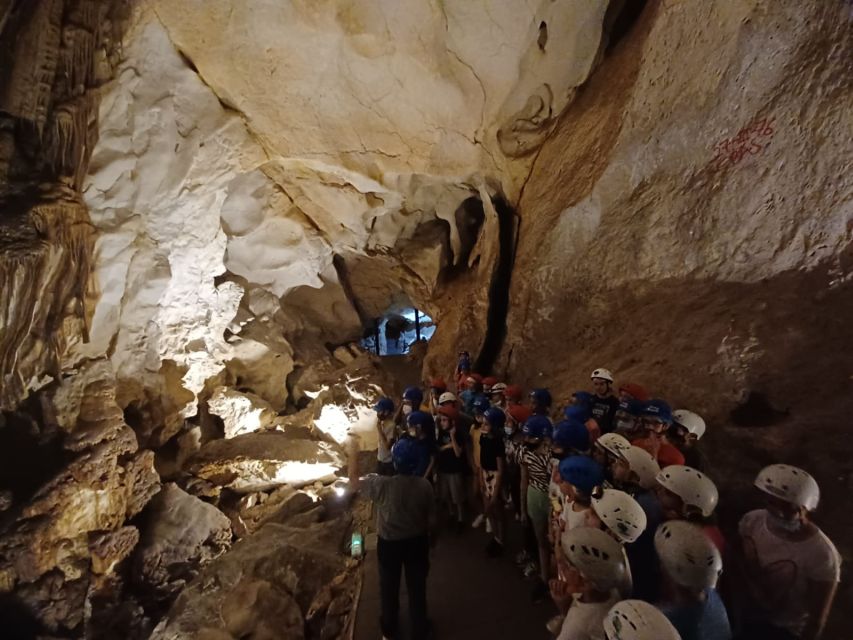
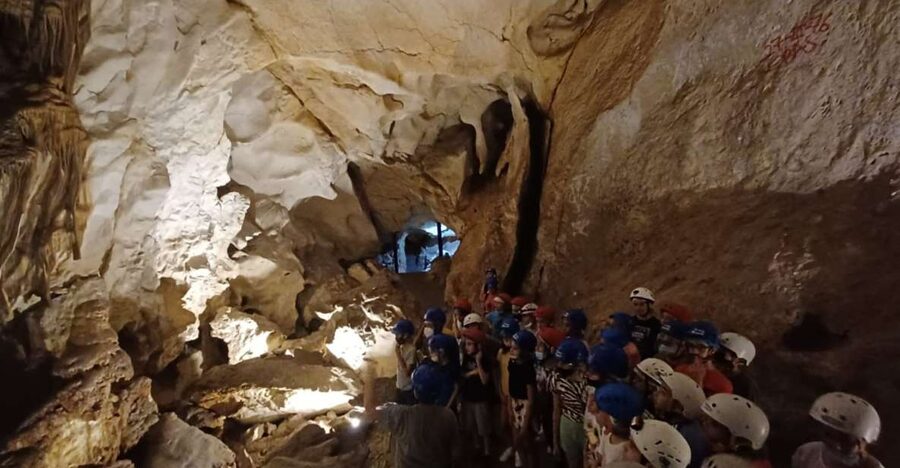
The tour is led in Spanish, and the guide is part of the value. You are not simply given a ticket and sent along a marked path. The guide explains how the galleries formed, why the stalactites and smaller shapes look as they do, and how the cave was discovered.
Names that have come up positively include Manolo, Ana, and Mavi. Manolo has been noted for giving a very complete explanation of the different rooms and the process that formed them. Ana has been singled out for a strong tour, while Mavi has received praise for guiding the visit well.
Because the tour is in Spanish, you should book with realistic expectations about language. If you understand Spanish, the explanations will make the cave much more rewarding. If you do not, you can still see the formations and follow the route, but the geological detail will be harder to absorb.
The guide also helps with orientation. Underground spaces can quickly lose their sense of direction. Having someone point out the galleries, formations, and route ahead makes the visit feel organized rather than confusing.
Temperature, humidity, and what to wear
The standard advice says to bring warm clothing, but conditions inside may feel warmer than expected. One useful warning is that the cave can have a comfortable temperature paired with high humidity, which may make you feel hot during the walk.
I would dress in light layers rather than arriving in heavy winter clothing. A removable layer gives you flexibility. The route lasts about 90 minutes, and humidity can make a coat feel unnecessary once you are moving.
Closed-toe shoes are important. Choose something comfortable and secure for walking, stairs, and bridges. The information does not specify a shoe type beyond closed toes, so there is no need to assume you need hiking boots.
Pets are not allowed. The tour is also not suitable for people with claustrophobia. That is not a minor warning. You spend the visit underground, moving through enclosed galleries, so anyone uneasy in confined spaces should choose an above-ground activity instead.
Is $22 a fair price?
At $22 per person, this is a solid value if you want more than a self-guided look at a cave. The price includes the entry ticket, the walking tour, and a local guide. You are paying for access to the underground route as well as the explanations that make the geology easier to read.
The 1.5-hour duration is another plus. It is long enough to feel like a proper outing, but short enough to fit into a day exploring the Region of Murcia. You get a clear beginning and end without committing most of your day to one attraction.
The value depends partly on your interest in caves. If you enjoy natural formations, geology, and unusual places away from major city sights, $22 is reasonable. If you dislike enclosed spaces or have little interest in rock formations, the same price may feel less worthwhile.
There is also a small practical advantage in being able to reserve now and pay later. You can hold a place without paying immediately, and cancellation is free up to 24 hours before the activity. Check the available starting times before planning the rest of your day.
Who will enjoy this cave tour most?
I would recommend Cueva del Puerto to anyone looking for a quieter, less familiar stop in Murcia. It suits people who enjoy nature sites, underground scenery, and guided explanations rather than a fast photo visit.
Families with older children may also like it. The bridges and mineral room add variety, while the unusual shapes give children something specific to look for. The short stairs and full walking time still mean you should judge the route based on your group’s comfort.
It is a good choice for visitors who speak Spanish or are comfortable following a Spanish-language tour. The guide’s explanations are central to the experience, so language ability affects how much you take away from the visit.
It is a poor match for anyone with claustrophobia, a strong fear of heights, or discomfort with humid conditions. The cave is not presented as a strenuous outdoor expedition, but it is still underground, includes elevated bridges, and requires steady walking.
Practical details before you book
Meet at the main entrance of the cave. The activity lasts about 1.5 hours, and the starting time depends on availability.
The experience includes:
- Entry to Cueva del Puerto
- A walking tour
- A local Spanish-speaking guide
Bring warm layers that you can remove, closed-toe shoes, and a willingness to look both up and down. Avoid bringing pets, since they are not permitted.
The route includes a short flight of stairs. The tour information does not provide details about group size, transportation, parking, or accessibility beyond that stair section, so you should confirm those points directly if they matter to your plans.
Should you book Cueva del Puerto?
Book it if you want a reasonably priced geological outing with a guide, a few genuine thrills, and a setting far from the usual Spanish city sights. The combination of 15-million-year-old rock, root-like stalactites, the Gaudí gallery, high bridges, and the luminescent minerals room gives the 90-minute visit plenty of variety.
I would skip it if enclosed spaces make you anxious, if you strongly dislike heights, or if a Spanish-language explanation will be difficult for you to follow. For everyone else, the tour offers a practical way to see a remarkable cave without giving up half a day or paying a premium price.
FAQ
Where is Cueva del Puerto located?
Cueva del Puerto is in Calasparra, in Spain’s Region of Murcia.
How long does the guided tour last?
The tour lasts about 1.5 hours.
How far underground does the tour go?
The route descends about 50 meters underground.
Is the tour offered in English?
The live guide language is Spanish. The provided information does not list an English tour.
What should I wear to Cueva del Puerto?
Bring warm clothing and closed-toe shoes. Conditions inside can be humid, and one recent practical note indicates that the cave may feel warmer than expected, so light layers are useful.
Are pets allowed, and are there stairs?
Pets are not allowed. The route includes a short flight of stairs.
Just added around Spain
- From Granada: Skip-the-Line Nerja Cave and Frigiliana★ 4.9 · 22 reviews
- Granada: Sacromonte Caves Flamenco Show★ 4.5 · 84 reviews
- From Denia: Boat Trip to Tallada Cave with Optional Swim★ 3.6 · 376 reviews
- Jalon Valley and The Cave of Skulls Tour★ 4.3 · 35 reviews
- Explore Málaga and the Treasure Caves by Electric Car★ 4.9 · 26 reviews
- Estany d’en Mas: Coastal Hike, Abseil & Sea Cave Exploration★ 4.9 · 162 reviews
- Moraig: Kayak Excursion to Moraig & Cave peces-testos★ 4.9 · 148 reviews
- E-Bike Mountain Tour in Natural Park +Option Tapas in a Cave★ 4.7 · 63 reviews
Tickets, compared.
Naples: Naples Underground Entry Ticket and Guided Tour
Read our review →
Krakow: Wieliczka Salt Mine Tour with Entry Ticket
Read our review →
Naples: Catacombs of San Gennaro Entry Ticket & Guided Tour
Read our review →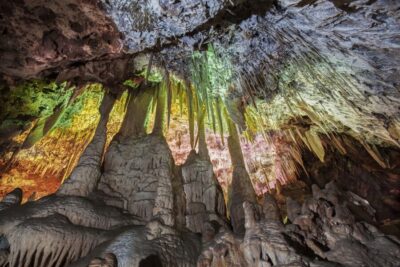
Krakow: Wieliczka Salt Mine Fast-Track Ticket & Guided Tour
Read our review →
From Krakow: Wieliczka Salt Mine Tour & Skip the Line Ticket
Read our review →
Krakow to Wieliczka: Salt Mine Guided Tour with Ticket & Transfer
Read our review →
Rome: Catacombs of St. Callixtus Entry Ticket & Guided Tour
Read our review →Browse the lists this tour appears in