

REVIEW · MUSEUMS
London: Postal Museum Entry Ticket and Underground Rail Ride
London’s Postal Museum hides its best surprise below street level: a 15-minute ride through the old Mail Rail tunnels, where the Post Office once moved letters beneath the city. The ride is short, but the setting is unusual, the commentary adds context, and the tunnel projections help explain how this remarkable railway worked.
I like the hands-on mail-sorting carriage, with its wobbly floor, and the chance to see genuine postal objects such as the Penny Black and old flintlock pistols. The main drawback is time. The advertised visit lasts 1.5 hours, but you may need two to three hours if you want to read the displays and let children try the activities without rushing.
Key points to know before you go

- The underground Mail Rail ride is the main event: Expect about 15 minutes in a miniature train beneath the museum.
- The Penny Black puts postal change in context: You can see the world’s first postage stamp among displays covering more than 500 years.
- The museum is built for participation: Try mail sorting, design a stamp, explore educational games, and handle interactive displays.
- The ride may feel tight: The train is not a good fit for anyone who dislikes enclosed spaces, and very tall people may find the carriage cramped.
- The museum suits families best: Adults get plenty of postal history, while children have games, dressing-up activities, and hands-on challenges.
- The $24 price can be good value: It is fair for the rail ride plus museum admission, especially if you stay for several hours.
Why the Mail Rail is worth making time for
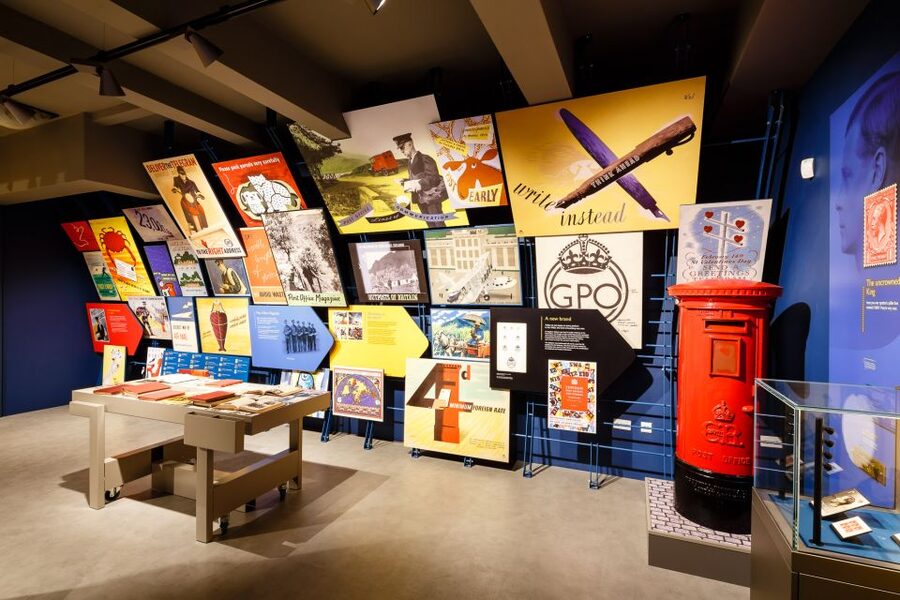
The Postal Museum tells the story of a service most people use without thinking about. A letter seems simple: write an address, add a stamp, and put it in a box. Behind that small act sits a huge system of sorting offices, delivery routes, workers, vehicles, boxes, telephones, and underground transport.
The museum gives that system a physical setting. Instead of looking only at panels, you can board a small train and travel through the tunnels used by the Post Office’s own railway. The ride makes the subject easier to understand because you see the confined spaces where mail once moved under London.
The Mail Rail opened more than 100 years ago and operated for decades. The museum uses recorded commentary, projected film, and wall displays during the ride. That presentation keeps the short journey from feeling like a simple loop through a dark tunnel.
I would treat the train as the centerpiece, not the entire visit. At around 10 to 15 minutes, it is over quickly. The railway is fascinating enough that you may wish it lasted longer, but the museum galleries provide the extra material that gives the ride meaning.
More Museum Visits in the UK:
- Krakow: Rynek Underground Museum Guided Tour
★ 4.6 · 1,122 reviews - Coba Multun-Ha Cenote Tulum and Mayan Museum Small Group
★ 4.5 · 773 reviews - Sacromonte Caves Museum Admission Ticket
★ 4.6 · 502 reviews
Entering the Postal Museum and planning your time
Your visit starts at the Postal Museum. The entry ticket includes the museum, while the underground railway forms part of the main attraction experience. Check the available starting times when booking, since the activity has a set duration and the rail portion is not something you should casually squeeze in at the end.
The listed duration is 1.5 hours. That works if you focus on the highlights, take the train, and move through the galleries at a steady pace. I would allow closer to two hours for a relaxed visit, and around three hours if you have children who want to try most of the activities.
One useful detail is that the museum ticket has been described as valid for a year after the visit in one recent experience. Check the conditions attached to your booking, but this may help if you cannot see everything in one afternoon. The museum has enough material that a second visit could make sense for families.
The venue is wheelchair accessible. A family-friendly café provides a place to stop for tea, coffee, snacks, and refreshments. Keep your café expectations modest: it is a useful break during the visit rather than a reason to come here.
Riding the Mail Rail beneath London
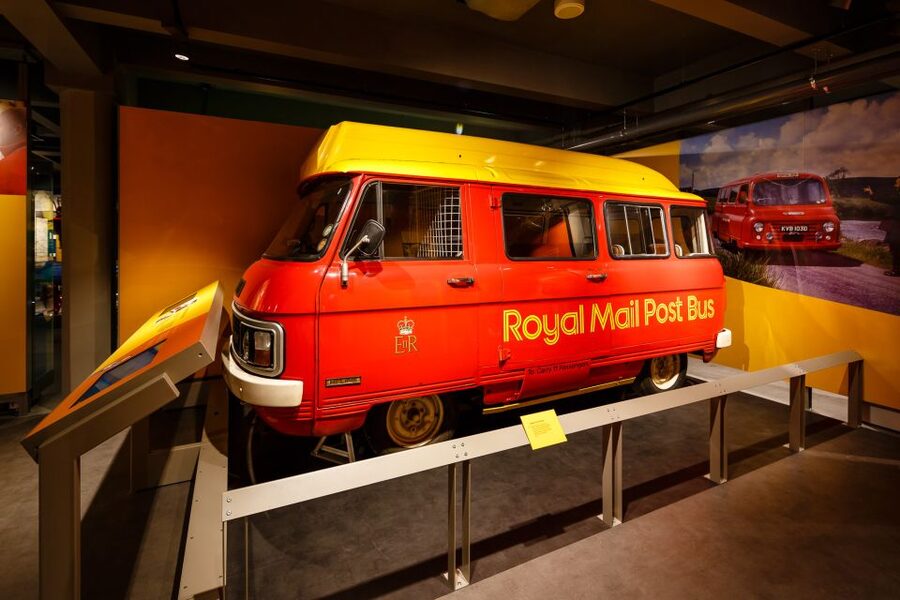
The train ride takes you into the Post Office’s former underground railway. You board a miniature rail car and enter the long-hidden tunnels below the city. The small scale is part of the appeal, but it is also the one part of the experience that may trouble some people.
The carriages are compact. If you are very tall or uncomfortable in enclosed spaces, you may find the ride less relaxing than the average passenger. One section includes a blackout effect, which may feel startling to young children. The ride is not presented as a thrill attraction, but the darkness and narrow tunnels give it a genuine sense of place.
The storytelling is handled through commentary and projected scenes. One especially effective feature uses a timeline on the wall to explain the development of the postal service. Videos and audio from a former employee help connect the machinery to the people who worked in the system.
You will also see how the train was used to move mail efficiently beneath crowded London streets. That practical purpose is what makes the ride more than a novelty. The railway was not designed for sightseeing. It was working infrastructure, built to move post through the city without relying on surface roads.
Do not expect a long scenic railway journey. There are no broad views, and the train ride lasts only about 15 minutes. The attraction comes from the setting, the story, and the feeling of using a transport system that was hidden from ordinary London life.
Staff organize the ride carefully. You may need to leave bags before boarding, but the train carriages have separate lockers that staff lock and open when you return. That arrangement is useful in a tight carriage and removes the need to carry a large bag into the tunnels.
The Penny Black and the story of ordinary mail
Back in the museum, look for the Penny Black, widely recognized as the world’s first postage stamp. It is a small object with a large effect. Before standardized postage, the cost and complexity of sending a letter could limit who used the service. A simple stamp helped make regular mail more practical.
The museum uses the stamp as part of a wider story about communication. You will see how postal services developed over more than 500 years, including changes in delivery methods, sorting, boxes, and public communication.
The displays also cover familiar objects that can seem ordinary today. Post boxes and telephone boxes receive attention, and the museum shows how their design and use changed over time. This is useful context if you are interested in London’s streets, since these objects were once as familiar as bus stops.
I particularly like the way the museum connects national systems with individual workers. A story about a mail stagecoach horse being attacked by a lioness is the kind of odd detail that makes the past feel less tidy and predictable. The displays are not only about dates and inventions. They also show the risks, routines, and strange incidents attached to moving mail.
More Entry Tickets in the UK:
- Naples: Naples Underground Entry Ticket and Guided Tour
★ 4.4 · 21,781 reviews - Krakow: Wieliczka Salt Mine Tour with Entry Ticket
★ 4.6 · 10,927 reviews - Naples: Catacombs of San Gennaro Entry Ticket & Guided Tour
★ 4.6 · 7,941 reviews - Porto Cristo: Caves of Hams Entry Ticket
★ 4.2 · 6,548 reviews
Sorting letters on a carriage with a wobbly floor
The hands-on mail-sorting exhibit is one of the best parts of the museum. You can try sorting mail inside a mock-up train carriage while standing on a moving or wobbly floor. The activity shows why train letter sorters needed skill, balance, and concentration.
This is where the museum makes a technical subject easy to grasp. Reading about sorting is one thing. Trying to organize letters while the floor moves gives you a small sense of the physical work involved.
Children usually get the clearest benefit from this display, but I would not skip it as an adult. It is funny, a little awkward, and useful. You quickly see that the job involved more than pushing bags from one place to another.
Other activities include educational games and opportunities to design a stamp. Dressing-up areas add another layer for younger children. The interactive features are a strong reason to choose this museum over a quieter collection of glass cases.
The tradeoff is noise and crowding. On busy weekends, young children may gather around the most popular activities. If you want to read every panel or spend time at each station, try to move through the galleries patiently and allow extra time.
Flintlock pistols and the risks of carrying mail
Among the more surprising objects are the flintlock pistols used to protect mail from theft. They help correct the idea that postal work was always a safe, routine service.
Mail coaches and delivery routes carried valuable letters, parcels, and money. Defending them could be part of the job. The pistols offer a clear reminder that communication networks depended on security as well as transport and sorting.
These objects also work well for children because they provide a dramatic entry point into the subject. You can talk about why a mail carrier might have needed protection, then connect that problem to the larger systems shown elsewhere in the museum.
The museum includes old films, equipment, and stories from postal workers. Taken together, these details show the human side of the service. You are not only looking at a stamp or a box. You are seeing the work behind the act of sending a message.
A Victorian miniature rail car and other unusual displays

The museum displays a miniature Victorian rail car that once operated on London’s streets. It gives you a sense of how postal transport changed before the underground railway took over more of the work.
The rail car is especially useful when seen alongside the Mail Rail ride. One display shows the scale and character of earlier transport, while the ride lets you experience a later underground solution. The contrast helps you follow the move from surface vehicles to specialized tunnels.
The galleries are not huge, and the number of objects may feel limited if you expect a large national museum. What they do well is place objects in an understandable sequence. You can follow postal communication from early systems through stamps, boxes, sorting, transport, and modern research.
I would not come here expecting a grand museum of transport. The appeal is narrower and more personal. If you enjoy everyday technology, old workplaces, communication, and London infrastructure, the collection offers plenty to think about. If you want famous paintings or major architectural rooms, choose another attraction.
How the visit works for families
The Postal Museum is particularly well suited to families with children who like to touch, test, and play. The sorting activity, stamp design, dressing-up options, games, and train ride give children different ways to stay involved.
The museum also helps adults explain change across generations. You may find yourself describing rotary telephones, older mail systems, or the way letters were sorted before digital communication. That can turn a simple outing into a useful conversation about how quickly communication has changed.
The underground ride is short enough for most children, but the blackout section may frighten some younger visitors. Prepare them for darkness before boarding. If your child dislikes small spaces, the gallery activities may be more comfortable than the train.
A separate Sorted! Postal Play Space is bookable through the Postal Museum website for children aged 8, according to the supplied information. It is not included automatically with the main entry, so check the separate booking details if that activity interests your family.
Adults without children can still enjoy the museum, especially the Mail Rail, the Penny Black, the postal security displays, and the historical films. The tone is family-friendly, but the subject itself is not childish.
Price, value, and how long to stay
At about $24 per person, the experience offers reasonable value if you use both parts of the visit. The Mail Rail ride alone is brief, so I would not judge the price on the train journey only. The ticket makes more sense when you include the galleries, interactive stations, historical objects, and café stop.
You may find the value weaker if you rush through the museum or have no interest in postal history. The attraction is specialized. It rewards curiosity about how cities work, rather than offering a broad selection of London sights.
Several hours can pass easily if you read the stories and let children repeat the activities. One family spent around three hours and considered the visit good value. Another visitor felt the museum needed that extra time because there was too much to see in a quick visit.
Free cancellation up to 24 hours before the experience and reserve-now, pay-later booking make it easier to fit into a changing London schedule. Those terms can matter when you are arranging several timed attractions in one day.
Practical tips for a smoother visit
Arrive with enough time to get oriented before the train portion. The railway is the part with the greatest physical limitations, so deal with bags and personal belongings before boarding.
Wear sensible clothing and avoid bringing a large bag if you can. The lockers help, but less luggage means less fuss in a compact carriage.
Plan the museum around your group’s interests. Adults may want the Penny Black, postal boxes, telephone boxes, pistols, films, and worker stories. Children may head straight for the mail sorting, stamp design, games, dressing-up, and train.
If you want a quiet look at the displays, a busy weekend may not be ideal. The interactive sections can become crowded, and small children may take over popular stations. A longer visit gives you a better chance to return to anything you miss.
Leave time for the café, but do not make it the center of your plan. It is handy for a drink and snack, particularly during a family outing. Clean-up can lag during busy periods, so take a quick look for a tidy table before settling in.
Who should book the Postal Museum?
I would book this experience if you want something different from London’s major art galleries and royal sights. It is a good choice for families, postal enthusiasts, people interested in engineering, and anyone curious about the hidden systems beneath a city.
I would also recommend it to adults who like unusual museums. The Mail Rail ride is a memorable way to see an overlooked part of London, and the displays provide enough context to make the railway worthwhile.
I would hesitate if you dislike enclosed spaces, are very tall, or want a long train journey. The ride is short, and the museum is family-oriented. You will get more from the visit if you are willing to play with the exhibits rather than simply walk past them.
For most people, the best plan is to allow two to three hours, ride the Mail Rail, then spend time with the hands-on displays and historical objects. At $24, that is a fair London outing, especially when several people in your group can find something to enjoy.
FAQ
Where does the experience begin?
The experience begins at the Postal Museum in London.
What does the ticket include?
The ticket includes entry to the Postal Museum. The visit includes access to the museum galleries and the underground Mail Rail experience described in the activity.
How long does the visit last?
The listed duration is 1.5 hours. You may need longer if you want to read the exhibits and try the interactive activities.
How long is the underground train ride?
The Mail Rail ride lasts about 15 minutes.
What is the Mail Rail?
Mail Rail is the Post Office’s former underground railway, dating back more than 100 years. The ride takes you through its long-hidden tunnels in a miniature train.
Can I see the Penny Black?
Yes. The museum displays the Penny Black, described as the world’s first postage stamp.
Is the museum suitable for children?
Yes. It includes educational games, mail-sorting activities, stamp design, dressing-up opportunities, and other interactive displays. A separate Sorted! Postal Play Space is bookable for children aged 8.
Is the Postal Museum wheelchair accessible?
Yes. The activity is listed as wheelchair accessible.
Is food available at the museum?
Yes. The museum has a family-friendly café serving snacks and refreshments.
Can I cancel my booking?
You can cancel up to 24 hours in advance for a full refund. The activity also offers a reserve-now, pay-later option.
Just added around the UK
- 90min Underground Whisky Tasting in Edinburgh’s Old Town★ 5.0 · 350 reviews
- Edinburgh: Witches & Haunted History Walking Tour★ 5.0 · 632 reviews
- Underground City of the Dead Tour★ 4.5 · 272 reviews
- Evolution of Gin and Underground Gin Tasting in Edinburgh | 1hr★ 5.0 · 59 reviews
- Old Town Historical and Underground Tour★ 5.0 · 1,574 reviews
- Small Group Ghost Tour incl. Underground Vaults & free drink in Megget’s Cellar★ 5.0 · 608 reviews
- Extreme Paranormal Underground Ghost Tour in Edinburgh★ 4.5 · 1,587 reviews
- City of the Dead Underground Vaults (Day)★ 4.5 · 113 reviews
Museums, compared.


Coba Multun-Ha Cenote Tulum and Mayan Museum Small Group
Read our review →

From Sofia: Rila Monastery and Optional Museum, Cave or Spa
Read our review →
Beatenberg: Beatus Caves Entry Ticket with Museum
Read our review →
Granada: Albaicín, Sacromonte & Museum of Caves Walking Tour
Read our review →
Cave Museum Village Troglodyte of Rochemenier Admission Ticket
Read our review →
Krakow: Rynek Underground Museum Skip-the-line Guided Tour
Read our review →Browse the lists this tour appears in