
REVIEW · CATACOMBS & UNDERGROUND CITY
Toledo: Ancient Underground City Tour in Spanish
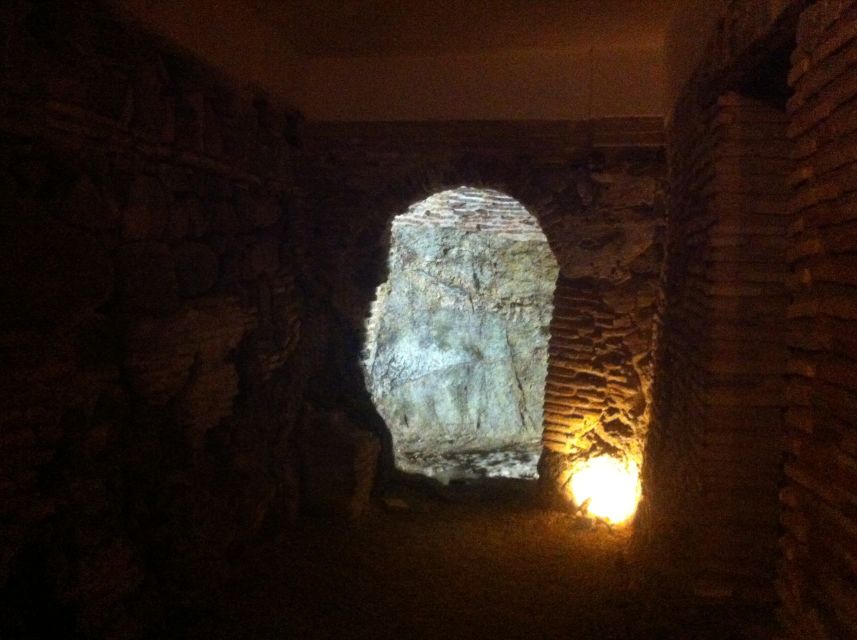
Toledo’s most curious stories are often below street level. On this two-hour walk, you visit five underground places, including Roman baths, an 11th-century Arab hammam, a former mosque well, and the House of the Jew. The city’s rock-cut spaces once held water, offered shelter, and connected important buildings.
I like the clear focus on three cultural influences, Roman, Jewish, and Muslim. I also like that the guide adds legends and small historical details instead of simply pointing at old stone. The main drawback is that this is a Spanish-only tour, and the uneven underground settings are not suitable for people with mobility impairments.
Key points at a glance
- Five underground sites in two hours: The route includes Roman baths, Arab baths, Salvador’s Well, the Church of the Savior, and the House of the Jew.
- Three cultures in one compact route: The tour connects Toledo’s Roman, Muslim, and Jewish past.
- A Spanish-speaking specialist guide: Ruth has been praised for explaining clearly and adding anecdotes that extend the visit beyond the physical sites.
- A close look at ancient water systems: Wells, baths, and excavated rock show how people managed daily life below the city.
- Good value at $15: Entry fees and the guide are included, making this a low-cost way to see places you could easily miss on your own.
- Bring practical footwear: Comfortable shoes matter, and video recording is not allowed.
Why Toledo’s underground matters
Toledo is famous for its churches, walls, and hilltop views, but the city’s lower levels tell a different story. For centuries, people cut into the rock to store water, create baths, make shelter, and form tunnels or passageways. Those practical spaces later gathered legends around them.
That mix of fact and folklore gives the tour its character. Some old stories may preserve a memory of real events. Others may have grown because people wanted an explanation for a dark passage, a well, or a room whose original use had been forgotten. A good guide helps you separate the two without taking the fun out of either.
I like this approach because it makes Toledo feel less like a collection of grand monuments and more like a working city shaped from below. The tour is not just about looking at old stone. It is about asking why someone carved that space in the first place, who used it, and how later communities adapted it.
The route also brings together three cultural periods that shaped Toledo: Roman, Muslim, and Jewish. You are not getting a full course in the city’s history, but you do get a compact way to see how different communities used and reused the same urban fabric.
More Catacombs and Underground City Tours in Spain:
- Naples: Catacombs of San Gennaro Entry Ticket & Guided Tour
★ 4.6 · 7,941 reviews - Rome: Capuchin Crypts and Catacombs Tour with Transfers
★ 4.6 · 6,456 reviews - The Original Roman Crypts and Catacombs Tour with Transfers
★ 4.5 · 4,896 reviews
Starting at Secretos de Toledo
The meeting point is inside the hall at number 7. Walk to the end, then look for the office of Secretos de Toledo on the right. This is worth noting because the tour does not begin at a major plaza or a large museum entrance.
Arrive with enough time to find the office without rushing. The experience lasts about two hours, and the time is spent moving between sites rather than settling into one building for a long lecture. Comfortable shoes are the sensible choice.
The tour includes admission to the sites and a Spanish-speaking guide who specializes in Toledo’s history. Food and drinks are not included, so plan those separately before or after the walk.
Because the tour is conducted only in Spanish, your enjoyment depends on your ability to follow spoken Spanish in historical explanations. If you understand Spanish well, this format gives the guide room to explain small details and local stories naturally. If you do not, you may miss much of the value, since the historical commentary is central to the experience.
The Cenizal baths and Toledo’s Muslim past
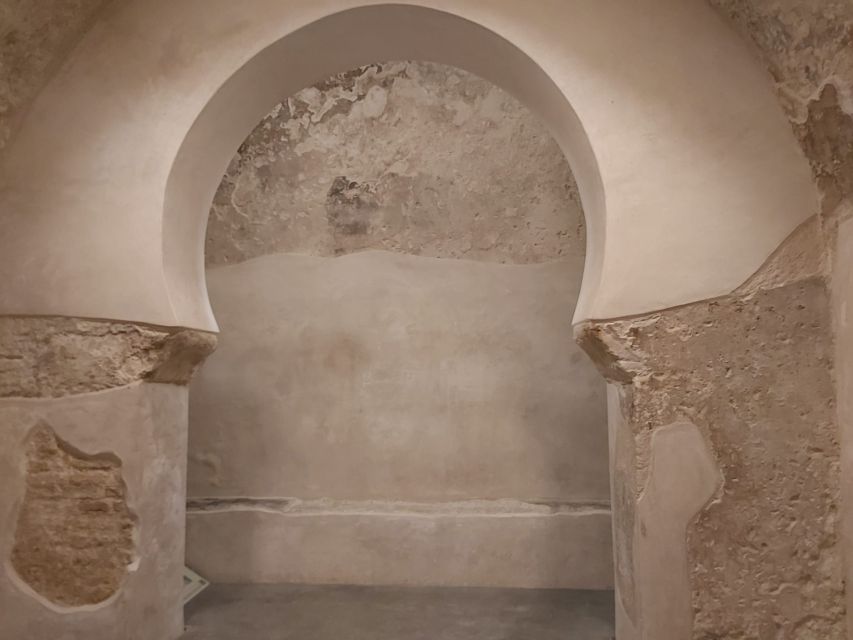
One of the strongest stops is the Bath Cenizal, an old hammam from the 11th century. The site gives you a direct look at how bathing worked in Muslim Toledo and how architecture was shaped around heat, water, and movement.
Your guide explains the architectural details and the reasons the baths were built and used. That context matters. Without it, an underground room can look like a plain chamber with worn walls. With an explanation of its purpose, you begin to see the space as part of a social and practical system.
The hammam also helps correct a common mistake in the way visitors view old buildings. A bath was not simply a private washroom. It was part of urban life, connected to routine, hygiene, and social contact. The underground setting makes the stop feel especially atmospheric, but the explanation of how it functioned is more valuable than atmosphere alone.
The exact conditions below ground can make the visit less comfortable for anyone with limited mobility. The tour information specifically says it is not suitable for people with mobility impairments, so take that seriously rather than treating it as a minor note.
The Roman baths and the city before Toledo’s medieval layers
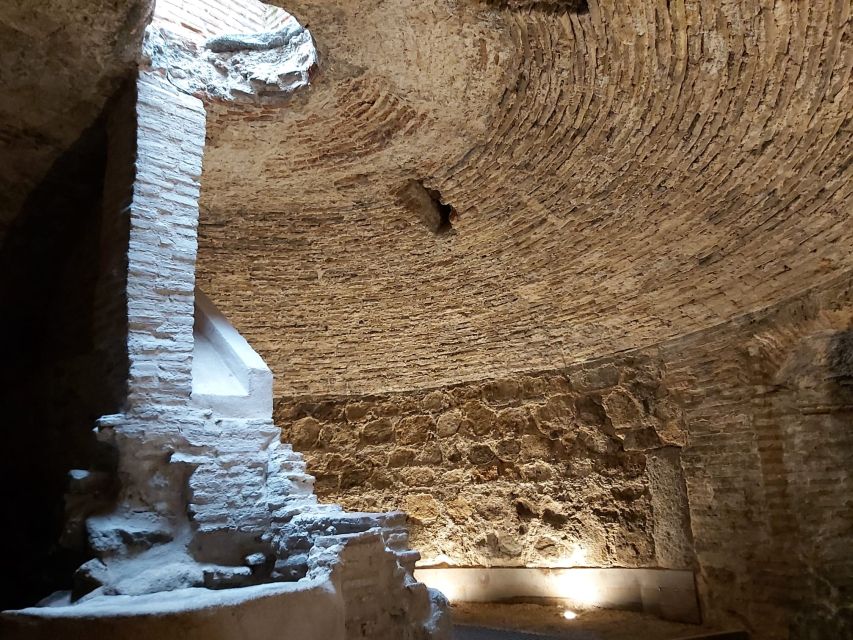
The old Nuncio Roman baths show an earlier chapter of the city. These baths were a social space in Roman Toledo, and the tour explains how Roman builders created them and how later people reused the site.
That idea of reuse is one of the most useful themes in the experience. Toledo was not rebuilt from scratch every few centuries. Later communities often worked around, over, or inside what was already there. A Roman structure could gain a new purpose, then become part of a medieval building or local story.
The stop is valuable because it puts the Muslim hammam into a wider timeline. You can compare two bathing traditions from different periods and think about how the city’s needs changed while some basic needs remained constant.
Do not expect a large Roman complex with every feature clearly visible. Underground remains are often compact, partial, and shaped by later construction. The reward comes from understanding what the surviving space represents, not from expecting a perfectly preserved monument.
A few more cave trips around Spain worth a look
- Porto Cristo: Caves of Hams Entry Ticket
★ 4.2 · 6,548 reviews - Mallorca: Caves of Drach Day Trip & Optional Caves of Hams
★ 4.3 · 2,720 reviews - Madrid: La Cueva de Lola Flamenco Show Tickets with Drink
★ 4.8 · 2,567 reviews - Lanzarote: Timanfaya Park, Jameos Agua, & Cueva Verdes Tour
★ 4.5 · 2,393 reviews
Salvador’s Well and the memory of a mosque
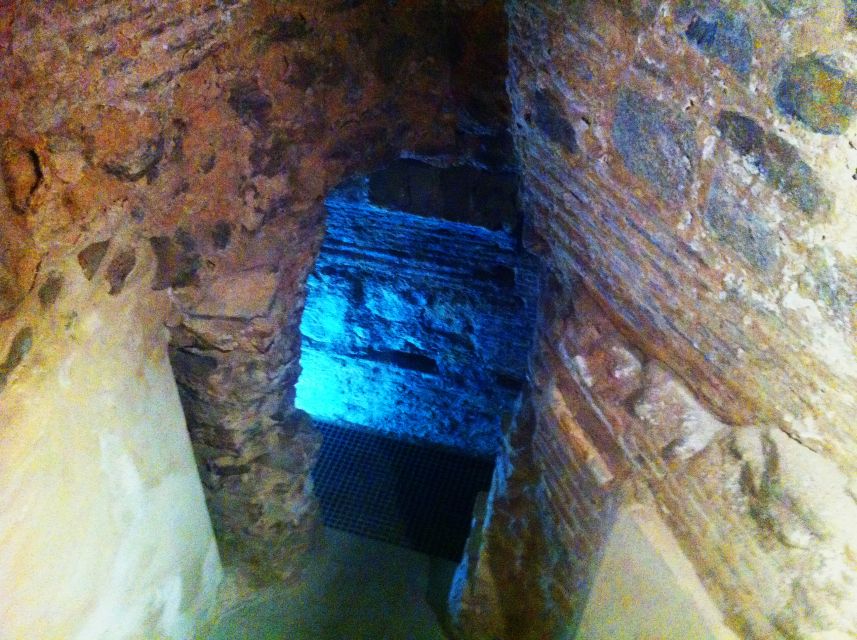
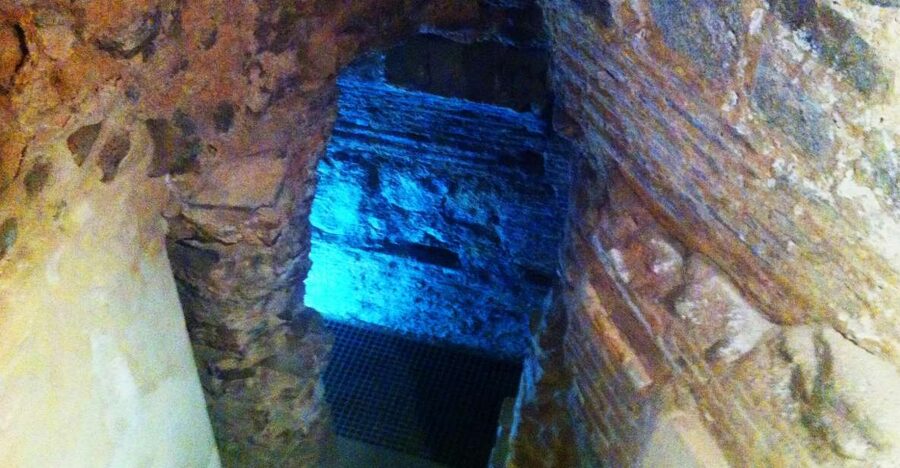
Salvador’s Well dates from the 11th century and once belonged to a mosque. It is a small feature with a large historical role. A well tells you about water supply, religious buildings, and the daily work needed to support an urban community.
This is the kind of stop that can be easy to overlook during a regular sightseeing walk. You might pass near it without understanding what lies below or why it matters. Here, the guide connects the well to the mosque that once used it and to the wider Muslim period in Toledo.
The well also reinforces the practical side of underground Toledo. Not every underground space was made for ceremony or mystery. Some were built because water had to be collected, stored, and reached in a dense city.
From there, the route continues to the Church of the Savior. The connection between the well and the church helps you see how buildings can change function as political and religious control shifts. The tour uses these sites to show a city that was repeatedly adapted rather than simply replaced.
The Church of the Savior and the House of the Jew
The Church of the Savior is another important part of the route. The tour’s focus remains on its underground and historical connections, rather than treating it as an isolated church visit. This helps place the building within Toledo’s larger pattern of overlapping cultures and reused spaces.
The final named stop is the House of the Jew. Its place on the route adds a Jewish connection to the Roman and Muslim sites already visited. Together, the stops create a compact view of Toledo as a city shaped by several communities, not a place that can be explained through one period alone.
The name itself is likely to raise questions, and that is where the guide’s role becomes important. The experience promises curiosities and legends, along with historical information. You should expect stories that help explain why these places have remained memorable, while also remembering that legend and documented history are not always the same thing.
That balance is a strength when handled carefully. Toledo has centuries of stories attached to its wells, tunnels, baths, and houses. A guide who gives you both the tale and the historical setting makes the city more interesting without asking you to accept every old story as proven fact.
A guide-led experience with room for stories
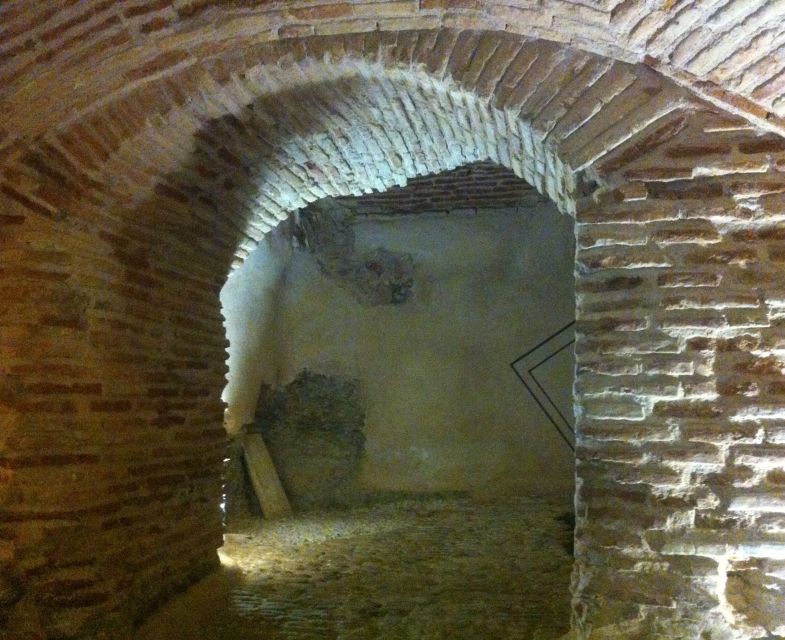
This tour depends heavily on the guide. The underground places are worthwhile, but they are not self-explanatory. Their scale, age, and reused architecture make interpretation essential.
Recent feedback specifically praised Ruth for leading a tour of more than two hours and adding history and anecdotes at the monuments and underground sites. Another assessment highlighted a guide who was approachable, clear, and keen to make sure the group understood everything. Those details point to the best version of this experience: a guide who explains rather than rushes.
The stated duration is two hours, but the tour may run a little longer. That can be a benefit if you appreciate detail, though it matters if you have another fixed booking immediately afterward. Give yourself some extra time rather than scheduling a train, meal, or major timed entry right after the tour.
The pace should also suit people who prefer a focused walking experience. You move from one location to another, listen to explanations, and inspect the spaces along the way. This is not a theatrical performance or a broad city tour. It is a history walk built around a small set of unusual sites.
Is $15 a fair price?
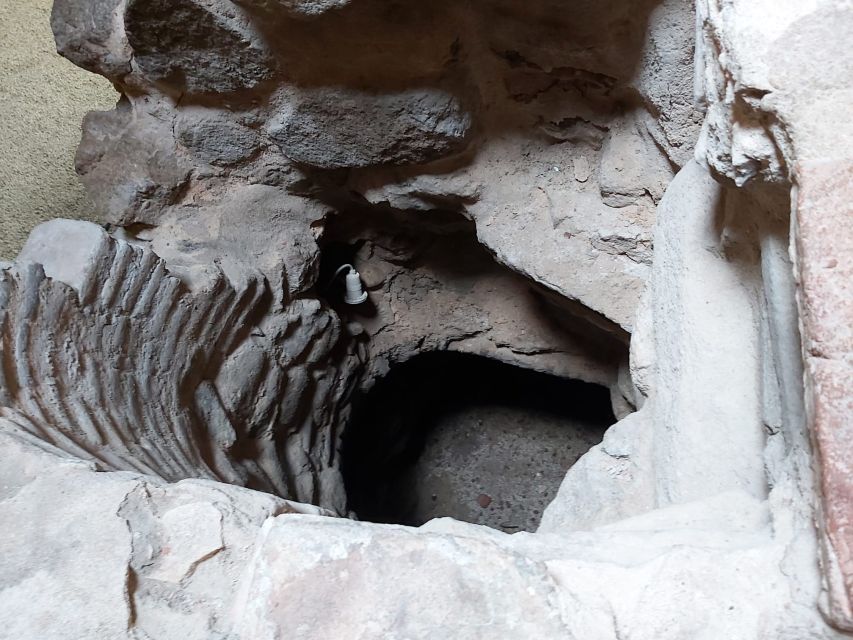
At $15 per person, the tour offers good value if you want guided access to places that are easy to miss. Entry to the sites is included, as is a specialist Spanish-speaking guide. You are paying less for a large monument and more for access, interpretation, and a route that links several small locations into one story.
The value is strongest for visitors who would otherwise walk past a well, bath, or underground chamber without knowing its purpose. A self-guided visit could show you some of the same walls, but it would be much harder to understand how Roman, Muslim, Jewish, and later Christian uses fit together.
The price is less compelling if you cannot follow Spanish or if underground spaces are uncomfortable for you. In that case, the guide’s main benefit is reduced, and the physical setting may make the two hours tiring.
Free cancellation up to 24 hours before the start gives you some flexibility. You can also reserve now and pay later, which helps if you are arranging several parts of a Toledo visit at once.
Who should book this Toledo tour?
I would recommend this tour to anyone who has already seen Toledo’s main surface sights and wants a different view of the city. It also works well early in a visit because it gives you useful context for noticing wells, reused walls, baths, and layered buildings during later walks.
Spanish-speaking history fans are the best match. You will get the most from the guide’s explanations, local stories, and architectural details. The tour also suits visitors who prefer small, specific historical sites over a long list of famous landmarks.
You should think twice if you have mobility limitations. The tour takes place in underground locations, and the activity is explicitly not suitable for people with mobility impairments. Wear comfortable shoes, and remember that video recording is not permitted.
Should you book it?
Book this experience if you want to see the less obvious side of Toledo and can follow Spanish comfortably. The five stops give you a useful cross-section of Roman, Muslim, Jewish, and Christian layers, while the $15 price keeps the commitment low.
I would skip it if you want a broad tour in English, a fully accessible route, or a major monument with grand interiors. For the right visitor, though, the old baths, mosque well, reused structures, and guide-led stories offer a sharp reminder that Toledo’s past is not only on its hilltop streets. Much of it is under your feet.
FAQ
How long does the Toledo underground tour last?
The scheduled duration is two hours. One recent tour led by Ruth lasted more than two hours, so leave a little extra time before your next fixed activity.
What language is the tour conducted in?
The tour is conducted in Spanish with a live Spanish-speaking guide specialized in Toledo’s history.
Which underground sites are included?
The route includes the Bath Cenizal, an 11th-century Arab hammam, the old Nuncio Roman baths, Salvador’s Well, the Church of the Savior, and the House of the Jew. The experience describes these as five underground locations.
Is admission included?
Yes. Entry to the sites and the Spanish-speaking guide are included. Food and drinks are not included.
Where is the meeting point?
Enter the hall at number 7. The Secretos de Toledo office is at the end on the right.
Is the tour suitable for people with mobility impairments?
No. The activity is specifically not suitable for people with mobility impairments. Comfortable shoes are recommended, and video recording is not allowed.
Just added around Spain
- Flamenco show at Cueva Los Amayas, in Sacromonte★ 4.5 · 140 reviews
- Nerja Caves, Tropical Coast Day Trip From Granada with Opt Lunch★ 4.5 · 50 reviews
- Flamenco Show in the Caves of Sacromonte★ 4.5 · 26 reviews
- Flamenco Show in Cueva Zincalé★ 4.5 · 24 reviews
- Climbing + Zipline + Via Ferrata + Cave. Adventure route in Gran Canaria★ 5.0 · 149 reviews
- e-Bike Mountain Tour inside a Natural Park+option Tapas in a Cave★ 5.0 · 26 reviews
- Kayaking Adventure Route with Snorkeling in Mogan Caves★ 5.0 · 316 reviews
- Barranco de las Vacas, caves & village by Sky Rebels local guides★ 5.0 · 103 reviews
Catacombs & Underground City Tours, compared.
Naples: Catacombs of San Gennaro Entry Ticket & Guided Tour
Read our review →
Rome: Capuchin Crypts and Catacombs Tour with Transfers
Read our review →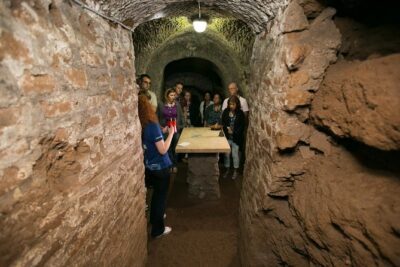
The Original Roman Crypts and Catacombs Tour with Transfers
Read our review →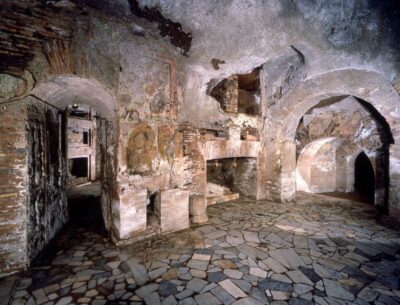
Rome: Catacombs of St. Callixtus Entry Ticket & Guided Tour
Read our review →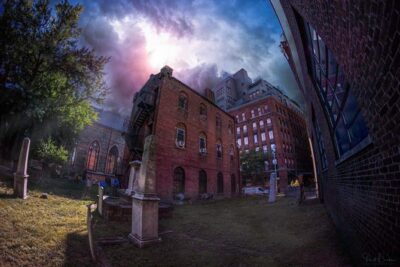

Full Day Cappadocia Tour( Red Tour + Underground City )
Read our review →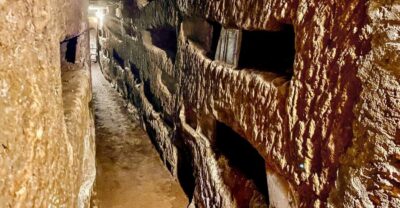
Rome: Guided Roman Catacombs Tour with Transfers
Read our review →
Browse the lists this tour appears in