
REVIEW · TICKETS
Perugia: Entry Ticket and Guided Tour of Perugia Underground
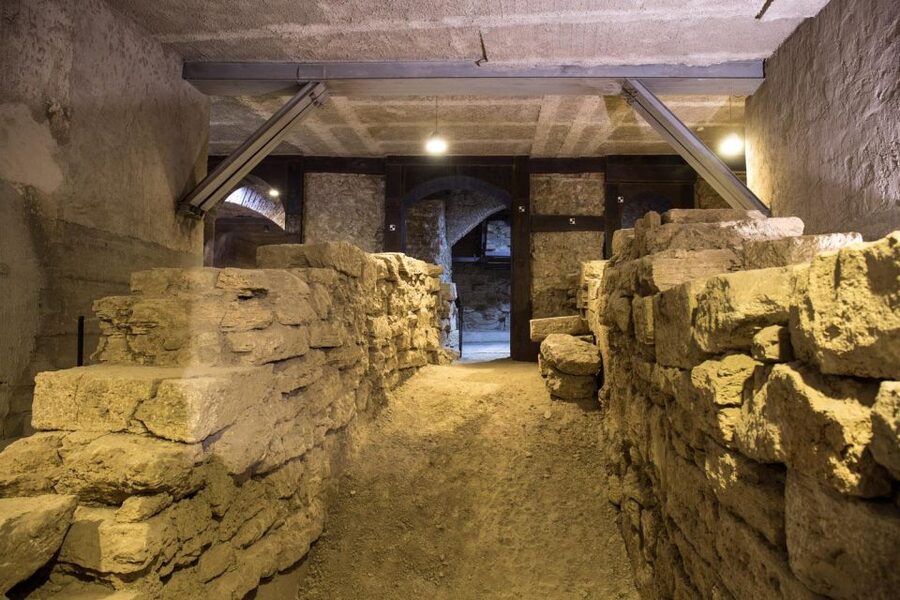
Perugia Underground takes you 15 meters below Saint Lawrence Cathedral, where Etruscan walls, Roman roads, and medieval layers show how one hilltop city kept building over itself. This is not a dark maze of tunnels. It is a short archaeological walk through the actual foundations of Perugia.
I like the way the tour connects ordinary stonework to big events, from Etruscan engineering to the Roman period and the siege of Perugia. I also like the VR presentation at the end, which helps you picture buildings and streets that are now only fragments. The main consideration is language: the live tour is in Italian, and English speakers use a tablet and headphones, which can feel rushed if the guide moves ahead.
Key points at a glance
- Fifteen meters below the cathedral: Follow the route from the Saint Lawrence cloisters into the heart of Perugia’s hill.
- Three major periods in one short visit: See Etruscan, Roman, and medieval remains in the same underground complex.
- Italian guide with translation support: A tablet provides the visit in another language, including English.
- VR brings missing buildings back: The final virtual experience gives you a clearer picture of how parts of ancient Perugia may have looked.
- Good value at $14: Fifty minutes of guiding, archaeology, translation support, and VR makes this a useful city-center stop.
- Plan for stairs and a cool change in temperature: The route is not suitable for wheelchairs, strollers, or people with significant mobility difficulties.
What Perugia Underground reveals beneath the cathedral
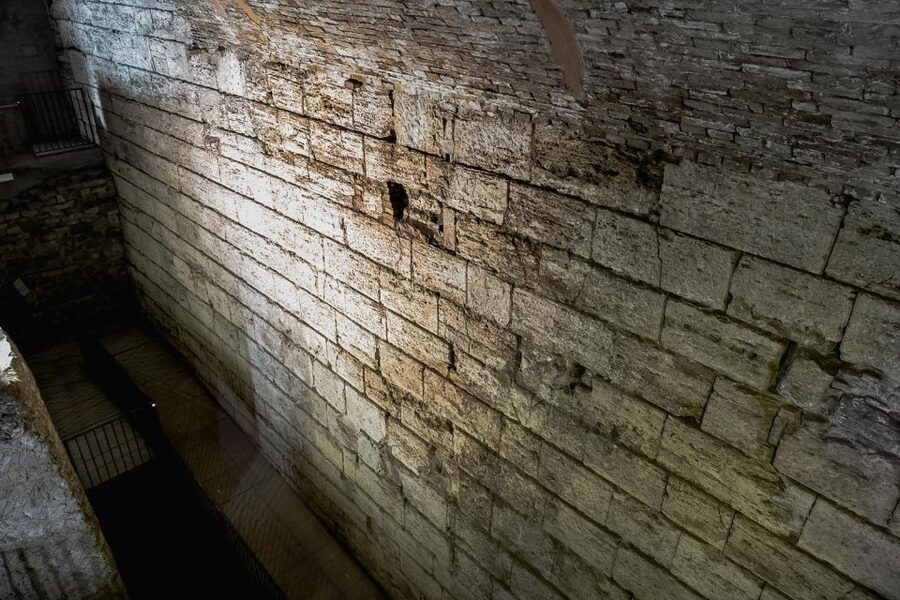
Perugia is a city of layers. The streets you walk today sit above traces of earlier settlements, roads, homes, religious buildings, and defensive works. At Perugia Underground, you follow those layers below the present level of Saint Lawrence Cathedral instead of simply looking at stones from behind a museum case.
The archaeological area forms part of the monumental Saint Lawrence Island complex in the center of the city. The name can sound grander than the visit itself, but the setting is impressive: you begin in the cathedral cloisters, then move down through the hill to remains dating back more than 2,500 years.
The route is guided rather than self-paced. That matters because many of the features are architectural traces rather than instantly recognizable objects. A wall line, paving surface, or change in masonry becomes much easier to understand when someone explains what you are seeing and how it fits into the city’s growth.
The tour lasts about 50 minutes. That is enough time to make sense of the main archaeological story, but not enough for a slow museum visit or a long lesson in every period of Perugia’s past. Think of it as a compact introduction that gives the rest of your time in Perugia more context.
More Entry Tickets in Italy:
- Naples: Naples Underground Entry Ticket and Guided Tour
★ 4.4 · 21,781 reviews - Naples: Catacombs of San Gennaro Entry Ticket & Guided Tour
★ 4.6 · 7,941 reviews - Rome: Catacombs of St. Callixtus Entry Ticket & Guided Tour
★ 4.6 · 3,037 reviews
Starting in the cloisters of Saint Lawrence
The meeting point is in the cloister of Saint Lawrence Cathedral. Enter through the large portal on Piazza IV Novembre, next to Libreria delle Volte bookstore. The ticket office and tour start are located in the cloister, not out on the square itself.
I would arrive a little early. The entrance can be easy to miss if you are looking only for a sign in the piazza, and the cathedral complex has several nearby cultural sites. Having a few extra minutes also helps you find the right portal before the group sets off.
The cloister is a fitting starting point. You are standing at the present-day surface before heading below it, so the descent gives the visit a clear physical shape. Perugia’s past is not presented as a separate attraction somewhere outside the city. You begin in the center of modern Perugia and then move into the layers that made it.
The route includes flights of stairs. This is an important practical point, not a minor footnote. The underground area is not suitable for wheelchair users, baby strollers, or people with significant mobility difficulties. Pets, food, and drinks are also not allowed.
Etruscan construction beneath Perugia
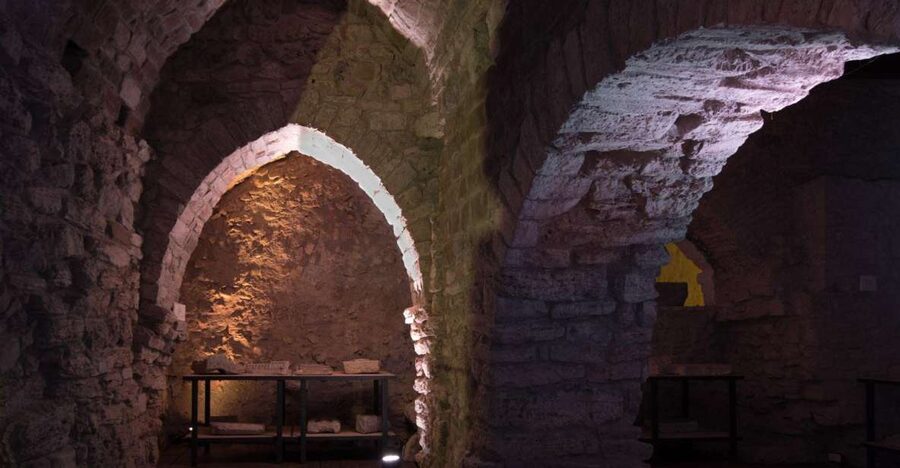
The earliest section introduces the Etruscan foundations of the city. This is one of the most rewarding parts for anyone who likes to see how ancient engineering worked rather than simply hear a date and a name.
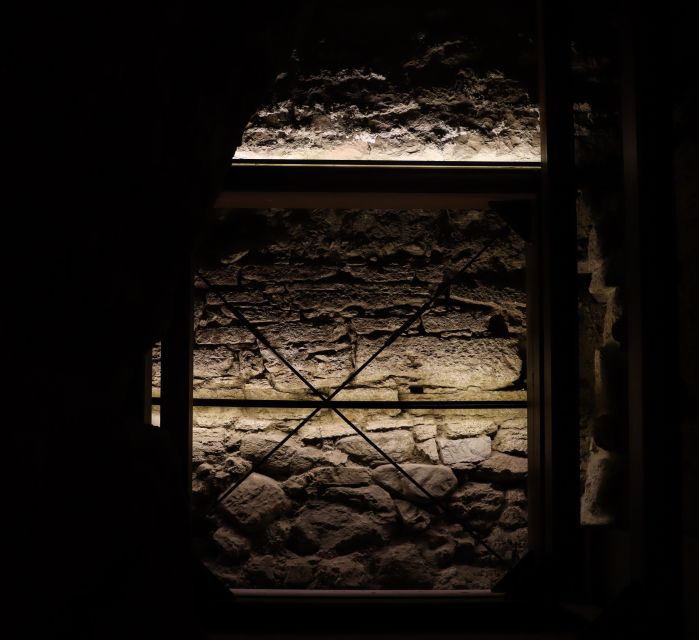
The Etruscans were skilled builders, and the surviving structures show the scale and care of their work. You may see how stone was set, how the hill was used, and how the city’s early builders dealt with its steep position. The guide’s explanation helps you read the remains as part of a planned settlement instead of a pile of old masonry.
This is also where a live guide adds real value. Etruscan remains can be difficult to interpret on your own, especially when later construction sits directly on top of them. A guide such as Beatrice or Lorenzo can point out the changes in materials and structure, explain what is certain, and connect the archaeological evidence to the wider story of Perugia.
The visit does not present every object recovered from excavation. If you prefer display cases filled with pottery, tools, and sculpture, you may find the underground route lighter on artifacts than expected. Its strength is the place itself: walls, roads, and built layers still sitting below the cathedral.
Roman roads, homes, and the siege of Perugia
The Roman section moves the story forward and makes the underground remains easier to imagine as part of a working city. The route includes evidence of Roman roads and houses, giving you a glimpse of how movement and daily life fit into Perugia’s urban plan.
Seeing the road surfaces in place is useful. A Roman road is not just an abstract example of ancient infrastructure when you can look at its construction beneath your feet. The same goes for domestic remains. Even limited traces can suggest how the Roman city was organized and how earlier Etruscan structures were reused or built over.
The tour also reaches major episodes in Perugia’s Roman story. The guide discusses Julius Caesar, Gaius Octavius Caesar Augustus, and the siege of Perugia. These names can make the route feel larger than its physical size. You are not only looking at ancient paving. You are connecting the site to the political struggles that shaped central Italy.
The Gate of Augustus is another important reference point in the story. It helps place the underground remains within the wider city, even though the gate itself is not the main focus of this 50-minute route. If you plan to see it separately, the underground tour gives you useful background before you walk back into the streets above.
More Guided Tours in Italy:
- Naples: Spanish Quarters Underground Guided Tour
★ 4.8 · 5,064 reviews - Expert Guided Tour of Colosseum Arena OR Underground, and Forum
★ 4.5 · 5,041 reviews - Rome: Colosseum Underground Small Group Guided Tour
★ 4.7 · 4,844 reviews - Colosseum Underground & Ancient Rome Guided Tour
★ 4.5 · 2,590 reviews
Medieval layers beneath the present city
After the ancient sections, the route shows how Perugia continued to change during the medieval period. This is where the city’s history becomes especially physical. Later builders did not wipe away everything that came before. They adapted, covered, and reused earlier structures.
You can see the effect of that process in the changes between masonry, levels, and spaces. The guide helps explain which parts belong to which period and why the remains are found at different heights. At the end of the route, you understand that Perugia was not built once. It grew by adding new structures over older ones.
The underground area sits directly below one of the city’s most important religious buildings, so the connection between cathedral and buried city is a strong part of the experience. You are moving beneath the cathedral while following the history of the hill itself, from ancient settlement to medieval city and then to modern Perugia.
Do not expect every section to be equally dramatic. Some stretches are more technical, and the information comes quickly. If you want to study every wall, the short duration can feel tight. The benefit is that the tour keeps moving and gives you a clear outline without taking half a day.
Why the VR finale works
The final VR experience is the tour’s most accessible feature. Archaeology often leaves you with partial walls and broken surfaces. Virtual reality can show how those fragments may have fitted into a larger urban scene.
You use the VR presentation after walking through the underground remains. It helps tie together the Etruscan, Roman, and medieval material and gives scale to what you have just seen. Several parts of the visit make more sense once you can view them as complete streets or buildings rather than isolated foundations.
Some people would prefer to see this reconstruction first. It would provide a map in your head before you begin the walk. I understand that argument, especially because a few parts of the route move quickly. Still, placing the VR at the end has a clear advantage: you first see the real remains, then receive a visual explanation of what they might have looked like.
The virtual section is not a substitute for the archaeology. It is best treated as a visual aid, and a good one. If you are traveling with teenagers or anyone who finds exposed walls hard to read, this part may be what makes the whole visit click.
Language, pace, and the translation tablet
The live guide speaks Italian. If you need another language, a tablet with translation and headphones is provided. English speakers can follow the explanation this way, but you should know how the setup affects the pace.
The guide may finish speaking before the tablet translation has finished. This can leave you choosing between keeping up with the group and completing the text on the screen. You also have a tablet in your hands, which makes taking photographs less convenient.
That does not make the tour poor for non-Italian speakers. It simply makes the experience less relaxed than a fully English-speaking tour. If you understand some Italian, you can listen to the guide and use the tablet for extra help. If you understand none, focus on the key sections and do not worry about reading every line before the group moves on.
The individual guides make a difference. Beatrice has been described as warm and engaging, while Lorenzo has been praised for his clear explanations and helpful approach. The official tour language remains Italian, so do not book this expecting an English-speaking guide. Book it knowing that the translation tablet is the main support.
Is $14 a fair price for 50 minutes?
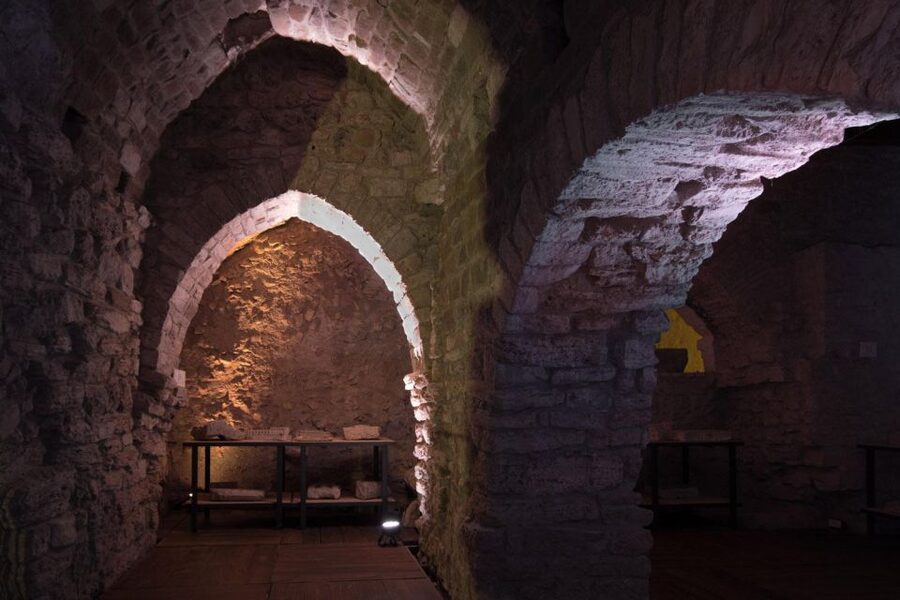
At $14 per person, this is a solid-value activity for a central Perugia visit. The price includes entrance, the guided route, translation support if needed, and the VR presentation. You are paying for a short, organized introduction rather than an all-day archaeological program.
The value is strongest if you want context. The remains are much easier to appreciate with an explanation of the Etruscan, Roman, and medieval periods, and the guide saves you from trying to decode the site alone. The VR section adds something beyond a basic entrance ticket.
The value is less obvious if you already have advanced knowledge of Perugia’s archaeology or want a long, detailed museum visit. The tour is brief, and some visitors have wanted more information or more excavated objects on display. It is a good first step, not the final word on the city’s past.
The short format also makes it easy to fit into a day of sightseeing. You can visit the underground area without giving up an entire afternoon, then continue through Piazza IV Novembre, the cathedral complex, or toward Rocca Paolina. The tour can also help you understand Rocca Paolina later, since both places show how Perugia has been built over earlier levels.
Practical advice before you go
Wear shoes that feel secure on stairs. The route is underground and includes flights of steps, so this is not the place for footwear that slips or feels unstable.
Bring a light layer. The underground area has a slight temperature change from the streets above. You do not need heavy clothing, but a thin sweater or jacket is sensible.
Allow time to find the cloister entrance. Look for the large portal on Piazza IV Novembre beside Libreria delle Volte. The ticket office and starting point are in the Saint Lawrence cloister, so do not wait in the open piazza for a guide to appear.
Keep your expectations focused. This is an archaeological walk, not a large exhibition with many objects. You will spend your time looking at built remains and listening to the story behind them.
The activity offers free cancellation up to 24 hours before the start, and you can reserve now and pay later. That is useful if your Perugia schedule may shift, although you should still check the available starting times when booking.
Who should book Perugia Underground?
I would recommend this tour to first-time visitors who want a quick way to understand Perugia’s unusual vertical history. It suits people who enjoy ancient construction, city archaeology, and guided interpretation more than those seeking a long collection of art and artifacts.
It is also a good choice for anyone planning to visit the cathedral area or Rocca Paolina. The underground route gives you a clearer sense of how the city has changed over centuries, and the VR finale makes the remains easier to picture.
I would think twice if you have significant mobility limitations, use a wheelchair, or are traveling with a stroller. I would also choose a different activity if you need a fully English-speaking live guide or want a slow, detailed archaeological study.
For $14, the combination of real remains, a short guided route, and VR is hard to fault. Book it if you want the stones beneath Perugia to make more sense when you return to the streets above.
FAQ
How long does the Perugia Underground tour last?
The tour lasts about 50 minutes.
Where does the tour begin?
It begins in the cloister of Saint Lawrence Cathedral. Enter through the large portal on Piazza IV Novembre, next to Libreria delle Volte bookstore.
What language is the live tour in?
The live guide speaks Italian. A tablet with translation and headphones is available if you need another language.
Is the VR experience included?
Yes. The VR experience is included and takes place as part of the visit, generally at the end of the underground route.
Is the route suitable for wheelchair users or strollers?
No. The route includes flights of stairs and is not suitable for wheelchair users, baby strollers, or people with significant mobility difficulties.
What should I bring for the underground area?
Bring a light garment because the underground area has a slight temperature change. Food, drinks, and pets are not allowed.
Just added around Italy
- Capri & Blue Grotto: Full-Day Tour with Guided Island Exploration★ 5.0 · 74 reviews
- Private Capri, Anacapri and Blue Grotto Tour from Capri★ 4.5 · 29 reviews
- Boat Tour of the Caves on the Island of Capri★ 4.5 · 463 reviews
- Paddleboard in Capri between caves and beaches. Photos included!★ 5.0 · 39 reviews
- Private Tour of the Island of Capri by Boat and Visit to the Caves★ 4.5 · 31 reviews
- Blue Grotto and Capri Boat Tour with Aperitivo Swim and Snorkel★ 4.5 · 47 reviews
- Capri Adventure Cruise: Sea Caves, Coastline & Blue Grotto Visit★ 5.0 · 18 reviews
- Small Group Tour to Blue Grotto, Anacapri and Capri★ 5.0 · 115 reviews
Tickets, compared.
Naples: Naples Underground Entry Ticket and Guided Tour
Read our review →
Krakow: Wieliczka Salt Mine Tour with Entry Ticket
Read our review →
Naples: Catacombs of San Gennaro Entry Ticket & Guided Tour
Read our review →
Krakow: Wieliczka Salt Mine Fast-Track Ticket & Guided Tour
Read our review →
From Krakow: Wieliczka Salt Mine Tour & Skip the Line Ticket
Read our review →
Krakow to Wieliczka: Salt Mine Guided Tour with Ticket & Transfer
Read our review →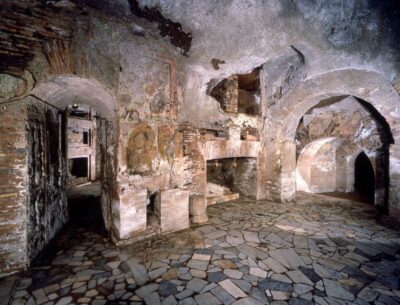
Rome: Catacombs of St. Callixtus Entry Ticket & Guided Tour
Read our review →Browse the lists this tour appears in