
REVIEW · SALT MINE
Cusco:Chinchero,Moray & Salt Mines drop-off in Ollantaytambo
Ollantaytambo is the clever payoff here. Instead of spending a day looping back to Cusco, you cross the Sacred Valley, visit Chinchero’s weaving workshops, Moray’s giant circular terraces, and the Maras salt ponds, then finish where many trains leave for Machu Picchu. I especially like the one-way design and the included buffet lunch in Urubamba. The main trade-off is a packed day, with short visits at several sites and extra entrance fees beyond the $27 tour price.
This is a practical choice if you want a broad introduction to the Sacred Valley without arranging several taxis or tours. Guides including Julio, Felipe, Nora, John, Manuel, and Rehider have been praised for clear English, good timing, and a knack for making Inca history understandable. Book a train after 4 p.m. if you are using the shared service, since the usual drop-off is around 3:30 p.m.
Key points at a glance
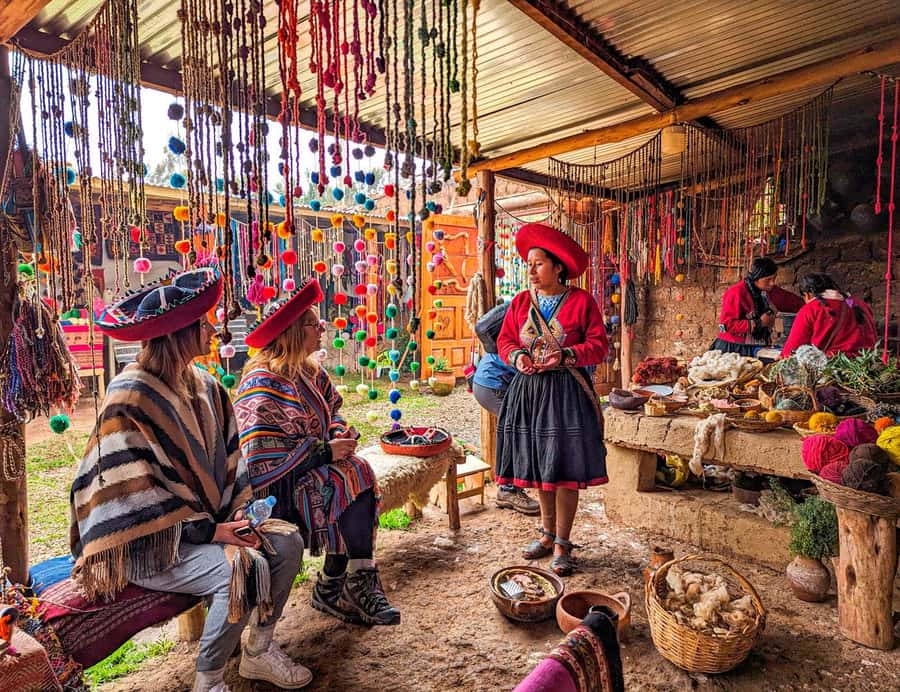
- Chinchero textiles: See traditional Andean weaving methods and browse alpaca goods at a local workshop.
- Moray’s circular terraces: Learn how the Inca used unusual terrace designs to grow crops in difficult mountain conditions.
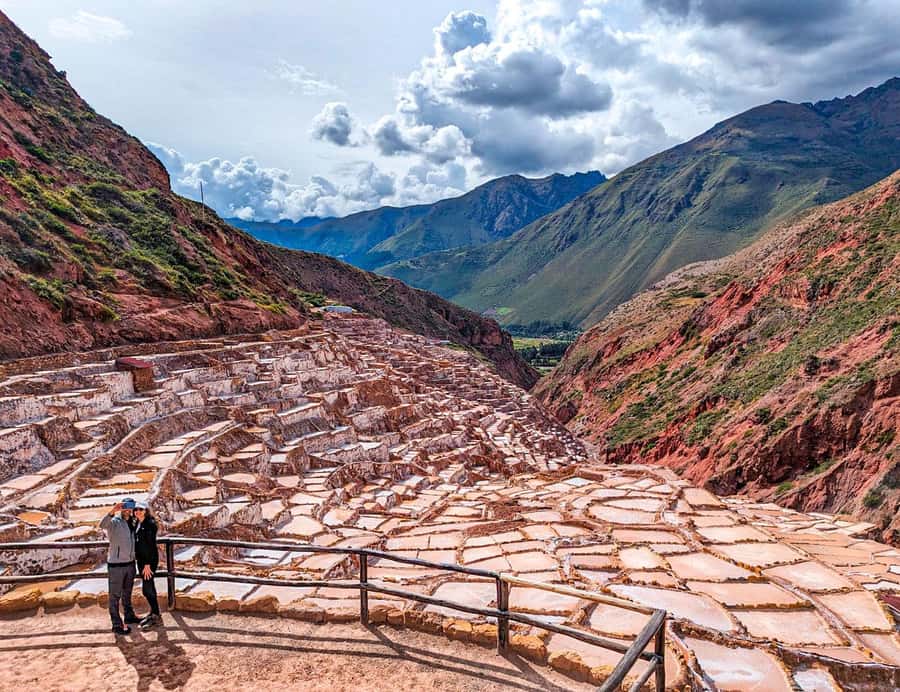
- Maras salt ponds: Walk beside more than 5,000 small salt pools, still striking in their bright, layered patterns.
- Ollantaytambo finish: Climb more than 200 steps at the ancient fortress before being dropped at the train station or main square.
- Strong practical value: The $27 price includes transport, a bilingual guide, buffet lunch, and hotel pickup, but not entrance tickets.
- Good Machu Picchu connection: The route turns a transfer day into a full sightseeing day, with private service offering more control over timing.
Why this Sacred Valley route works so well
Many Sacred Valley tours return you to Cusco after visiting the same major sites. This one makes better use of your schedule by moving west through the valley and ending at Ollantaytambo, an important departure point for Machu Picchu.
You get a little of everything: living Andean culture in Chinchero, agricultural engineering at Moray, working salt ponds near Maras, a filling lunch in Urubamba, and monumental Inca stonework at Ollantaytambo. It is not a slow, single-site tour. It is a full day of changing scenery and ideas.
I like the route because the stops do not feel identical. Chinchero shows how local traditions continue today. Moray explains food production. Maras introduces an old salt-making economy. Ollantaytambo brings the story back to power, defense, and urban planning.
The tour costs $27 per person, which is a low price for a day lasting eight to nine hours. Transportation, hotel pickup in Cusco, a bilingual guide, and buffet lunch are included. You will need to budget separately for the partial tourist ticket, listed at 70 PEN, and the Maras salt entrance fee, listed at 20 PEN. Drinks are also extra, so carry water and some cash.
More Salt Mine Tours in the world:
- Krakow: Wieliczka Salt Mine Tour with Entry Ticket
★ 4.6 · 10,927 reviews - From Krakow: Wieliczka Salt Mine Tour
★ 4.6 · 9,393 reviews - Krakow: Wieliczka Salt Mine Fast-Track Ticket & Guided Tour
★ 4.5 · 5,872 reviews
Chinchero: start with living Andean craft
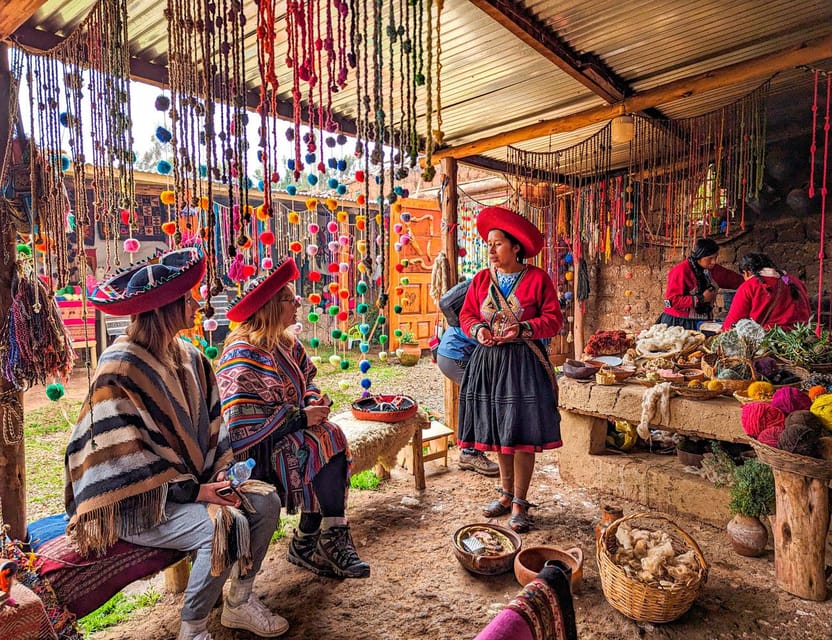
The first major stop is Chinchero, a rustic town known for its long weaving tradition. Here, you see how Andean textiles are made with traditional techniques rather than simply viewing finished souvenirs in a shop.
The textile demonstration is one of the most useful parts of the day because it connects ancient culture with present-day work. Guides explain the process and may show you local materials, weaving methods, and alpaca products. One family described learning how textiles were made from beginning to end as one of the most memorable parts of the experience.
There is time to browse and shop. That can be useful if you want an alpaca scarf or another small gift early in your Peru trip, though you should not feel pressured to buy. The stop includes roughly 35 minutes for walking, explanation, photos, and shopping, so expect an introduction rather than a long market visit.
Chinchero also helps you adjust to the altitude and pace of the day. You are not immediately thrown into a long hike. Still, the tour involves standing and walking on uneven ground, so comfortable shoes are sensible.
Moray: an agricultural puzzle in the hills
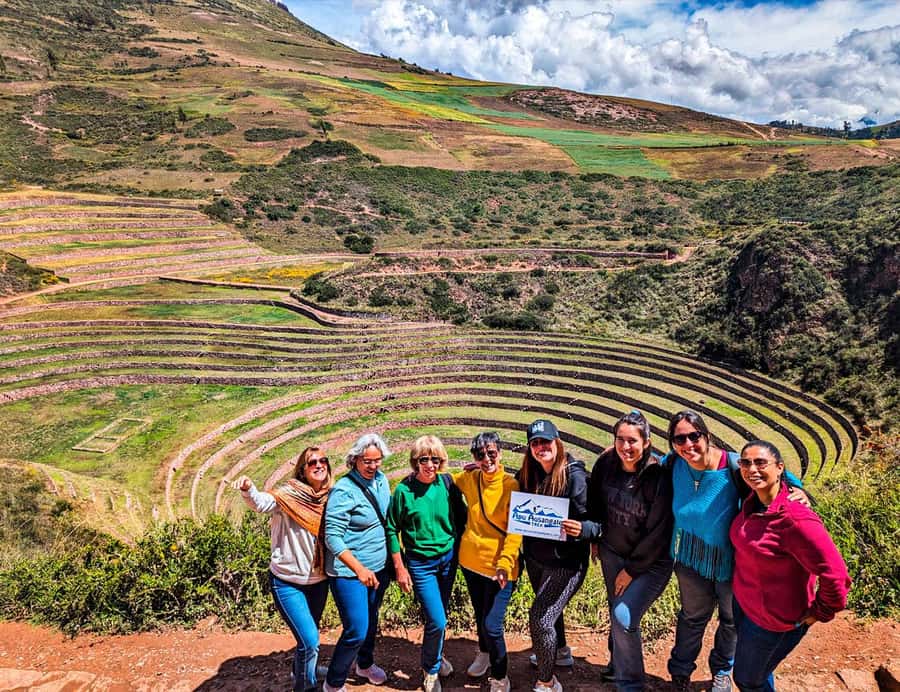
After about 40 minutes in the van, the group reaches Moray. The site is known for its enormous circular terraces cut into the earth, with rings descending toward a lower center.
The exact purpose of Moray has long attracted discussion, but the tour presents it as an important example of Inca agricultural planning. The terraces allowed crops to be grown on challenging mountain terrain, making better use of slopes and changing conditions.
Your visit lasts about 30 minutes. That is enough time for a guided explanation, photos, and a walk around the viewing area, but not enough for a leisurely exploration. The shapes are easy to appreciate from above, and your guide adds the practical context that turns an impressive view into a lesson in farming and adaptation.
I find Moray valuable because it broadens the usual Inca story. The Sacred Valley was not only about temples and fortresses. It was also about food, soil, water, and the ability to produce crops in a demanding environment.
Maras Salt Mines: thousands of working pools
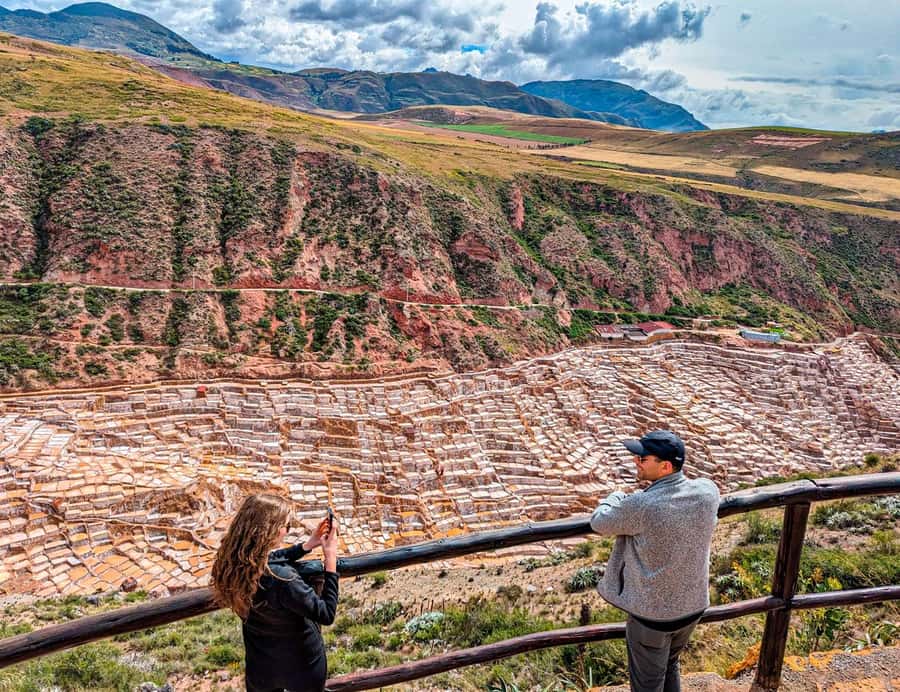
A short drive brings you to the Maras salt mines, also referred to as the salt ponds of Moras in the tour description. More than 5,000 small pools spread across the hillside, where salt has been collected for generations.
The scene is highly visual. Small terraces hold water that gradually leaves salt behind, creating a patchwork of pale pools and channels. Your guide explains how salt helped Andean communities preserve food for longer periods, giving you a clear reason why this place mattered beyond its appearance.
The visit is scheduled for about 30 minutes, followed by around 30 minutes in Maras for shopping. The salt mine entrance is not included, so you pay the 20 PEN fee on site. Bring cash, since the tour specifically advises carrying it.
The surface around the ponds can be uneven, and the route is more about viewing and learning than taking a long walk. Sun protection matters here. Sunglasses, a hat, sunscreen, and water are all on the recommended packing list.
The shopping stop may appeal if you want more local goods, but it also adds time to an already full day. If you are less interested in buying things, use the pause to rest, take photos, or ask your guide questions.
A few more cave trips around the world worth a look
- Chichen Itza, Cenote, and Valladolid Tour
★ 5.0 · 24,293 reviews - Naples: Naples Underground Entry Ticket and Guided Tour
★ 4.4 · 21,781 reviews - Chichen Itza, Cenote & Valladolid Tour with Tequila and Lunch
★ 4.5 · 15,789 reviews - Colosseum: Underground and Ancient Rome Tour
★ 4.7 · 12,691 reviews
Urubamba lunch gives the day room to breathe
From Maras, the group travels to Urubamba, the main town of the Sacred Valley, for a buffet lunch. The meal lasts about 45 minutes and is included in the tour price.
This is more than a convenient feeding stop. By this point, you have visited several sites and spent much of the morning getting in and out of the van. A seated meal gives you time to reset before Ollantaytambo.
The buffet has received especially strong praise, including from people looking for vegetarian choices. Exact dishes are not specified, so do not book this expecting a particular menu, but you can expect a range of food rather than a single fixed plate.
Several guides, including Manuel, Felipe, and Julio, have been praised for keeping the meal organized and making sure the group knows what comes next. That matters on a transfer tour. A slow lunch can put a train connection at risk, while a rushed meal can make the afternoon unpleasant. The planned 45-minute stop aims for a sensible middle ground.
Drinks are not included. Plan to pay separately, and keep some water with you throughout the day.
Ollantaytambo: the strongest final stop
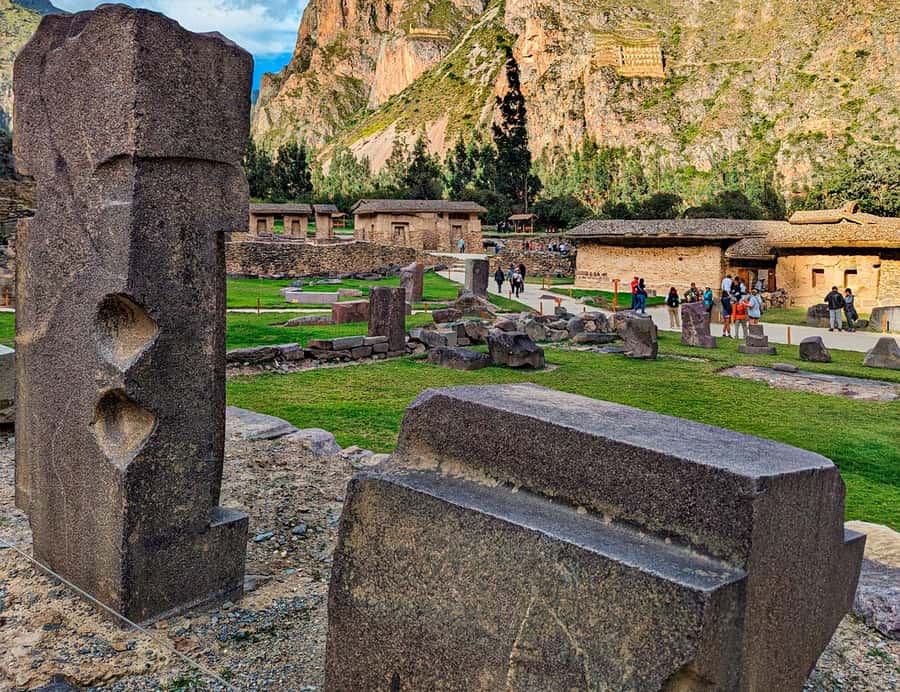
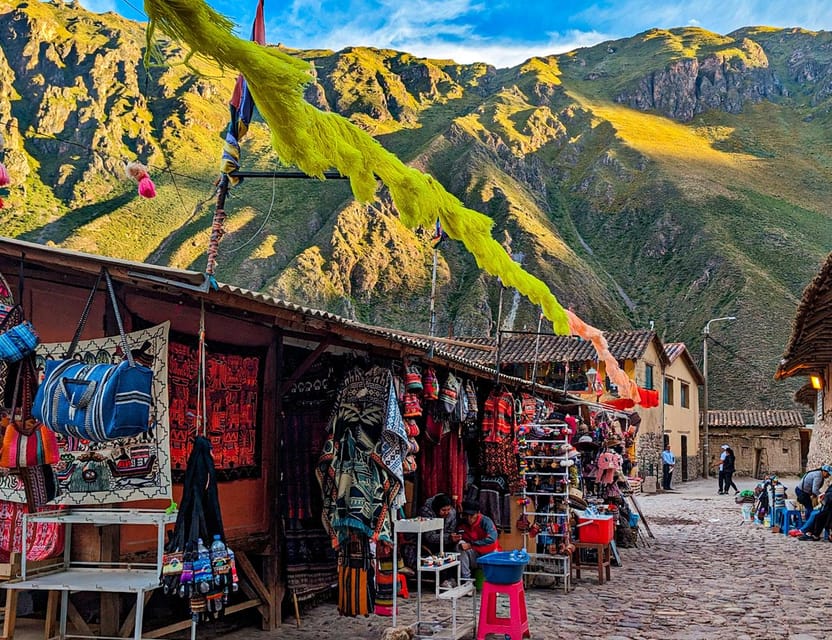
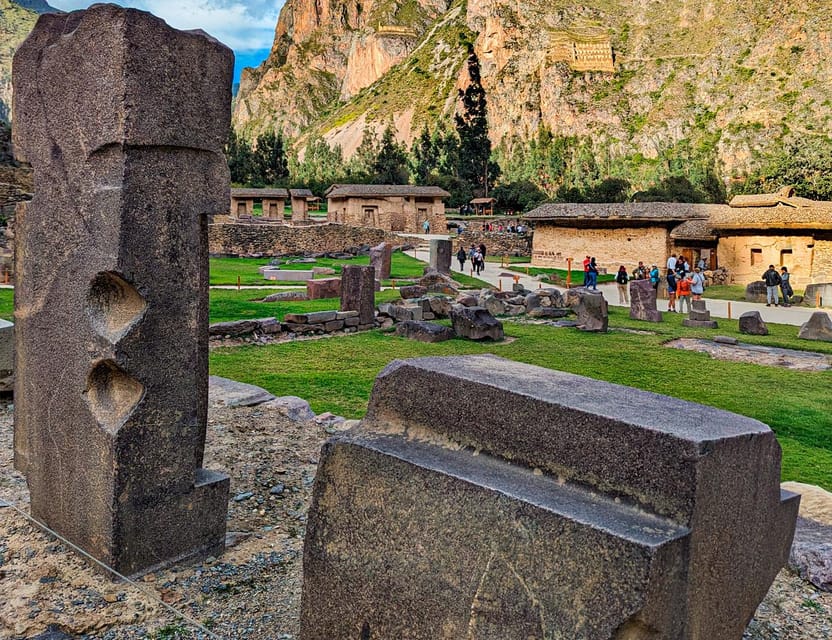
The final major visit is Ollantaytambo, one of the most important Inca settlements in the region. The town retains a strong historic character, and its enormous stone terraces and fortress rise above the streets.
The route includes a climb of more than 200 steps to reach the upper part of the ancient terraced fortress. This is the most physically demanding stop, especially after a full day at altitude. You do not need to race upward. A good guide will explain the site as the group moves, and there are chances to pause.
The fortress had defensive importance, and its position overlooking the town helps explain why the Incas valued it. The scale of the stonework is the main event. Even after seeing Moray and the salt ponds, Ollantaytambo feels like a change of register: less about farming and production, more about military control, sacred building, and the organization of an Inca town.
The scheduled visit is about 30 minutes, so you should set expectations correctly. You get a guided introduction and time for photos, but not an extended archaeological study. If Ollantaytambo is your main interest, a private tour may be the better choice because it allows more time at the site.
The drop-off is either at the train station or the main square. Confirm your preferred point when booking or with the guide on the day.
Timing, transport, and train connections
The tour lasts eight to nine hours and starts with pickup from your Cusco hotel. You are asked to wait at the reception desk, which helps avoid confusion in the busy morning pickup period.
The shared vehicle covers several short drives, with the longest listed at about one hour from Cusco to the first stop. Other transfers range from 20 to 40 minutes. The van has been described as comfortable but somewhat cozy, so this is not the right day if you want a spacious private car unless you choose private service.
Morning pickup can involve some waiting. This is the main logistical weakness to allow for, especially if several hotels are involved. Once the tour is moving, the schedule is generally well organized, but road construction or slow departures can affect the clock.
The group service usually reaches Ollantaytambo around 3:30 p.m. If you are catching a train to Aguas Calientes, book one after 4 p.m. A 3:30 p.m. train is risky because any delay at pickup, lunch, traffic, or the fortress could leave you scrambling.
Private service gives you more time at each place and can end according to your train schedule or at your hotel. It costs more than the advertised group price, but that extra control may be worth it if your train departure is tight or you want to linger at Ollantaytambo.
The guides make a real difference
This route covers a lot of information in one day, so the guide matters. The strongest experiences have come from guides who explain history in plain English, move between English and Spanish, answer questions, and keep the group aware of the next step.
Names associated with especially strong tours include Julio, Felipe, Nora, John, Manuel, Rehider, Ricardo, and Diego. That does not guarantee who you will receive, but it shows the company uses a pool of guides with a range of styles. Felipe has been praised for patience during delays, Nora for keeping the energy up, and Julio for clear organization and easy English.
Some guides also add cultural details, such as coca leaves or explanations of Andean beliefs. Those details help you connect the stones and terraces with the people who built and still live around them.
The guide also controls the pace. The day can feel smooth when timing is clear, but rushed when a group lingers too long at an early stop. A private option gives you more say, while a small group offers a useful balance between price and personal attention.
What to bring and what to expect
The tour operator recommends:
- Water
- Sunscreen
- Sunglasses
- A sun hat
- Camera
- Cash
Wear shoes suited to uneven paths and the 200-plus steps at Ollantaytambo. No special equipment is listed, but you should be ready for walking, sun, and altitude.
Drones, alcohol, and drugs are not allowed. The tour operates in English and Spanish, and private or small-group arrangements are available.
The advertised $27 rate is attractive, but it is not the full cost of the day. Add 70 PEN for the partial tourist ticket, 20 PEN for the salt mine, plus drinks and any purchases. Even with those extras, the package offers good value because transport, a full buffet lunch, a guide, and a one-way transfer are bundled together.
Who should book this day trip?
I recommend it most strongly for people traveling from Cusco to Machu Picchu who want to see more than the train station and the inside of a van. It also suits first-time visitors who want a broad Sacred Valley introduction in one day.
Families can manage it, including families with teenagers, but the schedule is active. Younger children may find the repeated stops and van rides tiring. Anyone who wants detailed photography time or a slow archaeological visit should choose private service or a dedicated site tour instead.
This is also a good fit if you value cultural stops. Chinchero and the alpaca textile demonstration add something that a ruins-only itinerary misses. The salt mines and Moray bring variety, while the lunch keeps the day from becoming a string of quick photo stops.
Should you book the Chinchero, Moray, Maras, and Ollantaytambo tour?
Book it if you want maximum coverage in one day, a low-cost way to reach Ollantaytambo, and a guided introduction to several very different Andean sites. The included lunch and train-station drop-off make the price especially appealing.
Think twice if you dislike early starts, short site visits, group timing, or climbing stairs. In that case, pay for a private vehicle and build in more time at Ollantaytambo.
For most people heading toward Machu Picchu, this is a smart use of a transfer day. Just pay the extra entrance fees, carry cash and water, and leave a safe gap before your train.
FAQ
How long does the tour last?
The experience lasts about eight to nine hours.
Where does the tour begin?
Pickup is provided from your hotel in Cusco. You should wait at the hotel reception desk.
Where does the tour end?
The shared tour ends in Ollantaytambo, either at the main square or the train station.
What time does the shared tour usually reach Ollantaytambo?
The group service usually arrives around 3:30 p.m.
What train departure time is recommended?
If you are taking a train from Ollantaytambo, a departure after 4 p.m. is recommended.
Is lunch included?
Yes. A buffet lunch in Urubamba is included. Drinks are not included.
Are entrance tickets included?
No. The partial tourist ticket for Chinchero, Moray, and Ollantaytambo costs 70 PEN and can be purchased at the first site. The Maras salt mine entrance costs 20 PEN and is paid on site.
Is the tour available in English?
Yes. The tour is offered with live guides in English and Spanish.
Can I book a private tour?
Yes. Private and small-group options are available. Private service allows more time at each site and can finish according to your train schedule or at your hotel.
Just added around the world
- From Hanoi: Hoa Lu, Mua Cave and Tam Coc Full-Day Trip★ 4.6 · 164 reviews
- From Hanoi: Ninh Binh, Bai Dinh, Trang An and Mua Cave Trip★ 4.7 · 20 reviews
- Hanoi: Halong Bay Day Trip with Titop Island, Cave, & Kayak★ 4.7 · 528 reviews
- From Hanoi: Ninh Binh Bai Dinh or Hoa Lu, Trang An, Mua Cave★ 3.7 · 32 reviews
- From Hanoi: Halong Bay 1 Day Trip Visit Cave, Island, Kayak★ 4.7 · 20 reviews
- From Hanoi: Hoa Lu/Bai Dinh-Tam Coc/Trang An-Mua Cave Tours★ 4.5 · 189 reviews
- Hanoi: Halong Bay Cruise, Amazing Cave, Titov Island & Kayak★ 4.2 · 39 reviews
- From Hanoi: Halong Bay Day Trip w/ Cave, Island & Kayak★ 4.7 · 54 reviews
Salt Mine Tours, compared.
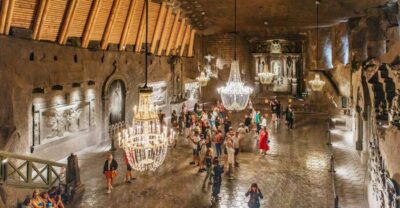
Krakow: Wieliczka Salt Mine Tour with Entry Ticket
Read our review →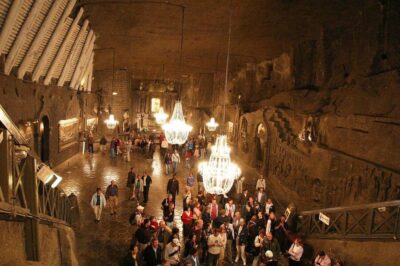
Krakow: Wieliczka Salt Mine Fast-Track Ticket & Guided Tour
Read our review →
Day Trip: Auschwitz-Birkenau and Wieliczka Salt Mine from Krakow
Read our review →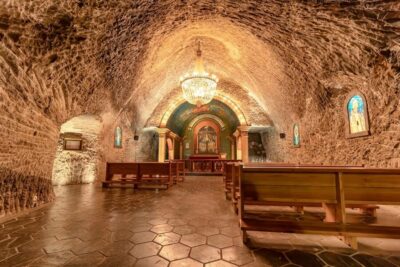
From Krakow: Wieliczka Salt Mine Tour & Skip the Line Ticket
Read our review →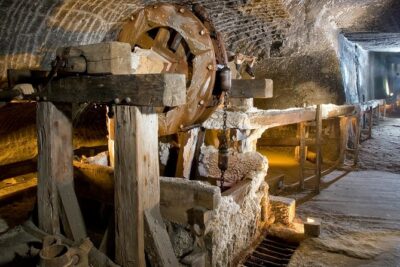
Krakow to Wieliczka: Salt Mine Guided Tour with Ticket & Transfer
Read our review →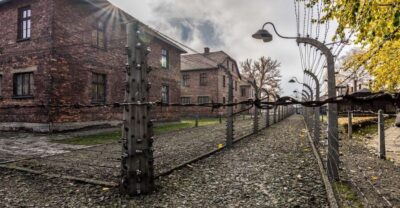
Kraków: Auschwitz-Birkenau & Salt Mine Full-Day Guided Tour
Read our review →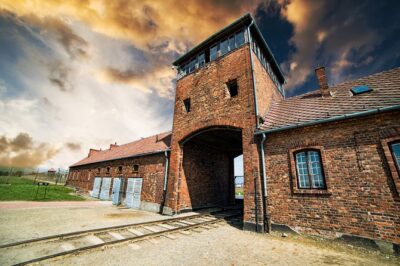
Auschwitz Birkenau and Wieliczka Salt Mine Guided Full Day Tour
Read our review →Browse the lists this tour appears in