
REVIEW · SALT MINE
Cusco: Sacred Valley, Pisac, Ollantaytambo, Salt Mines Moray
The best thing about this Sacred Valley day trip is its sheer range. In one long outing, you see Andean weaving, Inca farming terraces, working salt ponds, a fortress town, and Pisac’s hillside ruins. It is a fast survey of the Cusco region rather than a slow archaeological study.
I like the included buffet lunch in Urubamba, and I like how guides such as Victor, Edith, Rudy, Samuel, and Joel keep the day moving while explaining the sites in English and Spanish. The main drawback is time: some stops last only 20 to 30 minutes, so you must accept a brisk pace and plenty of time in the vehicle.
Key points to know before booking
- Six major stops in one day: Chinchero, Moray, Maras, Urubamba, Ollantaytambo, and Pisac give you a broad taste of the Sacred Valley.
- Excellent price for a full day: The $28 rate includes shared transport, a professional guide, and buffet lunch, but entrance fees are extra.
- A very early start: Hotel pickup is generally between 6:00 and 6:30 a.m., or you meet at Cusco’s Plaza de Armas at 7:20 a.m.
- Ollantaytambo can be your exit point: If you are continuing to Machu Picchu, you can arrange to leave the tour there around 3:00 p.m. for the train to Aguas Calientes.
- Expect short visits: Moray is scheduled for about 20 minutes, Maras for 30 minutes, and Ollantaytambo and Pisac for about an hour each.
- Bring cash for fees and drinks: The tourist ticket costs 70 soles, the Salt Mines entrance costs 20 soles, and drinks at lunch are not included.
What this $28 Sacred Valley tour really offers
At $28 per person, this is one of the more economical ways to cover a large part of the Cusco region. You get shared tourist transport, a guide in English or Spanish, and a buffet lunch in Urubamba. That package matters because private transport across these distances would cost much more.
The price is not all-inclusive. You need to budget another 90 soles for the listed tourist ticket and Maras entrance fee, plus money for drinks, souvenirs, and optional purchases at textile and salt stops. If you also plan to tour Cusco’s archaeological sites, ask about the general tourist ticket, which one booking note says costs 130 soles and lasts 10 days. That may be better value than buying separate partial tickets.
The tour has a strong overall rating of 4.6 from 1,058 bookings, and the praise is quite consistent. The most repeated strengths are the guides, the amount covered in one day, the buffet lunch, and the reliable handling of a complicated route. Names that appear often include Victor, Edith, Rudy, Samuel, Joel, Christian, and Willian.
More Salt Mine Tours in the world:
- Krakow: Wieliczka Salt Mine Tour with Entry Ticket
★ 4.6 · 10,927 reviews - From Krakow: Wieliczka Salt Mine Tour
★ 4.6 · 9,393 reviews - Krakow: Wieliczka Salt Mine Fast-Track Ticket & Guided Tour
★ 4.5 · 5,872 reviews
Starting early in Cusco
The day begins before most visitors are fully awake. Hotel pickup is listed for 6:00 to 6:30 a.m., with the guide arriving about 15 minutes before departure for the VIP pickup option. Another meeting arrangement places the group at the water fountain in Cusco’s Plaza de Armas at 7:20 a.m.
Confirm your exact pickup plan before the morning. Narrow streets around some hotels may not fit the bus, so you could be asked to walk to a nearby meeting point. The group may also use one of six central drop-off points at the end, including San Pedro Market, San Blas, Plaza de Armas, Plaza Regocijo, and Santa Ana.
The ride between stops is a major part of the experience. The schedule includes journeys of 20 to 100 minutes, with the longest listed ride coming before Pisac. A few people found the bus legroom tight, especially on the longer stretches. Sit where you can, carry water, and think of the drive as part of the day’s scenery rather than dead time.
Chinchero and Andean weaving
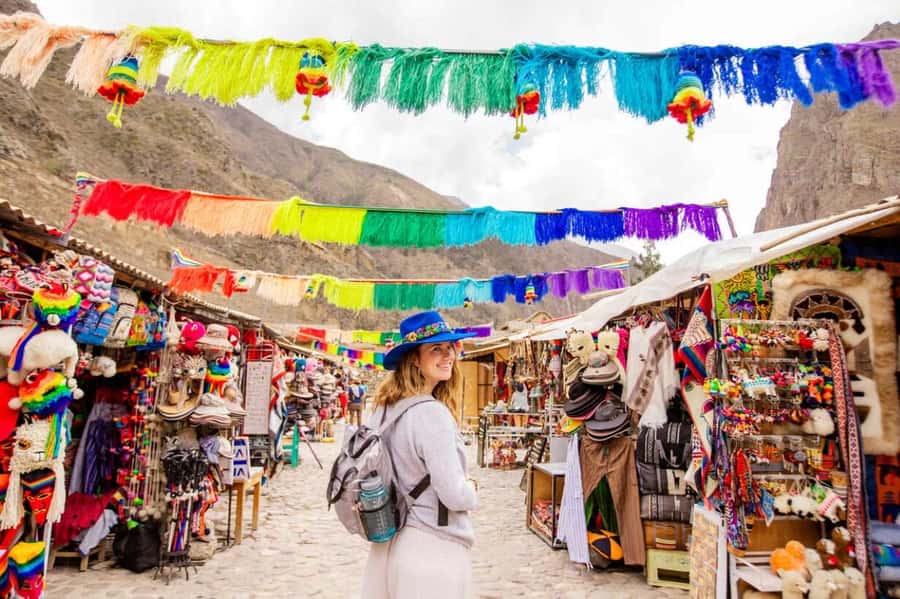
Chinchero introduces the living traditions behind Andean textiles. At the textile center, you learn how local makers work with natural fibers and dyes made from plants and minerals. The visit includes a demonstration and free time to look at goods.
This is one of the tour’s shopping-oriented stops, so go in knowing what to expect. It gives useful context to the bright woven goods sold throughout Cusco, and it can help you understand the work behind them. Still, if you would rather spend every minute at archaeological sites, this is one of the places you may find less essential.
The scheduled visit is about 25 minutes. That is enough for a short explanation and a look around, but not enough for a relaxed shopping session. Keep your expectations modest, and do not feel pressured to buy. One useful pattern from the day is that the tour mixes serious historical stops with preselected sales opportunities.
Moray’s circular farming terraces
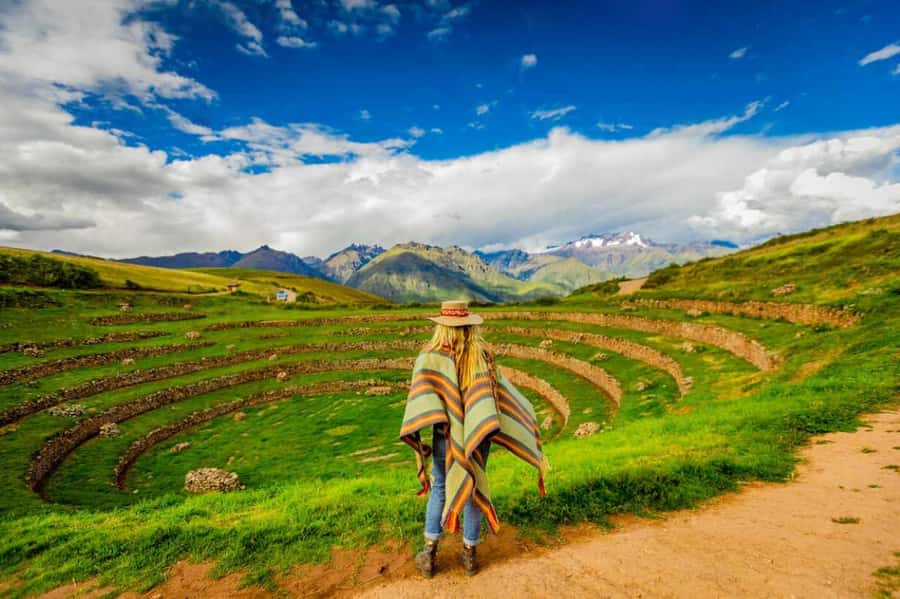
Moray is one of the most unusual stops. The Incas built broad, circular terraces that descend into the earth. The design created different growing conditions at different levels, allowing agricultural experimentation with crops suited to varying temperatures.
Your guide gives the site meaning beyond its striking shape. Without an explanation, Moray can look like a giant set of stone rings. With context, you begin to see how engineering, farming, and climate control came together.
The visit is scheduled for only 20 minutes. That is enough to reach the viewpoint, hear the main explanation, and take photographs. It is not enough to linger over every angle or explore at a slow pace. I would place Moray high on your personal priority list if you enjoy unusual engineering and Inca agriculture.
A few more cave trips around the world worth a look
- Chichen Itza, Cenote, and Valladolid Tour
★ 5.0 · 24,293 reviews - Naples: Naples Underground Entry Ticket and Guided Tour
★ 4.4 · 21,781 reviews - Chichen Itza, Cenote & Valladolid Tour with Tequila and Lunch
★ 4.5 · 15,789 reviews - Colosseum: Underground and Ancient Rome Tour
★ 4.7 · 12,691 reviews
Maras Salt Mines, still working today
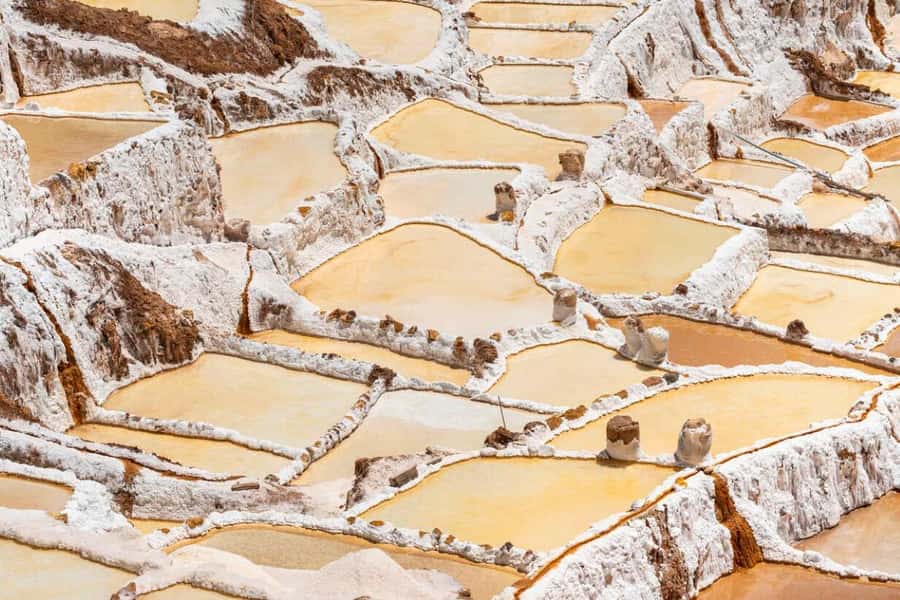
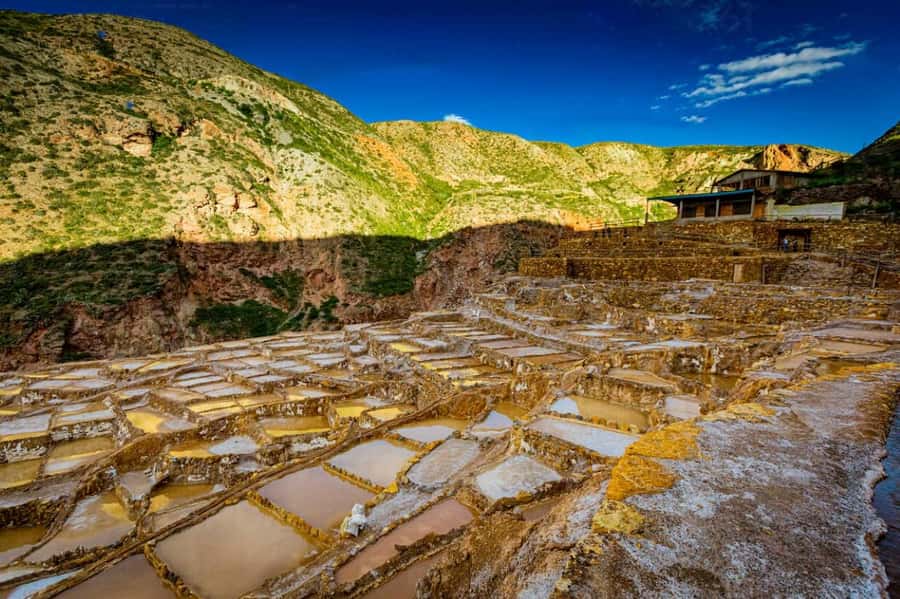
The Maras Salt Mines are made up of thousands of small ponds fed by an underground spring. Water flows through the stepped pools, leaving salt behind as it evaporates. The site is both an old trade center and a working source of salt.
This stop gives the day a welcome change of texture. You move from stone ruins and terraces to bright mineral pools cut into the mountainside. The view is especially strong from above, though the time is short.
The planned visit lasts about 30 minutes and may include a salt shop. Be careful with purchases. One specific tip from the supplied information is that salt and chocolate sold at the workshop can cost far more than similar items at San Pedro or San Blas markets in Cusco. A purchase priced at 80 soles there was available for under 30 soles in the city.
The entrance fee is not included. Bring 20 soles in cash for the listed Salt Mines ticket, and keep some extra money for small purchases if you want them.
Lunch in Urubamba
Urubamba is the midday pause, with about 50 minutes set aside for lunch. The buffet is included, and the restaurant is described as scenic, with hot drinks included and cold drinks available to buy.
Lunch receives unusually strong praise for a budget day tour. It gives you a proper break after the morning’s short visits and long rides. You can sample several dishes rather than making a quick roadside stop, though 50 minutes still calls for sensible time management.
Do not assume every drink is covered. Plan to pay separately for bottled or cold drinks. The meal is also one reason the $28 price feels strong, especially for anyone trying to see several far-flung sites without arranging private transport.
Ollantaytambo, the tour’s historic centerpiece
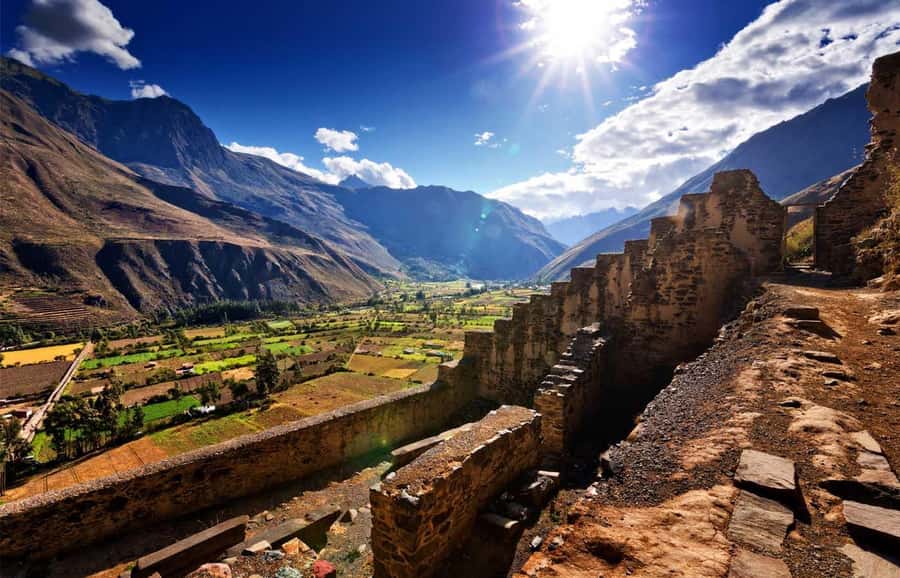
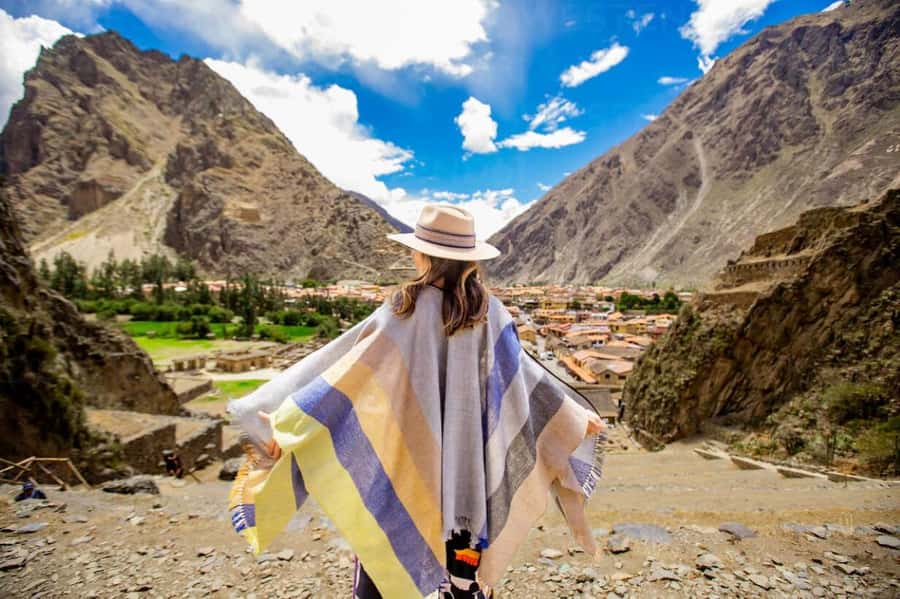
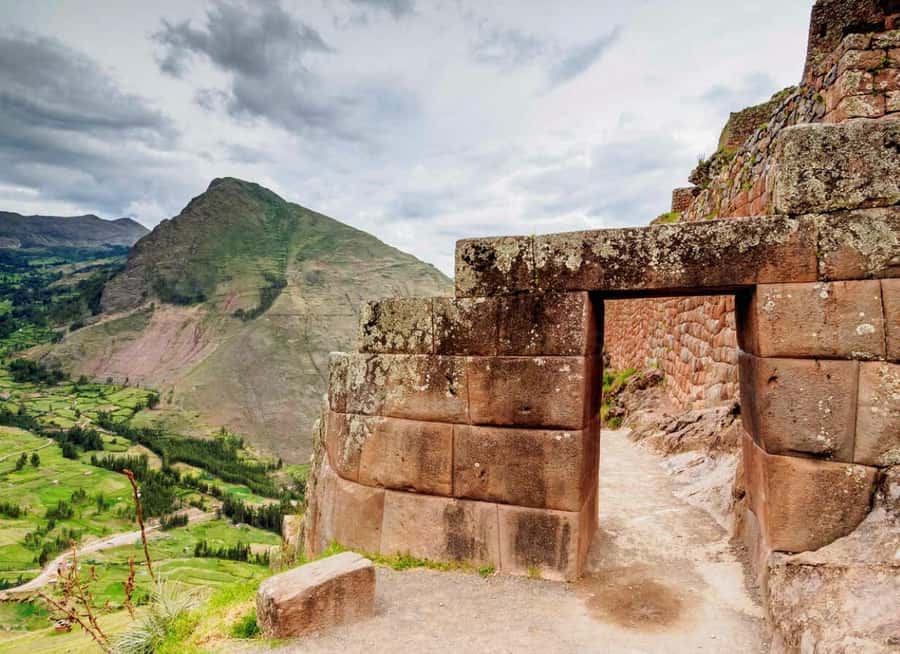
Ollantaytambo is often the architectural high point of the day. The town retains its original Inca street plan, with cobbled lanes, carefully fitted stonework, and a massive ceremonial and defensive complex above town.
You get about an hour here, which is more useful than the shorter stops but still not enough for a slow, detailed visit. There are steep steps at the fortress, and the group may move quickly to stay on schedule. If you have asthma, knee trouble, or difficulty with stairs, tell the guide early and set your own pace.
Ollantaytambo is also the most useful stop for people heading to Machu Picchu. The special option lets you leave the group around 3:00 p.m. and continue by train to Aguas Calientes. This can save you from returning to Cusco before making your way to the Sacred Valley train station.
If you choose this option, sort out your luggage and train timing before departure. One report describes a confusing handoff in Ollantaytambo, with a passenger missing part of the guided visit after being sent to drop a bag at a nearby hotel. The practical lesson is simple: confirm exactly where you will leave the group, when you must return, and who has your tickets.
Pisac brings ruins and a market together
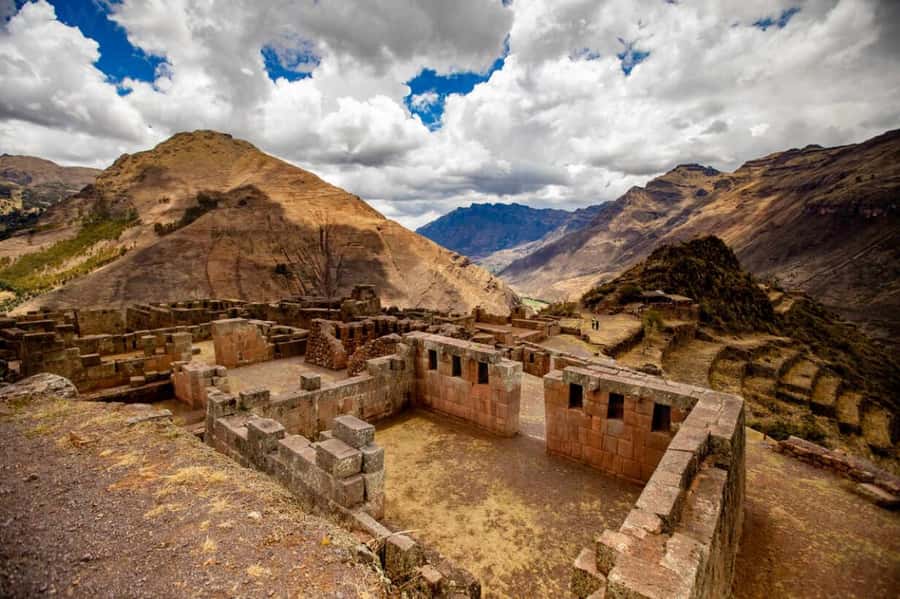
Pisac is the final major stop on the full route. Its Inca ruins sit high on the hillside above a colonial town known for artisan goods and a local market.
The setting is impressive, but the high elevation and exposed position can make Pisac feel cold, especially late in the day. Bring a warm layer even if Cusco starts sunny. One person described the wind there as bitterly cold, so do not rely on a light shirt.
The schedule allows about an hour, followed by a 45-minute ride back toward Cusco. This is enough to see the main area with a guide, but not enough to browse every market stall or explore every corner of the hillside complex. If Pisac is your main interest, a slower dedicated visit would serve you better.
The guide can make or break the pace
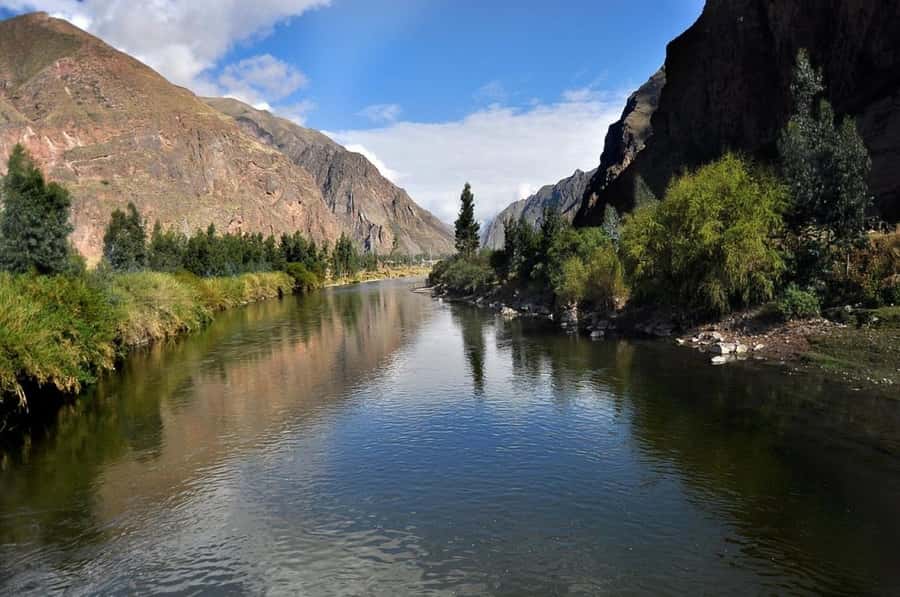
A good guide is essential on a day built around tight timing. The strongest guide comments describe clear English, calm explanations, useful photo advice, and careful timekeeping. Victor, Edith, Rudy, Samuel, Joel, Christian, and Willian are among the guides singled out for those qualities.
Bilingual guiding is a real advantage here. Explanations move between English and Spanish, so the group can stay together without losing the main points. Several guides are also praised for avoiding long, dull speeches and focusing on the facts that help you understand each place.
The vehicle and driver matter, too. Drivers named Enrique, Juan, Saul, and Ruben receive praise for smooth or safe handling, especially through Cusco traffic. At the same time, the bus is shared, and some groups can be larger. One guide successfully managed a group of 14, but a private or small-group option may suit you better if you dislike fixed schedules.
How tiring is the full day?
This is a 12-hour outing, and you should treat it as a serious full-day commitment. The route includes early pickup, several walks, steep steps at Ollantaytambo, high and windy viewpoints, and long road sections.
The advantage is clear: you see sites that would otherwise require several outings. The cost is that no stop receives the time it deserves. A person who wants to study every wall, browse markets, and take unhurried photographs should book a slower itinerary over two days.
I would bring sunscreen, water, cash, a passport, and a biodegradable insect repellent, as requested for the activity. Wear shoes you can manage on cobbles and steps. Drones, weapons or sharp objects, alcohol, and drugs are not allowed.
Who should book this tour?
I would choose this trip if you have only one free day around Cusco and want a broad introduction to the Sacred Valley. It suits people who value variety, a low price, included lunch, and a guide who keeps the day organized.
It is also a practical choice for solo visitors. The shared format gives you a ready-made group, while the guide handles the route and explains what you are seeing. The listed private and small-group options are worth checking if you want more flexibility.
I would not choose it for a relaxed holiday. The timetable is firm, the vehicle rides are long, and the archaeological visits are brief. Families with young children, anyone sensitive to altitude or cold, and people with limited walking ability should consider the stairs, wind, and pace before booking.
Free cancellation is available up to 24 hours ahead, and you can reserve now and pay later. Those terms help if your Cusco schedule is still shifting, but the more important decision is choosing the right pace.
Should you book this Sacred Valley day trip?
Book it if you want the most sights for the least money and accept that the day will feel full. The combination of Moray, Maras, Ollantaytambo, and Pisac is impressive, and the buffet lunch adds real value.
Skip it in favor of a slower tour if you want long visits, quiet photography, or detailed time at every ruin. My best advice is to use this as a first look at the Sacred Valley, or as a smart one-day solution before Machu Picchu. Just bring cash for the 90 soles in listed entrance fees, wear layers, and confirm your pickup and Ollantaytambo arrangements in advance.
FAQ
How long does the Sacred Valley tour last?
The activity lasts about 12 hours. The full route begins early in the morning and returns to Cusco at around 6:30 p.m.
What time does pickup begin?
Hotel pickup is generally scheduled between 6:00 and 6:30 a.m. The listed meeting point option is Cusco’s Plaza de Armas at 7:20 a.m.
Which places does the tour visit?
The route includes Chinchero, Moray, the Maras Salt Mines, Urubamba, Ollantaytambo, and Pisac.
Is lunch included?
Yes. A buffet lunch in Urubamba is included. Drinks are not included, although hot beverages are listed as part of the meal and cold drinks are available to purchase.
Are entrance fees included in the $28 price?
No. The listed tourist entrance ticket costs 70 soles, and the Maras Salt Mines entrance costs 20 soles.
Can I leave the tour in Ollantaytambo for Machu Picchu?
Yes. The special option allows the tour to end in Ollantaytambo around 3:00 p.m., where you can board a train to Aguas Calientes.
Is the tour offered in English?
Yes. The tour provides a live guide in English or Spanish. Private and small-group options are also available.
What should I bring?
Bring your passport, sunscreen, cash, and biodegradable insect repellent. You should also carry a warm layer for Pisac, where wind and cold can be strong.
Just added around the world
- From Hanoi: Hoa Lu, Mua Cave and Tam Coc Full-Day Trip★ 4.6 · 164 reviews
- From Hanoi: Ninh Binh, Bai Dinh, Trang An and Mua Cave Trip★ 4.7 · 20 reviews
- Hanoi: Halong Bay Day Trip with Titop Island, Cave, & Kayak★ 4.7 · 528 reviews
- From Hanoi: Ninh Binh Bai Dinh or Hoa Lu, Trang An, Mua Cave★ 3.7 · 32 reviews
- From Hanoi: Halong Bay 1 Day Trip Visit Cave, Island, Kayak★ 4.7 · 20 reviews
- From Hanoi: Hoa Lu/Bai Dinh-Tam Coc/Trang An-Mua Cave Tours★ 4.5 · 189 reviews
- Hanoi: Halong Bay Cruise, Amazing Cave, Titov Island & Kayak★ 4.2 · 39 reviews
- From Granada: Skip-the-Line Nerja Cave and Frigiliana★ 4.9 · 22 reviews
Salt Mine Tours, compared.
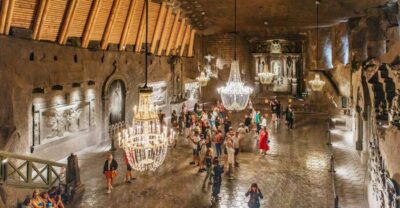
Krakow: Wieliczka Salt Mine Tour with Entry Ticket
Read our review →
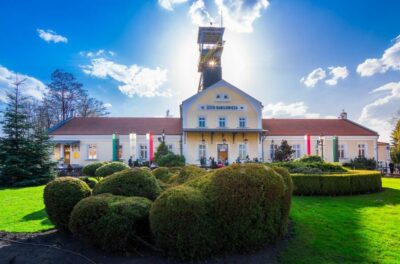
Krakow: Wieliczka Salt Mine Fast-Track Ticket & Guided Tour
Read our review →
Day Trip: Auschwitz-Birkenau and Wieliczka Salt Mine from Krakow
Read our review →
From Krakow: Wieliczka Salt Mine Tour & Skip the Line Ticket
Read our review →
Krakow to Wieliczka: Salt Mine Guided Tour with Ticket & Transfer
Read our review →
Kraków: Auschwitz-Birkenau & Salt Mine Full-Day Guided Tour
Read our review →
Auschwitz Birkenau and Wieliczka Salt Mine Guided Full Day Tour
Read our review →Browse the lists this tour appears in