
REVIEW · CATACOMBS & UNDERGROUND CITY
Montreal RESO Underground City + Downtown Tour by MTL Detours
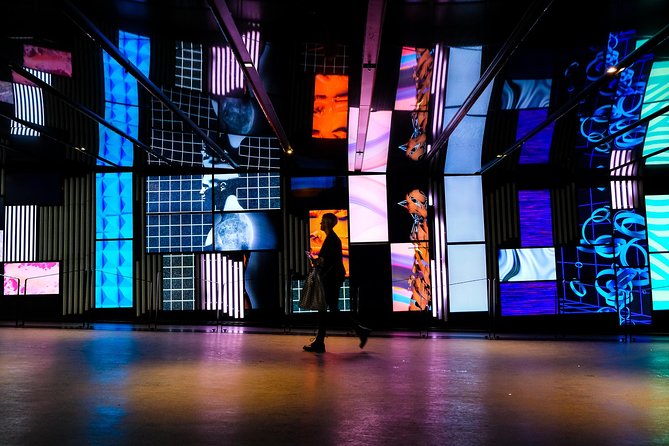
Montreal’s RESO is not one simple tunnel. It is a large network of connected passageways, shopping areas, hotels, offices, Metro stations, and public spaces spread beneath downtown. This tour helps you make sense of it while also bringing you back above ground for architecture, public art, and city history.
I like the above-and-below route, which gives you a clear picture of how downtown Montreal fits together. I also like the small-group format, capped at 12 people, because guides such as Sylvia, Jeff, Martin, Catherine, and Darren can answer questions and keep the walking pace manageable.
The main caution is physical: you cover about 4 km in two hours at a steady city pace, with stairs and escalators along the way. It is not a slow stroll, and the focus is broader than underground art alone.
Key points about Montreal’s RESO and Downtown Tour
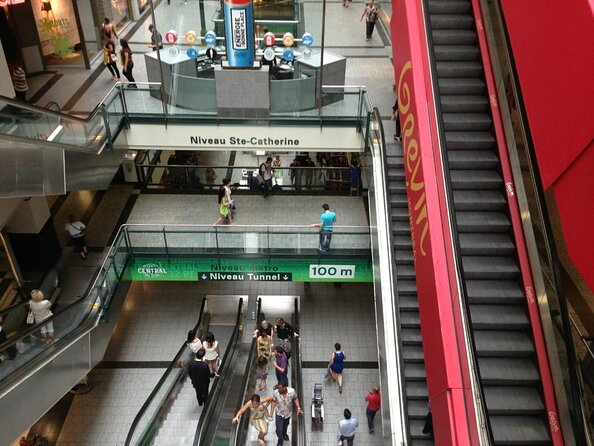
- The RESO is a connected downtown network: You move through several sections of Montreal’s underground system instead of visiting one isolated passage.
- The tour mixes indoor and outdoor sights: You repeatedly come above ground to connect the tunnels with downtown streets, buildings, and public spaces.
- Guides add the city’s backstory: The commentary covers architecture, urban planning, history, culture, politics, religion, and local recommendations.
- The group stays small: A maximum of 12 participants makes it easier to hear the guide and ask questions.
- Plan for steady walking: The route is about 4 km and includes several stairs or escalators, so comfortable shoes are essential.
- It works well early in your visit: You finish with a better sense of direction and can use the RESO to avoid some downtown traffic and unpleasant weather.
Why the RESO is worth seeing with a guide
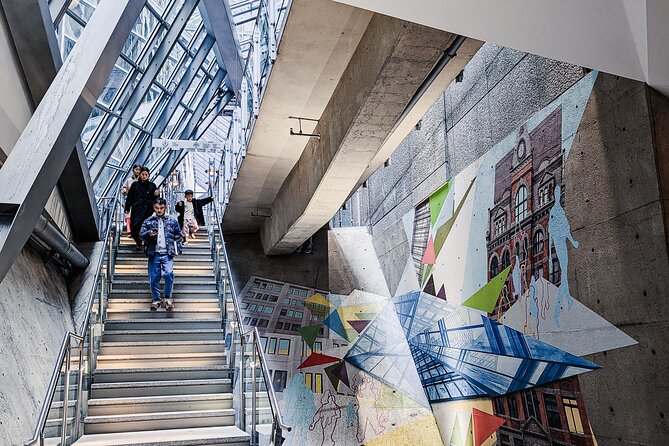
Montreal’s Underground City is often described as one place, but RESO is really a connected system of indoor routes. It links parts of the downtown core through passageways, commercial areas, business buildings, and other public spaces.
That arrangement is useful, but it can be confusing at first. The network has multiple levels and connections, and it is easy to lose your sense of direction when you move from one building to another. A guide gives you the basic mental map first, then shows you how the system works in practice.
I like this approach because you are not simply walking underground and checking off a few corridors. You are learning how Montreal developed a second pedestrian world beneath its streets, and how that network relates to the city above.
The RESO also has a practical side. In winter, it can offer relief from cold, snow, and wind. On a rainy day, it can help you move around downtown with less exposure to the weather. The tour does not pretend the underground system is a single grand attraction. Instead, it shows you how ordinary Montreal life uses it.
That practical lesson may be the most valuable part. After two hours, you should feel more comfortable finding shops, restaurants, business areas, and exits on your own.
More Catacombs and Underground City Tours in the world:
- Naples: Catacombs of San Gennaro Entry Ticket & Guided Tour
★ 4.6 · 7,941 reviews - Rome: Capuchin Crypts and Catacombs Tour with Transfers
★ 4.6 · 6,456 reviews - The Original Roman Crypts and Catacombs Tour with Transfers
★ 4.5 · 4,896 reviews
Starting at Café Humble Lion on McGill College
The tour begins at Café Humble Lion, at 1204 Avenue McGill College. This puts you near the heart of downtown and close to public transportation, making the starting point practical for visitors staying in central Montreal.
You should arrive ready to walk rather than treating the café as a place to linger. The experience moves at a steady pace, and the route includes both indoor and outdoor sections. Dress for the weather even though much of the route is protected from the elements.
The opening portion helps set the stage for the city around you. You begin at street level, then move into parts of the RESO network. This transition matters because the underground routes make more sense when you can connect them to visible streets and buildings.
A strong guide will help you notice entrances and connections that are easy to miss when you are exploring alone. The point is not just to tell you that the underground city exists. It is to show you how to enter it, how to move through it, and how to return to the surface without guessing.
Inside the RESO: corridors, connections, and public spaces
The underground portion is the main event, but it is not a tour of every tunnel. The route focuses on selected sections of the network, with stops for explanation, architecture, and public art.
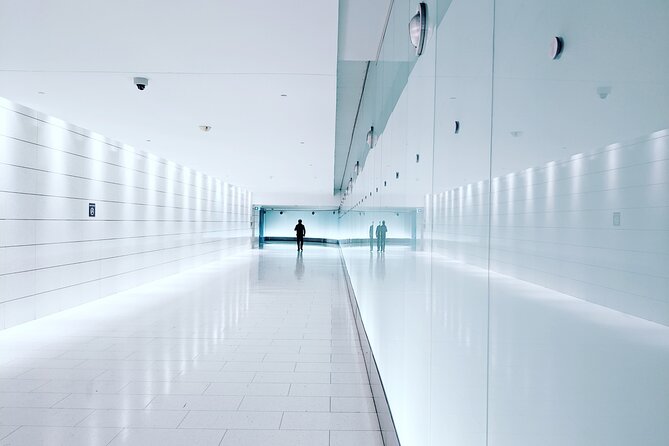
You can expect a mix of commercial and business areas rather than a quiet historic site. Some passages feel polished and modern, while others function mainly as working routes for people moving through downtown. That variety is part of the experience.
The guide explains the system’s development and points out how different spaces connect. You may pass through several levels, use escalators, and stop in places where the design or layout helps explain Montreal’s approach to underground development.
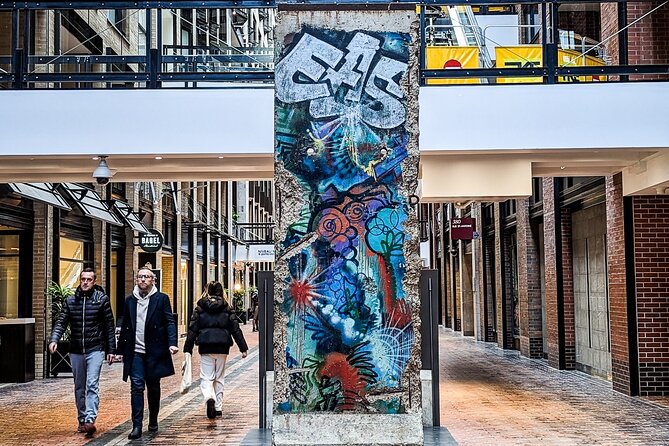
Public art appears as one theme among several. If you are booking this mainly to see a long list of artworks, set your expectations carefully. The tour includes artistic and architectural points of interest, but it also covers navigation, urban planning, history, and the broader downtown setting.
That wider scope is a strength for many people. You get context instead of isolated facts. A sculpture or building becomes part of a larger story about how Montreal uses its public and private spaces.
The underground setting can also affect the pace. You may stop often for explanations, then move briskly to the next connection. It is worth staying close to the guide, especially in areas with several routes or levels.
Coming back above ground for Montreal’s downtown story
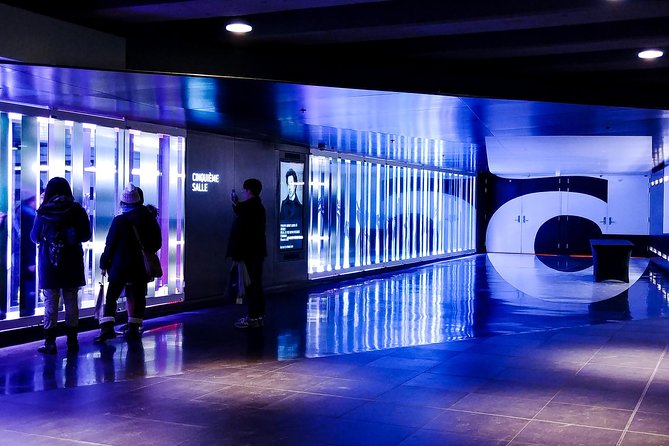
The tour repeatedly returns to street level. These outdoor sections prevent the experience from becoming a blur of corridors and storefronts.
Above ground, you can orient yourself by looking at the streets and buildings you may later use as reference points. The guide connects the underground routes with downtown Montreal’s architecture and public spaces, helping you understand where you are instead of simply following signs.
This balance is one of the tour’s best features. You see the RESO as a working part of downtown, not a separate attraction detached from city life. The route also brings in historical, cultural, political, and religious subjects, depending on the guide and the stops selected.
Darren, Martin, Sylvia, Jeff, Catherine, Amelie, Gabriela, Carolina, Louis, and Tom have all led tours praised for clear explanations, humor, useful answers, and an engaging pace. Guides are not interchangeable, of course, so your experience will depend partly on who leads your departure. The common benefit is having a local person explain connections that are difficult to understand from a map alone.
The street-level sections also give you a break from the enclosed atmosphere underground. On a cold or snowy day, that means you need proper outer clothing, even if much of the walk takes place indoors. In mild weather, the outdoor portions make the route feel more like a downtown walking tour with an unusual underground component.
A few more cave trips around the world worth a look
- Chichen Itza, Cenote, and Valladolid Tour
★ 5.0 · 24,293 reviews - Naples: Naples Underground Entry Ticket and Guided Tour
★ 4.4 · 21,781 reviews - Chichen Itza, Cenote & Valladolid Tour with Tequila and Lunch
★ 4.5 · 15,789 reviews - Colosseum: Underground and Ancient Rome Tour
★ 4.7 · 12,691 reviews
What you learn beyond directions
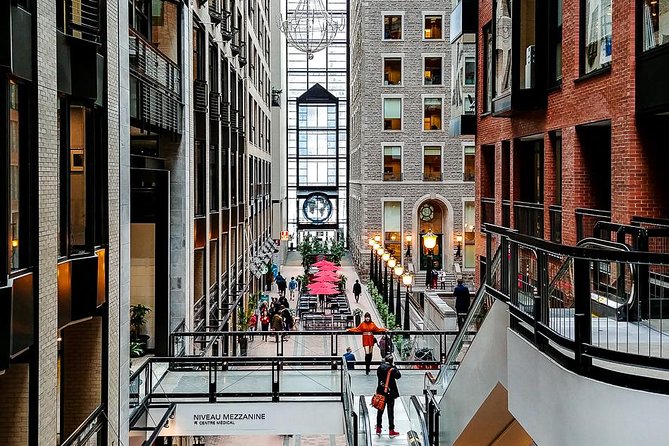
The tour is useful for more than getting from one tunnel to another. The commentary places RESO within Montreal’s larger development.
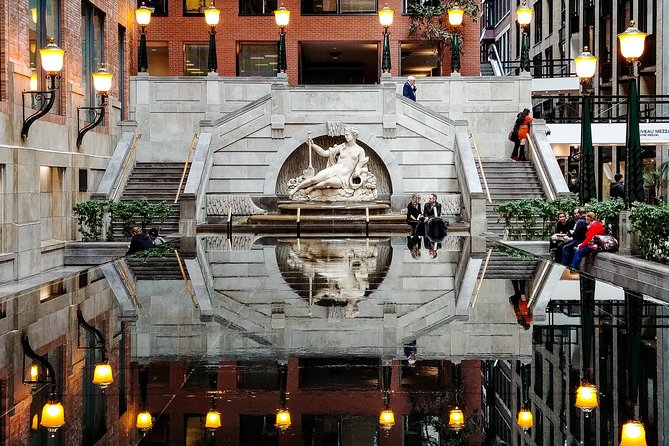
You may hear about the way downtown has grown, how buildings connect, and how indoor pedestrian routes affect daily movement. Architecture and public art provide visible examples, while the history of the city gives those examples meaning.
This is especially useful if you have only a short stay. A two-hour orientation can give you a working sense of downtown before you spend the rest of your visit exploring on your own.
I also like that the experience is suitable for Montreal residents who want to understand their own city better. The route is not limited to first-time visitors, and the focus on architecture, urban growth, and public spaces gives repeat visitors something to consider.
The guide also provides an MTL Detours list of recommendations for places and activities in Montreal. That adds value at the end of the tour, when you are ready to decide where to eat or what area to visit next. The recommendations are more useful because you have just been shown the downtown layout in person.
A steady 4-kilometre walk, not a casual wander
The most important practical detail is the walking distance. The tour covers about 4 km, or 2.5 miles, in roughly two hours.
That works out to a steady pace with repeated stops. You are not racing, but you are also not wandering slowly from one point to another. The route includes several stairs and escalators, and you may move between different levels of the underground system.
Wear comfortable walking shoes. This is the single clearest preparation tip for the experience.
The tour is not recommended for people with mobility issues, impairments, serious medical conditions, or a very slow walking pace. It is also not designed for someone who wants to sit frequently. If you need frequent rests or have trouble with stairs and escalators, this may not be a good match.
The age minimum is 12, and every participant needs a paid ticket. Minors must attend with an adult. Families with teenagers who enjoy city history and walking should find the subject matter suitable, but younger children may not appreciate two hours of explanation and steady movement.
Small groups make the commentary easier to follow
The tour allows no more than 12 participants. That is a useful limit in busy indoor areas, where a large group could easily become scattered.
A small group also makes it easier to hear the guide. This matters underground, where surrounding noise and echoes can interfere with commentary. You can ask questions without needing to interrupt a large crowd.
The strongest guide feedback focuses on clear pacing, humor, and answers to questions. Darren has been praised for covering a great deal of useful information while keeping the mood light. Martin is noted for entertaining explanations, while Catherine and Sylvia are praised for combining history with a comfortable walking rhythm.
Still, pacing can vary. One experience may feel brisk if the guide is trying to cover a lot of ground within two hours. Stay near the front of the group and speak up if you cannot hear. The guide’s job is to keep everyone together and reach the planned stops on time, so the route cannot always slow down for every individual.
Is $35.30 a good value?
At about $35.30 per person, this is a reasonably priced two-hour walking tour, especially if you are new to Montreal and want both orientation and history.
You are paying for a licensed, certified guide with the required City of Montreal guiding permit, not simply access to the RESO. The real value is the explanation: how the network connects, why it exists, what you are seeing above ground, and how to use the system later.
The price is less compelling if you only want to walk through the tunnels on your own. RESO is free to use, and you can explore some parts without booking a tour. You are paying for structure, context, and the chance to ask questions.
I think the value is strongest on your first or second day in Montreal. You can use the orientation for the rest of your trip, especially in poor weather. It is also a good choice if you have only a short time in the city and want an efficient introduction to downtown.
Gratuities are not included. They are optional, but customary and appreciated if your guide gives you a useful, engaging experience.
Meeting point, ending point, and weather
The tour ends at the World Trade Center, or Centre de commerce mondial de Montréal, at 747 Rue du Square-Victoria. That location puts you near Old Montreal, downtown, and public transportation, so you can continue sightseeing or find a meal without returning to the starting point.
Because the experience includes outdoor walking, check the forecast and dress accordingly. The tour requires suitable weather, and poor conditions can lead to a different date or a full refund.
You receive confirmation when booking, and the activity is near public transportation. Hotel pickup and drop-off are not included, so you make your own way to Café Humble Lion and arrange your return from the World Trade Center.
Free cancellation is available up to 24 hours before the start time for a full refund. Changes or cancellations within 24 hours are not accepted for a refund. The same 24-hour rule applies if you need to adjust your plans, so do not leave the decision until the last minute.
Who should book this Montreal tour?
I would choose this tour if you want a practical introduction to downtown Montreal and expect to use the RESO during your stay.
It suits:
- First-time visitors who find underground connections confusing
- Couples and friends who enjoy city history and architecture
- Families with children aged 12 or older who can manage a steady walk
- Short-stay visitors who want a useful downtown overview
- People visiting during cold, snowy, or rainy weather
- Montreal residents curious about places they have never explored
I would think twice if your main goal is a dedicated public-art tour. Art is included, but it shares time with navigation, history, architecture, urban planning, and outdoor sights.
I would also skip it if you need a slow pace, frequent seating, or an accessible route without stairs and escalators. The tour covers a lot in two hours, and its value depends on your ability to keep moving.
Final verdict: book it early if you want an orientation
Book the Montreal RESO Underground City and Downtown Tour by MTL Detours if you want to understand how downtown works rather than simply pass through it.
The strongest reason to go is the combination of practical directions and city context. You learn where the underground routes lead, then step outside to see how they fit with Montreal’s streets and buildings. The small group, licensed guides, and recommendation list add useful value for a modest price.
Schedule it near the start of your stay, wear good walking shoes, and expect a brisk two hours. If you do that, you will leave with more than a collection of tunnel views. You will have a better sense of direction and a much clearer idea of how to use one of Montreal’s most unusual city systems.
FAQ
How long is the Montreal RESO and Downtown Tour?
The tour lasts approximately two hours and covers about 4 km, or 2.5 miles, at a steady city-walking pace.
Does the tour take place entirely underground?
No. It combines indoor sections of the RESO network with outdoor stops in downtown Montreal.
Where does the tour start?
The tour starts at Café Humble Lion, located at 1204 Avenue McGill College in Montreal.
Where does the tour end?
It ends at the World Trade Center, also called Centre de commerce mondial de Montréal, at 747 Rue du Square-Victoria.
Is the tour suitable for children?
The minimum age is 12. Minors must be accompanied by an adult, and every participant requires a paid ticket.
Do I need to be physically fit for the tour?
You should have a moderate level of physical fitness. The route includes about 4 km of walking, several stairs and escalators, and a steady pace. It is not suitable for people with mobility issues, impairments, serious medical conditions, or a slow walking pace.
Can I cancel for a full refund?
Yes. You can cancel at least 24 hours before the start time for a full refund. Cancellations or changes made within 24 hours are not eligible for a refund.
Just added around the world
- From Hanoi: Hoa Lu, Mua Cave and Tam Coc Full-Day Trip★ 4.6 · 164 reviews
- From Hanoi: Ninh Binh, Bai Dinh, Trang An and Mua Cave Trip★ 4.7 · 20 reviews
- Hanoi: Halong Bay Day Trip with Titop Island, Cave, & Kayak★ 4.7 · 528 reviews
- From Hanoi: Ninh Binh Bai Dinh or Hoa Lu, Trang An, Mua Cave★ 3.7 · 32 reviews
- From Hanoi: Halong Bay 1 Day Trip Visit Cave, Island, Kayak★ 4.7 · 20 reviews
- From Hanoi: Hoa Lu/Bai Dinh-Tam Coc/Trang An-Mua Cave Tours★ 4.5 · 189 reviews
- Hanoi: Halong Bay Cruise, Amazing Cave, Titov Island & Kayak★ 4.2 · 39 reviews
- From Hanoi: Bai Dinh, Trang An, and Mua Cave Full-Day Tour★ 4.6 · 235 reviews
Catacombs & Underground City Tours, compared.
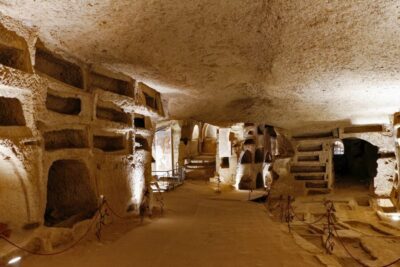
Naples: Catacombs of San Gennaro Entry Ticket & Guided Tour
Read our review →
Rome: Capuchin Crypts and Catacombs Tour with Transfers
Read our review →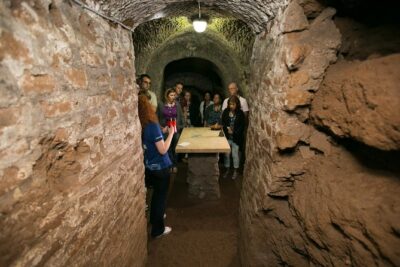
The Original Roman Crypts and Catacombs Tour with Transfers
Read our review →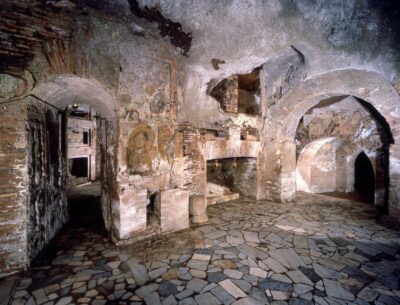
Rome: Catacombs of St. Callixtus Entry Ticket & Guided Tour
Read our review →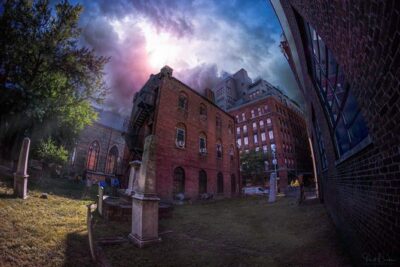

Full Day Cappadocia Tour( Red Tour + Underground City )
Read our review →
Rome: Guided Roman Catacombs Tour with Transfers
Read our review →
Browse the lists this tour appears in