
REVIEW · SALT MINE
Sacred Valley of the Incas Tour with Moray & the Salt Mines
The Moray terraces and Maras salt mines give this Sacred Valley trip its best twist. You see the famous Inca centers at Pisac and Ollantaytambo, then move into working traditions that still matter today: salt farming at Maras and textile culture in Chinchero.
I like the small maximum group of nine, which gives your guide room to answer questions. I also like the included buffet lunch in Urubamba, a useful break in a long day rather than another meal stop you must arrange yourself.
The catch is the pace. Seven stops in about nine hours leaves limited time at each place, and some departures may include shopping stops for silver, alpaca clothing, or snacks. This suits you if you want broad coverage in one day, not a slow visit at every site.
Key points to know before booking
- Moray and Maras add variety: You get Inca terraces, colonial-era villages, salt ponds, and working Andean traditions in one circuit.
- The group is capped at nine: This is more personal than a large coach tour, with room for questions and a guide such as Julio or Adolfo to explain details.
- Lunch is included in Urubamba: A buffet meal breaks up the long drive and is part of the $99 price.
- Entrance fees cost extra: Budget about USD 20, or 70 soles, for the archaeological sites, plus 10 soles for Maras.
- The day runs from 7 a.m. into the evening: You cover a lot of ground, but each stop can feel brief.
- The return point is central Cusco: The tour ends at Plaza Regocijo, one block from Plaza de Armas.
What this Sacred Valley day is really trying to do
This is a greatest-hits route with a useful difference. Many Sacred Valley outings focus on Pisac and Ollantaytambo, the two major Inca sites. This one adds Moray, Maras, and Chinchero, so you see farming, salt production, weaving, and town planning in the same day.
That wide range is the main value. You are not simply looking at stone walls. You are seeing how the Incas used hillsides for agriculture, how communities still produce salt, and how Andean villages keep older crafts and customs in daily use.
The tradeoff is time. The tour lasts about nine hours, but driving between sites takes a large part of the day. You should expect a brisk schedule, especially if you want photographs, a guide’s explanation, and time to explore on your own.
The price is $99 per person. That includes round-trip transport, a bilingual local guide, and buffet lunch, but not the site fees. Add about USD 20, listed as 70 soles, for archaeological entrances and another 10 soles for Maras. At roughly $99 plus those admissions, the package is fair for a small-group day with lunch, though it is less attractive if you prefer to linger or already have transport arranged.
More Salt Mine Tours in Peru:
- From Cusco: Sacred Valley & Maras Salt Mines Tour with Lunch
★ 4.8 · 2,227 reviews - From Cusco: Moray, Maras Salt Mines & Chinchero Weavers Tour
★ 4.8 · 1,925 reviews - Cusco: Sacred Valley, Pisac, Ollantaytambo, Salt Mines Moray
★ 4.6 · 1,058 reviews
Starting above the valley at Taray and Pisac
The day begins around 7 a.m. The meeting information lists Plaza Regocijo in Cusco, while the tour description says hotel pickup is provided, so confirm the exact pickup arrangement before setting out. The return is to Plaza Regocijo, close to Cusco’s Plaza de Armas.
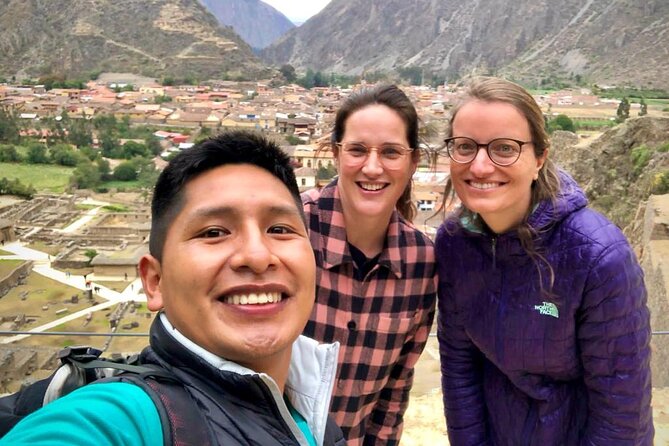
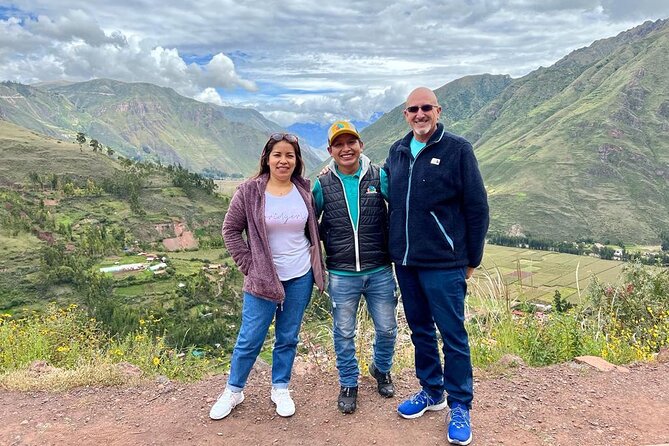
Your first major stop is Pisac. Before reaching the ruins, the vehicle pauses at a viewpoint in Taray. This is one of the most useful short stops because it lets you see the Urubamba River winding through the Sacred Valley and the villages spread along its route.
Pisac’s Inca complex sits high above the modern town. The vehicle takes you up to the main entrance, which saves some uphill effort and leaves more energy for the ruins. Your guide explains the site as you walk through it, rather than leaving you to decode the stonework alone.
Allow about an hour and a half here. The setting is a major part of the appeal, but the site also helps you see the scale of Inca construction. Terraces climb the slope, and the position above the valley makes clear why this was more than a simple farming settlement.
After the upper ruins, you descend to the main plaza. On weekends, narrow cobbled streets fill with local people selling handicrafts. This can be a pleasant place to browse, but it also introduces one of the day’s practical tensions: market time and shopping stops can reduce time for the archaeological sites.
If you want a quieter look at Pisac, keep your attention on the village and ruins rather than treating the market as the main event. You may find good textile and craft displays, but the tour is at its best when your guide connects the modern town with the older site above it.
Urubamba lunch and the practical value of a buffet
From Pisac, you continue to Urubamba, the lowest part of the Sacred Valley route. The stop lasts about an hour and includes a buffet lunch at a local restaurant.
A buffet works well on a packed schedule. You can eat without waiting for individual dishes, and you can choose how much to take before the next drive. The meal is included, which helps offset the extra admission fees and keeps you from having to plan lunch in an unfamiliar town.
The lunch is also a needed pause. This is a long day with several walks and repeated climbs or uneven surfaces at archaeological sites. If you have already spent days hiking at high elevation, the break matters even more. One person who completed this tour after a month of travel and several high-elevation hikes still found the guide and meal helped make the day manageable.
Do not mistake lunch for a long cultural visit to Urubamba. The stop is mainly for eating, not for touring the town. If you want a slower meal or time to explore independently, the fixed schedule may feel tight.
Ollantaytambo, the day’s strongest Inca site
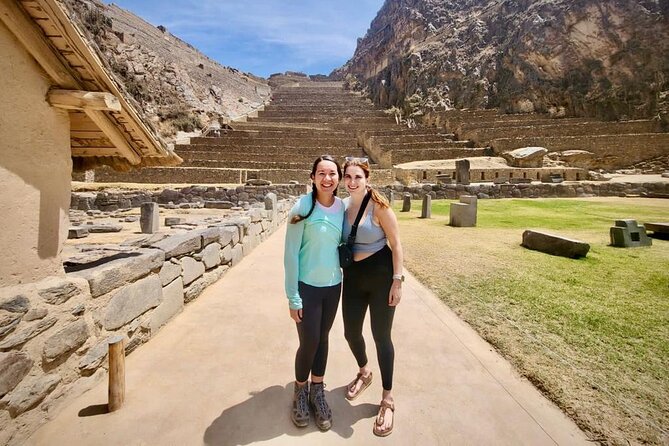
Ollantaytambo is likely the most rewarding archaeological stop for anyone interested in Inca engineering. The town is among the oldest continuously inhabited settlements associated with the Inca period, and the ruins rise directly above it.
The site shows careful planning on a large scale. Massive stonework, terraces, and the layout of the town help explain how the Incas organized both farming and settlement. Your guide’s role matters here. A good explanation turns the stones into a story about planning, power, and daily life.
The tour allows about an hour and a half. That is enough for a guided visit, but not necessarily enough to study every corner or spend much time in the village afterward. Ollantaytambo is also the rail departure point for Machu Picchu and the Inca Trail, so some people use this outing to get a first look at a place they may pass through later.
The village is positioned between two Inca ruins. That setting makes it easy to understand why the modern streets and old stonework feel connected rather than separated into a museum site and a newer town.
If you have only one day for the Sacred Valley, Ollantaytambo is a strong reason to choose this route. If you have several days, you may prefer a separate visit with more time. The schedule here is useful for orientation, but it does not offer a leisurely village afternoon.
A few more cave trips around Peru worth a look
- Cusco:Chinchero,Moray & Salt Mines drop-off in Ollantaytambo
★ 4.8 · 793 reviews - From Cusco: Quad bike tour Moray and Salt Mines
★ 4.7 · 314 reviews - Lima: Water Magic Circuit, Downtown and Catacombs Night Tour
★ 4.8 · 142 reviews - From Cusco: Moray, Maras Salt Mines & Chinchero Weavers Half-Day
★ 5.0 · 126 reviews
Moray and the Inca farming experiment
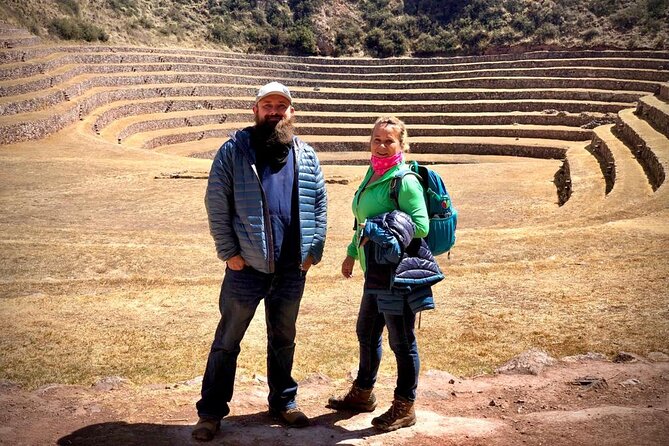
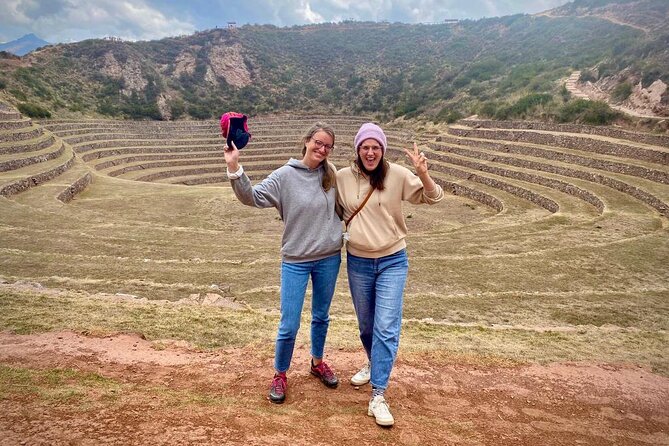
After Ollantaytambo, the route turns toward Moray. The site is known for its circular terraces, which sink into the earth in broad rings.
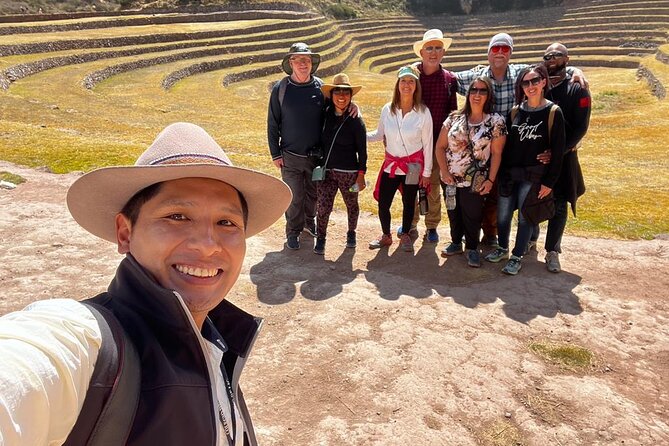
The standard explanation is that the Incas used Moray as an agricultural laboratory. Each terrace level has a different temperature, allowing crops to be tested in different conditions. The site gives you a clear example of Inca farming as organized observation rather than simple planting on a hillside.
Moray is visually unlike the other ruins on the route. Pisac and Ollantaytambo emphasize walls, terraces, and settlements. Moray’s circles create a clean, geometric pattern that is easy to understand from above and worth photographing from several angles.
The visit lasts about an hour, and the entrance fee is not included. Keep that extra charge in mind when comparing this tour with cheaper options. The additional cost pays for access to a site that adds a real change of pace to the day.
Your guide can also help keep the explanation grounded. The phrase agricultural laboratory is useful, but the site is more than a striking shape. It shows how closely food production was tied to Inca planning and adaptation.
Maras and the salt pools that still produce salt
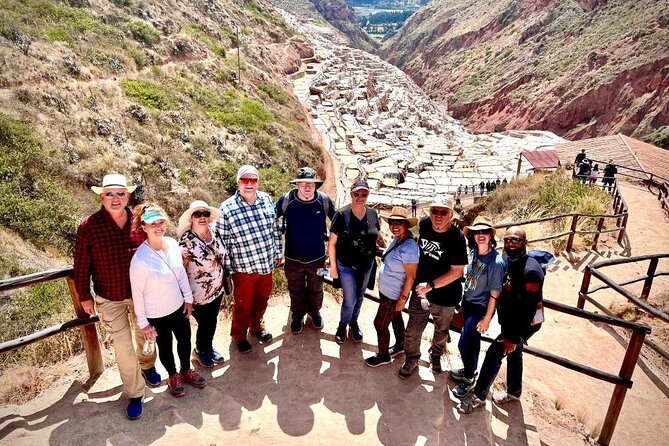
Maras is one of the most distinctive stops. Instead of stone ruins, you see thousands of small salt ponds arranged on a mountainside. Water flows through the ponds, and the sun evaporates it, leaving salt behind.
The local method is solar evaporation, and it continues from generation to generation. That living practice gives Maras a different feel from a purely archaeological site. You are looking at a working tradition, not only at something preserved from the past.
The tour allows about an hour. The guide explains how the salt farming works, which helps you notice the channels, pond divisions, and changing colors. The view is strongest when you look across the full spread of ponds rather than focusing on one pool.
Maras has a separate admission fee of 10 soles per person. It is modest, but it is easy to forget because the archaeological admission is listed separately. Bring enough local currency or confirm accepted payment methods before the day begins.
As with the other stops, conditions and the pace can affect the visit. You may want more time for photographs than the schedule allows. Still, Maras is one of the reasons this route feels broader than a standard ruins tour.
Chinchero brings textiles and Inca foundations together
The final major stop is Chinchero, a quiet Andean village known for textiles. It is often left out of shorter Sacred Valley routes, so its inclusion gives the day a more local finish.
The village has a whitewashed church built on the site of an Inca royal palace linked with the emperor Pachacutec. That combination of colonial religious architecture and Inca foundations is worth looking for. It shows how later buildings often reused or occupied important earlier places.
Chinchero is also known for fertile soil, farming terraces, and water channels. Those channels are a reminder that Inca engineering was not limited to grand walls. Water management and food production shaped ordinary settlement life as much as royal centers did.
Textile demonstrations or sales may be part of the stop. The cultural connection can be useful, but you should know that shopping is one of the concerns raised about this type of full-day route. Some departures may include stops focused on silver, alpaca clothing, or snacks. If you are not shopping, be clear with yourself about how much time you want to give these visits.
Chinchero is a good final stop because it widens the story beyond military sites and monumental stonework. The setting is calmer, and the focus shifts to craft, farming, and the way old structures remain part of present-day life.
Guide quality can shape the whole day
A bilingual local guide is included, and the guide can make a major difference on a route with this many stops. Julio is described as patient and willing to answer questions. Adolfo is remembered for energetic, helpful explanations, while Luis, the driver, was praised for steady and safe driving.
Those details point to what you should expect from the best version of this tour: clear explanations, a guide who does not rush every question, and a driver who handles the long route with care. The group limit of nine also helps. You are not trying to hear a quiet explanation from the back of a large coach.
At the same time, a small group does not guarantee a slow itinerary. The schedule itself remains packed. If you want to ask questions, do so as you go rather than waiting until the final stop.
Transport, timing, and what to pack
Private transport is included, which is important because the route covers several towns and sites spread across the Sacred Valley. You avoid arranging separate taxis or buses, and the vehicle returns you to central Cusco in the evening.
The day starts at 7 a.m. and ends back at Plaza Regocijo, a block from Plaza de Armas. That central finish is handy for dinner or a short walk through the historic center, but you should plan for a full day rather than a late afternoon return.
Wear shoes suited to uneven archaeological paths and bring sun protection. The tour information does not specify equipment or weather provisions, so keep your personal needs simple and practical. Carry money for the 70 soles archaeological admission and 10 soles Maras fee, plus any personal purchases.
The schedule works best if you accept that this is an overview. You will see a lot, learn the main story of each place, and get a feel for the region. You will not have unlimited time to sit, sketch, shop, or wander off on your own.
Who should book this Sacred Valley tour
I would choose this day if you have limited time in Cusco and want one organized route covering the major cultural stops. It suits you especially well if you want a guide to explain the sites, prefer not to arrange transport, and value having lunch included.
It is also a good fit if you want more than the standard Pisac and Ollantaytambo pairing. Moray, Maras, and Chinchero bring agriculture, salt production, textiles, and village life into the picture.
I would hesitate if your priority is depth. A private custom itinerary with fewer stops would give you more time at Ollantaytambo, Pisac, or Chinchero. I would also think twice if shopping stops irritate you or if you dislike early starts and long driving days.
Free cancellation is available if you cancel at least 24 hours before the start time. Changes or cancellations inside that window are not accepted for a refund.
Should you book it?
Book this tour if you want a broad, well-organized Sacred Valley introduction with a small group, a bilingual guide, transport, and lunch. The combination of Inca ruins, Moray’s terraces, Maras salt ponds, and Chinchero’s textile traditions gives you a fuller picture than a shorter ruins-only outing.
Skip it in favor of a slower private plan if you need generous time at every stop. At $99 plus entrance fees, it offers solid value for coverage and convenience, but the real cost is your time. You are buying a busy day that shows you the range of the Sacred Valley, not a relaxed day devoted to one or two places.
FAQ
What time does the tour start?
The tour starts at 7:00 a.m. The meeting information lists Plaza Regocijo in Cusco, while the tour description also refers to hotel pickup, so confirm the exact pickup point when booking.
Where does the tour end?
The tour ends at Plaza Regocijo in Cusco, about one block from Plaza de Armas.
How many people can join the tour?
The group has a maximum of nine people.
Is lunch included?
Yes. A buffet lunch in Urubamba is included in the tour price.
Are entrance fees included?
No. Archaeological site entrances cost about USD 20, listed as 70 soles per person, and Maras has a separate 10-sol entrance fee.
Can I cancel for a full refund?
Yes, if you cancel at least 24 hours before the experience start time. Cancellations or changes made less than 24 hours in advance are not accepted for a refund.
Just added around Peru
- Moray and Maras Salt Mines Full Day Tour – Small Groups★ 5.0 · 79 reviews
- Sacred Valley Private Tour, Moray & Salt Mines Incluided★ 5.0 · 41 reviews
- From Cusco: Moray, Maras Salt Mines & Chinchero Weavers Half-Day★ 5.0 · 126 reviews
- Salt Mines(Maras),Moray and Chincheros★ 5.0 · 41 reviews
- Tour of Lima with a visit to the catacombs of San Francisco.★ 4.2 · 24 reviews
- Lima: Historic Downtown, Miraflores & Catacombs Private Tour★ 4.5 · 28 reviews
- Lima: City Highlights Walking Tour & Catacombs★ 4.9 · 41 reviews
- Lima: Water Magic Circuit, Downtown and Catacombs Night Tour★ 4.8 · 142 reviews
Salt Mine Tours, compared.
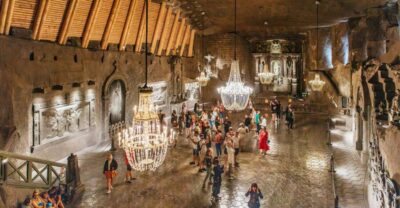
Krakow: Wieliczka Salt Mine Tour with Entry Ticket
Read our review →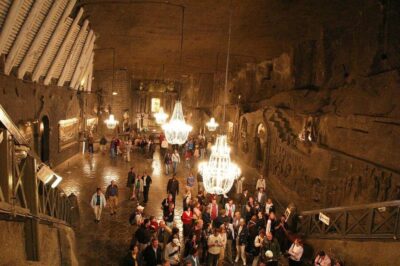
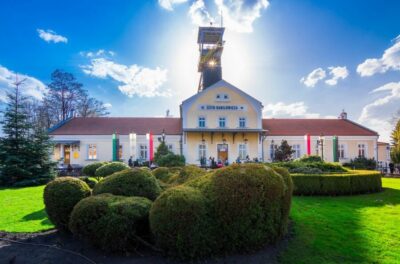
Krakow: Wieliczka Salt Mine Fast-Track Ticket & Guided Tour
Read our review →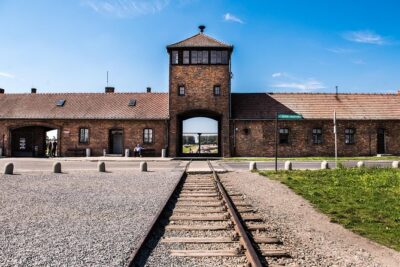
Day Trip: Auschwitz-Birkenau and Wieliczka Salt Mine from Krakow
Read our review →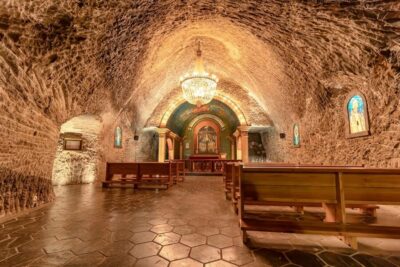
From Krakow: Wieliczka Salt Mine Tour & Skip the Line Ticket
Read our review →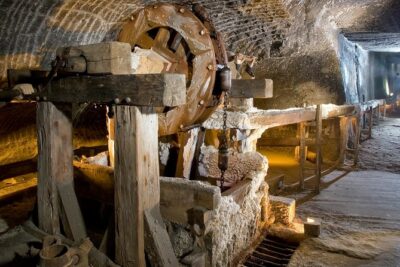
Krakow to Wieliczka: Salt Mine Guided Tour with Ticket & Transfer
Read our review →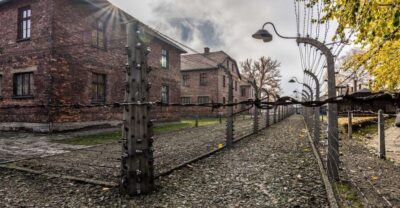
Kraków: Auschwitz-Birkenau & Salt Mine Full-Day Guided Tour
Read our review →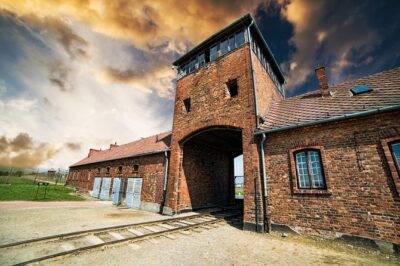
Auschwitz Birkenau and Wieliczka Salt Mine Guided Full Day Tour
Read our review →Browse the lists this tour appears in