
REVIEW · BATTAMBANG
Battambang: Bamboo Train, Bat Cave and Killing Cave Tour
Battambang’s best afternoon show may be the bat flight at dusk, when thousands of bats stream from the cave into the evening sky. It is a striking finish to a tour that also covers the Bamboo Train, a Khmer Rouge memorial site, old city buildings, and quiet countryside.
I like the mix of local history and everyday rural life, especially when guides such as Bun stop to explain plants, fruit, farming, and village life. I also like the simple $12 price, which includes a tuk-tuk, water, city pickup, and cave entry. The main catch is that the Bamboo Train costs another $5 per person, and the six-hour outing can feel warm and tiring in the afternoon.
Key points to know
- The bat flight is the evening finale: Plan on staying until dusk for the most memorable sight.
- Bamboo Train ticket costs extra: Add $5 per person to the $12 tour price.
- Bun, Rotha, Tha, and other guides add local context: The best part of the ride is often the explanation of Cambodian life between major stops.
- You get more than the headline sights: The route includes colonial buildings, Wat Domrey Sor, the governor’s house, Battambang’s city symbol, villages, and a suspension bridge.
- Pickup is limited to Battambang city: You can be collected from your hotel or restaurant, but not from outside the city.
- Bring sun protection and cash: Comfortable shoes, a hat, sunglasses, sunscreen, a camera, and cash are useful.
Why this six-hour Battambang outing works
This tour gives you a broad introduction to Battambang without asking you to commit a full day. It begins at 1:00 pm and returns around 7:00 pm, using the cooler end of the day for the countryside and cave visits.
I like this timing. The city stops come first, when you are still fresh, and the bat cave comes late enough for the bats to appear. You do not need to arrange several short tuk-tuk trips or work out the best order yourself.
The tour also has a useful balance. The Bamboo Train is light and playful. The Killing Cave is quiet and difficult. The countryside ride fills in the space between them with views of villages, fields, plants, and daily life.
It is not a luxury excursion. Your transport is a tuk-tuk, the guide is also the driver, and the tour can include up to 10 people. That means the experience is informal rather than polished. For $12, though, the value is strong. Add the $5 Bamboo Train ticket, and your basic cost is $17 per person before any food or personal spending.
More Train Rides in the world:
- Battambang: Tuk-Tuk, Bamboo Train, Killing/Bat Caves, Sunset
★ 4.9 · 1,436 reviews - From Athens: Meteora Caves & Monasteries Day Trip by Train
★ 4.8 · 468 reviews - Afternoon tour by tuk tuk to bamboo train,bat cave,killing cave,countryside.
★ 5.0 · 344 reviews
Battambang city sights before the countryside
The afternoon starts with pickup at your hotel or restaurant in Battambang city. The first section is a short introduction to the town, including French colonial buildings, Wat Domrey Sor, the governor’s house, and the statue or symbol known as Lok Ta Dombong Kranhung.
These stops matter because they give the tour a city setting before the rural ride begins. Battambang is not presented only as a collection of amusement-style attractions. You see reminders of its colonial past, religious life, and local identity.
Do not expect a long walking tour at every site. The format is a moving overview, with short stops and explanations from the guide. That suits you if you want to see several landmarks in one afternoon. If you prefer detailed architecture tours, the pace may feel quick.
The strongest guides add personal and practical detail here. Bun, Rotha, Tha, and guides known as Bruce Lee and Mr Bun have been praised for explaining Cambodian culture, recent events, and ordinary life in clear English. Some guides also stop to point out plants, fruit, animals, or farming methods when you show interest.
That flexibility is worth noticing. You are not locked into a silent transfer from one attraction to the next. If you want to understand how people live outside the tourist center, ask questions during the ride.
Along the river, villages, and the suspension bridge
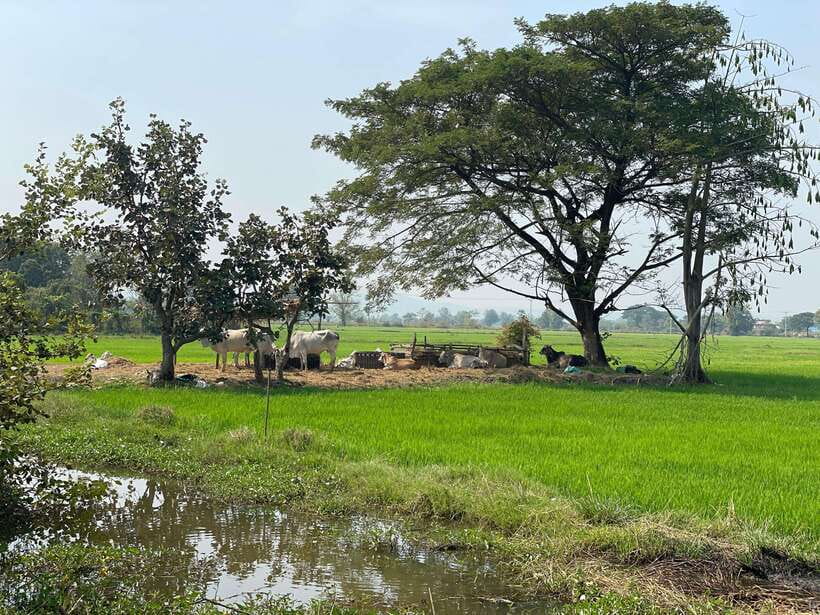
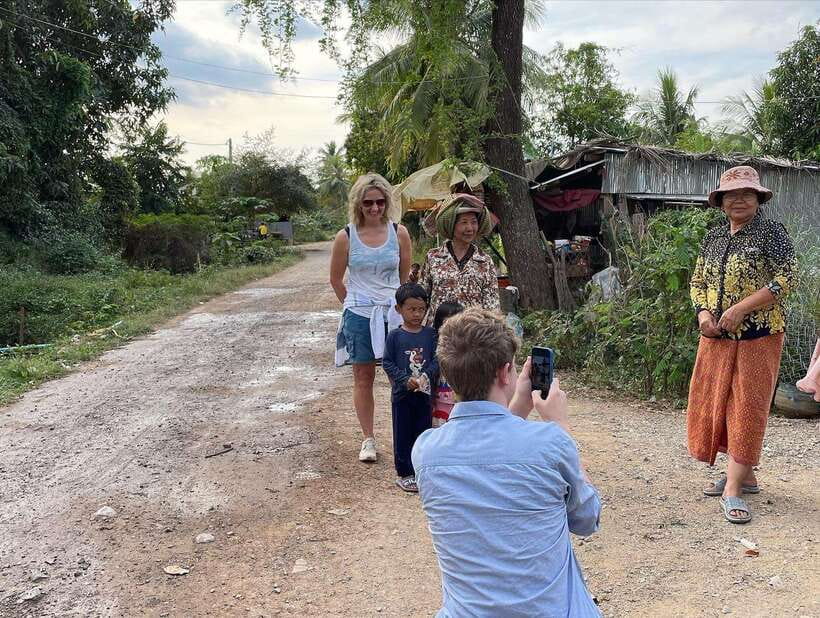
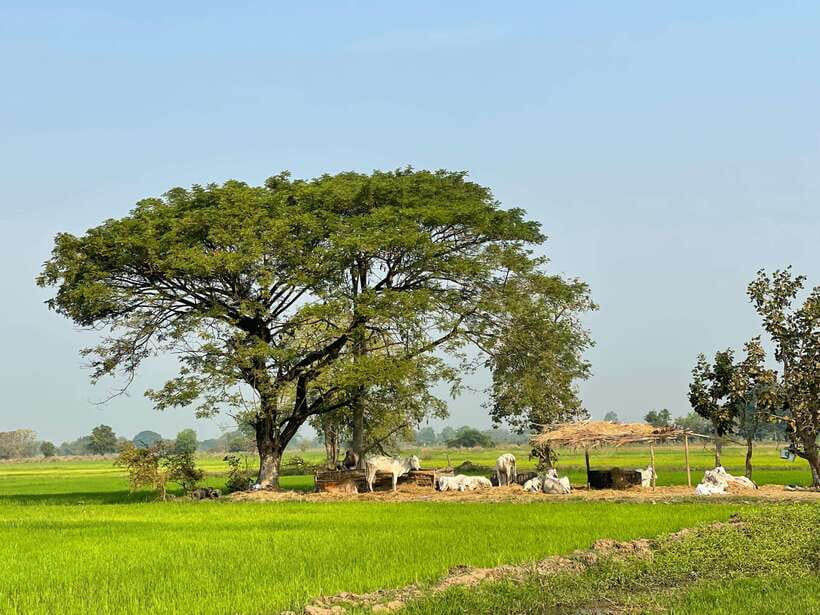
After the city, the tuk-tuk heads along the river toward smaller villages and the countryside. This is one of the more useful parts of the tour because it slows the pace and lets you see Battambang beyond its central streets.
You may pass homes, crops, trees, and working farmland. The supplied details do not promise a set list of village stops, so think of this as a scenic and cultural ride rather than a formal village visit. Your guide may pull over when something catches your attention, particularly if you want to learn about plants, fruit, or farming.
The suspension bridge adds another simple but memorable stop. It is not presented as a major engineered attraction, and that is part of its appeal. You get a quick look at how local routes connect communities and a chance to take photographs before continuing to the Bamboo Train.
This stretch also explains why a tuk-tuk works well. You are close to the road, exposed to the sounds and smells of the countryside, and able to stop more easily than you could in a large vehicle. The tradeoff is heat, dust, and limited shelter. Wear light clothing and use sunscreen before leaving town.
Riding Battambang’s Bamboo Train
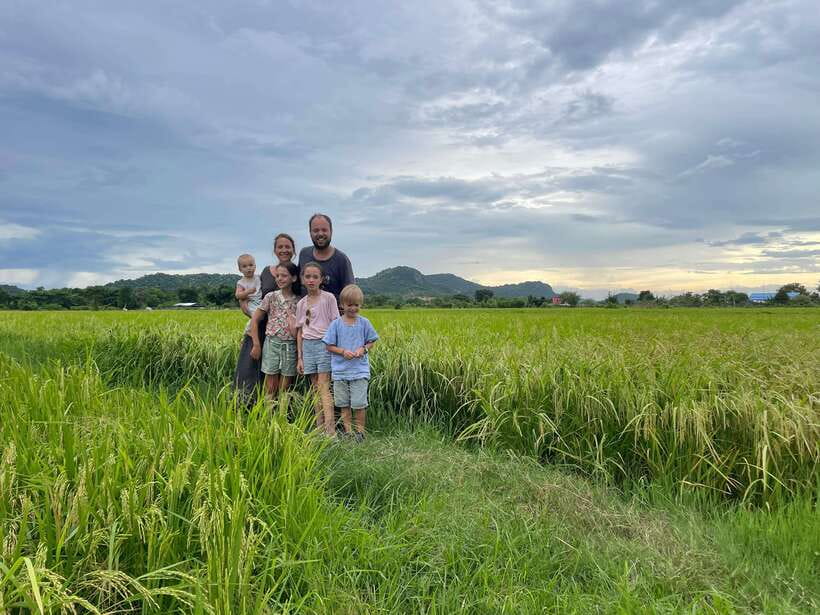
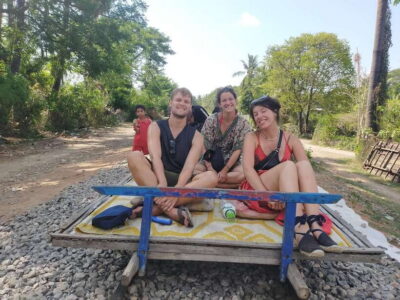
The Bamboo Train is the tour’s most playful stop. You sit on a small bamboo platform fitted to the railway track, then ride through the countryside. The experience is simple, open-air, and unlike a normal train journey.
The ride costs $5 per person and is not included in the tour price. Bring cash for this extra charge. At the advertised $12 tour rate, the Bamboo Train changes the total from a very inexpensive outing to a still-reasonable $17 per person.
Allow plenty of room for this stop. The itinerary gives the Bamboo Train section a large share of the afternoon, although the overall tour lasts six hours. Exact time at the railway can vary, so you should not plan a separate appointment immediately after the tour.
You will likely enjoy this part if you like low-tech local experiences more than large attractions. The train is fun because it is direct and uncomplicated. You are moving through open countryside rather than sitting inside a vehicle behind glass.
There are also limits. The ride is exposed to the sun, and the platform is basic. Comfortable shoes, sunglasses, a hat, and water are sensible. The operator supplies drinking water as part of the tour, but you should still bring cash for the train and any personal purchases.
Guides often make the experience better by explaining the railway and helping with the practical side of the stop. Do not expect a long technical lecture from the information provided, but you can use the ride to ask about Battambang, transport, or rural life.
A few more cave trips around the world worth a look
- Chichen Itza, Cenote, and Valladolid Tour
★ 5.0 · 24,293 reviews - Naples: Naples Underground Entry Ticket and Guided Tour
★ 4.4 · 21,781 reviews - Chichen Itza, Cenote & Valladolid Tour with Tequila and Lunch
★ 4.5 · 15,789 reviews - Colosseum: Underground and Ancient Rome Tour
★ 4.7 · 12,691 reviews
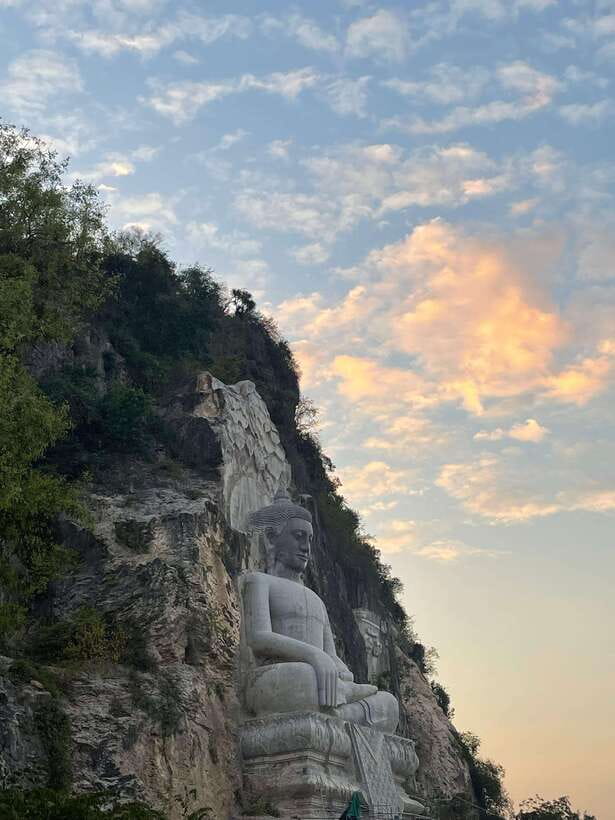
The Killing Cave and Cambodia’s painful past
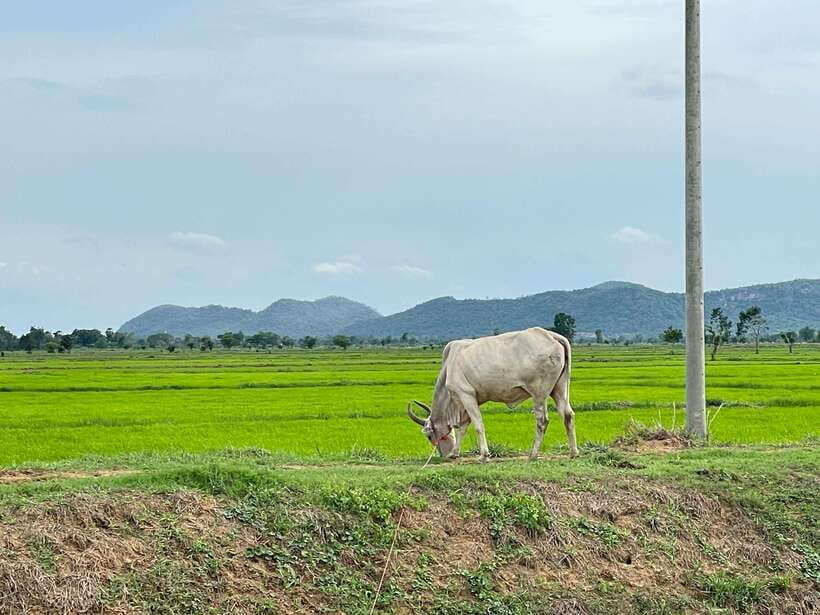
The Killing Cave is the most serious stop. It connects the afternoon to Cambodia’s recent history and the violence of the Khmer Rouge period. This is not a place to rush through with a camera and a joke.
The tour includes the entrance fee, and your English-speaking guide provides context. Several guides have been praised for explaining Cambodia’s past through both national events and personal experience. That can make the site easier to understand, but it can also make the visit emotionally heavy.
I appreciate that this stop is included alongside the lighter attractions. A day built only around the Bamboo Train and bat flight would give you fun images but a thin understanding of the area. The Killing Cave adds a necessary reminder of what Cambodian communities endured.
Give yourself a quiet moment here. Listen to the guide, ask respectful questions, and avoid treating the memorial setting as just another photo stop. The tour format does not promise a museum-style presentation, so the guide’s explanation is especially important.
The cave visit may not suit every child or every visitor who wants a purely cheerful afternoon. If you are sensitive to sites connected with mass violence, prepare yourself before you arrive. The guide can explain the setting, but the place itself remains difficult.
The bat cave at dusk
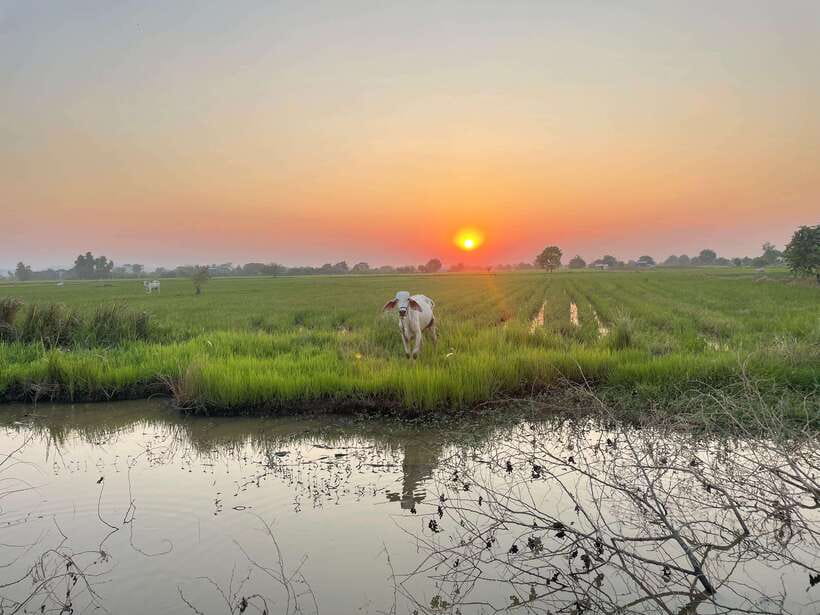
The bat cave provides the tour’s most dramatic natural sight. Near the end of the afternoon, bats emerge from the cave in a long stream as they leave to feed. The timing is the reason this tour starts at 1:00 pm and runs until about 7:00 pm.
This is a better use of the afternoon than visiting the cave in the middle of the day and leaving before anything happens. You need patience at the end, since the bats come out around dusk rather than on a rigid clock.
The experience is short compared with the whole tour, but it can be unforgettable. You watch the dark flow of bats against the evening sky while standing near a site that has already given the day a serious tone.
The supplied tour details use both Bat Cave and Killing Cave in describing the final section. Treat them as two linked cave attractions in the same late-afternoon area, with the Killing Cave providing the historical focus and the bat cave providing the wildlife sight.
Bring your camera, but keep your attention on the sky. Low light can make photographs difficult, and you may get more from simply watching the flight. A hat and comfortable shoes remain useful, since the stop comes after several hours in the sun.
The guides are a major part of the value
The tour is listed with a live English-speaking guide, but the guide is also your tuk-tuk driver. That makes the individual person important. A good guide turns a string of stops into a connected afternoon.
Bun receives especially strong praise for explaining Cambodian history, culture, farming, plants, fruit, animals, and daily life. Rotha is described as friendly and willing to answer questions. Tha is noted for safe driving and for pulling over to show interesting things along the way.
Other named guides include Bruce Lee, Mr Bun, and Tah. Names may change with availability, so you cannot assume you will receive one particular guide when booking. You can, however, expect the tour to work best when you ask questions and tell the guide what interests you.
The most useful detail from the guide feedback is the range of subjects covered. This is not only a history tour. You can ask about food, farming, plants, culture, recent events, or life in Battambang. One visitor even had the chance to try grilled rat, although that is clearly an optional and individual moment, not a promised part of the tour.
Group size is limited to 10 people. That is small enough for questions and easier tuk-tuk coordination, but it is not a private tour. If you want a fully personal schedule, confirm whether a private arrangement is available before booking. The information supplied here only guarantees a small group.
Price, timing, and what to pack
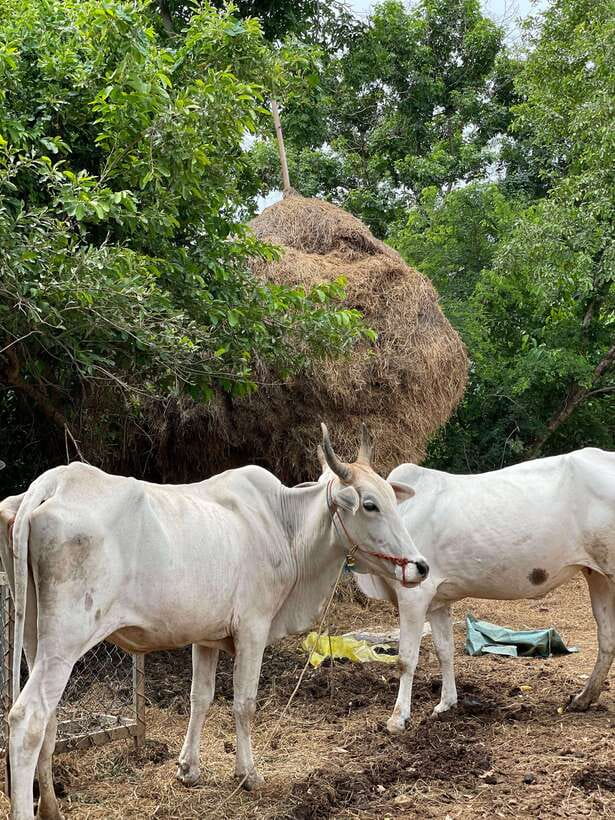
At $12 per person, the tour includes hotel pickup and drop-off within Battambang city, a tuk-tuk driver and local guide, drinking water, and entrance to the Killing Cave and bat cave.
The Bamboo Train is separate at $5 per person. That brings the expected activity cost to $17 per person, before food or other personal expenses. For six hours of transport, guiding, several city and countryside stops, and two cave visits, that is good value.
Pickup and drop-off are available only in Battambang city. Tell the provider your exact hotel or restaurant when booking. The tour begins at 1:00 pm, so do not assume a morning pickup or an out-of-town transfer.
Pack:
- Comfortable shoes
- Sunglasses
- A hat
- Sunscreen
- A camera
- Cash for the Bamboo Train and personal needs
The tour offers free cancellation up to 24 hours before departure and allows you to reserve now and pay later. Those terms are useful if your Cambodia plans are still shifting, but check the current booking conditions when you reserve.
Who should book this tour?
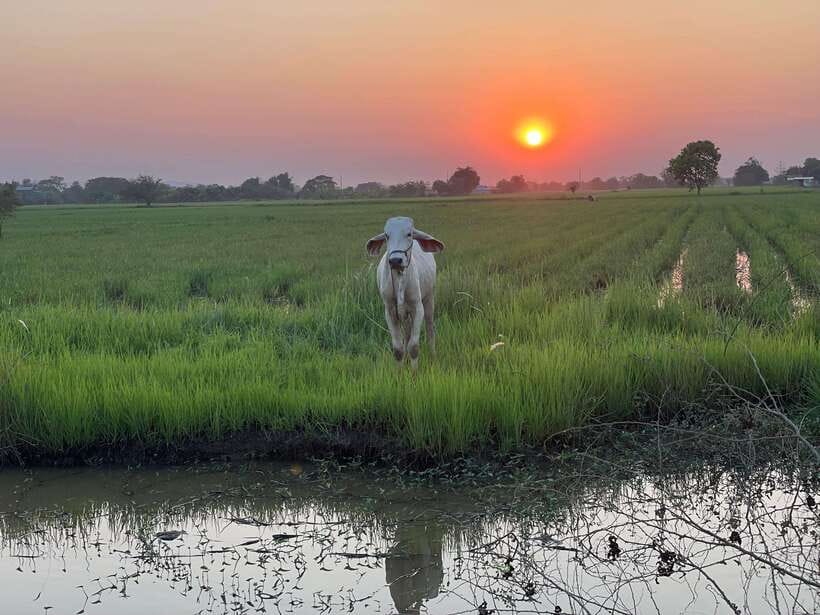
I would choose this tour if you have one afternoon in Battambang and want the major sights arranged in a sensible order. It suits you if you want a mix of history, countryside, a simple local ride, and a memorable wildlife sight.
It is also a good fit for curious visitors who enjoy asking questions. The best moments may come between the listed attractions, when your guide explains a plant, a crop, a village custom, or Cambodia’s recent past.
You may want a different plan if you dislike heat, tuk-tuk travel, caves, or emotionally serious memorial sites. The Bamboo Train is fun but basic, and the $5 ticket is an extra cost. The tour also has a fixed six-hour shape, so it is not ideal if you need a very short outing.
Should you book it?
Yes, if you want a practical first look at Battambang without paying for a full private day. The combination of the Bamboo Train, Killing Cave, countryside, and bat flight gives you more range than the low price suggests.
Book it with realistic expectations: this is a local tuk-tuk tour, not a polished coach excursion. Bring water-friendly patience, sun protection, and cash for the train. If possible, tell the guide that you want time for questions about Cambodian history and daily life. That is where this experience offers its greatest value.
FAQ
How long does the Battambang tour last?
The tour lasts six hours, beginning at 1:00 pm and returning to Battambang at about 7:00 pm.
How much does the tour cost?
The tour costs $12 per person. The Bamboo Train ticket is not included and costs an additional $5 per person.
Is hotel pickup included?
Yes. Pickup and drop-off are included for hotels or restaurants located within Battambang city.
Can I be picked up outside Battambang city?
No. Pickup and drop-off are limited to Battambang city. You should tell the activity provider your hotel or restaurant location.
What language does the guide speak?
The tour has a live English-speaking guide.
Is the Bamboo Train ticket included?
No. You pay the $5 Bamboo Train ticket separately.
What is included in the tour price?
The price includes hotel pickup and drop-off within Battambang city, a tuk-tuk driver and local guide, drinking water, and entrance fees for the Killing Cave and bat cave.
Can I cancel the booking for a refund?
Yes. You can cancel up to 24 hours in advance for a full refund. The activity also offers a reserve-now, pay-later option.
Just added around the world
- From Kraków: Wieliczka Salt Mine Guided Tour with Transport★ 4.4 · 417 reviews
- From Krakow: Wieliczka Salt Mine Half-Day Trip with Pickup★ 4.5 · 140 reviews
- From Krakow: Wieliczka Salt Mine Small Group Guided Tour★ 3.8 · 78 reviews
- From Krakow: Wieliczka Salt Mine Guided Tour & Transfer★ 4.9 · 60 reviews
- From Krakow: Wieliczka Salt Mine Tour & Hotel Pickup★ 4.3 · 38 reviews
- From Krakow: Salt Mine Guided Tour with Transfer★ 4.7 · 40 reviews
- From Krakow: Wieliczka Salt Mine Guided Tour★ 4.5 · 115 reviews
- From Krakow: Guided Tour in Wieliczka Salt Mine★ 4.5 · 59 reviews
Battambang Cave Tours, compared.
Battambang: Tuk-Tuk, Bamboo Train, Killing/Bat Caves, Sunset
Read our review →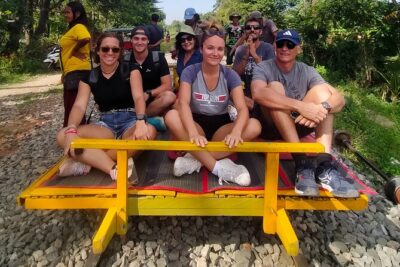
Battambang Tuk Tuk tour: Bambootrain, Killing & Bat Caves,Sunset
Read our review →
Afternoon tour by tuk tuk to bamboo train,bat cave,killing cave,countryside.
Read our review →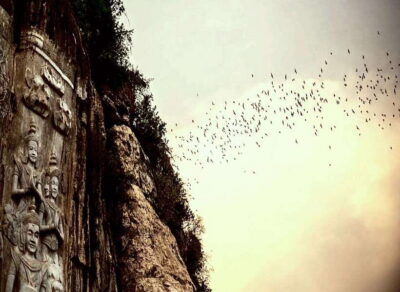
Battambang: Bamboo Train, Bat Cave, Killing Cave by Tuk Tuk
Read our review →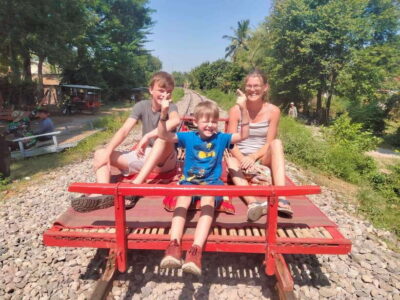
Afternoon Tour: Bamboo Train, Killing Cave &Bat Cave
Read our review →
A Day TukTuk Bambootrain, Banan, Killing & Bat Caves, Sunset
Read our review →
Battambang family tuktuk tour BambooTrain/Wat Banan/Bat cave
Read our review →Browse the lists this tour appears in