
REVIEW · BATTAMBANG
A Day TukTuk Bambootrain, Banan, Killing & Bat Caves, Sunset
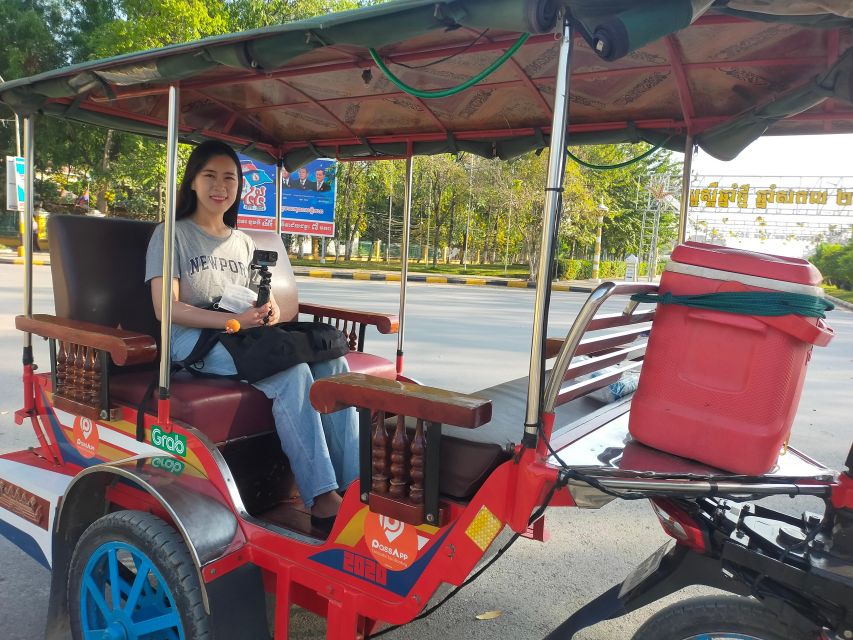
Battambang’s best sights are spread across town and the countryside, so this long tuk-tuk day makes good sense. You move from French-era buildings and village roads to Banan’s five-tower temple, then finish with the unforgettable sight of bats streaming from Phnom Sampov after dark.
I like the mix of fun and serious history. The bamboo train and rat barbecue give the day a local, slightly oddball flavor, while the Killing Cave adds needed context about Cambodia’s Khmer Rouge years. I also like that guides such as Samol, Uk Bon Thai, and Jay bring humor and personal knowledge to the ride.
The trade-off is time. At 11 hours, this is a full day in the heat, with a lot of driving, stairs, and stops. The extra $5 bamboo train fee and separate lunch also mean the advertised $14 price is not the final cost.
Key points to know
- Banan Temple requires 358 steps: Wear sensible shoes and bring water for the climb to the five-tower summit.
- The bamboo train costs $5 extra: Its appeal is the countryside ride and old-fashioned character, not speed or luxury.
- The Killing Cave is emotionally difficult: You will learn about mass executions during the Khmer Rouge period.
- The bat flight is the evening finale: Plan to wait for up to 50 minutes as millions of bats leave the cave.
- You see real countryside life: Fruit plantations, rice fields, farmers, villages, a suspension bridge, and fruit bats all feature along the route.
- The price is low but the day is long: Admission, transport, water, fruit salad, and hotel pickup are included, but lunch and personal spending are not.
Why this Battambang day works so well
I see this as a broad introduction to Battambang rather than a slow, specialist tour. You get city sights, temples, rural roads, food, recent history, and wildlife in one carefully packed day.
The tuk-tuk is the right vehicle for this area. You can see rice fields and homes as you travel, feel the air change outside town, and stop to talk with farmers. It is also easier to reach Banan and Phnom Sampov by tuk-tuk than by trying to arrange separate rides.
The strongest part of the experience is the way the guide connects the stops. A temple is more meaningful when you understand its Hindu and Buddhist past. The Killing Cave carries more weight when you hear about Cambodia between 1975 and 1979. Even the bat flight becomes more memorable after a day spent learning about the province.
Guide quality matters here. Samol has led many of the departures and is known for clear explanations, jokes, magic tricks, and a constant supply of stories. Other named guides include Uk Bon Thai and Jay. You should expect an English-speaking guide, but the exact guide depends on the departure.
More Tuk-Tuk Rides in the world:
- Battambang: Tuk-Tuk, Bamboo Train, Killing/Bat Caves, Sunset
★ 4.9 · 1,436 reviews - Battambang Tuk Tuk tour: Bambootrain, Killing & Bat Caves,Sunset
★ 5.0 · 799 reviews - Afternoon tour by tuk tuk to bamboo train,bat cave,killing cave,countryside.
★ 5.0 · 344 reviews
An easy start through Battambang town
Pickup begins around 8:20 AM from accommodation or a restaurant within 5 kilometers of Battambang town. The first part introduces the city through its buildings, central market, provincial hall, and the statue of Ta Dambong Kranhoung, the local symbol of Battambang.
This city section is not a long walking tour. It is more of an orientation from the tuk-tuk, with explanations of Cambodian culture, religion, agriculture, folk stories, and local history. I like this approach for a first morning because you get your bearings before heading into the countryside.
If city architecture is your main interest, you may want extra time elsewhere in Battambang. One person specifically wished for more walking in town. This tour gives priority to the province’s major sights instead of lingering over every old building.
Village roads, plantations, and the original bamboo train
The countryside drive is one of the day’s most pleasant sections. You pass small villages, fruit plantations, rice fields, and local homes. There is also a suspension bridge and time to stop, look around, and speak with farmers.
This is where the tour feels less like a checklist. You are not only being taken from one famous site to another. You see how people live and work outside Battambang, with agriculture still shaping the daily rhythm.
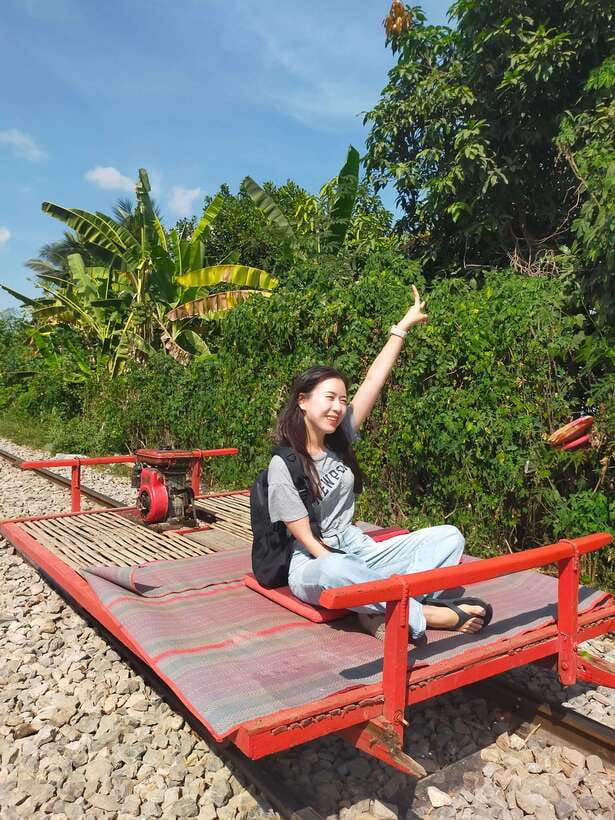
At Ou Srauo Laou, you buy the bamboo train ticket separately. The extra charge is $5 per person. The ride uses a simple bamboo platform fitted with wheels and an engine, and the experience is intentionally basic. Expect scenery, a bumpy ride, and the novelty of using a form of transport that has become closely associated with Battambang.
I would not book this day only for the train. The ride is fun, but its appeal depends on your mood. Some people find it wonderfully strange and photogenic. Others find it less exciting than expected. The countryside around it is arguably just as important as the train itself.
The itinerary also mentions a free massage and time to admire the scenery. Along the road between the bamboo train and Banan, you may see fruit bats hanging from trees. Bring your camera, but also keep your eyes up. The small details are easy to miss when you are focused only on the main attractions.
Climbing the 358 steps to Banan Temple
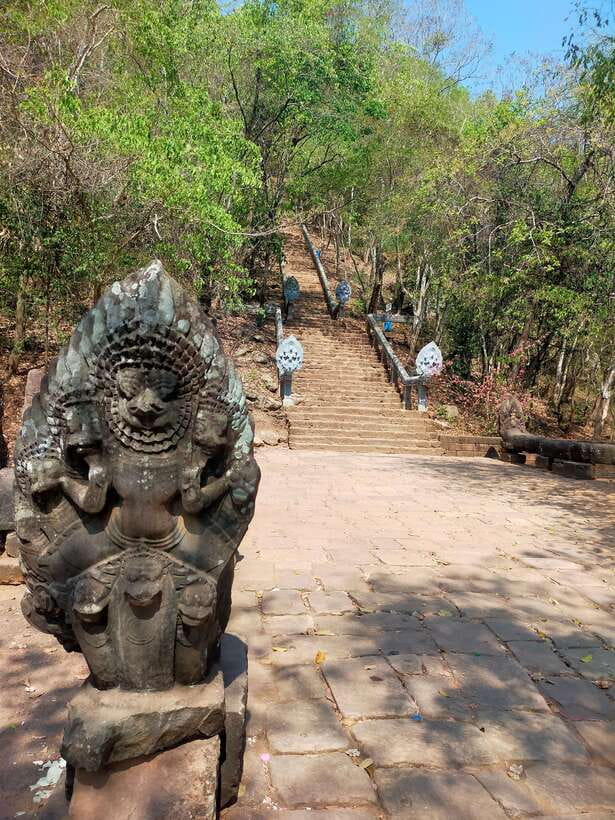
Wat Banan is the day’s major temple stop and one of Battambang Province’s most rewarding ruins. The climb begins with a long laterite staircase, flanked by naga figures, and continues for 358 steps to the top of the hill.
You need a reasonable level of mobility for this section. The heat can make the stairs feel longer, so take your time. There is no prize for reaching the top first. Good shoes, sunscreen, and water will make a real difference.
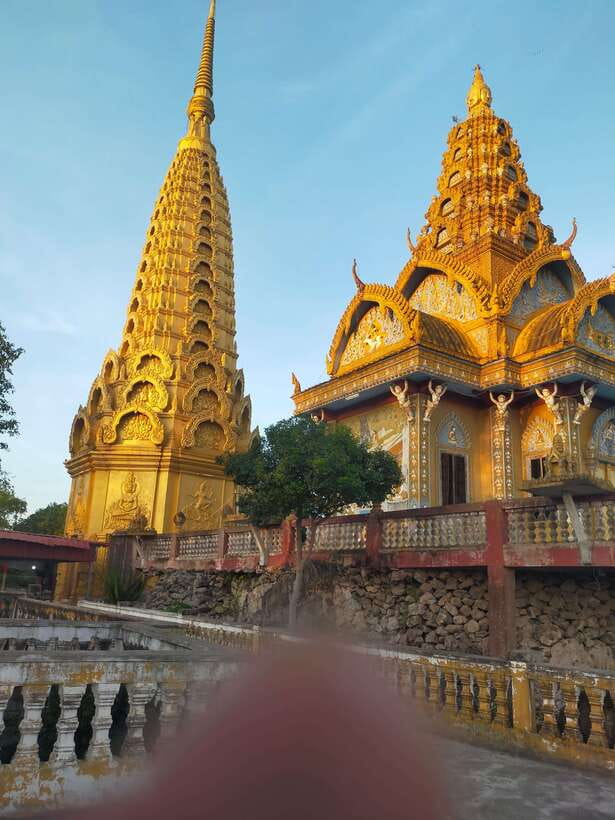
At the summit, five towers rise above the hill. Their layout recalls Angkor Wat, although Banan is much smaller and more peaceful. The temple was built in the 11th century under King Udayadityavarman II. Its original purpose was tied to prayer and the Hindu gods, especially under the king’s Shaivite beliefs.
The site also shows how Cambodian temples changed over time. Later Buddhist rebuilding under Jayavarman VII is thought to have shaped parts of what you see today, and some carvings were damaged or defaced in later periods. Your guide can help you read these layers instead of treating the temple as just a photo stop.
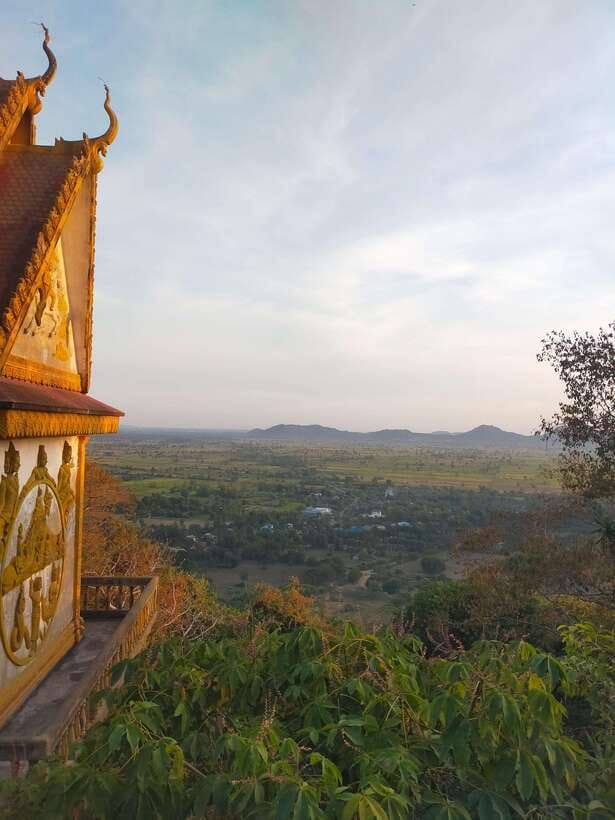
I especially like Banan because the visit combines architecture with a physical sense of place. You climb the hill, reach the old towers, and look out over the countryside. The views are part of the reward, not an afterthought.
Lunch follows by a lake in a relaxed setting. Lunch is not included, so carry cash and expect to pay separately. The supplied details do not set a fixed menu or price, but local food and fruit shakes are part of the experience described by the operator and guests. If you have dietary needs, ask the guide before ordering.
More Evening Trips in the world:
- Portimão: Benagil Caves Speed Boat Tour with Sunset Option
★ 4.8 · 11,663 reviews - Edinburgh: Late-Night Underground Vaults Terror Tour
★ 4.6 · 4,162 reviews - Edinburgh: Evening Underground Ghost Tour
★ 4.4 · 3,092 reviews - Edinburgh: Underground Vaults Evening Ghost Tour with Whisky
★ 4.7 · 2,685 reviews
A serious stop at Phnom Sampov’s Killing Cave
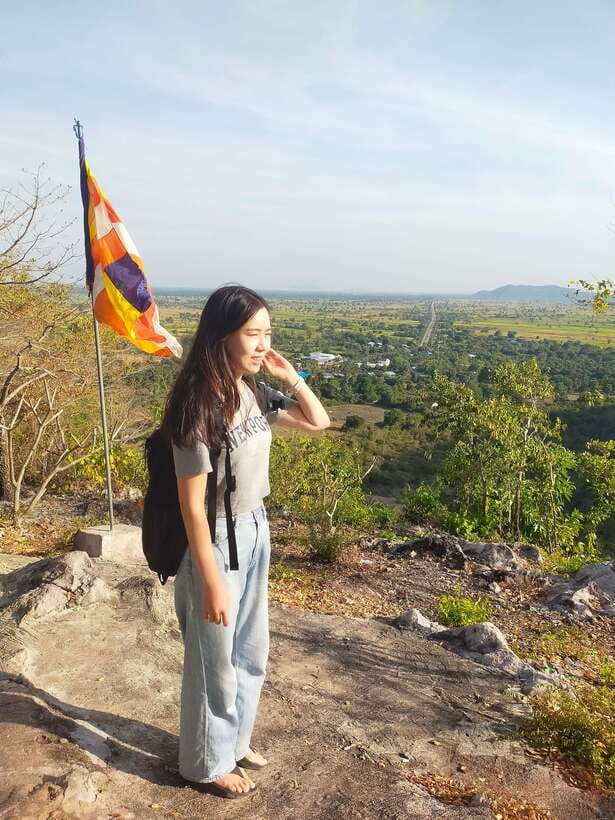
The afternoon moves to Phnom Sampov, where the Killing Cave tells one of Cambodia’s hardest stories. During the Khmer Rouge period from 1975 to 1979, more than 10,000 people were killed in the area.
You reach the hill by motor taxi or pickup truck, with mountain transport included in the tour. The cave itself is not a light sightseeing stop. It is a memorial site, and you should expect a sober explanation of how victims were killed during that period.
I value this part of the day because it prevents Cambodia’s temples and countryside from becoming a pleasant but shallow postcard. The country’s recent past still shapes families and communities. Learning about it at a place connected directly to the violence gives the history a human scale.
The stop may be difficult for some people. You are not required to treat it as entertainment, and a respectful attitude matters. One departure had the Killing Cave closed, so conditions can change. If that happens, the guide may adjust the plan and use the remaining time for other sights.
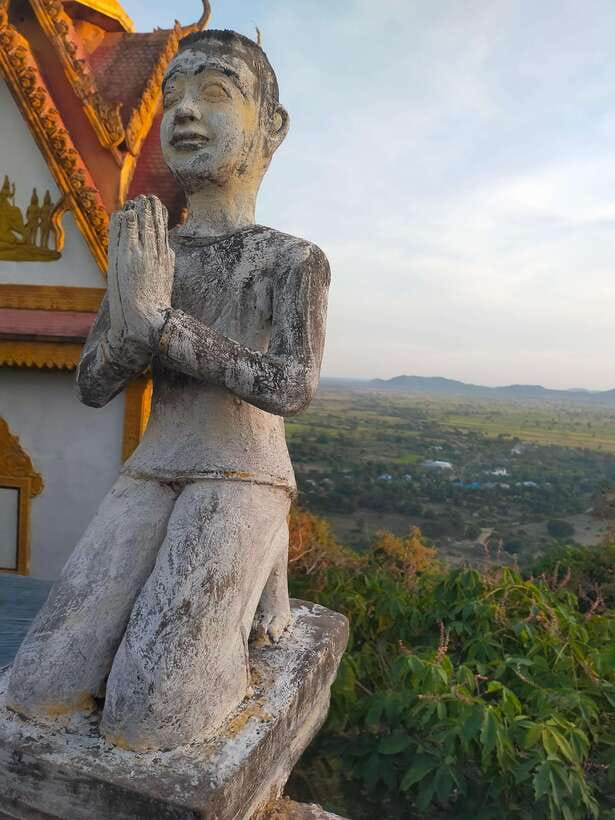
After the cave, you continue up the mountain to temples, viewpoints, and areas where monkeys may be present. The summit provides wide views across the surrounding countryside. This is another section where sturdy shoes and care on uneven ground are useful.
Sunset and the great bat flight
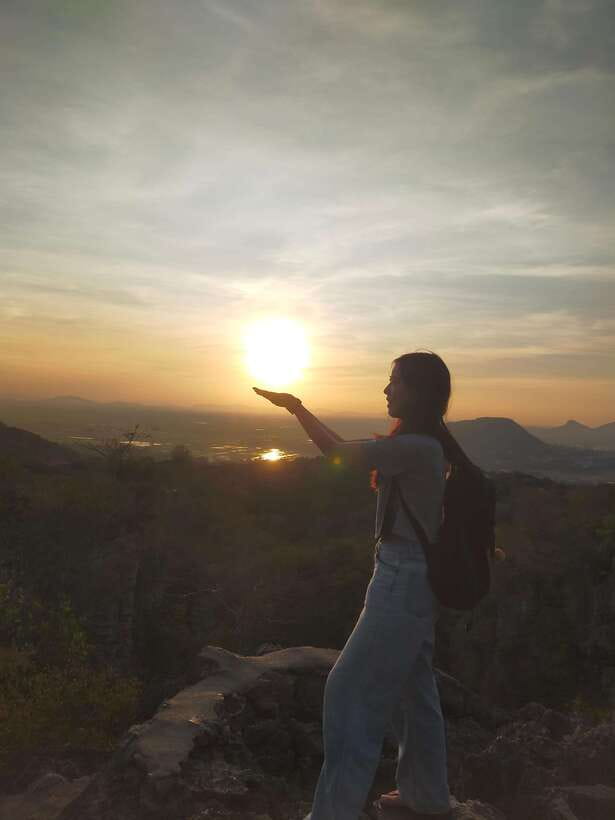
The final main stop is Phnom Sampov’s bat cave. As evening arrives, millions of wrinkle-lipped bats fly out in a long stream, heading over the countryside to feed.
The flight can continue for more than 50 minutes. This is not a quick animal sighting where you take one photograph and leave. You wait, watch the stream build, and see it continue across the fading light.
Timing matters. The tour is built around sunset, so the exact return time depends on the day’s pace and the light. The wait is part of the experience, but it also helps explain why this is an 11-hour outing rather than a short afternoon trip.
I would save camera battery for this stop. A wide shot works better than trying to capture individual bats, and you will want to watch the movement rather than spend the entire time checking your screen.
After the bat flight, the tuk-tuk returns to your hotel or to Pomme Bar in town. If you are staying near the center, finishing at the bar can be convenient. Confirm the preferred drop-off point with the guide during the day.
Rat barbecue, fruit, and the food side of the day
The tour includes fruit salad, cold bottled water, and wet wipes. Rat barbecue is offered as an optional tasting before Phnom Sampov, and it costs extra if you choose to buy it.
This is not presented as a forced stunt. You can try it or pass. For curious eaters, it is a chance to sample a rural Cambodian food tradition rather than a novelty served for shock value. The flavor has been compared favorably by people who tried it, but personal taste and comfort matter.
Lunch is also separate. Budget for food, drinks, the bamboo train, and any personal purchases. The $14 price covers a remarkable amount of transport and admission, but you should not arrive with only that exact amount in your pocket.
Cash is specifically recommended. It is useful for the train, lunch, food tasting, drinks, and small expenses along the route.
What to bring and how hard the day feels
Pack sunscreen, a camera, rain gear, and cash. Rain gear is sensible even if the morning begins bright, since the tour spends much of the day outdoors and weather can change.
The physical effort comes from the 358 steps at Banan, walking around Phnom Sampov, and getting on and off different vehicles. Heat can make the day more tiring than the distance suggests. Drink the supplied water and use the planned pauses.
The activity is not suitable for pregnant women, people over 220 pounds or 100 kilograms, people with high blood pressure, or people over 95 years old. These limits reflect the stairs, mountain transport, and long day. If you are unsure about your fitness, ask before booking.
Pickup and drop-off are limited to locations within 5 kilometers of Battambang town. The tour is conducted in English.
Is $14 good value for a full day?
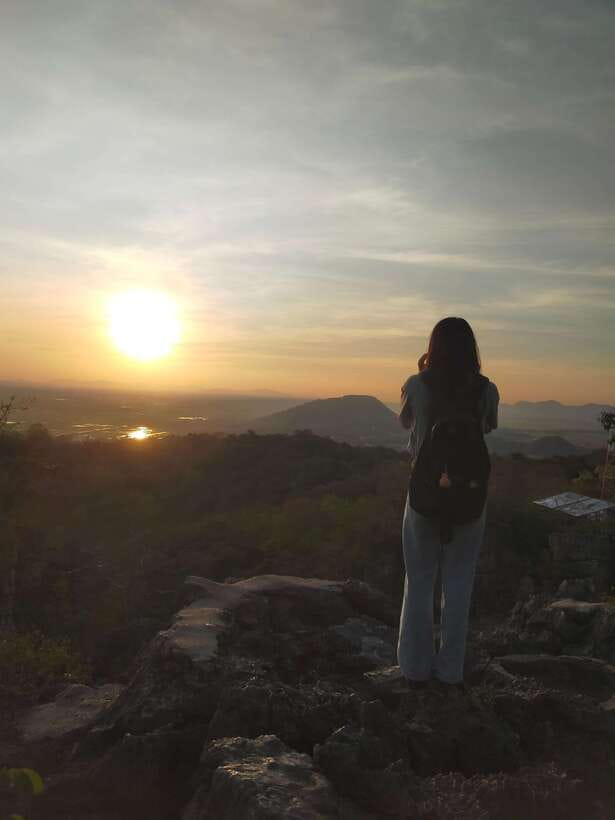
Yes, provided you understand what is and is not included. For $14 per person, you receive hotel pickup and drop-off within the service area, an English-speaking guide, bottled water, wet wipes, fruit salad, admission to Banan, Phnom Sampov, the Killing Cave, and the bat cave, plus mountain transport and donations.
You still pay $5 for the bamboo train, and lunch, optional rat barbecue, and personal expenses are extra. Even after adding those costs, the total remains low for an 11-hour private or small-group style day, depending on the booking arrangement.
The best value comes from the guide’s local knowledge. Hiring separate transport to Banan, Phnom Sampov, and the countryside would take planning, and you would lose the explanations that connect the places. The only concern is that the low price can make the day sound simpler than it is. This is a long outing, not a quick tuk-tuk loop.
Free cancellation up to 24 hours before departure and the option to reserve now and pay later make planning easier, though you should still check availability and the current departure details before booking.
Who should book this Battambang tour?
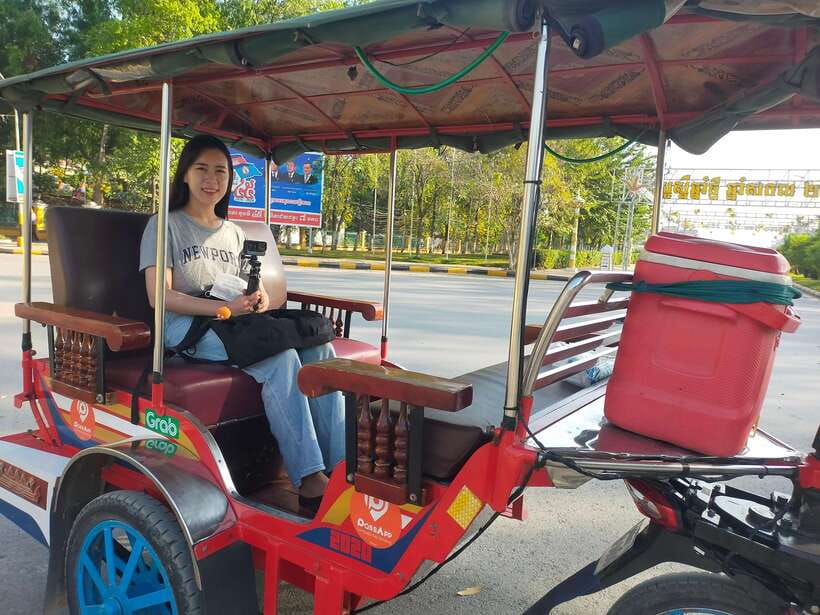
I would choose this experience if you have one full day in Battambang and want the main sights outside town without arranging several separate rides. It suits first-time visitors, curious eaters, history-minded people, and anyone who enjoys seeing rural life between major stops.
It also suits you if you like guides who talk, joke, answer questions, and add personal stories. Samol in particular has been praised for his humor, energy, history knowledge, photography help, and care with water breaks.
I would think twice if you dislike long days, heat, stairs, solemn memorials, or waiting for wildlife. The bamboo train may also feel overhyped if you expect a major thrill. For a slower trip, split Banan and Phnom Sampov across two days, if you can arrange that separately.
Should you book it?
Book this tour if you want Battambang in one big, varied day. The strongest combination is Banan Temple, the Khmer Rouge memorial, and the sunset bat flight, with the bamboo train and village roads adding local character between them.
The main question is not value. At $14, the value is excellent. The real question is stamina. If you can handle 11 hours, 358 steps, a serious history lesson, extra food and train costs, and a late finish, this is one of the most useful ways to understand Battambang beyond its town center.
FAQ
What time does the tour begin?
Pickup starts at about 8:20 AM from accommodation or a restaurant within 5 kilometers of Battambang town.
How long does the tour last?
The activity lasts 11 hours, finishing after the sunset bat flight and the return to your hotel or Pomme Bar in town.
Is the bamboo train included in the price?
No. The bamboo train costs $5 per person in addition to the tour price.
Is lunch included?
No. Lunch is paid separately. Fruit salad and bottled water are included.
Is rat barbecue included?
Rat barbecue is an optional tasting and is not listed as part of the included admission or food.
How many steps are there at Banan Temple?
The climb to Banan Temple involves 358 steps.
What happens at the Bat Cave?
You wait near the cave at Phnom Sampov and watch millions of wrinkle-lipped bats fly out in the evening. The flight can continue for more than 50 minutes.
Who should not take this activity?
The tour is not suitable for pregnant women, people over 220 pounds or 100 kilograms, people with high blood pressure, or people over 95 years old.
Just added around the world
- From Hanoi: Hoa Lu, Mua Cave and Tam Coc Full-Day Trip★ 4.6 · 164 reviews
- From Hanoi: Ninh Binh, Bai Dinh, Trang An and Mua Cave Trip★ 4.7 · 20 reviews
- Hanoi: Halong Bay Day Trip with Titop Island, Cave, & Kayak★ 4.7 · 528 reviews
- From Hanoi: Ninh Binh Bai Dinh or Hoa Lu, Trang An, Mua Cave★ 3.7 · 32 reviews
- From Hanoi: Halong Bay 1 Day Trip Visit Cave, Island, Kayak★ 4.7 · 20 reviews
- From Hanoi: Hoa Lu/Bai Dinh-Tam Coc/Trang An-Mua Cave Tours★ 4.5 · 189 reviews
- Hanoi: Halong Bay Cruise, Amazing Cave, Titov Island & Kayak★ 4.2 · 39 reviews
- From Granada: Skip-the-Line Nerja Cave and Frigiliana★ 4.9 · 22 reviews
Battambang Cave Tours, compared.
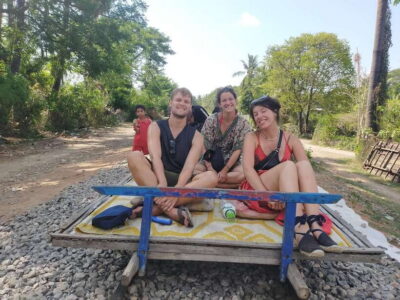
Battambang: Tuk-Tuk, Bamboo Train, Killing/Bat Caves, Sunset
Read our review →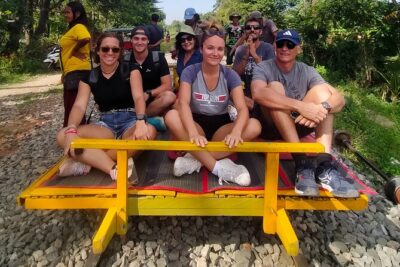
Battambang Tuk Tuk tour: Bambootrain, Killing & Bat Caves,Sunset
Read our review →
Afternoon tour by tuk tuk to bamboo train,bat cave,killing cave,countryside.
Read our review →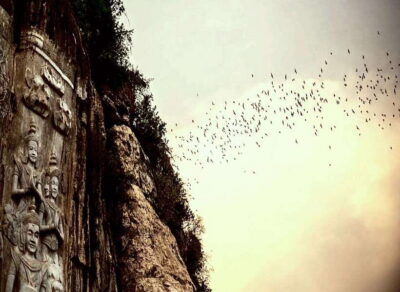
Battambang: Bamboo Train, Bat Cave, Killing Cave by Tuk Tuk
Read our review →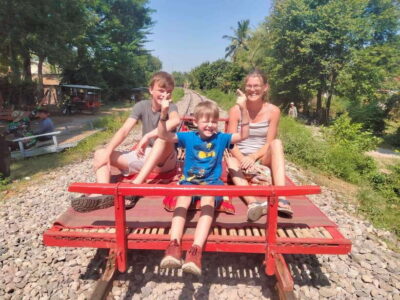
Afternoon Tour: Bamboo Train, Killing Cave &Bat Cave
Read our review →
Battambang: Bamboo Train, Bat Cave and Killing Cave Tour
Read our review →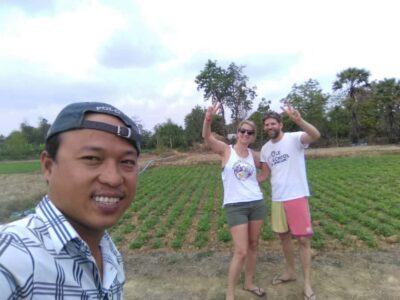
Battambang family tuktuk tour BambooTrain/Wat Banan/Bat cave
Read our review →Browse the lists this tour appears in