
REVIEW · HISTORICAL
NYC: History of Slavery & Underground Railroad Walking Tour
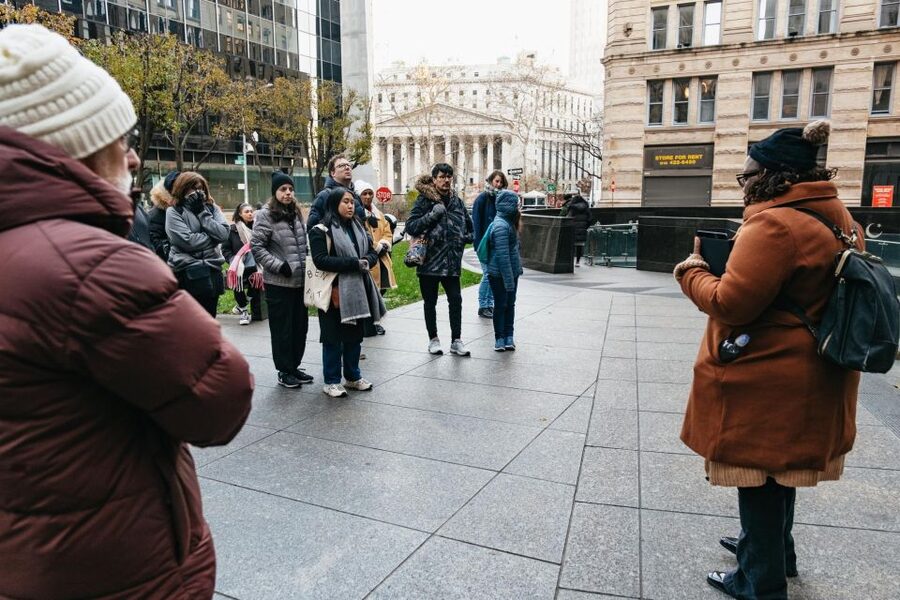
New York’s financial district was also a place of slavery, resistance, escape, and abolition. This 150-minute walk brings that past into view through former Underground Railroad sites, colonial-era landmarks, and the African Burial Ground National Memorial, where you pause to honor thousands of Africans buried in colonial Manhattan.
I like the way the tour ties famous sights such as Wall Street and Trinity Church to people and events often left out of standard New York sightseeing. I also like its human scale: guides including Maya, Maia, Sean, Shaun, Ludie, and Loudy have led thoughtful walks, and smaller groups can make the discussion feel personal.
The subject is painful, and the tour does not soften slavery or the role New York played in it. That is a strength for many people, but you should expect serious material rather than a light sightseeing stroll. You will also spend about two and a half hours outdoors, so shoes and clothing matter.
Key points to know before you book
- The African Burial Ground National Memorial gives the walk a solemn starting point: You learn why this archaeological site matters before moving through Lower Manhattan.
- Wall Street has a less familiar story: The tour connects the financial district with slavery, resistance, and the people who profited from the trade.
- Underground Railroad stops are former places, not reconstructed attractions: Your guide explains how safe houses, secret routes, and personal networks worked.
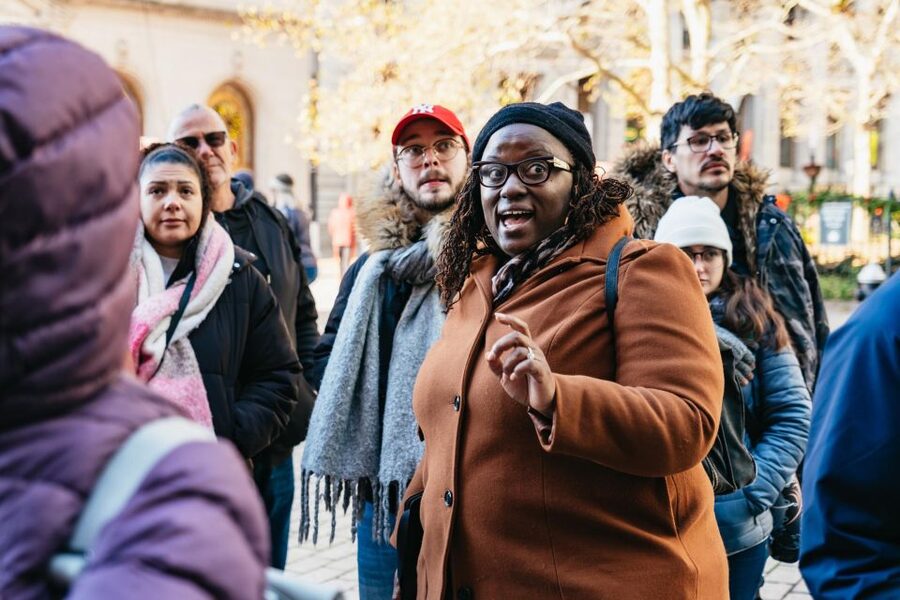
- Guides bring the subject to life with questions and stories: Past guides such as Maya, Maia, Sean, and Shaun have been praised for clear, thoughtful explanations.
- The walking is manageable for many people but still lasts 150 minutes: Wear comfortable shoes and plan for changing weather.
- At $49, the value comes from interpretation: You are paying for context, storytelling, and access to a part of New York that standard tours often skip.
Starting with the African Burial Ground in Lower Manhattan
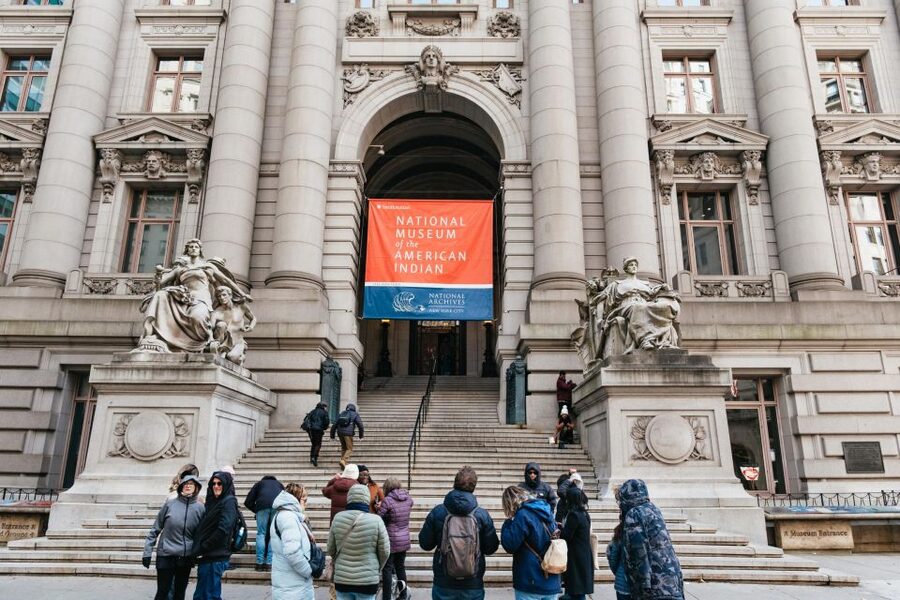
Meet your guide in front of the American Indian Museum. From there, the tour moves into a part of New York where the city’s early development is closely tied to African American labor and suffering.
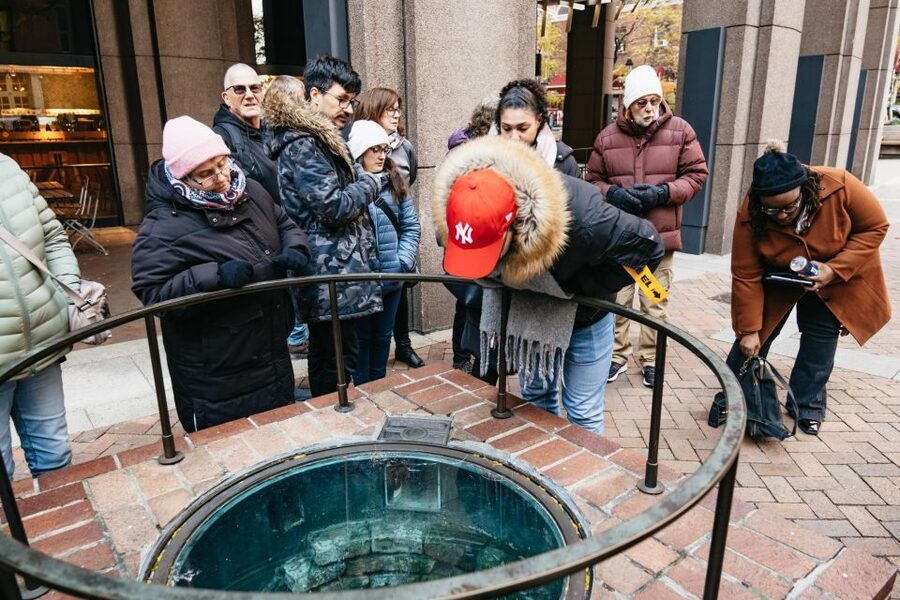
The African Burial Ground National Memorial is one of the most important stops. Archaeological work revealed the remains of thousands of Africans and African Americans buried outside the original colonial settlement. The memorial is not simply a place to take a quick photograph. It asks you to consider who built the early city, how enslaved people were treated, and why their stories were so long overlooked.
This stop gives the rest of the walk a clear purpose. Instead of seeing Lower Manhattan as only a cluster of financial buildings and old churches, you begin to read it as a place shaped by many communities, including people whose names were not preserved.
Your guide explains the site and the people connected to it before the route continues. Expect a respectful, reflective tone here. If you prefer tours that move quickly from one attraction to the next, this pause may feel slow. If you want a better grasp of New York’s foundations, it is essential.
More History Tours in the USA:
- Beneath The Streets Underground History Tour
★ 4.5 · 8,006 reviews - Emerald Cave Express Kayak Tour with Scenic & Historic Stops
★ 5.0 · 1,522 reviews - Boston: Underground Railroad History Tour of Beacon Hill
★ 5.0 · 141 reviews
Reading slavery into New Amsterdam and colonial New York
One of the most useful parts of the walk is its attention to early African American life in New York. The tour reaches back to the formation of New Amsterdam and shows how slavery was part of the city’s colonial economy.
This context matters because New York is often presented through its trade, politics, immigration, and finance, while the labor behind that growth receives less attention. Your guide connects the city’s early development with enslaved Africans and their descendants, then explains how African Americans shaped New York even under brutal restrictions.
The tour also covers revolts, kidnappings, and attempts to escape. These details help you see enslaved people as individuals making difficult choices, not as background figures in someone else’s story. Some resisted openly. Others sought freedom through secrecy, community support, or flight.
Expect questions and conversation along the route. Several guides have been praised for answering difficult questions directly and for handling the subject with care. That is especially useful here, because the history can be uncomfortable and the connections to modern life are not always simple.
Fraunces Tavern, Trinity Church, and the famous city around them
The route includes Fraunces Tavern, Trinity Church, Wall Street, and other significant Lower Manhattan sights. These landmarks give you familiar reference points while the guide adds stories that regular sightseeing often misses.
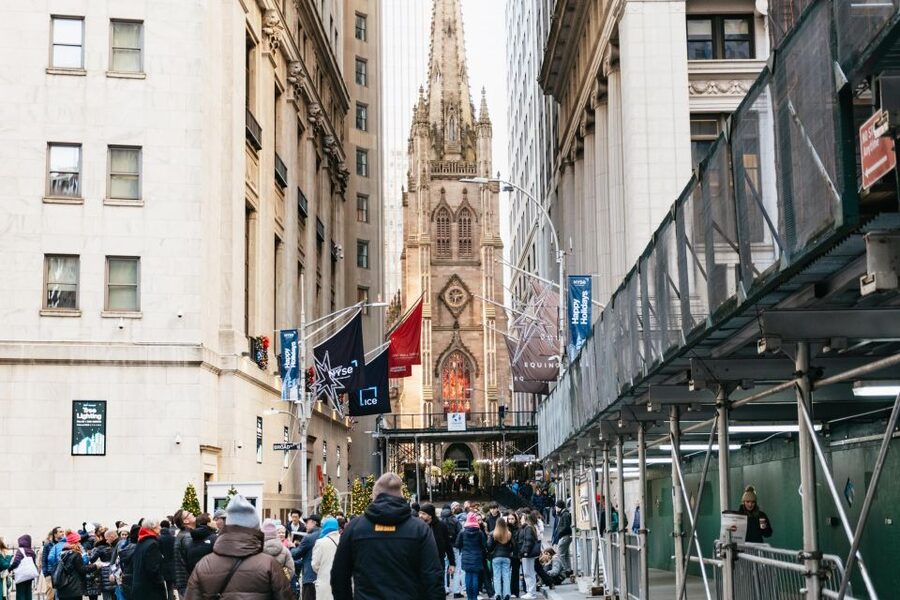
Fraunces Tavern is best known for its connection to the Revolutionary era, but on this walk it becomes part of a broader discussion about power, commerce, and the people who lived and worked in early New York. Trinity Church brings another layer. Its presence in the financial district reminds you how close religious, political, and economic institutions stood to the systems that governed daily life.
Wall Street is particularly striking in this context. The name now suggests stock exchanges and global finance, but the surrounding area also reflects New York’s involvement in slavery and the trade that supported colonial wealth. Hearing this while standing among office towers gives the subject a direct, physical presence.
You do not simply pass these places while listening to unrelated facts. The guide uses them as evidence. That makes the tour useful for anyone who has already seen Lower Manhattan but wants to understand it differently.
How the Underground Railroad actually worked
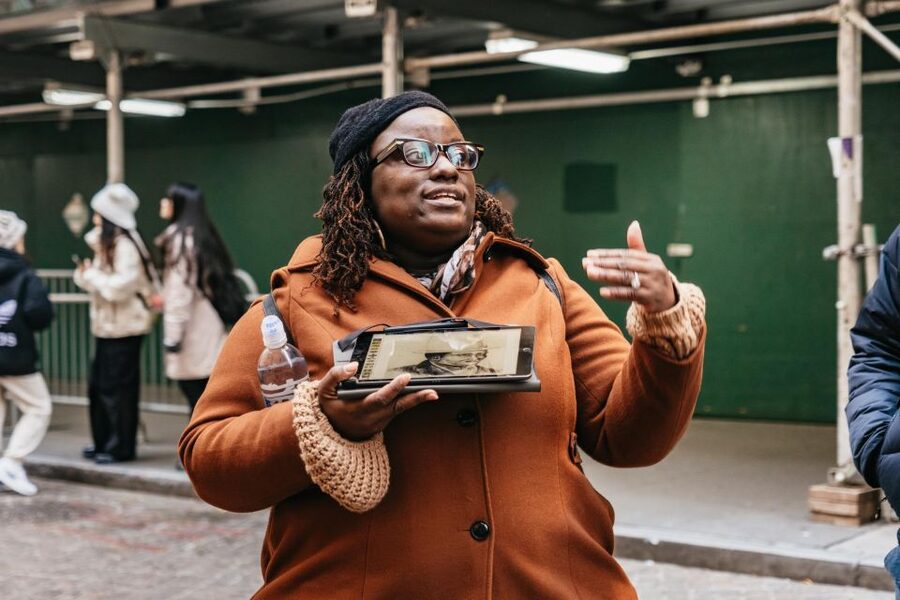
The Underground Railroad was not a literal railway, and the tour makes clear that it was a loose network rather than one organized institution. Enslaved African Americans relied on secret routes, safe houses, trusted contacts, and people willing to risk punishment or financial loss.
You stop at former locations connected with this network. The buildings and addresses may not look dramatic today, which is part of the point. A normal-looking home or business could become a temporary refuge. A person helping someone escape could face serious danger, including arrest, violence, and the loss of property.
Your guide explains how people moved toward free states and Canada and how information had to be shared carefully. The stories focus not only on those who escaped but also on the New Yorkers who helped them. That wider view gives you a better sense of the courage involved.
Do not expect theatrical reenactments or a recreated railroad car. This is a walking and storytelling experience. Its strength is the way the guide turns ordinary city streets into places where secret decisions once took place.
More Walking Tours in the USA:
- Seattle: Guided Underground Walking Tour
★ 4.6 · 2,144 reviews - Chicago: Underground Pedway & Downtown Secrets Walking Tour
★ 4.7 · 268 reviews - Underground Brooklyn Walking Brewery Tour
★ 4.5 · 31 reviews - Self-Guided Boston’s Beacon Hill Underground Railroad Audio Tour Walking Tour
★ 4.5 · 29 reviews
Stories of revolt, escape, and abolition
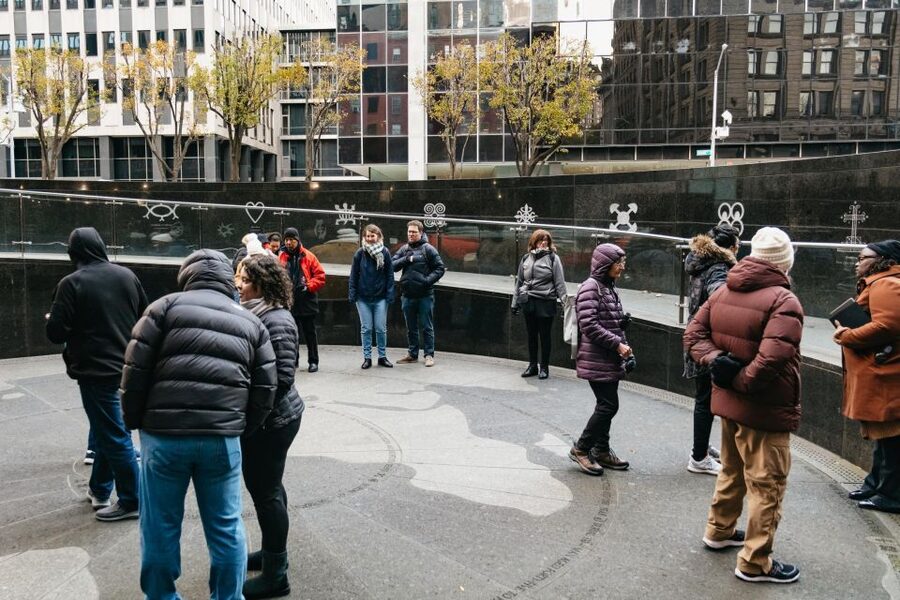
The walk also covers brave uprisings and the fight for abolition. These stories add needed range to the subject. Slavery was not a passive system accepted by everyone it oppressed. Enslaved people resisted in many ways, and the push toward freedom involved years of organizing, risk, and sacrifice.
The guide discusses real New Yorkers who helped people escape and risked their own homes and possessions. These accounts give the abolition movement a local shape. Instead of thinking only about famous national figures, you see how freedom work depended on ordinary people making dangerous choices.
The tone is serious without needing to be theatrical. Strong guides, including those praised for their empathy and clear speaking, help the group sit with difficult facts while keeping the story understandable. Some guides also use thought-provoking questions, which can make the walk feel more like a conversation than a lecture.
I would not book this tour if you want a cheerful introduction to New York. I would book it if you want a more honest one. The material may challenge your assumptions, especially if your previous education gave little attention to New York’s role in slavery or to African American resistance.
What the 150-minute walking format feels like
The tour lasts 150 minutes, long enough to cover several sites without becoming an all-day commitment. The walk takes place in Lower Manhattan, and one detailed experience of it described the walking as manageable rather than strenuous.
Still, two and a half hours on city streets can feel tiring. Wear comfortable shoes, bring weather-appropriate clothing, and be ready for rain, sun, wind, or cold depending on the season. There is no hotel pickup or drop-off, so you need to reach the American Indian Museum on your own.
The route includes outdoor stops and time spent listening. You may find yourself standing near busy streets while the guide speaks, so staying close enough to hear is important. Group size can vary, but small groups are possible. One earlier walk had only three people, creating an intimate setting for questions.
Starting times vary, so check availability when you book. The tour is conducted in English, with a live New York guide rather than an audio recording. That makes it easier to ask about a detail that interests you or to pause over a difficult point.
The guides make the difference
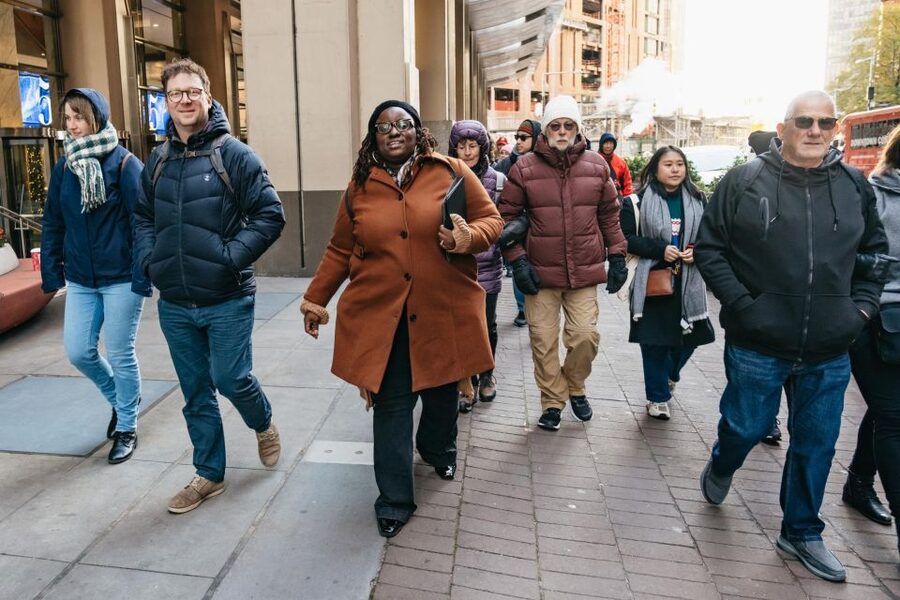
This tour depends heavily on the guide. The route and subject matter are strong, but the experience works best when the person leading it can explain complex history in plain language and handle questions with care.
Guide names connected with this experience include Maya, Maia, Sean, Shaun, Ludie, Loudy, and Damaras. Their styles may differ, but the strongest pattern is clear: you should expect a guide who knows the material and treats it as more than a list of dates.
Several guides have been described as warm, patient, enthusiastic, and willing to answer awkward questions. That matters because the walk deals with responsibility, privilege, violence, and the role of ancestors in the slave trade. You will get more from it if you arrive ready to listen and think rather than defend a fixed version of the past.
The best guides also make the journey between stops useful. You may hear about another New York site or a related event while walking, rather than waiting only for the next formal stop. That keeps the route moving and helps connect the main subject to the city around you.
Is $49 a fair price?
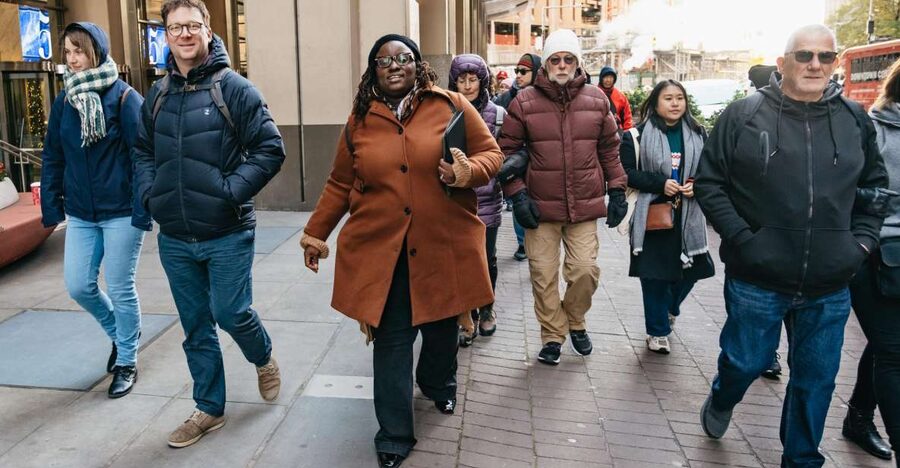
At $49 per person, this is not the cheapest way to spend two and a half hours in New York. You could walk around Lower Manhattan for free, and many of the landmarks on the route can be viewed without admission.
The value is in the explanation. Without a guide, you may pass Wall Street, Trinity Church, or Fraunces Tavern without understanding their connection to slavery, African American life, abolition, and escape. You are paying for a focused route, a licensed English-speaking guide, and the chance to ask questions as the history unfolds.
I consider the price fair if this subject is a priority for you. It is also a good use of time for repeat visitors and lifelong New Yorkers who have already seen the major sights. The tour adds meaning to places you may think you know.
The value is less clear if you are mainly looking for general sightseeing or a quick introduction to Lower Manhattan. In that case, two and a half hours on a serious topic may not match your plans. The tour is strongest when you want historical context, not simply a walk past famous buildings.
Who should book this walk
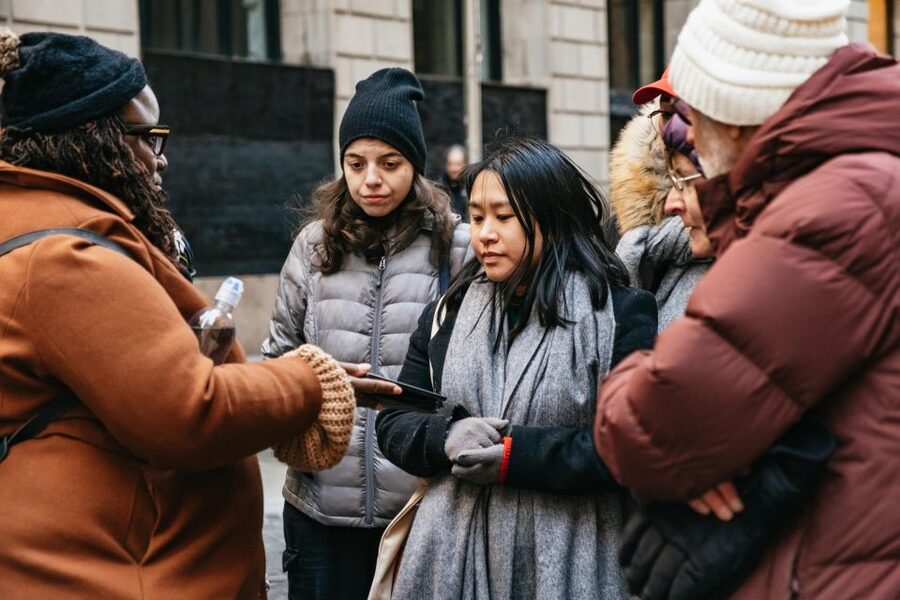
I recommend it for anyone who wants to understand how African Americans helped shape New York from the colonial period onward. It suits visitors who prefer history told at street level, where the places discussed are still part of the city.
It is also a good choice for New Yorkers hosting friends. One local participant found that the tour revealed stories hiding in plain sight, which is exactly what this route does well. You can see familiar streets with new questions in mind.
Families with older children and teenagers may find it useful, but the difficult subject matter deserves some preparation. The activity data does not specify an age range, so use your judgment based on the young person’s ability to engage with slavery, violence, and escape.
I would also suggest it to anyone interested in the Underground Railroad but looking for more than a broad national account. The New York setting shows how the network depended on local people, homes, businesses, and quiet acts of courage.
Booking details worth knowing
The experience costs $49 per person and includes the walking tour and licensed New York tour guide. Hotel transportation is not included, and the meeting point is in front of the American Indian Museum.
You can reserve now and pay later, which helps if your schedule is still taking shape. Free cancellation is available up to 24 hours before the tour for a full refund. Check the available starting times before choosing your date.
Bring comfortable shoes and clothing suited to the weather. Since the tour is in English, you should be comfortable following a spoken historical explanation for 150 minutes.
Should you book the NYC slavery and Underground Railroad tour?
Book it if you want a serious, place-based history walk that connects New York’s famous landmarks with African American life, resistance, and the Underground Railroad. The African Burial Ground National Memorial, the former escape locations, and the discussion of Wall Street give the experience real weight.
Skip it if you want a short, light tour with little walking or if slavery is not the subject you want to explore during your visit. For everyone else, $49 is a reasonable price for a focused lesson in New York history, especially with a strong guide such as Maya, Maia, Sean, or Shaun leading the discussion.
FAQ
Where does the tour meet?
The meeting point is in front of the American Indian Museum.
How long does the tour last?
The tour lasts 150 minutes, or two and a half hours.
What language is the tour conducted in?
The live tour is conducted in English.
What sights are included?
The route includes the African Burial Ground National Memorial, Fraunces Tavern, Trinity Church, Wall Street, and former locations connected with the Underground Railroad.
Does the tour include hotel pickup and drop-off?
No. Hotel pickup and drop-off are not included.
What should I bring?
Bring comfortable shoes and clothing suited to the weather.
Can I cancel for a refund?
Yes. You can cancel up to 24 hours in advance for a full refund.
Just added around the USA
- Peninsula Park Caves Scenic Boat Tour★ 4.5 · 88 reviews
- Cave Point Kayak Tour★ 4.5 · 92 reviews
- Cave Point Kayak Tour★ 5.0 · 281 reviews
- Cave Point Kayak Tour★ 5.0 · 24 reviews
- Flagstaff Underground★ 5.0 · 39 reviews
- Snowshoe Hike to Castner Glacier Ice Cave★ 5.0 · 35 reviews
- Castner Glacier Ice Cave Adventure from Fairbanks★ 5.0 · 40 reviews
- Glacier Hiking & Geothermal Cave Pools Tour★ 5.0 · 139 reviews
Historical Tours, compared.
Prague: Oldtown, Medieval Underground & Dungeon History Tour
Read our review →
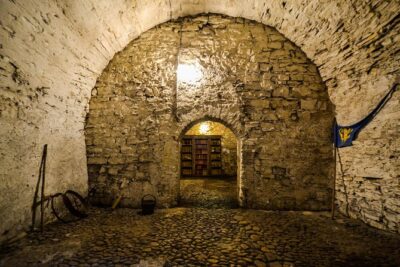
Prague Old Town, Medieval Underground and Dungeon Historical Tour
Read our review →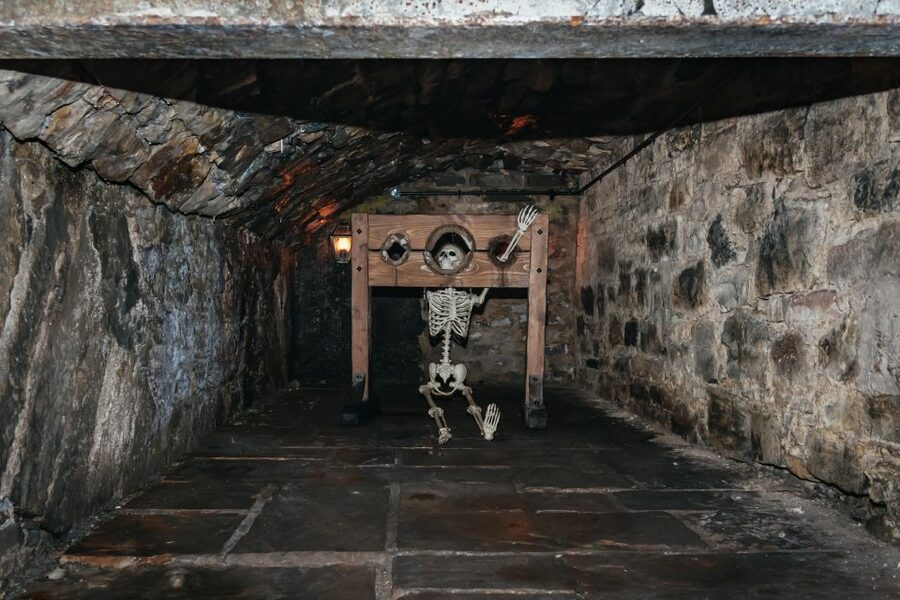
Edinburgh: Old Town and Underground Historical Tour
Read our review →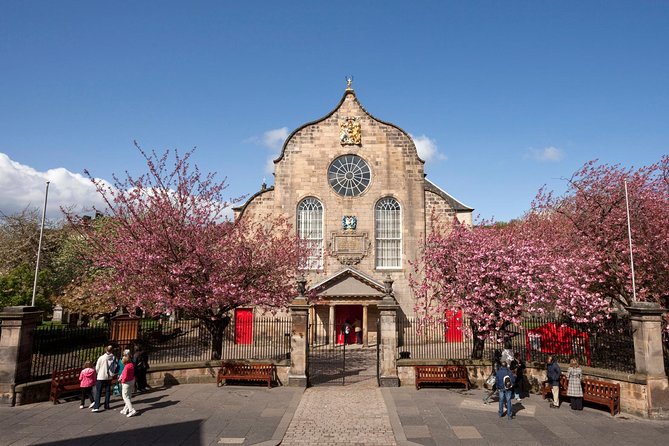

Emerald Cave Express Kayak Tour with Scenic & Historic Stops
Read our review →
Edinburgh: Witches & Haunted History Walking Tour
Read our review →
Rome: Ancient History and Colosseum Underground Tour
Read our review →Browse the lists this tour appears in