
REVIEW · KRAKOW
Krakow’s Rynek Underground Museum Tour with Ticket and Guide
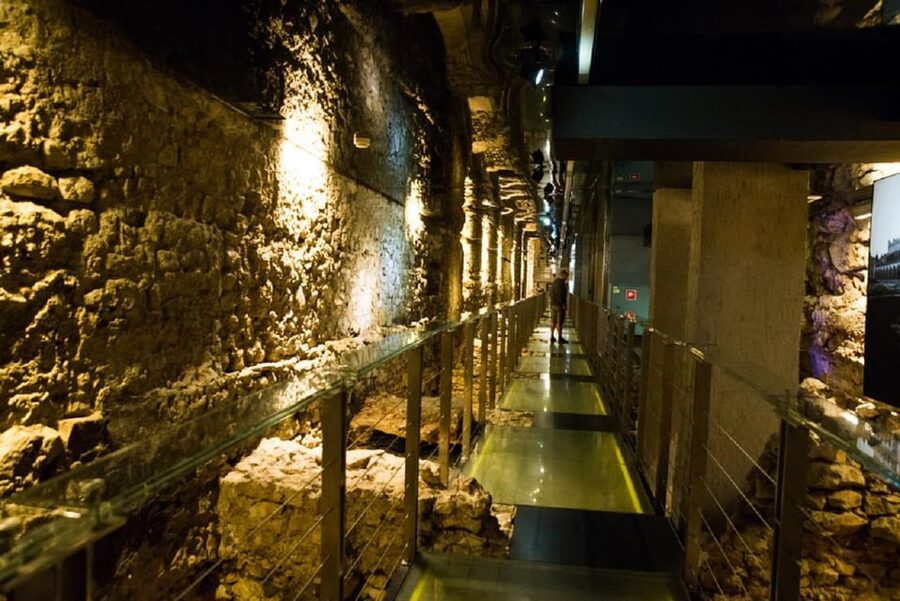
Beneath Kraków’s Main Square sits a whole second city: medieval streets, market stalls, old trade goods, and traces of daily life buried under the cobbles. This 90-minute guided visit makes that hidden world easy to understand, with a local expert leading you through the archaeological remains.
I like the priority entry, which matters at a popular museum with timed admission, and I like the way projections, sound effects, and holograms add movement to otherwise quiet ruins. The main consideration is group size: up to 29 people can join, so you should stay close to the guide, especially in the underground corridors.
Key points at a glance
- 700 years beneath the Main Square: See the remains of Kraków’s former marketplace below today’s city center.
- Medieval trade brought to life: Learn about merchants, craftsmen, carts, and goods that helped Kraków grow into a European trading center.
- Priority museum entrance: Meet at the Underground Museum entrance and avoid the regular ticket queue.
- A guide-led experience: Hear the story in English, Spanish, French, Polish, Italian, or German.
- Multimedia beside archaeology: Projections, sound effects, and holograms help explain the fragments around you.
- A manageable 90-minute visit: The tour fits neatly into a morning or afternoon of sightseeing around the Main Square.
What lies beneath Kraków’s Main Square
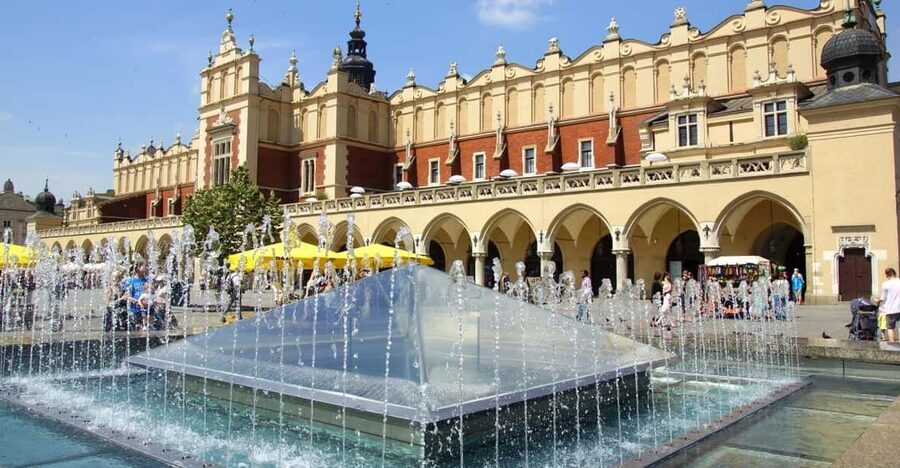
Kraków’s Main Square is one of those places where the surface tells only part of the story. Above ground, you have St. Mary’s Basilica, the Cloth Hall, cafés, horse carriages, and a broad sweep of cobblestones. Below it, the Rynek Underground Museum reveals earlier layers of the same city.
The museum preserves sections of medieval streets and market areas that once sat at the heart of Kraków’s commercial life. This is not a collection of objects arranged in a conventional gallery. You move through an archaeological site, seeing the remains in the place where people once walked, traded, worked, and hauled goods.
That setting gives the visit its main strength. A medieval market can feel abstract when you see only a map or a glass case. Here, the streets and stalls help you picture how the square functioned before modern paving, traffic, and electric light changed the scene.
You also get useful city history without having to spend half a day in a large museum. The tour lasts about 90 minutes, which gives the guide enough time to connect the archaeology with Kraków’s rise as an important trading center while keeping the visit focused.
More Museum Visits in Krakow:
- Krakow: Rynek Underground Museum Guided Tour
★ 4.6 · 1,122 reviews - Krakow: Rynek Underground Museum Skip-the-line Guided Tour
★ 4.7 · 138 reviews - Krakow: Rynek Underground Museum Guided Tour & Stories
★ 4.8 · 26 reviews
Meeting your guide at the Underground Museum
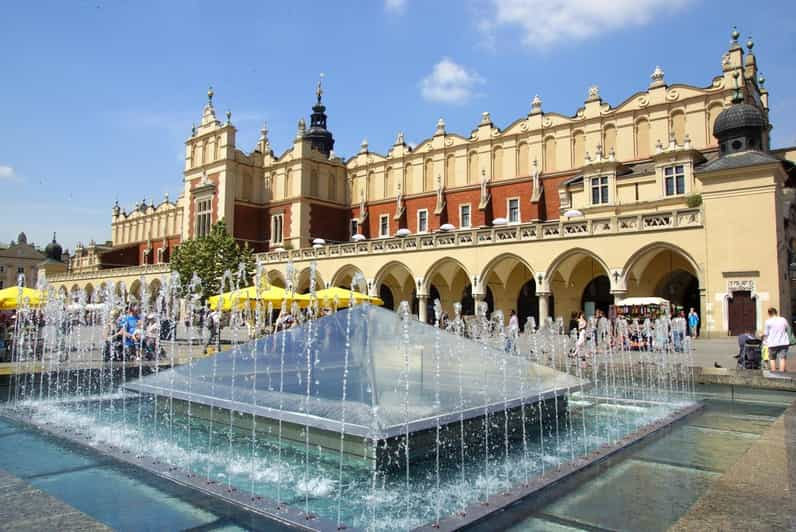
The meeting point is in front of the main entrance to the Underground Museum. Look for a guide carrying a sign marked excursions.city. This is a simple location, but the Main Square can be crowded and confusing, so I would not cut it close.
Arrive at least 10 minutes before the scheduled start. The group cannot wait for late arrivals once it has entered, and a missed start does not qualify for a refund. That rule is strict, but it is understandable in a museum with timed entry and controlled group access.
Your guide leads the group inside with priority access. You still need to arrive on time, but you avoid standing in the standard ticket line. That can save useful time, especially if you have booked this visit between other sights or are exploring Kraków on a short stay.
Tours are conducted in one language only. Select your preferred language when booking rather than expecting a multilingual presentation on site. Available choices are English, Spanish, French, Polish, Italian, and German.
Following the medieval streets underground
The first major part of the visit takes you into the archaeological remains beneath the square. You’ll see fragments of old streets and traces of the market that once occupied this area. The physical remains are the stars here, but they need explanation to make sense.
A guide can point out how the underground streets relate to the present-day Main Square. That connection helps you understand that Kraków did not simply replace one city with another. The modern square grew over earlier layers, and the museum lets you look into those layers without leaving the center of town.
The preserved surfaces may appear plain at first glance. Their value comes from context. A line of paving, the shape of a stall, or a piece of building material becomes more meaningful when you learn how merchants used the market and how goods moved through the city.
The corridors are atmospheric, but this is still an archaeological museum rather than a theatrical attraction. You should expect fragments, displays, and explanatory material, not a full reconstruction of medieval Kraków. The guide’s storytelling helps bridge that gap.
For many people, this is the most rewarding part of the tour. You are not merely looking at old objects. You are walking through the working center of a city that depended on trade, craft, and movement.
Meeting merchants, craftsmen, and passing traders
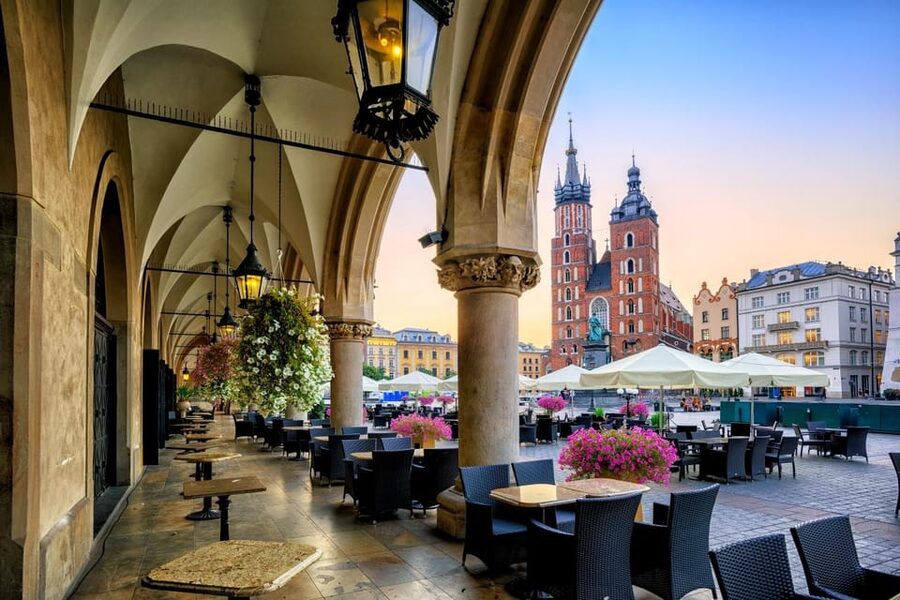
The tour also explains the people behind the marketplace. Merchants brought goods, craftsmen made and sold products, and travelers passed through Kraków as part of wider trading networks. The museum presents the square as a place of work and exchange, not just a backdrop for royal ceremonies or religious monuments.
That focus gives the visit a more grounded feel. You learn how ordinary commercial activity helped Kraków grow in importance. The story is about carts, stalls, materials, transactions, and daily routines, which can make the city’s medieval development easier to picture.
Trade-related artifacts support this part of the visit. You may see objects connected with buying, selling, and craft production, preserved alongside the remains of the market. The exact emphasis can depend on the guide and the pace of the group, but the central theme is clear: Kraków’s importance grew from its role as a place where people and goods met.
I especially like this angle because it changes how you see the square after the tour. The Cloth Hall above ground is no longer just a handsome Renaissance building. It becomes part of a much longer commercial story, one that began with earlier markets below the current surface.
More Entry Tickets in Krakow:
- Krakow: Wieliczka Salt Mine Tour with Entry Ticket
★ 4.6 · 10,927 reviews - Krakow: Wieliczka Salt Mine Fast-Track Ticket & Guided Tour
★ 4.5 · 5,872 reviews - From Krakow: Wieliczka Salt Mine Tour & Skip the Line Ticket
★ 4.4 · 3,925 reviews - Krakow to Wieliczka: Salt Mine Guided Tour with Ticket & Transfer
★ 4.5 · 3,193 reviews
Projections, sound, and holograms beneath the cobbles
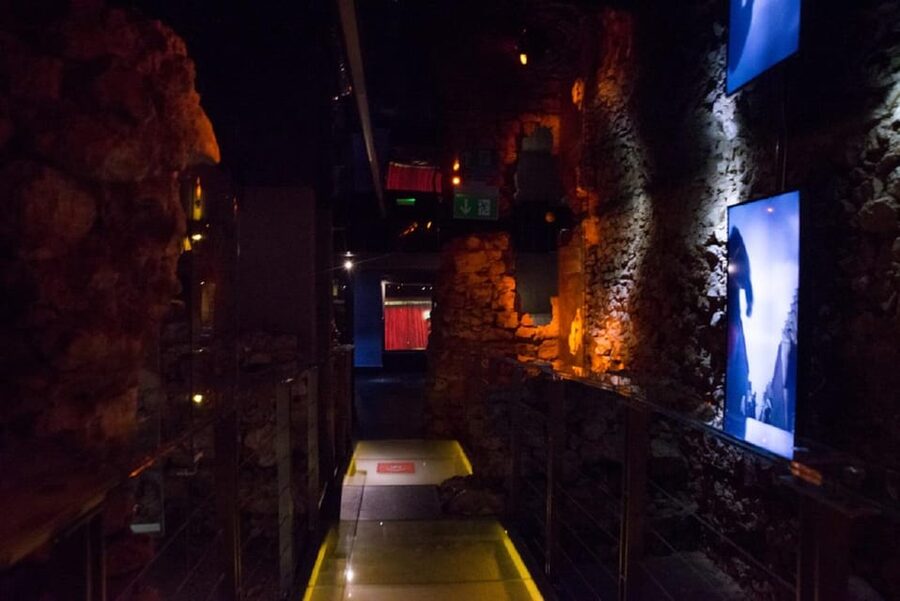
The Rynek Underground Museum uses more than stone and glass cases to explain the past. Projections, sound effects, and holograms recreate parts of the medieval market experience, including the rhythm of trade, the movement of carts, and the noise of an active commercial center.
These displays are useful when they support the archaeology. A ruined street tells you where people walked, but a soundscape can help you imagine the pace and pressure of market day. A projection can show how a stall or street may have functioned without pretending that the entire site has been rebuilt.
The technology also gives younger visitors a reason to stay engaged. Children who might lose interest in bare archaeological remains may respond to moving images and sound. Adults benefit too, as long as they treat the effects as interpretation rather than historical proof.
This is one area where expectations matter. The museum combines authentic remains with modern presentation, so it is not a silent, old-fashioned archaeological room. If you prefer museums with minimal technology, some displays may feel more theatrical than necessary. If you like history explained through several senses, the approach makes the underground visit easier to follow.
Seeing the Main Square differently afterward
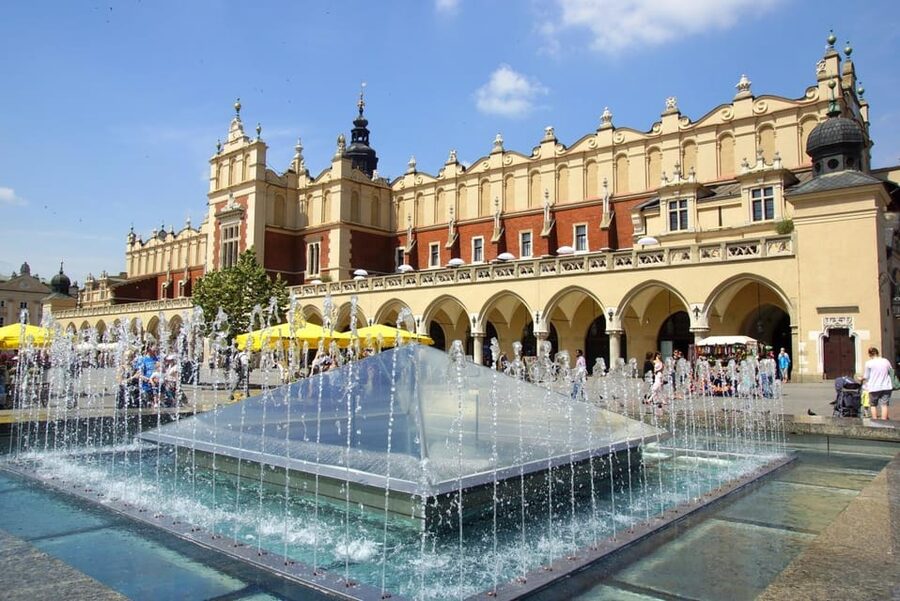
The tour ends back at the Main Square, where the familiar landmarks can take on a new meaning. St. Mary’s Basilica and the Cloth Hall are not separate sights anymore. You have just seen the commercial layers beneath them, so the square feels like a place built up over centuries rather than a single, fixed scene.
That change in perspective is the lasting benefit of the visit. You can return to the Cloth Hall and think about Kraków’s long connection with trade. You can look across the square and picture the old streets below. The museum gives the surface city a second dimension.
The tour does not replace a visit to St. Mary’s Basilica, the Cloth Hall, or other major sights. Instead, it works best as a companion to them. I would schedule it on the same day as your Main Square sightseeing, since the museum entrance is already in the center and the visit ends where you began.
Is the $34 price good value?
At $34 per person, this is not the cheapest short activity in Kraków. You are paying for museum admission, priority entry, and a live guide rather than a simple self-guided visit.
The value depends on how much structure you want. If you already know Kraków’s medieval history and prefer reading labels at your own pace, you might find the ticket price easier to justify without a guide. If you want the remains explained in a clear sequence, the guide adds real value, especially because underground archaeological spaces can be hard to interpret on your own.
Priority entry also matters. A queue may not always be long, but avoiding it removes one uncertainty from your day. That is useful when you have timed plans for the Main Square, a meal, or another museum.
The 90-minute length helps keep the cost in proportion. You are not committing to a long walking tour or a full-day program. For a central Kraków attraction that combines archaeology, local history, and multimedia displays, the price is reasonable for visitors who value explanation and efficient entry.
A positive detail is the consistent praise for the guides’ manner. The guide is described as pleasant, enthusiastic, lovely, and well informed. Those qualities matter in a compact museum tour, where a dry delivery could make the same ruins feel flat.
Group size, audio headsets, and the pace of the visit
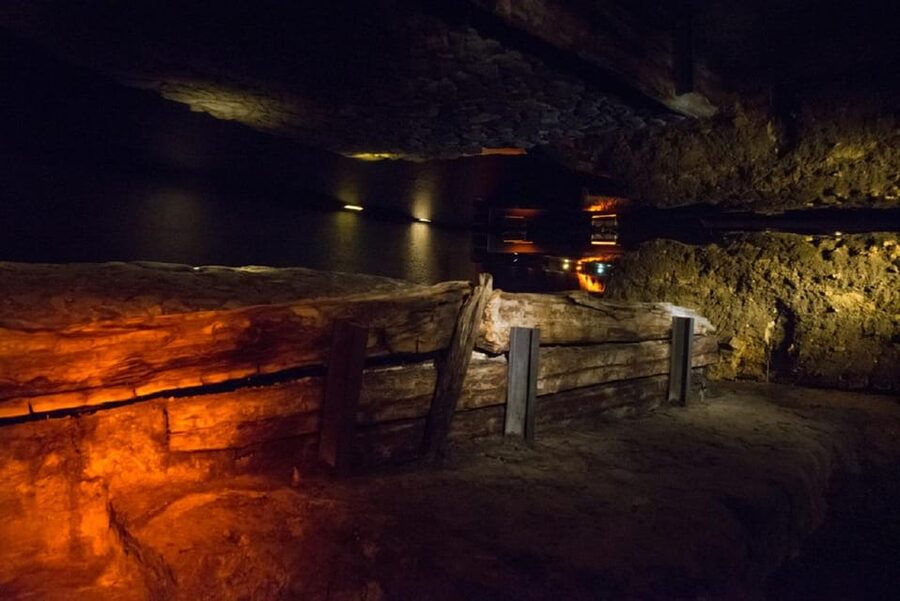
The maximum group size is 29 people. That is large enough to create some crowding around a display, particularly when everyone gathers in a narrow corridor, but it is not an enormous coach group.
Stay near the guide and listen for transitions between sections. You may not hear every sentence clearly if you drift to the back. Groups of 15 or more have audio headsets available, which should make the commentary easier to follow when the museum is busy or the group spreads out.
The single-language format is another advantage. You do not have to wait for the same explanation in several languages, and the guide can keep a steady pace. Choose carefully at booking because the tour is offered in English, Spanish, French, Polish, Italian, or German.
The timing is also practical. Ninety minutes is long enough to cover the key remains and historical themes without taking over your day. You can pair the tour with surface sightseeing before or afterward, but remember to leave time to find the meeting point and arrive early.
Who will get the most from this tour?
I would recommend this experience to first-time visitors who want a clear introduction to Kraków’s medieval development. It is especially useful if you are already planning to visit the Main Square and want more than photographs of the buildings above ground.
It also suits people who like archaeology but do not want a long museum session. The tour offers authentic remains, artifacts, and historical explanation in a compact format. The multimedia elements make it a good choice for families, though the guide-led pace means you will not be free to linger wherever you like.
History-minded visitors should appreciate the connection between the physical site and Kraków’s trading past. The tour is less suited to anyone who wants a completely independent visit, a tiny private group, or a highly specialized academic lecture.
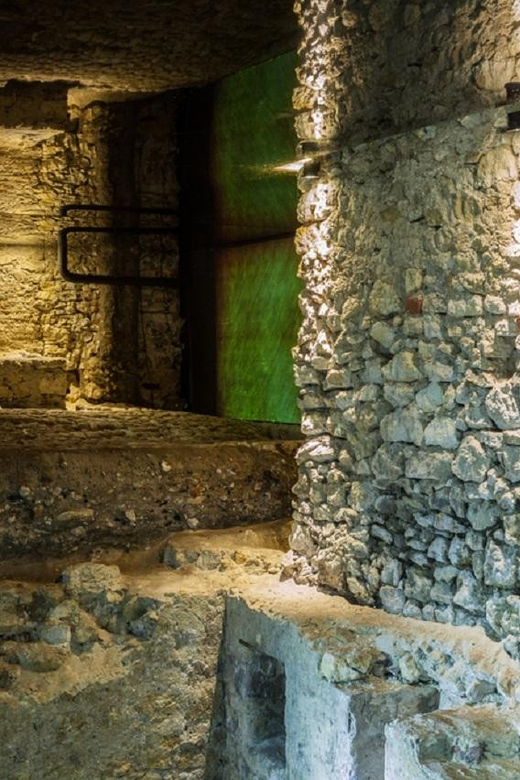
The atmosphere is also worth considering. Underground corridors and preserved ruins have a different feel from an open-air walking tour. You spend the visit below the square, looking at earlier city layers rather than taking in wide views or grand interiors.
Practical advice before you book
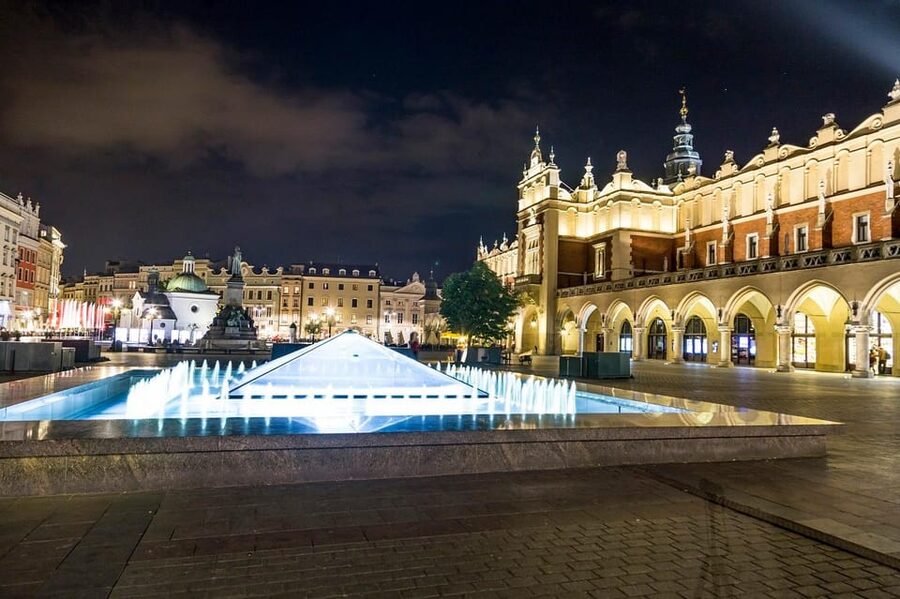
Book this tour when the Main Square is already part of your plan. The central meeting point makes it easy to combine with the Cloth Hall, St. Mary’s Basilica, and nearby streets, though those sights are not included in this activity.
Arrive 10 minutes early and identify the guide with the excursions.city sign. Do not assume you can join after the group has entered. Latecomers cannot be admitted, and the ticket cannot be refunded in that case.
Choose your language in advance. The available options are English, Spanish, French, Polish, Italian, and German, with each group operating in one language.
The activity includes a licensed local guide and priority entry to the Rynek Underground Museum. It does not list transportation, meals, or visits to the other landmarks around the square, so plan those separately.
Free cancellation is available up to 24 hours before the tour for a full refund. You can also reserve now and pay later, which is useful if your Kraków schedule is still changing.
Should you book the Rynek Underground Museum tour?
Book it if you want to understand what lies below Kraków’s most famous square, prefer a guide to explain archaeological remains, and value skipping the regular ticket queue. The combination of medieval streets, market evidence, trade artifacts, and modern displays gives you a well-paced look at how Kraków grew through commerce.
Think twice if you prefer quiet, self-guided museum visits or dislike group tours with up to 29 participants. For most first-time visitors, though, the short duration, central meeting point, language choices, and enthusiastic guide style make this a practical addition to a Kraków itinerary.
FAQ
Where does the Rynek Underground Museum tour meet?
Meet in front of the main entrance to the Underground Museum. Look for a guide holding a sign marked excursions.city.
How long does the tour last?
The guided visit lasts 90 minutes.
What is included in the price?
The experience includes a guided visit with a licensed local expert and priority, skip-the-line entry to the Rynek Underground Museum.
What languages are available?
Tours are offered in English, Spanish, French, Polish, Italian, and German. Each group operates in one language.
How early should I arrive?
Arrive 10 minutes before the scheduled start. Latecomers cannot join after the group has departed, and their tickets cannot be refunded.
How large can the group be?
Museum regulations limit each group to a maximum of 29 participants.
Are audio headsets available?
Audio headsets are available for groups of 15 or more participants.
Can I cancel for a refund?
Yes. You can cancel up to 24 hours in advance for a full refund. The activity also allows you to reserve now and pay later.
Just added around Krakow
- Krakow: Auschwitz-Birkenau and Wieliczka Salt Mine Day Trip★ 4.7 · 84 reviews
- Krakow: Wieliczka Salt Mine Guided Tour & Tickets★ 4.5 · 402 reviews
- Krakow: Wieliczka Salt Mine Tour with Hotel Pickup & Guide★ 4.8 · 90 reviews
- Krakow: Rynek Underground Museum Skip-the-line Guided Tour★ 4.7 · 138 reviews
- Krakow: UNESCO Bochnia Salt Mine Tour & Boat Expedition★ 4.7 · 455 reviews
- Krakow: Rynek Underground Museum Guided Tour & Stories★ 4.8 · 26 reviews
- Krakow: Skip-the-Line Rynek Underground Museum Guided Tour★ 4.7 · 26 reviews
- Krakow: Old Town Rynek Underground Entry and Guided Tour★ 4.8 · 41 reviews
Krakow Cave Tours, compared.
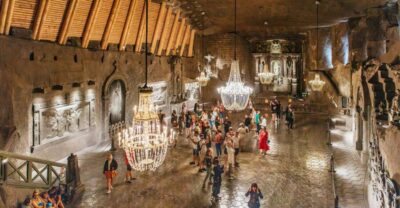
Krakow: Wieliczka Salt Mine Tour with Entry Ticket
Read our review →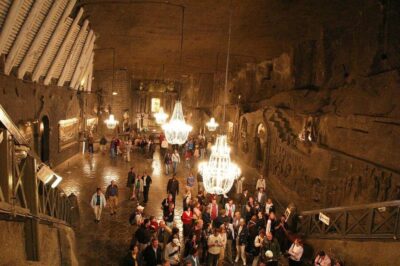
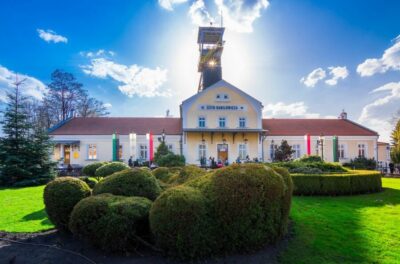
Krakow: Wieliczka Salt Mine Fast-Track Ticket & Guided Tour
Read our review →
Day Trip: Auschwitz-Birkenau and Wieliczka Salt Mine from Krakow
Read our review →
From Krakow: Wieliczka Salt Mine Tour & Skip the Line Ticket
Read our review →
Krakow to Wieliczka: Salt Mine Guided Tour with Ticket & Transfer
Read our review →
Kraków: Auschwitz-Birkenau & Salt Mine Full-Day Guided Tour
Read our review →
Auschwitz Birkenau and Wieliczka Salt Mine Guided Full Day Tour
Read our review →Browse the lists this tour appears in