
REVIEW · SPAIN
Santander: El Castillo Caves & Paleolithic Art Tour
The best part of this Santander excursion is simple: you enter real caves and see Paleolithic paintings in the places where they were made. At El Castillo, hand stencils and animal figures bring human history close in a way that a museum display cannot. I especially like the small group of no more than eight and the fact that guides such as Pepe, Jairo, Gabriela, and Hana have taken care to translate and explain along the way.
I also like the easy hotel pickup and the chance to see Puente Viesgo and the Pas River, not just the caves. The main consideration is that the cave visits are conducted in Spanish, with English translation from your tour leader, and the stairs and uneven ground require steady footing. The museum and village stop can also feel brief if the day runs ahead of schedule.
Key points at a glance
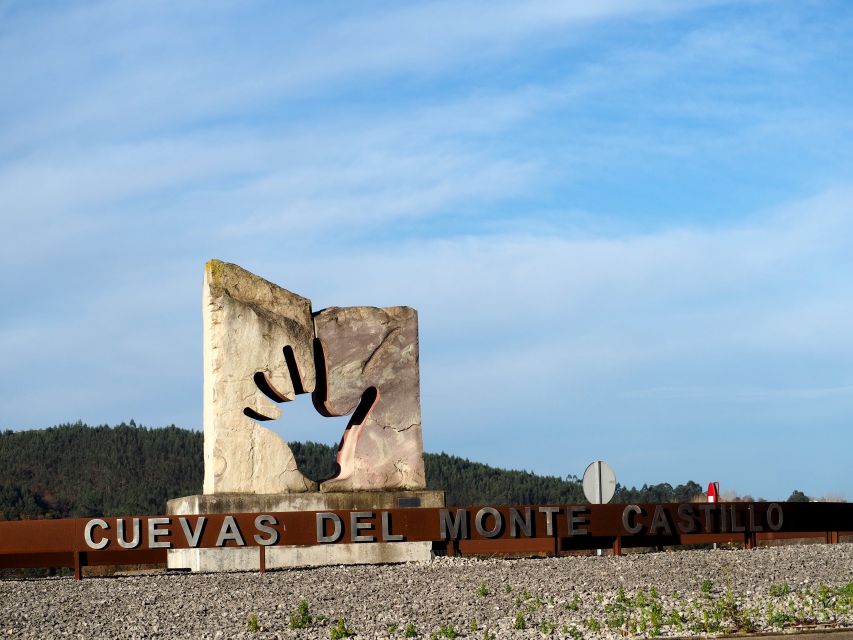
- Two UNESCO-listed cave sites: Visit El Castillo and Las Monedas, each with its own guided cave tour and prehistoric art.
- Original art in its setting: See handprints, drawings, and painted marks made thousands of years ago inside the caves.
- Small-group transport: Ride in a private minivan with a maximum of eight participants and hotel pickup in Santander.
- English help is built in: The local cave tour is in Spanish, while your tour leader translates into English.
- A taste of Cantabria beyond the caves: Walk in Puente Viesgo, see the Pas River, and stop at the Pasarela Río Pas.
- Plan for cool, active conditions: Wear sturdy, nonslip shoes and bring warm clothing. Photography inside is not allowed.
Why these caves matter more than a standard museum visit
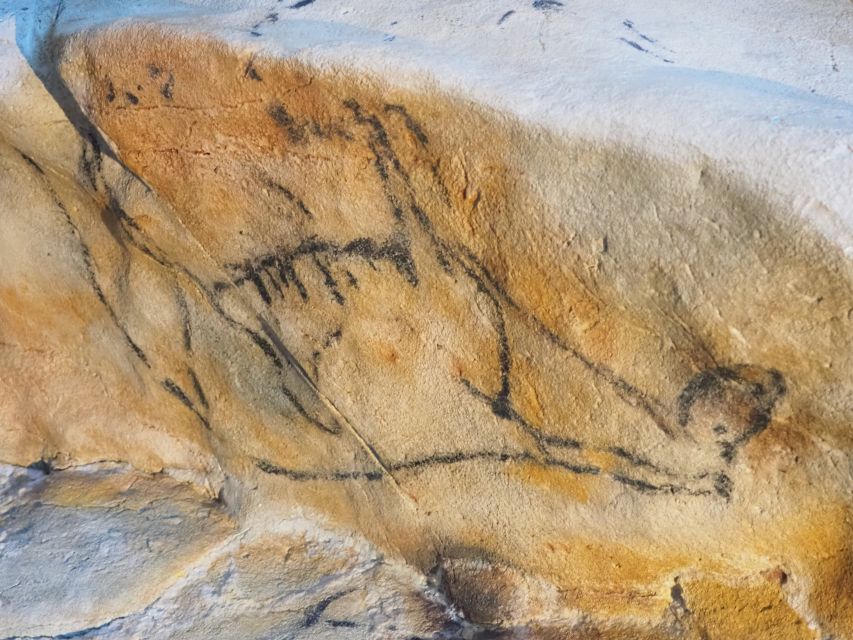
El Castillo and Las Monedas are not replicas or reconstructed attractions. They are actual caves containing Paleolithic art, and that setting changes the experience. You are looking at marks made on rock, in underground chambers, by people who lived thousands of years ago.
El Castillo is the emotional center of the outing. The cave is famous for its hand stencils and animal drawings, and the art is presented in its original surroundings rather than behind a glass case. The scale of the cave also helps if you dislike tight spaces. One visitor who described being slightly claustrophobic found the chambers broad and cavernous enough to manage comfortably.
The art is not the only thing worth noticing. You can also appreciate the cave itself, with its dark passages, rock surfaces, and natural forms. Your local guide leads the formal visit, while your tour leader helps put the explanations into English. That two-guide arrangement matters because the local guide knows the site, and your tour leader can keep you connected to the story.
Las Monedas offers a different experience from El Castillo, even though both are visited on foot. The cave is particularly appealing if you want to compare two nearby prehistoric sites rather than see only one. The tour gives you about an hour at each cave, although the exact pace depends on the group and the cave staff.
A few more cave trips around Spain worth a look
- Porto Cristo: Caves of Hams Entry Ticket
★ 4.2 · 6,548 reviews - Mallorca: Caves of Drach Day Trip & Optional Caves of Hams
★ 4.3 · 2,720 reviews - Madrid: La Cueva de Lola Flamenco Show Tickets with Drink
★ 4.8 · 2,567 reviews
The 40-minute ride from Santander
The day begins with pickup at one of several hotels and meeting points around Santander, including locations near the waterfront, central streets, and Peñacastillo. The company contacts you the day before to confirm the time and place. Pay attention to that message, since one pickup confusion caused unnecessary stress for a participant who received two different locations and times.
Once aboard the private minivan, you travel for about 40 minutes toward Puente Viesgo. This is a useful arrangement if you do not have a car, since the caves are outside Santander and the route involves more than one stop. You can leave the driving to someone else and use the ride to hear about Cantabria from your guide.
The group limit of eight is one of the practical strengths here. A small van is easier for short transfers, and a small cave group feels less crowded than a large coach excursion. It also gives you more room to ask questions, although the cave visits themselves follow the schedule set by the local guides.
The tour runs in rain or shine. That matters in Cantabria, where wet weather is always possible. The cave visits are indoors, but the walking between sites, the village stroll, and the riverside stop still require clothing for the conditions.
The Paleolithic Art Interpretation Centre
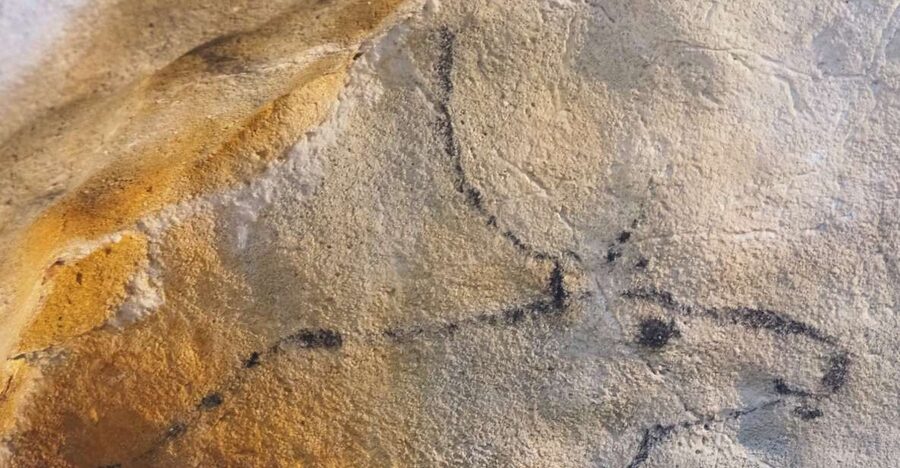
The first planned visit is the Centro de Arte Rupestre de Cantabria, or the Cantabria Paleolithic Art Interpretation Centre. You spend about 40 minutes here before going to the caves.
This stop helps you understand what you are about to see. Cave art can be hard to read at first, especially when lighting, rock texture, and age make the paintings subtle. An interpretation centre gives you a clearer introduction to Paleolithic art and the people who created it.
The amount of time here is the main weakness. The schedule allows roughly 40 minutes, but one account describes the actual museum visit as closer to 10 minutes, followed by a short stop in Puente Viesgo and an early return to Santander. If you care as much about the educational centre as the caves, ask your guide at the start how much time is planned for it.
I would treat the centre as preparation rather than the main event. The caves are the reason to book this outing, while the centre gives you useful context before you enter them.
Inside El Castillo, with paintings in the rock
After a short five-minute transfer, you reach the El Castillo cave area. The guided visit lasts about an hour. You walk inside with the local cave guide, while your tour leader translates the explanations into English.
The translation is an important detail. The official cave visit is in Spanish, not English. Guides including Pepe, Jairo, Gabriela, and Hana have been praised for translating carefully and keeping the visit understandable. One guide even helped a participant down the stairs, which shows why a patient tour leader can make a real difference.
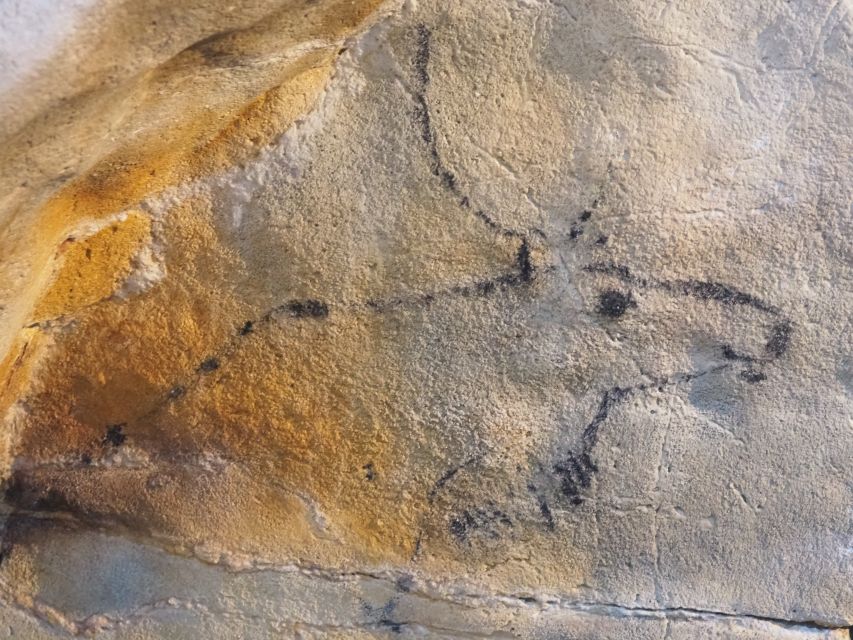
The art includes handprints and drawings, and its power comes from its age and location. You are not simply looking at a picture of prehistoric art. You are standing near the surface where it was created. Photography is not permitted inside, so plan to remember the experience through observation rather than photographs.
You should also expect stairs and uneven surfaces. The cave visit is not described as highly strenuous, but it is not suitable for people with mobility impairments, and the tour is not recommended for pregnant women. Sturdy nonslip shoes are a smart choice. Warm clothing is also useful because caves can feel cool even when the day outside is mild.
The guide-led pace is helpful here. You do not need to work out what you are seeing alone. Listen for the explanations of the figures, hand marks, and rock surfaces, then give yourself a moment to take in the atmosphere. The art may be simple in form, but the fact that it has survived in place for so long gives the visit unusual force.
Same corner of the map, a different way in:
- Lanzarote: Timanfaya Park, Jameos Agua, & Cueva Verdes Tour
★ 4.5 · 2,393 reviews - From Valencia: Cueva de Sant Josep Boat Tour with Guide
★ 4.6 · 2,319 reviews - From Málaga: Caves of Nerja, Nerja and Frigiliana Day Tour
★ 4.7 · 2,187 reviews - Sacromonte: Flamenco Show at Cuevas Los Tarantos Tickets
★ 4.5 · 2,051 reviews
The walk to Las Monedas and a second cave perspective
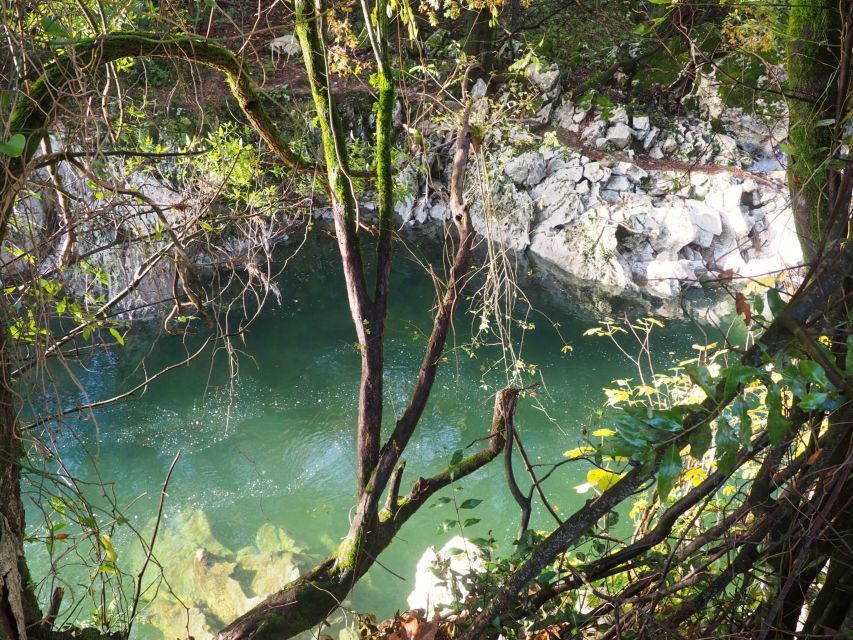
From El Castillo, you walk for about 10 minutes to Las Monedas. This short connection is manageable for most people who are comfortable on their feet, but it reinforces the need for proper shoes.
Las Monedas has its own one-hour guided visit. Seeing both caves is worthwhile because it prevents the day from becoming a single-site visit. You get two underground settings and two bodies of Paleolithic art, with time to compare the way each cave feels.
The local guide again conducts the visit in Spanish. Your tour leader translates into English, and the quality of that translation can shape how much you take away. The strongest experiences come when the tour leader stays close and explains the details rather than leaving you to follow a Spanish-language talk.
The cave can feel dark and quiet, so the visit rewards attention. Look at the rock as well as the painted images. The point is not to rush from one marked surface to the next. The setting is part of the story.
After the cave, you walk about 20 minutes before the next vehicle transfer. This is another reason not to treat the outing as a passive sightseeing ride. You will spend a fair amount of time walking, standing, and using stairs.
Puente Viesgo, the Pas River, and the countryside
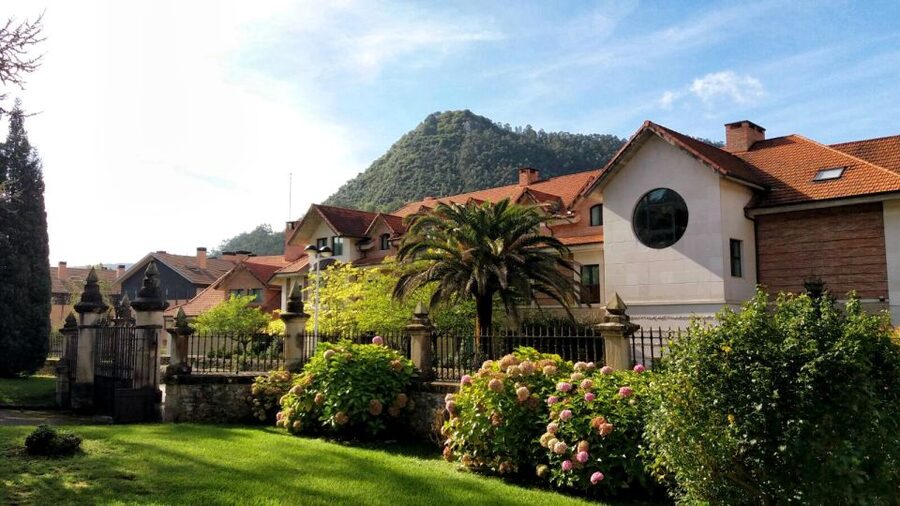
A short five-minute drive brings you toward the Pasarela Río Pas, where the tour makes a photo stop of about 10 minutes. You get a look at the Pas River and the surrounding Pasiego valleys, with their wooded slopes, fields, and watercourses.
The stop is short, but it breaks up the cave visits and lets you see the setting around Puente Viesgo. The area is not just a transport point for the caves. The river and valleys give you a better sense of Cantabria beyond Santander’s urban and coastal center.
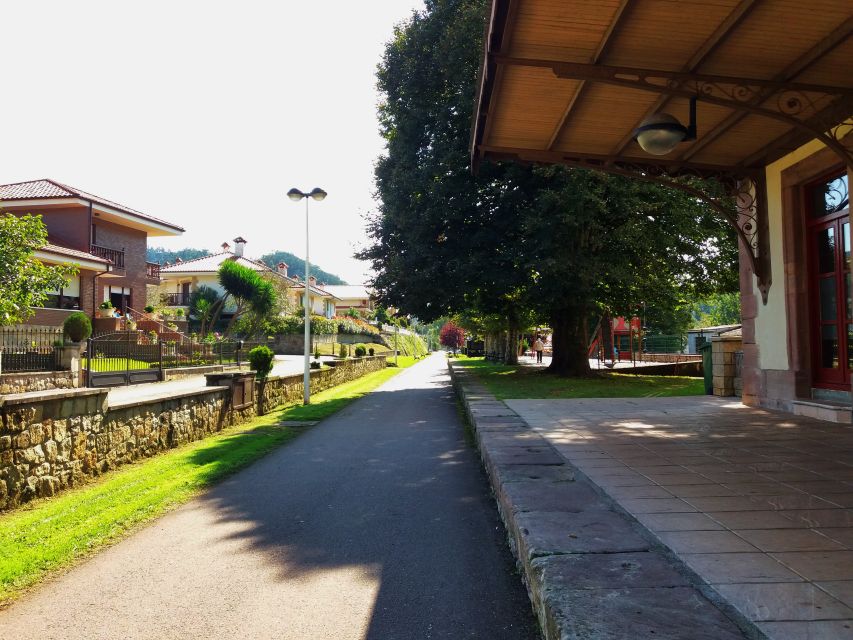
The schedule also includes a walk through Puente Viesgo. You may see views over the Pas River and the Pasiego valleys, and the village has a small church by the river that is worth looking for. Still, do not expect a long independent visit. The amount of free time can be limited, particularly if the cave schedule or transport timing changes.
This part of the day will appeal to you if you like combining cultural sights with a little local scenery. If your main goal is a slow village lunch or a long riverside walk, this is not the right format. Food and drinks are not included, and the tour is designed around the caves rather than an extended village stay.
Guides, translation, and the small-group advantage
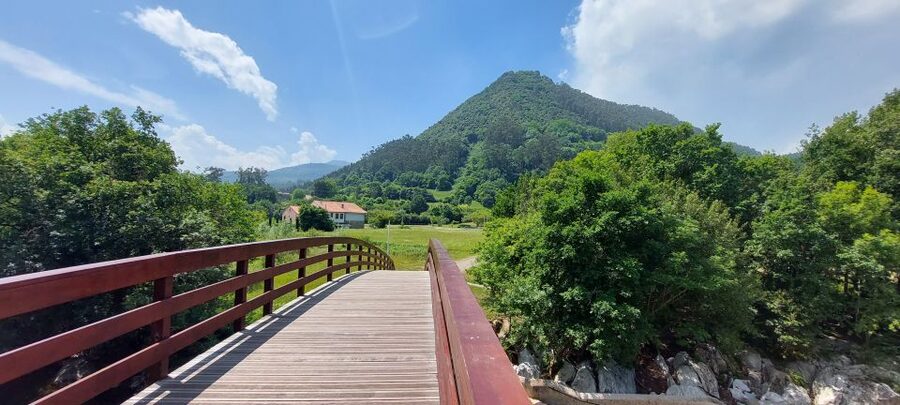
The human side of this tour matters. Several guides have made a strong impression, especially Pepe, Jairo, Gabriela, and Hana. Their useful qualities are not just subject knowledge. They have translated, helped with stairs, answered questions, and kept the atmosphere friendly without making the group feel managed every second.
Because the cave visit itself is in Spanish, you should think of the tour leader as your bridge between the official local guide and the English-speaking group. The translation may not be word for word every time, but it gives you access to the main explanations and lets you ask for clarification.
The group limit of eight is especially valuable inside the caves. It makes it easier to hear, stay near the guide, and see the art without the feel of a large organized crowd. Some departures may have as few as four or six people, though the exact number varies.
There is one practical warning: pickup communication needs your attention. The company sends confirmation and, in some cases, a link and photo of the pickup point. Check the final message carefully and make sure you go to the confirmed location, not an earlier option that may have changed.
Is $130 a fair price?
At $130 per person, this is not a cheap half-day outing. The price includes hotel pickup and return, a private minivan, the driver and tour guide, both cave admissions, the interpretation centre, and liability insurance.
I think the cost is reasonable if you value convenience and access. Getting to two cave sites from Santander without a car would take more planning, and arranging entry to sites with limited access may be difficult on your own. You also receive translation support, which is important because the local cave tours are in Spanish.
The value is weaker if you want a slow, flexible day. The schedule is fixed, the museum and village time may be short, and food is not included. You are paying for transport, admissions, coordination, and a small group, not for a full day of independent exploration.
Free cancellation up to 24 hours before the activity and reserve-now, pay-later booking make the commitment easier, but the real question is whether the caves are a priority for you. If they are, the included logistics make the price easier to justify.
What to bring and who should book
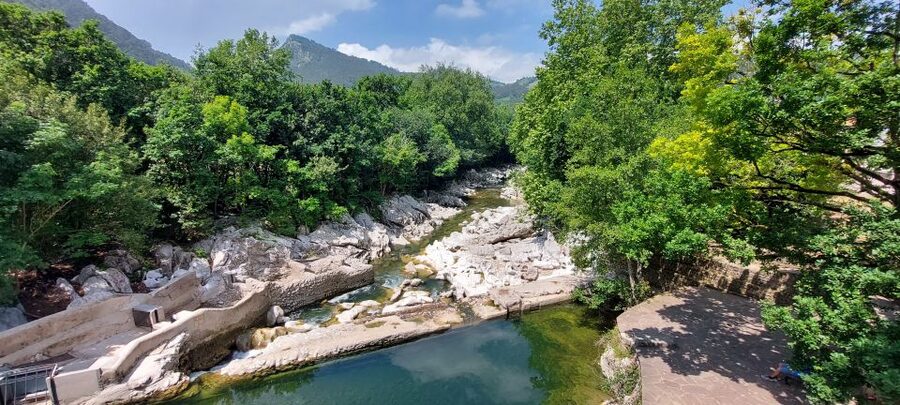
Wear comfortable, sturdy shoes with good grip. You will walk between the caves, use stairs and uneven ground, and spend time standing. Bring warm clothing even if Santander feels mild.
This tour suits you best if you:
- Care about prehistoric art and archaeology
- Want to see original cave art in its setting
- Prefer a small group to a coach tour
- Need hotel pickup from Santander
- Are comfortable walking and handling stairs
- Appreciate help in English during a Spanish-language cave visit
It is less suitable if you have a mobility impairment, are pregnant, dislike enclosed underground spaces, or want a relaxed village day with plenty of free time. Although the caves are described as spacious rather than cramped, personal comfort underground varies.
The tour can also work well for families with older children. One 17-year-old who generally dislikes tours found it engaging, but younger children must be able to manage the walking and listen during the guided visits.
Should you book the El Castillo and Las Monedas tour?
Book it if you want the most practical way to see two important Cantabrian cave sites from Santander. The original art, the small group, and the help with Spanish make this more than a simple transfer to a cave entrance.
I would book with three expectations: the museum and village portions may be brief, the cave visits require steady walking, and the English commentary comes through translation rather than an English-language local cave guide. If those limits suit you, the chance to stand beside Paleolithic handprints and drawings in their original setting is worth making room for in your Santander plans.
FAQ
How long does the tour last?
The advertised duration is five hours, including transport, the interpretation centre, both cave visits, the riverside stop, and hotel pickup and drop-off.
Are hotel pickup and drop-off included?
Yes. Pickup and return are available at a range of listed hotels and meeting points in Santander. The company contacts you the day before to reconfirm the time and location.
Are the cave tours conducted in English?
The local cave visits are conducted in Spanish. Your tour leader translates the explanations into English, and the tour operates with Spanish and English support.
How much time do you spend inside each cave?
Each cave visit is scheduled for about one hour. You visit El Castillo first, walk about 10 minutes, and then visit Las Monedas.
Is photography allowed inside the caves?
No. Photography inside the caves is not allowed.
What should you wear?
Wear comfortable shoes with good grip and bring warm clothing. The route includes walking and cave stairs, and conditions can be cool underground.
Is the tour suitable for people with mobility impairments?
No. The tour is not suitable for people with mobility impairments or pregnant women. It includes walking, stairs, and uneven surfaces.
Just added around Spain
- From Granada: Skip-the-Line Nerja Cave and Frigiliana★ 4.9 · 22 reviews
- Granada: Sacromonte Caves Flamenco Show★ 4.5 · 84 reviews
- From Denia: Boat Trip to Tallada Cave with Optional Swim★ 3.6 · 376 reviews
- Jalon Valley and The Cave of Skulls Tour★ 4.3 · 35 reviews
- Explore Málaga and the Treasure Caves by Electric Car★ 4.9 · 26 reviews
- Estany d’en Mas: Coastal Hike, Abseil & Sea Cave Exploration★ 4.9 · 162 reviews
- Moraig: Kayak Excursion to Moraig & Cave peces-testos★ 4.9 · 148 reviews
- E-Bike Mountain Tour in Natural Park +Option Tapas in a Cave★ 4.7 · 63 reviews
Spain Cave Tours, compared.
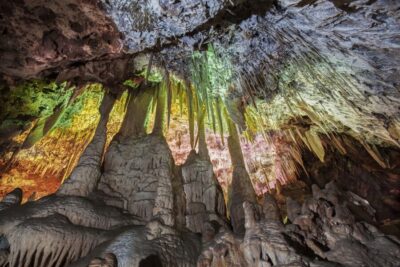

Mallorca: Caves of Drach Day Trip & Optional Caves of Hams
Read our review →
Madrid: La Cueva de Lola Flamenco Show Tickets with Drink
Read our review →
Lanzarote: Timanfaya Park, Jameos Agua, & Cueva Verdes Tour
Read our review →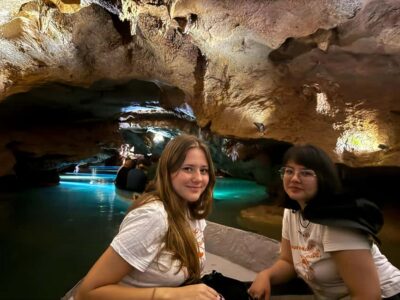
From Valencia: Cueva de Sant Josep Boat Tour with Guide
Read our review →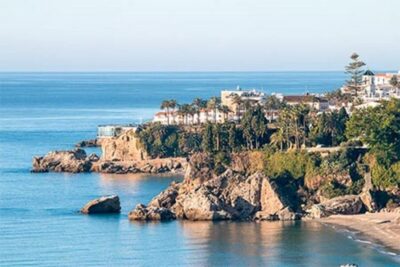
From Málaga: Caves of Nerja, Nerja and Frigiliana Day Tour
Read our review →
Sacromonte: Flamenco Show at Cuevas Los Tarantos Tickets
Read our review →
Mallorca: Cova des Coloms Caving Trip with Hotel Transfer
Read our review →Browse the lists this tour appears in