REVIEW · ROME
Rome: Appian Way and Catacombs VIP Tour with Hotel Pickup
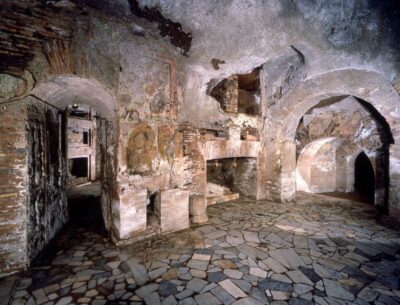
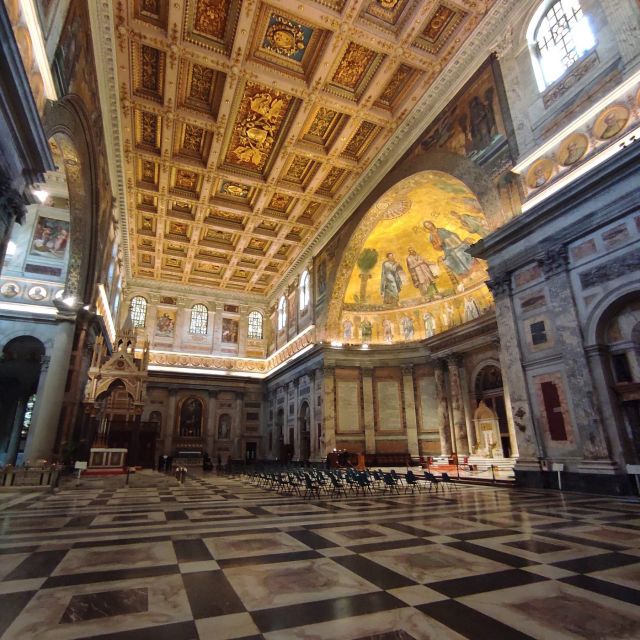
The most striking part of this Rome outing is the change of scene. In a few hours, you leave the city streets for the dark corridors of the Catacombs of Saint Callixtus, then follow the old stones of the Appian Way, one of Rome’s earliest major roads. I like the hotel pickup and private transport, since this area sits outside the usual historic center circuit. I also like the compact route, which brings in several ancient sites without asking you to plan buses or taxis.
The main tradeoff is time. The whole experience lasts three hours, with only about 30 minutes listed for the Appian Way itself. One person who enjoyed the tour wished for more time to walk there, and I agree: this is a smart introduction to the road, not a long country walk. The quality of the catacomb guiding can also vary, since the underground visit includes its own guided portion.
Key things to know before booking
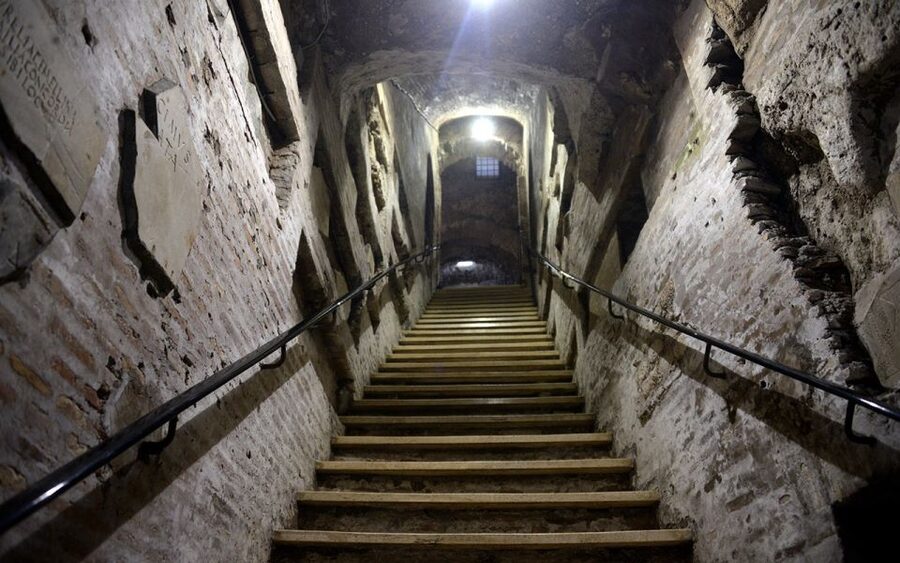
- The catacombs are the main visit: You spend about an hour at Saint Callixtus, seeing early Christian burial chambers, frescoes, sculptures, and remnants of gold glass medallions.
- The Appian Way gets a short visit: Plan on about 30 minutes for the ancient road, with scenic driving and a walk rather than a long hike.
- You travel privately: Pickup comes with a Mercedes E-Class or minivan, and the group is private.
- Several sights fit into one route: The tour also includes Villa di Massenzio, the Church of Domine Quo Vadis, and Porta San Sebastiano.
- English is the listed language: A live English-speaking guide leads the experience.
- The price covers the costly basics: At $68 per person, private transport and catacomb admission are included.
Why this route gives you a different Rome
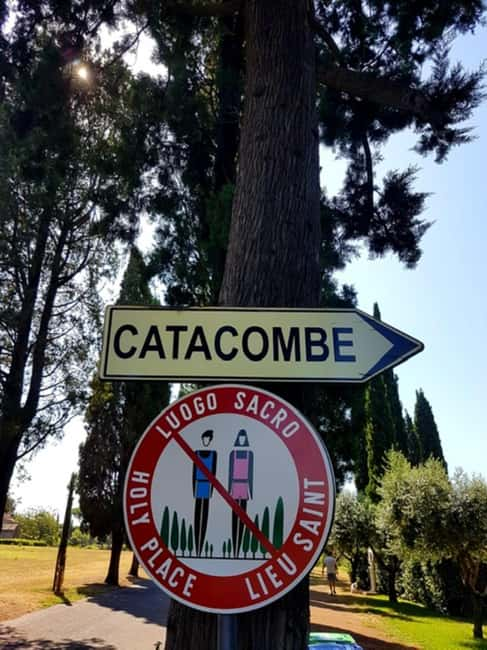
Most first visits to Rome focus on the Colosseum, Roman Forum, Pantheon, and Vatican. Those are essential, but they also keep you in the thick of the city. The Appian Way route gives you a quieter look at Rome’s outer edge, where ancient road engineering, early Christian history, and old defensive walls meet.
I especially like the contrast between the underground and open-air parts of the tour. At Saint Callixtus, you move through narrow burial passages and see traces of early Christian art. Outside, the Appian Way opens the story to roads, travel, military movement, and Rome’s reach across Italy.
This is not a full-day archaeological outing. It is a short, organized introduction for someone who wants more than Rome’s famous center but does not want to spend hours arranging transport to the southern edge of the city. The private vehicle matters here. You can move between scattered stops without trying to understand a new bus route at every turn.
More Catacombs and Underground City Tours in Italy
- Rome: Capuchin Crypts and Catacombs Tour with Transfers
★ 4.6 · 6,456 reviews - The Original Roman Crypts and Catacombs Tour with Transfers
★ 4.5 · 4,896 reviews - Rome: Catacombs of St. Callixtus Entry Ticket & Guided Tour
★ 4.6 · 3,037 reviews
Leaving Rome in a private Mercedes or minivan
Pickup is included in Rome, with transport in a Mercedes E-Class or minivan. That detail does real work. The sites on this route are spread along the Appian Way, so a private ride lets you spend your limited three hours seeing places instead of changing vehicles.
The private group format also gives you a more personal setting than a large coach tour. You can ask questions as the route unfolds, and the guide can explain what you are seeing without speaking to a crowd of dozens. The guide is listed as English-speaking, and the experience is operated by Parisa in Rome.
A few high marks go to the transport. The vehicle service received perfect scores from the available transport ratings, and Constantin is specifically praised for driving and adding another church to the route. That extra stop is the Church of Domine Quo Vadis, which makes the comment especially useful: the driver-guide may point out details you would easily miss if you explored the road alone.
Keep your expectations in proportion. Private transport does not mean every minute becomes a private walking tour. The itinerary includes scenic driving between stops, and some sites are viewed briefly from outside or treated as photo stops.
Saint Callixtus Catacombs and early Christian art
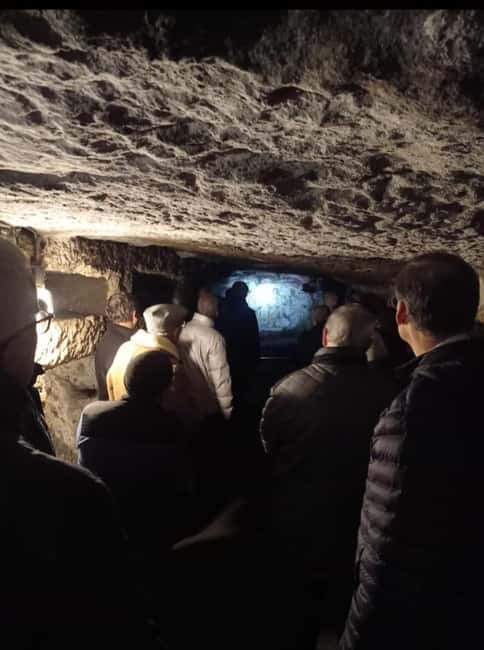
The Catacombs of Saint Callixtus receive the longest scheduled visit, about one hour. That makes sense. This is the most enclosed and specialized part of the outing, and it needs an explanation to mean much more than a series of dark corridors.
The catacombs hold burial chambers linked to the early Christian community. Inside, you can expect to encounter frescoes, sculptures, and remnants of gold glass medallions dating from around 400 AD. These details give the visit an artistic side as well as a religious and archaeological one.
I find the gold glass pieces especially useful for understanding the age of the site. They are not simply decorative fragments. They show how images and symbols were used in early Christian settings, when art carried meaning for communities living under very different conditions from modern Rome.
The underground setting is part of the appeal, but it is also a practical consideration. You are walking through a confined historic site, not strolling through a broad museum gallery. Anyone who dislikes enclosed spaces should think carefully before booking. Wheelchair users cannot take this tour, according to the stated restrictions.
The catacombs are not presented as an independent, long-form archaeological lesson. The site visit is guided, but one assessment found that this portion could have been more polished. I would treat the guide’s explanation as an important part of the experience, while remembering that the overall tour’s strongest feature may be the combination of sites and transport rather than a highly specialized catacomb lecture.
Walking the Appian Way for about 30 minutes
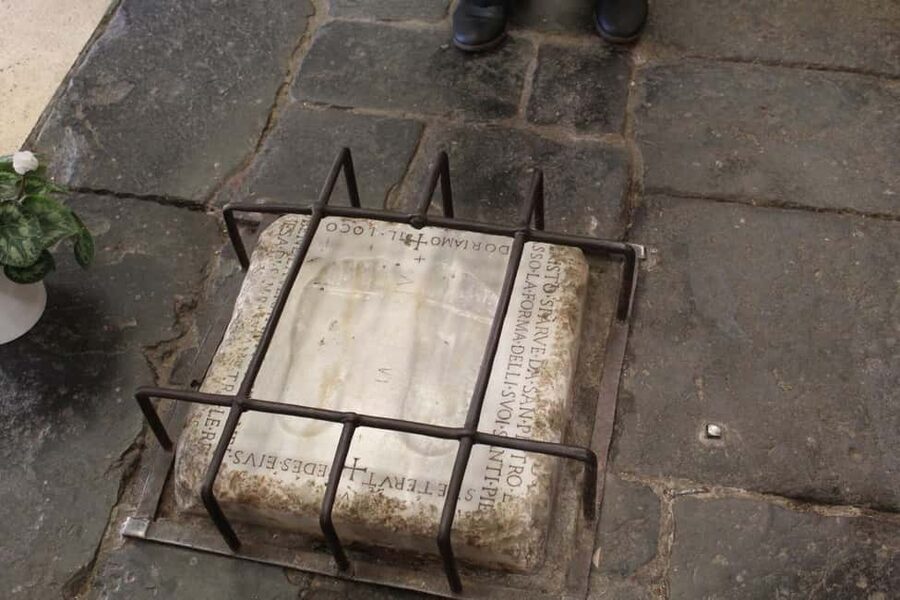
The Via Appia Antica was one of ancient Rome’s earliest and most important roads. It linked Rome with Brindisi in southeastern Italy, making it part of a much larger network of movement through the Roman Republic. The poet Statius also wrote about the road, which tells you how firmly it was fixed in the imagination of ancient Rome.
Today, the attraction is not just the age of the route. It is the feeling of following a road built for practical power: armies, officials, merchants, and other ancient passengers once used this corridor to move away from Rome. The surviving stones connect the capital to the wider Roman world in a direct, physical way.
The scheduled time here is about 30 minutes. You get a photo stop, scenic views, and a walk along part of the route. That is enough to see the road and get a sense of its setting, but it is not enough for an extended walk along the Appian Way.
This is the clearest limitation of the tour. If your main goal is to walk the ancient road at a slow pace, you may want a longer Appian Way excursion instead. One highly positive assessment still wished for more time here, and that is easy to understand. The road is the kind of place that rewards lingering, looking at the paving stones, and letting the modern city fade for a moment.
For this tour, think of the Appian Way as a central theme with a brief field visit, not the entire program. The vehicle helps you see more of the road corridor, but the walking portion is short.
More Catacombs and Underground City Tours in Rome
- Rome: Guided Roman Catacombs Tour with Transfers
★ 4.6 · 1,830 reviews - Rome: Catacombs Guided Tour with Transfer
★ 4.2 · 1,808 reviews - Rome EBike Tour: Appian Way, Catacombs & Roman Aqueducts
★ 5.0 · 1,766 reviews - Rome: Catacombs and Capuchin Crypt Guided Tour with Transfer
★ 4.6 · 1,606 reviews
Villa di Massenzio and the Roman imperial story
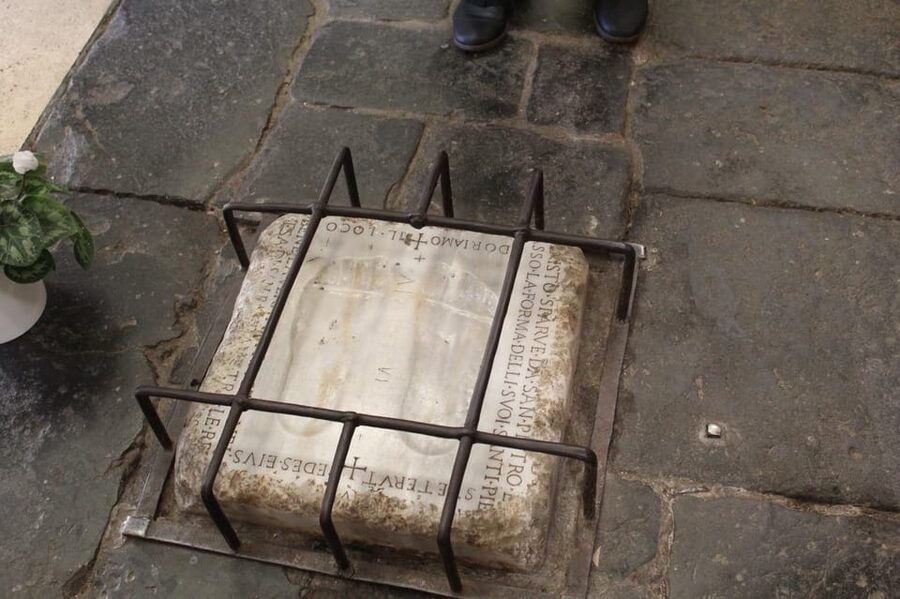
The route then brings you to Villa di Massenzio for about 25 minutes. The stop includes a photo opportunity, a walk, and scenic views from the vehicle. The villa adds an imperial chapter to the day, placing the Appian Way in the period when powerful Roman rulers developed large estates and monumental sites outside the city center.
Because the stop is brief, your time here is likely meant to give you a visual impression and a historical explanation rather than a full archaeological study. That can be a good fit if you are collecting the larger story of the road. You see that the Appian Way was not only a transport route. It also passed through an area shaped by major Roman construction and elite power.
I would keep this stop in perspective. The catacombs and road provide the strongest reasons to book, while the villa works as a useful middle chapter. It fills out the route and gives your guide another place to explain how Rome expanded beyond its central monuments.
The Church of Domine Quo Vadis
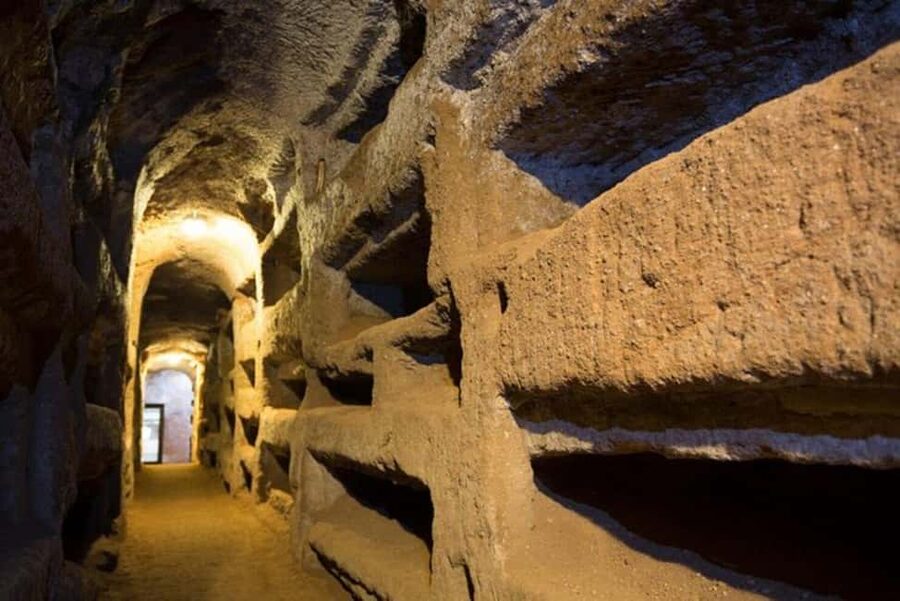
The Church of Domine Quo Vadis gets about 15 minutes. It is a short visit, but it offers a welcome change from the catacombs and ruins. Rather than focusing only on stonework and ancient engineering, the church connects the Appian Way with Christian tradition.
The name refers to the Latin phrase meaning Lord, where are you going? The supplied tour information does not give a full account of the church’s interior or specific artworks, so I would not book this stop expecting a long church visit. Treat it as a compact religious and historical pause on the route.
It is also a useful example of why private guiding helps. Constantin was praised for showing an additional church that the visitor would not have known to seek out alone, and this stop may be the one being described. With a private driver-guide, you are not simply dropped at a famous location. You get context for why the building belongs on this particular road.
Porta San Sebastiano and the old city edge
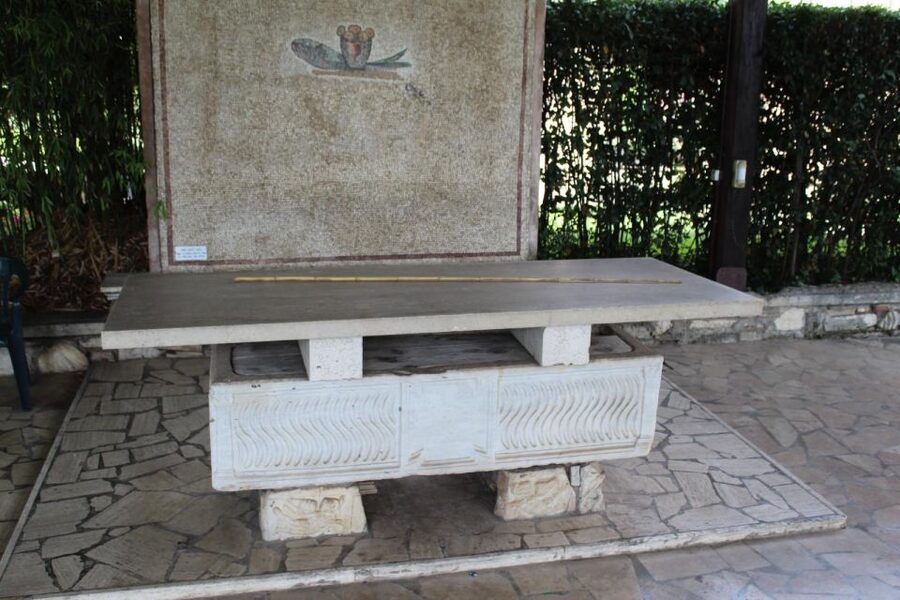
The final listed stop is Porta San Sebastiano, with about 20 minutes for sightseeing, scenic driving, and views. This gate belongs to Rome’s old defensive system and gives you a look at the point where the ancient road met the city’s fortified edge.
It is a fitting end to the route. The day begins with burial chambers outside the usual center, moves along the road that carried people toward Rome, and ends at a gate connected with entering the city. The stops create a simple geographic story even though the schedule moves quickly.
Again, do not expect a long interior visit unless your guide’s timing allows it. The description emphasizes a photo stop and sightseeing rather than a full museum-style tour. You are seeing how the road and walls relate to each other, which is valuable in a short overview.
What the $68 price really buys you
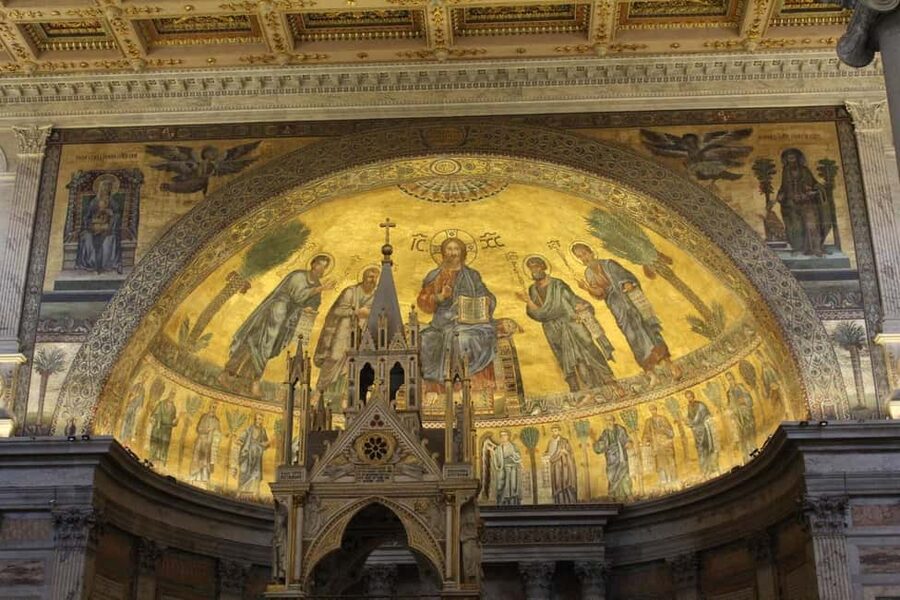
At $68 per person, the value depends on how you would otherwise reach the Appian Way and catacombs. The price includes private transportation, admission to the Catacombs of Saint Callixtus, and a guided group tour within your private booking. You are paying for convenience as much as for entry.
If you tried to arrange this route alone, you would need to coordinate transport between Rome, the catacombs, several Appian Way stops, and the city return. The private vehicle makes the price easier to justify, especially for visitors who have only a few days in Rome or who prefer not to manage transport outside the historic center.
The value is strongest for two or more people sharing the experience, families who want a direct pickup, and anyone who places a high value on time. The price is less compelling if you only want a long walk on the Appian Way. In that case, a tour built around walking rather than multiple short stops may suit you better.
The 4.8 rating from 25 evaluations supports the idea that the overall package works well. The strongest praise centers on the guide’s warmth, planning, helpfulness, and transport. Cheryl described her guide as exceptional and said she would book again, while others highlighted a friendly, attentive guide who kept the promised stops on schedule.
That said, the feedback is not uniformly perfect. One person rated the experience four out of five, and another found the catacomb guiding less polished than the rest. I would book for the complete route and private service, not on the assumption that every individual explanation will be equally strong.
Timing, comfort, and who should choose this tour
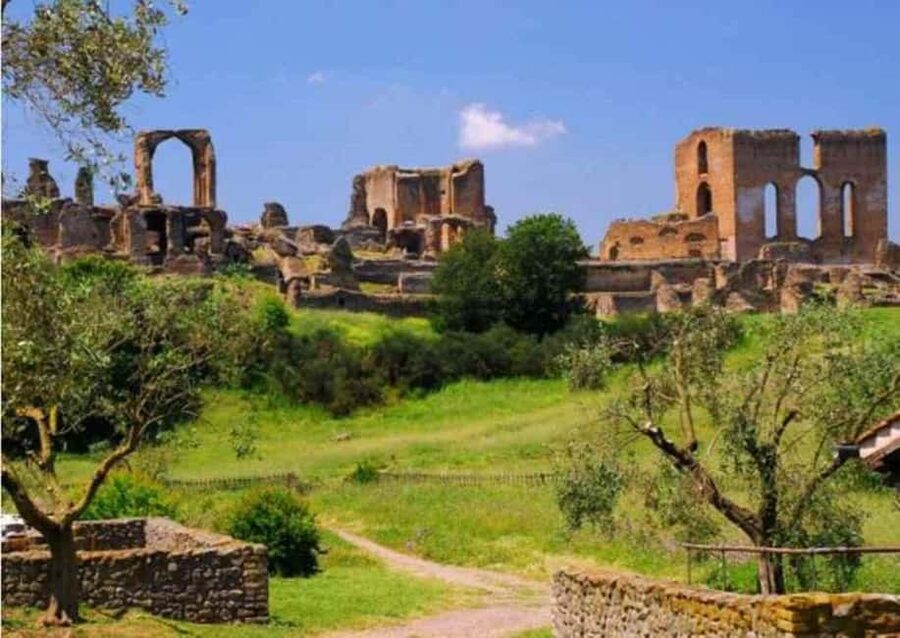
Three hours is a good length for a first look at this part of Rome. You get enough time to visit the catacombs and see several Appian Way landmarks without giving up an entire day. The pace will be brisk, though, especially if you want to stop often for photographs.
You should choose this experience if you want:
- A short introduction to the Appian Way and Saint Callixtus Catacombs
- Pickup from your Rome accommodation
- Private transport rather than public transit
- An English-speaking guide
- Several historic stops in one organized route
- A mix of underground, religious, road, and defensive history
You may want another option if you need wheelchair access, want a long walk, or prefer a highly detailed specialist tour of the catacombs. The tour is not suitable for wheelchair users, and the schedule leaves limited time for lingering at each location.
Wear sensible walking shoes. The plan includes walks at the catacombs, Appian Way, Villa di Massenzio, and other stops. No special equipment is listed, but the route combines uneven historic surfaces with an underground visit, so comfort matters more than dressing for a formal city-center outing.
The tour is offered in English. A private group means you are not sharing the main vehicle with a large public crowd, although the catacomb visit itself includes a guided component that may follow the site’s own operating arrangement.
Cancellation and booking flexibility
You can cancel up to 24 hours before the activity for a full refund. You can also reserve now and pay later, which is useful when your Rome schedule is still shifting.
Starting times depend on availability. Since the tour includes pickup, transport, and a timed catacomb visit, check the available departure slot carefully before booking. A three-hour experience can fit neatly between larger Rome plans, but allow yourself breathing room around it rather than scheduling another major timed attraction immediately afterward.
Should you book the Appian Way and Catacombs tour?
Book it if you want an efficient, private introduction to Rome beyond the Colosseum and Vatican. The combination of hotel pickup, Mercedes or minivan transport, Saint Callixtus admission, and several Appian Way stops gives you strong practical value for $68 per person.
I would especially recommend it to first-time visitors with limited time, couples or families who prefer a private ride, and anyone curious about early Christian Rome. The tour gives you both the underground world of the catacombs and the open-air story of an ancient road.
Skip it if the Appian Way itself is your main passion and you want hours on foot. The 30-minute road visit is the one part most likely to leave you wanting more. For everyone else, this is a well-planned short route with excellent transport service, warm guiding, and enough variety to make a half-day away from central Rome worthwhile.
FAQ
How long does the Rome Appian Way and Catacombs tour last?
The tour lasts three hours, including pickup, sightseeing, guided visits, walks, and the return to Rome.
What is included in the price?
The $68 price includes private transportation, entry to the Catacombs of Saint Callixtus, and a guided group tour.
Is hotel pickup included?
Yes. Pickup in Rome is included, with transport in a Mercedes E-Class or minivan.
What language is the tour offered in?
The live tour guide speaks English, and English is the listed tour language.
Is this a private tour?
Yes. The booking is for a private group, with private transportation.
How much time is spent at the Catacombs of Saint Callixtus?
The itinerary allows about one hour for the catacombs, including the visit and guided tour.
How much time is spent walking on the Appian Way?
About 30 minutes are allocated to the Appian Way, including sightseeing, a photo stop, and walking.
Is the tour suitable for wheelchair users?
No. The activity is not suitable for wheelchair users.
Can I cancel the tour for a refund?
Yes. You can cancel up to 24 hours in advance for a full refund. You can also reserve now and pay later.
More Cave Tours with Hotel Pickup in Rome
- Catacombs Tour with Transfer – Optional Capuchin Crypt or Trevi
★ 4.5 · 694 reviews - Rome: Appian Way, Catacombs & Aqueducts by eBike + Transfer
★ 4.9 · 421 reviews - Rome: Catacombs Underground Tour, Ticket, and Transfer
★ 3.8 · 41 reviews - Half-Day Emerald Cave Kayak Tour with Optional Hotel Pickup
★ 5.0 · 4,978 reviews
More Luxury Cave Tours in Rome
- Halong Bay: Luxury Day Cruise, Caves, Kayak & Buffet Lunch
★ 4.9 · 981 reviews - Halong Bay Full Day with Kayaking, Hiking viewpoint, Cave – Deluxe To Luxury
★ 5.0 · 884 reviews - Luxury Blue Cave and Elaphiti Islands Small Group Tour
★ 5.0 · 796 reviews - All-Inclusive 2 Day/1 Night Halong Luxury Cruise, Meals, Cave, Kayaking,Swimming
★ 5.0 · 668 reviews
Just added around Rome
- St. Peter’s Basilica Full Guided Tour with Vatican Grottoes★ 4.6 · 286 reviews
- Rome: St Peter’s Basilica Express Tour & Grottoes★ 4.3 · 126 reviews
- St. Peter’s Basilica and Vatican Grottoes Tour★ 4.9 · 120 reviews
- Rome: Underground Trastevere Guided Walking Tour★ 4.8 · 87 reviews
- Rome: Appian Way, Aqueducts, & Catacombs E-Bike Guided Tour★ 4.9 · 54 reviews
- Rome: Tour of St. Clement’s Basilica Underground Temples★ 4.8 · 242 reviews
- Rome underground hidden temples, ruins, and secret basilicas★ 3.7 · 21 reviews
- Rome: St. Peter’s Basilica Tour with Vatican Grottoes★ 4.5 · 314 reviews
Rome Cave Tours, compared.
Colosseum: Underground and Ancient Rome Tour
Read our review →
Rome: Capuchin Crypts and Catacombs Tour with Transfers
Read our review →
Expert Guided Tour of Colosseum Arena OR Underground, and Forum
Read our review →
The Original Roman Crypts and Catacombs Tour with Transfers
Read our review →
Rome: Colosseum Underground Small Group Guided Tour
Read our review →
Rome: St. Peter’s Basilica, Dome Climb, and Underground Tour
Read our review →
Rome: Colosseum Underground, Arena & Forum Tour
Read our review →