
REVIEW · UK
London: Private Underground and Tube Tour
London’s Underground is more than a way to get across town. It is a working museum beneath your feet, with old railway companies, abandoned platforms, steam-era problems, and station details most commuters never notice. This 165-minute private tour starts at Paddington and follows the Tube’s oldest routes toward central London.
I like two things right away: you use the actual network rather than simply viewing old photographs, and the private format gives you room to ask questions. Guides including Rory, Fiona, Chris, and Jericho have been praised for being engaging and well informed. The main drawback is practical: you need your own Zone 1 travel card or Oyster card, and the tour is not suitable for wheelchairs or prams.
Key points at a glance
- Begin beneath Paddington’s Platform 1 clock: This clear meeting point puts you beside one of London’s best-known railway stations.
- Follow the oldest stretch of Underground railway: The tour connects the modern Tube to its beginnings in 1863.
- Learn why the Circle line once demanded careful attention: The explanation goes beyond station names and points to how the system actually worked.
- Look for London’s ghost stations: Closed or hidden stations add a slightly eerie note to the engineering story.
- Expect a flexible route: Improvement work can change the stations and lines used on the day.
- Plan for stairs and walking: The route is not accessible for wheelchair users or parents with prams, and there is no promised toilet stop.
Start beneath the clock at Paddington Station
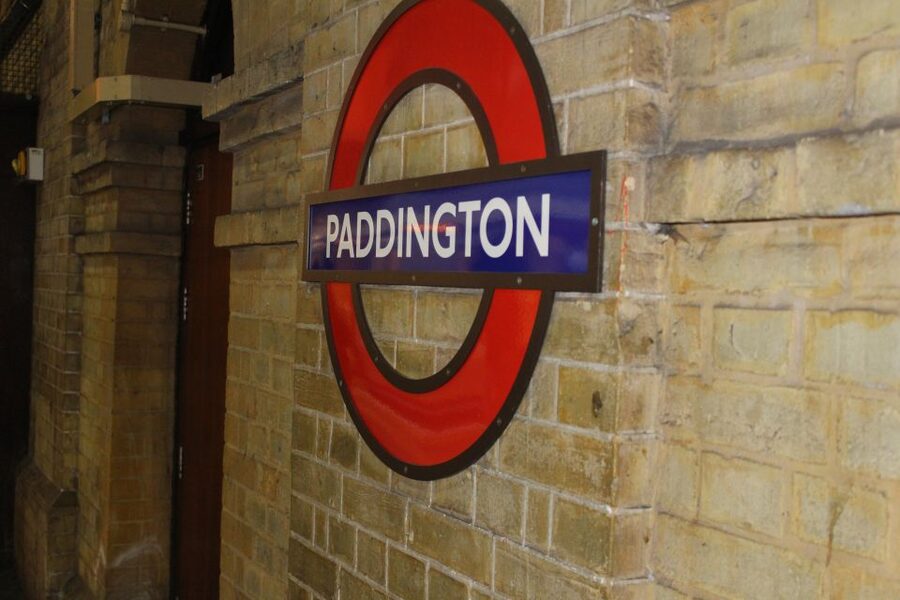
Your meeting point is underneath the clock on Platform 1 at Paddington Station. That is specific enough to avoid the usual London meeting-point muddle, but give yourself time to reach the platform if you are arriving by train or changing from another Tube line.
Paddington is a fitting place to begin. The station connects the grand age of British rail with the Underground system that followed. In 1863, London opened the world’s first underground railway, built to help people reach the crowded central districts without adding more traffic to already packed streets.
The tour uses that beginning as its frame. You are not just told that the Tube is old. You are shown how it grew, how its lines developed, and why the network looks and works the way it does today.
Because this is a private group, you are not sharing the guide’s attention with a large crowd. That matters in a station. Underground platforms can be noisy, signs can be hard to see, and a good question can easily get lost when twenty people are listening at once.
More Private Cave Tours in the UK:
- Private Half-Day Batu Caves and Cutural Tour in Kuala Lumpur
★ 5.0 · 3,107 reviews - Capri & Blue Grotto Semi Private Boat Day Trip from Sorrento
★ 5.0 · 2,053 reviews - Elephanta Caves & Island Guided Private Tour
★ 5.0 · 1,327 reviews
Follow the railway that started London’s Tube story
The strongest part of the experience is the link between ordinary Tube travel and the network’s early engineering. You travel along London’s oldest stretch of railway line, seeing the system as transport rather than as a display behind glass.
The first Underground trains were powered by steam. That fact sounds simple, but it helps explain several design choices and changes in the network. The tour covers why electric trains eventually replaced steam engines, and how that change made deeper and more practical underground travel possible.
You also learn that the lines were once run by rival companies. Today, the Tube map makes the Underground look like one tidy system, but it developed through competing businesses with separate plans, equipment, and priorities. That background helps explain why some stations sit close together, why connections can feel oddly placed, and why parts of the network do not follow a neat modern pattern.
I especially like this kind of explanation because it changes the way you use the Tube afterward. A long corridor or awkward transfer is no longer just bad design. It may be a trace of old companies, old routes, and later attempts to join them together.
The Circle line and the problem of knowing your direction
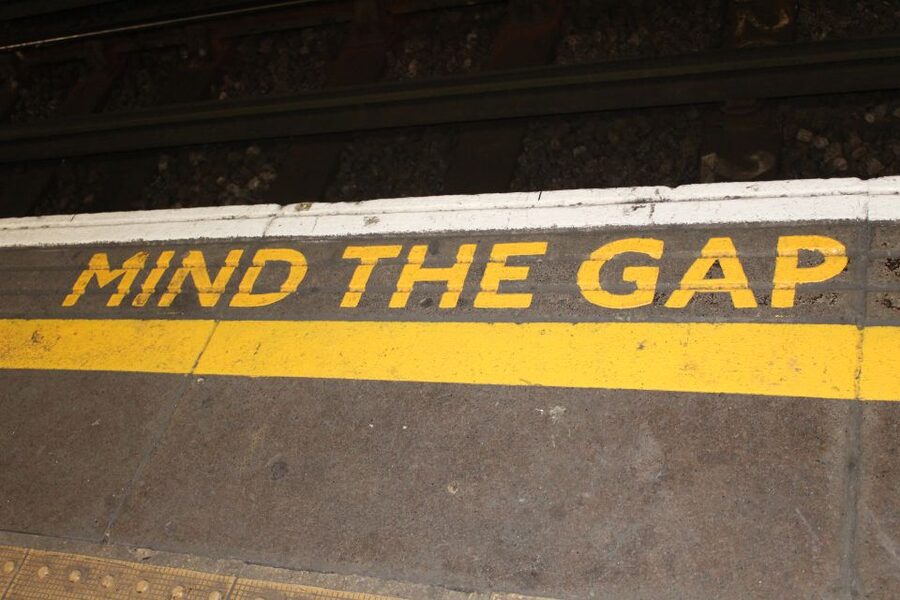
The Circle line provides one of the tour’s more useful curiosities. You learn why it once mattered to know which way you were traveling around the circle.
That sounds like a small detail, but it is exactly the sort of thing that can make a city network suddenly make sense. The Circle line is not simply a loop that lets you board any train and eventually arrive at the right place. Direction, destination signs, and the way the line developed all affect how you read the route.
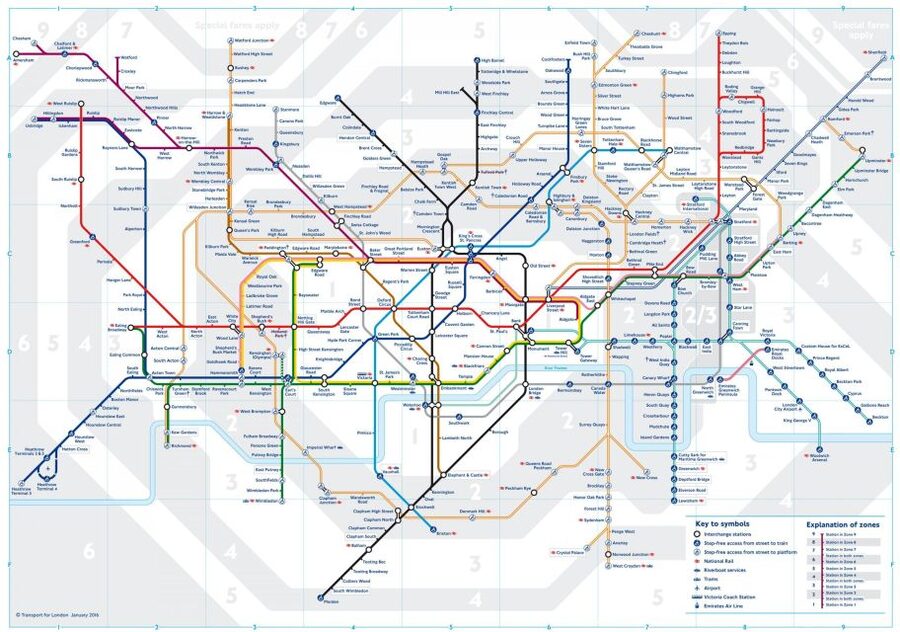
The guide also considers how accurate the famous Tube map really is. Harry Beck’s diagram is one of London’s best-known pieces of graphic design, but it favors clarity over geographic accuracy. Stations may look evenly spaced, lines may appear straighter than they are, and the map can suggest relationships that are different from those on the surface.
You should not expect a long design lecture. Instead, this is a practical way to understand why your Tube map is so helpful and so misleading at the same time. It is a diagram for navigation, not a street map.
Stations that are old, deep, beautiful, and odd
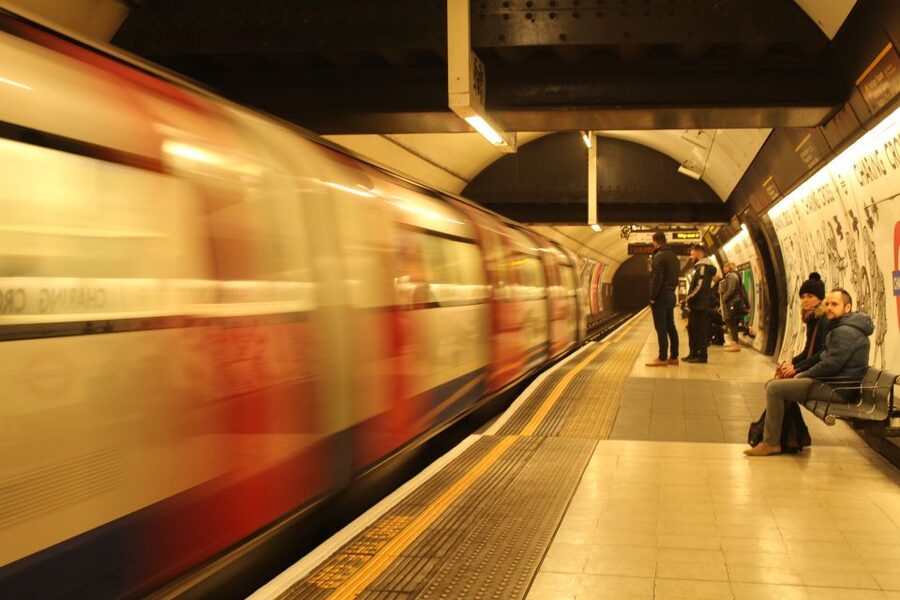
The route changes slightly when improvement work affects the network, so no two departures should be treated as an exact station checklist. That flexibility is useful, since the London Underground is a working railway and closures or construction can alter the best route.
You are taken to a selection of famous, deep, attractive, and unusual stations. The supplied information does not name every station in advance, so you should book this for the theme rather than for one guaranteed platform or architectural detail.
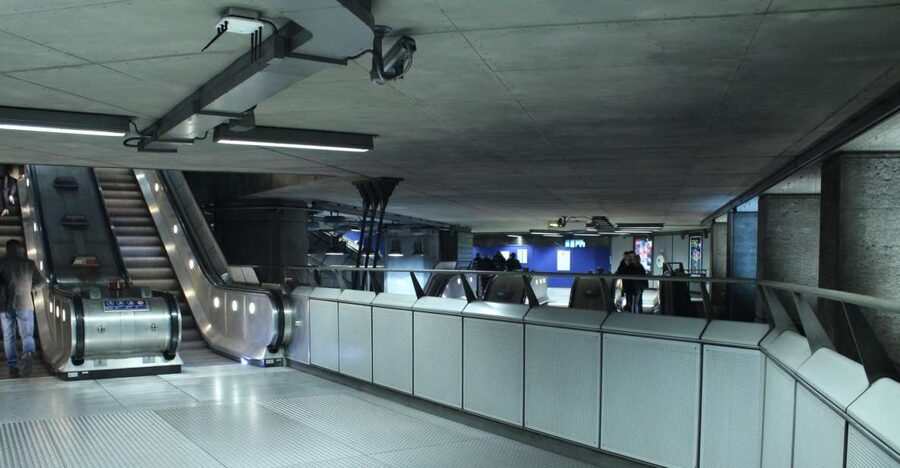
That is also part of the fun. You are looking at stations that many people pass through without examining. The guide points out quirks and features that disappear when you are hurrying to work or trying to catch a train.
A private guide can pause when something catches your interest. You can ask why a station was built in a particular way, how a line connects with another, or why a passage seems much longer than the map suggests. One reported tour with Rory ran beyond the planned time because the group had so many questions, although you should not assume every departure will do the same.
The walking can be tiring. You are moving through stations, transferring between lines, and dealing with the usual Tube stairs, escalators, platforms, and corridors. Wear comfortable shoes and avoid carrying more than you need.
A few more cave trips around the UK worth a look
- Edinburgh: Underground Vaults Tour
★ 4.6 · 11,758 reviews - The World Famous Underground Ghost Tour
★ 4.5 · 9,272 reviews - Underground Vaults Walking Tour in Edinburgh Old Town
★ 4.5 · 8,506 reviews - Edinburgh: Haunted Underground Vaults and Graveyard Tour
★ 4.6 · 6,607 reviews
London’s ghost stations beneath the streets
The ghost-station section gives the tour its most atmospheric subject. London has stations and platforms that closed, changed purpose, or disappeared from normal passenger use. Some can be glimpsed from passing trains, while others survive through old structures, sealed entrances, or traces in the station layout.
The tour introduces you to these abandoned pieces of the network and explains how they fit into London’s transport story. The appeal is not just spooky atmosphere. A closed station can show how neighborhoods change, how routes lose importance, and how the Underground keeps adapting to the city above.
You should keep expectations sensible. This is not a visit inside abandoned tunnels, and the available information does not promise access to closed platforms. You discover the ghost stations as part of a public walking and Tube route, through what can be seen and explained along the way.
That limitation is worth knowing before booking. If you want a specialized exploration of disused tunnels, this is not that kind of outing. If you like odd details, forgotten infrastructure, and the stories behind familiar places, this part should be a highlight.
Why the private format helps
The price is $84.86 per person, with a professional English-speaking guide and a private group. You also pay your own Tube fares, so the advertised price is not the complete cost of the outing.
For a solo visitor, the price may feel high compared with joining a large walking tour or simply riding the Underground alone. The value improves for a small private group, especially if several people are sharing the booking and you want the guide to shape the pace around your questions.
The private setup is most useful for people who already have a strong interest in transport, architecture, London history, or urban design. It also works well for a family with older children, provided everyone can manage the walking and stairs. Younger children may find the technical explanations less gripping, and baby carriages are not allowed.
The guides named in feedback include Rory, Fiona, Chris, and Jericho. Their strengths are described in slightly different ways, but the consistent picture is clear: expect a guide who explains rather than simply leads, and who can make room for questions. Fiona, in particular, was praised for helping a birthday outing feel relaxed and personal. Rory was singled out for being entertaining and for staying with the group’s questions.
No guide name is guaranteed when you book, so treat those names as examples of the guiding style you may encounter, not as a promise.
What the 165 minutes feel like
Two hours and 45 minutes is long enough to build a proper story around the network, but short enough to fit into a busy London day. You begin at Paddington, move through a changing selection of central stations, and finish at the advertised end point near Westminster.
The pace will not be that of a sightseeing bus. You are walking, riding trains, waiting on platforms, and stopping for explanations. Allow extra time after the official end if you have a train reservation or a fixed restaurant booking.
There is an important practical detail to clarify. The route description says the tour concludes at Westminster Station, while the meeting-point information says the activity ends back at the meeting point. Those details do not match. Ask the operator to confirm the final station before booking, particularly if Westminster is important to your plans.
There is also no planned toilet stop in the information provided. One older participant found that inconvenient, so plan ahead at Paddington or use facilities when the opportunity arises. Once the tour is underway, the group may not pause simply because you need a break.
Tickets, access, and what to bring
Your tour fee does not include travel costs. You need a Zone 1 travel card or an Oyster card with at least £7 of pay-as-you-go credit. Check that your card is ready before meeting the guide, since the route relies on the public Underground.
Bring:
- A valid Zone 1 travel card or Oyster card with at least £7 credit
- Comfortable shoes for station walking
- A light bag that is easy to carry
- Water, especially if you find underground stations warm or tiring
- A little extra time for finding Platform 1 at Paddington
The tour is not suitable for wheelchair users, and prams and baby carriages are not allowed. That is due to the locations and the physical nature of the route, not simply the guide’s preference. If you need step-free access, this is not a safe booking choice.
The English-language tour has a live guide rather than an audio device. That makes questions easy, but it also means you need to stay close enough to hear in busy stations.
Who will get the most from this Tube tour
I would choose this for someone who has already seen London’s headline sights and wants to understand the city’s systems. It is especially good for:
- First-time visitors who want a strong introduction to the Tube
- Repeat visitors who use the Underground often but know little about its past
- Railway and engineering fans
- People who enjoy maps, city planning, and old infrastructure
- Small private groups that prefer questions and conversation
- Families with older children who can handle stairs and a nearly three-hour outing
I would not choose it for someone looking for a relaxed surface-level sightseeing walk. You spend much of the time below street level, and the appeal comes from explanations, station details, and transport history rather than famous views.
It may also disappoint visitors who want guaranteed access to abandoned stations. The ghost-station material is part of the route’s story, not a promise of entering closed tunnels.
Booking flexibility and final checks
You can cancel up to 24 hours before the activity for a full refund, and you can reserve now and pay later. That is helpful in London, where weather, rail strikes, construction, and changing plans can affect a day’s schedule.
Still, check availability for the actual starting times and confirm the end point. Since the route can change with improvement work, ask if a particular station or feature is especially important to you. The tour’s appeal is broad, but not every departure will follow precisely the same path.
Should you book the London Underground tour?
Book it if you want London’s Tube to become more than a confusing set of colored lines. The strongest reasons are the oldest railway route, the explanation of rival companies and electric trains, the Circle line story, and the ghost stations. The guides appear to bring real warmth and personality, with Rory, Fiona, Chris, and Jericho all associated with engaging departures.
Skip it if you need step-free access, are bringing a pram, dislike walking and stairs, or want an exact list of stations guaranteed in advance. Also factor in the extra Tube fare and confirm whether the tour ends at Westminster or returns to Paddington.
For a small group that enjoys city history and wants to ask questions, $84.86 per person can be fair value. You are paying for interpretation, not merely for a Tube ride. Afterward, you will likely look twice at the map, the platform signs, and all those corridors you once hurried through.
FAQ
Where does the London Underground tour begin?
It begins underneath the clock on Platform 1 of Paddington Station.
Where does the tour end?
The route description says it concludes at Westminster Station, but the meeting-point information says the activity ends back at the meeting point. Confirm the final end point with the operator before booking.
How long does the tour last?
The tour lasts 165 minutes, or two hours and 45 minutes.
Is the tour private?
Yes. It is offered as a private group experience with a live English-speaking guide.
Are travel costs included?
No. You need your own Zone 1 travel card or an Oyster card with at least £7 of pay-as-you-go credit.
Is the tour accessible for wheelchair users?
No. The tour is not suitable for wheelchair users because of the locations visited and the physical nature of the route.
Can I bring a pram or baby carriage?
No. Baby carriages are not allowed, and the tour is not suitable for parents with prams.
Can I cancel the booking?
Yes. You can cancel up to 24 hours in advance for a full refund. You can also reserve the tour and pay later.
Just added around the UK
- 90min Underground Whisky Tasting in Edinburgh’s Old Town★ 5.0 · 350 reviews
- Edinburgh: Witches & Haunted History Walking Tour★ 5.0 · 632 reviews
- Underground City of the Dead Tour★ 4.5 · 272 reviews
- Evolution of Gin and Underground Gin Tasting in Edinburgh | 1hr★ 5.0 · 59 reviews
- Old Town Historical and Underground Tour★ 5.0 · 1,574 reviews
- Small Group Ghost Tour incl. Underground Vaults & free drink in Megget’s Cellar★ 5.0 · 608 reviews
- Extreme Paranormal Underground Ghost Tour in Edinburgh★ 4.5 · 1,587 reviews
- City of the Dead Underground Vaults (Day)★ 4.5 · 113 reviews
UK Cave Tours, compared.

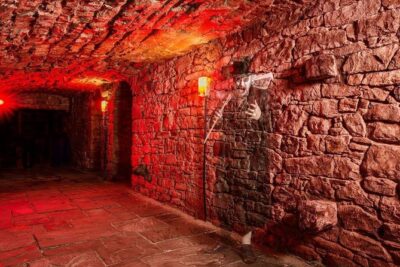

Underground Vaults Walking Tour in Edinburgh Old Town
Read our review →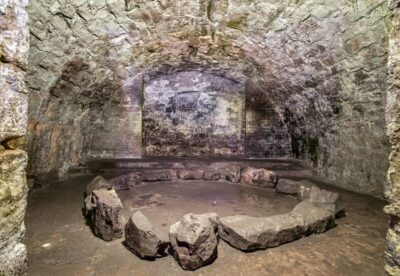
Edinburgh: Haunted Underground Vaults and Graveyard Tour
Read our review →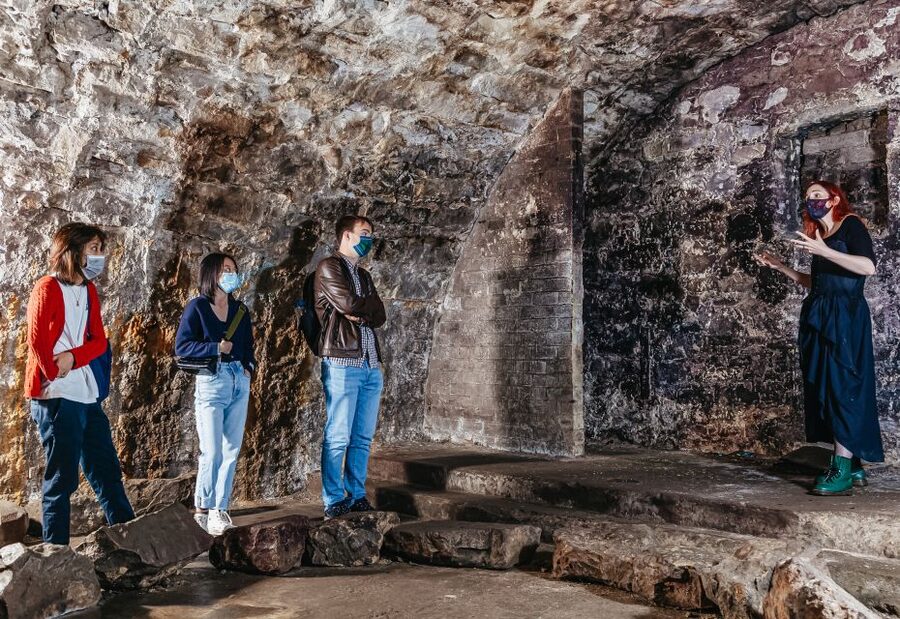
Edinburgh: Late-Night Underground Vaults Terror Tour
Read our review →
Edinburgh: Multi-Sensory Haunted Underground Tour
Read our review →
Edinburgh: Underground Vaults Evening Ghost Tour with Whisky
Read our review →Browse the lists this tour appears in