
REVIEW · GREECE
Lasithi –Plateau Traditional Vilages
The best part of this six-hour trip is the climb from Agios Nikolaos into Crete’s mountain country, where old villages, high plateaus, and Ottoman-era stories replace the coast. You’ll see Kritsa, the Katharo Plateau, Lasithi’s famous windmills, and the ancient plane tree at Krasi, with a local lunch along the way.
I like the small maximum of 10 people, which gives the guide more room to explain Cretan mythology and answer questions. I also like that lunch, bottled water, pickup, and an air-conditioned vehicle are included, so the $106.65 price covers more than a simple sightseeing ride.
The main caution is physical comfort. The route includes mountain roads, time in a vehicle, and an uphill walk to Zeus’s Cave if you choose to visit it. One departure also felt cramped to a passenger, so confirm the pickup and vehicle arrangements if personal space matters to you.
Key points to know before booking
- Kritsa opens the day with village life, legends, religious sites, and local character.
- Katharo Plateau sits at about 1,250 meters and is known for dwarf hippopotamus fossils.
- Lasithi Plateau once held more than 10,000 traditional windmills.
- Zeus’s Cave is an optional extra, with an uphill approach and a separate entrance fee.
- Krasi’s enormous plane tree is about 2,400 years old, according to local tradition and estimates.
- The group is limited to 10 people, and lunch, water, pickup, and air conditioning are included.
Why this mountain tour is different from a standard Crete outing
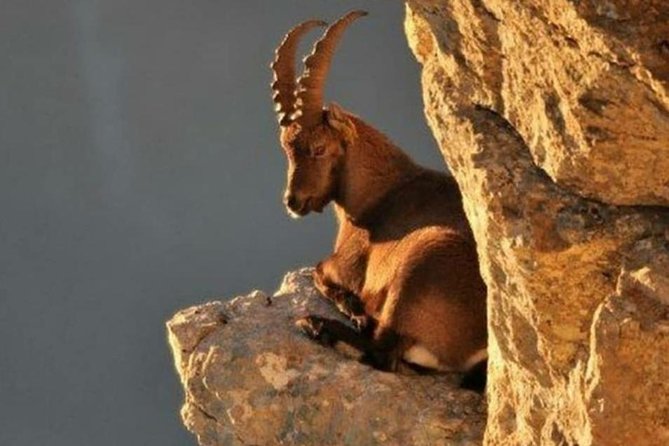
Many visitors base themselves around Agios Nikolaos for the sea, beaches, and harbor. This trip takes you inland, up through the foothills and into the high country of eastern Crete. The reward is not one single blockbuster sight. It is the change in scenery and the string of smaller stops that show how people lived in the mountains.
You’ll spend about six hours on the road and at the villages. That is long enough to get a real taste of the interior without giving up an entire day. The tour is offered in English and usually operates on Wednesday mornings, with the stated pickup window running from 9:00 to 10:00 a.m.
I see the tour as a good middle ground between renting a car and staying near the resort. You avoid navigating mountain roads, but you still get a closer look at rural Crete. The tradeoff is that your timing is fixed, and some stops are fairly brief.
The small-group format matters here. With no more than 10 people, you are less likely to feel like a number in a large coach. A guide such as Nikos can spend time discussing Greek mythology, local plants, village customs, or the stories connected to the mountains. The quality of the day will still depend on the guide and the vehicle, but the group limit gives the experience a useful advantage.
Other caves people go underground for around Greece:
- From Corfu: Day Cruise to Paxos, Antipaxos, & the Blue Caves
★ 4.3 · 4,800 reviews - Athens: Meteora Monasteries Day Trip with Caves and Lunch
★ 4.7 · 4,670 reviews - From Corfu Island: Antipaxos & Paxos Blue Caves Boat Cruise
★ 4.7 · 3,690 reviews
Kritsa, a mountain village with more than pretty streets
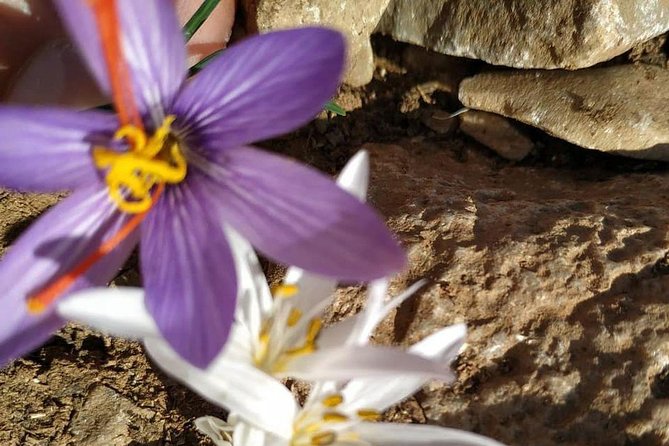
The first stop is Kritsa, one of the better-known traditional villages in the area. You have about an hour here, enough time to walk around and get a feel for the place without trying to cover every corner.
Kritsa is presented as a village tied to legends, gorges, archaeological remains, and religious monuments. That combination makes it more interesting than a quick photo stop. You can look for the details that give an old Cretan settlement its character: stone buildings, narrow routes, and signs of long-standing religious and village life.
The stop is free, so you are not paying extra simply to walk through the village. Still, an hour passes quickly. If you enjoy browsing small streets or lingering at a church or monument, you may wish the schedule allowed more time. If you prefer a compact introduction before heading into the mountains, the length works well.
This is also a useful point to listen closely to the guide. The village is not just scenery for a photograph. Its legends and monuments help explain the culture you will encounter later at the plateaus and in the stories of Zeus, Ottoman rule, and mountain life.
Katharo Plateau at 1,250 meters
The road then rises to Katharo Plateau, also called the Lower Plateau, at roughly 1,250 meters. The altitude brings a noticeable change in the setting. Instead of looking out over the coast, you are surrounded by open high-country scenery and mountain air.
Katharo is known for fossils of a Cretan dwarf hippopotamus. That is an unusual detail, and it gives the stop more substance than a simple viewpoint. The plateau also carries legends and stories linked to the Ottoman period. You are seeing a place shaped by both natural history and human memory.
You have about an hour here. The information provided does not specify a guided hike, so think of this as a scenic and cultural stop rather than a demanding walking excursion. Wear comfortable shoes anyway. Mountain ground can be uneven, and you will want to move around enough to take in the setting.
The climb is part of the appeal, but it can also be part of the challenge. Roads into high mountain areas tend to involve bends, and some people find a long vehicle ride tiring. The air-conditioned vehicle is a real practical benefit, especially during hot weather. One review described heavy heat during the climb toward Zeus’s Cave, so bring water even though bottled water is supplied.
Lasithi Plateau and the windmills that once powered the plain
The main stop is Lasithi Plateau, at about 1,150 meters. You have roughly two hours here, making it the longest part of the route. This is where the tour’s themes of nature, history, and local ingenuity come together.
More than 10,000 traditional windmills once operated across the plateau. In the 1950s and 1960s, the area was considered one of Europe’s first wind farms. That fact changes how you see the scattered windmill structures. They were not decorative props. They were practical machines used in the daily work of the plateau.
The windmills are also a reminder that Cretan mountain communities adapted to their surroundings. The high plain had its own farming system, water needs, and seasonal rhythm. You may not see every part of that former system in operation today, but the remains make the story easier to understand.
Lasithi is also connected with Diktaio Cave, commonly called the birthplace of Zeus, in the village of Psychro. The cave is at about 840 meters. The tour information lists the cave as part of the area, but the sightseeing entrance fee is not included in the price.
Plan for an uphill approach if you choose to visit the cave. A review describes the walk as a climb and notes that donkeys were available for the ascent and descent. That option may exist at the site, but I would not treat it as an automatic part of this tour. If you have concerns about animal welfare, mobility, heat, or steep walking, ask the guide about the current conditions before committing to the cave visit.
The cave can be a strong reason to book the tour, especially if Greek mythology interests you. Just keep your expectations practical. You will need to pay the entrance fee separately, and the visit adds physical effort to an already active day. The cave stop is not the whole tour, so you can still enjoy the plateau if you decide not to go inside.
Two hours sounds generous, but it may include time for the cave, photos, orientation, and lunch. Stay aware of the meeting time. A mountain excursion is not the place to wander off without checking when the vehicle departs.
Same corner of the map, a different way in:
- Zakinthos: Shipwreck Beach and Blue Caves Land and Sea Tour
★ 4.6 · 3,359 reviews - Athens to Meteora: Monasteries, Caves & Seaside Stopovers
★ 4.7 · 2,958 reviews - From Corfu: Day Cruise to Paxos, Antipaxos, and Blue Caves
★ 4.6 · 2,851 reviews - Porto Vromi: Shipwreck, Caves, & White Beach Swimming Cruise
★ 4.4 · 1,951 reviews
Lunch is part of the value, not an afterthought
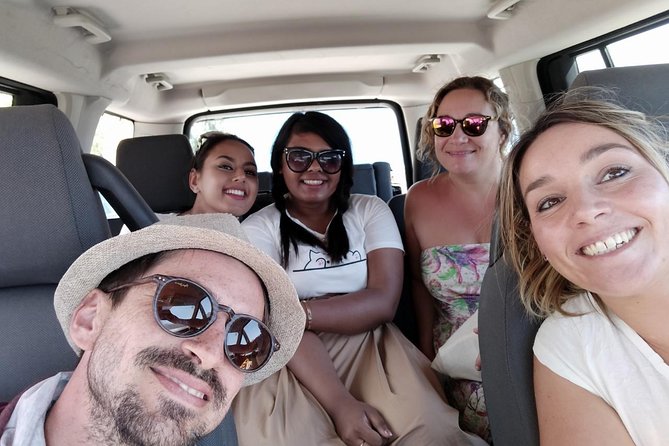
Lunch is included, along with bottled water. That matters on a six-hour outing because mountain stops can make it awkward to find food on your own. You do not have to spend part of the day searching for a restaurant or guessing how long a meal will take.
The available feedback specifically praises the lunch and mentions goat as one dish served on a related mountain outing. Because menus can change, do not assume goat will be offered on your departure. Still, you can expect the meal to be an important part of the day rather than a token snack.
I like the way lunch fits the setting. After visiting villages and high plateaus, a local meal gives you another way to connect with Crete. It also helps keep your energy up before the later stop and the return drive.
If you have dietary restrictions, the supplied information does not state that special menus are available. Ask the provider before booking rather than assuming the meal can be changed. That is one of the few details that should be clarified in advance.
Krasi and the enormous plane tree
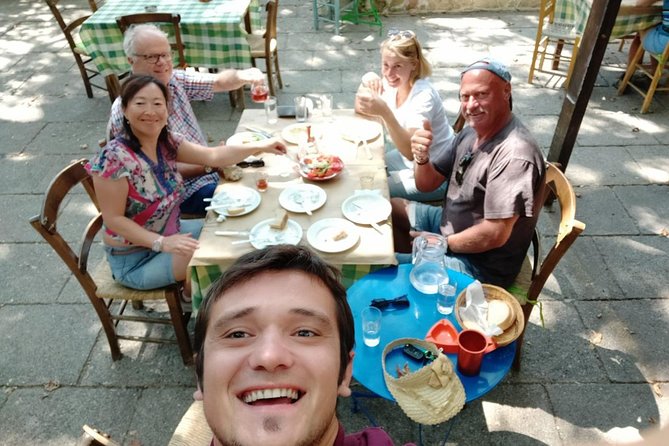
On the descent, the tour makes a 30-minute stop in Krasi. The headline sight is an enormous plane tree associated with the Cretan writer Nikos Kazantzakis.
The tree’s circumference is about 24 meters, and it is estimated to be around 2,400 years old. A local saying connects each meter of circumference with 100 years of age. Treat that as folklore rather than a precise scientific dating method, but it gives you a sense of how strongly the tree is tied to local identity.
The stop is short and easy to understand. You can photograph the tree, hear about its connection to Kazantzakis, and stretch your legs before returning toward Agios Nikolaos. After the higher plateaus, Krasi offers a gentler finish.
This is a good example of the tour’s overall style. It does not rely only on famous monuments. It links ordinary village places to stories, writers, old customs, and the long passage of time. You get a more rounded picture of Crete than you would from a quick transfer between major sights.
Transport, comfort, and group size
Pickup is offered, and the tour uses an air-conditioned vehicle. Those details are especially helpful during the warmer months, when mountain roads and open-air stops can make the day tiring. The vehicle gives you a cool place to recover between visits.
The group limit is 10 people. That is small enough for a more personal outing, but it does not guarantee a roomy ride. One passenger reported being squeezed into a vehicle with six other people and finding the return journey uncomfortable. I would take that as a reason to confirm the vehicle setup rather than as proof that every departure will have the same problem.
The tour is suitable for most people according to the supplied information, but it is not a completely passive sightseeing ride. You should be comfortable getting in and out of a vehicle, walking around village streets, and handling an uphill route if you visit Zeus’s Cave.
The high points also bring heat and sun exposure. The bottled water helps, but bring sun protection and sensible footwear. The supplied details do not list special accessibility arrangements, so ask the provider directly if you need them.
Is $106.65 a fair price?
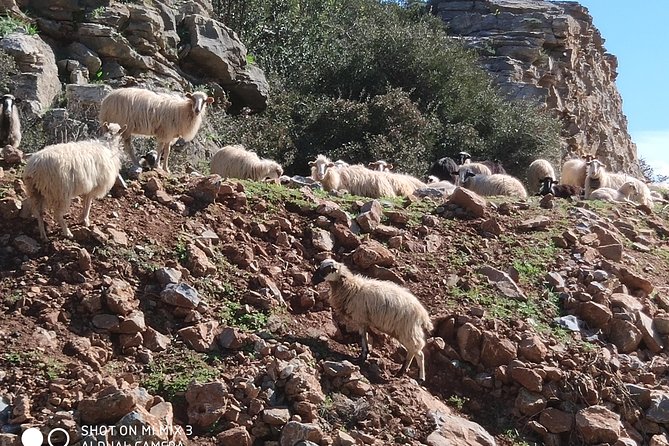
At $106.65 per person, this is not the cheapest way to see a Cretan village. But the price includes several items that add up: pickup, an air-conditioned vehicle, a small group, lunch, bottled water, and a six-hour route into areas that may be inconvenient to reach without your own car.
The value is strongest if you want a guided day and do not want to drive mountain roads. It is also stronger if you plan to eat lunch during the outing and want the convenience of having it arranged. The price is less attractive if you only want a quick look at the windmills or if you already have a rental car and feel comfortable planning your own route.
Remember that sightseeing entrance fees are excluded. The Zeus’s Cave admission is the clearest extra cost mentioned. Add that fee to your mental budget if the cave is a main reason for booking.
The tour is booked an average of 18 days ahead, which suggests you should not wait until the last minute during a busy period. Free cancellation is available up to 24 hours before the start time. If the minimum number of participants is not met and the operator cancels, you are offered another date or experience, or a full refund.
Who should book this Crete mountain tour?
I would choose this outing if you want a broad sample of inland Crete in one day. It suits people interested in village life, local food, mythology, old technology, natural history, and mountain scenery.
It is particularly useful for visitors staying in Agios Nikolaos who want more than beaches and waterfront restaurants. Families with older children may also enjoy the mix of fossils, windmills, legends, and the Zeus connection, provided everyone is ready for the walking and heat.
I would hesitate if you dislike winding drives, need a generous amount of personal space, or want to set your own pace. The schedule is organized, and the cave requires extra effort and an extra fee. The tour also has a Wednesday operating window, so it may not fit every holiday plan.
FAQ
How long is the Lasithi Plateau tour?
The tour lasts approximately six hours.
Where does the tour operate from?
The experience is based in Agios Nikolaos, Greece, and pickup is offered.
How many people can join the tour?
The maximum group size is 10 people.
Is lunch included?
Yes. Lunch and bottled water are included in the tour price.
Is transportation included?
Yes. The tour includes an air-conditioned vehicle.
Is the entrance fee for Zeus’s Cave included?
No. Sightseeing entrance fees are not included, so you should expect to pay separately if you enter the cave.
Can I cancel for a full refund?
Yes. You can cancel at least 24 hours before the experience start time for a full refund. Changes or cancellations made less than 24 hours in advance are not accepted for a refund.
Should you book it?
Book this tour if you want a practical, guided route through eastern Crete’s mountain villages and plateaus, with lunch and transport handled for you. The strongest reasons are the small group, the unusual windmill history, the fossil story at Katharo, and the chance to connect Zeus’s Cave with the wider mountain region.
Go in prepared for a fairly full day, some time in the vehicle, a possible uphill walk, and an extra cave fee. If those conditions suit you, the tour offers a useful look at the Crete beyond the coast.
Just added around Greece
- Pelion Boat Trip to “Poseidon’s Caves”★ 5.0 · 149 reviews
- PRIVATE-Knossos Palace-Zeus Cave-Olive Oil Tasting-Old Villages★ 5.0 · 81 reviews
- Knossos & lasithi plateau villages,Zeus’s cave,&olive oil Mill★ 5.0 · 90 reviews
- Heraklion Highlights: Knossos, Museum & Historic City Drive★ 5.0 · 64 reviews
- Knossos-Lasithi Plateau-Cave of Zeus for Cruises Heraklion Port★ 5.0 · 26 reviews
- PRIVATE-Zeus Cave-Knossos-Olive oil Factory-Traditional Villages.★ 5.0 · 69 reviews
- Knossos Cave of Zeus and Olive Oil Factory Full Day Private Tour★ 5.0 · 19 reviews
- Paxoi, Antipaxoi and Blue Caves Cruise from Corfu★ 4.0 · 159 reviews
Greece Cave Tours, compared.
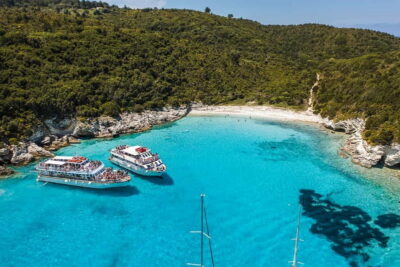
From Corfu: Day Cruise to Paxos, Antipaxos, & the Blue Caves
Read our review →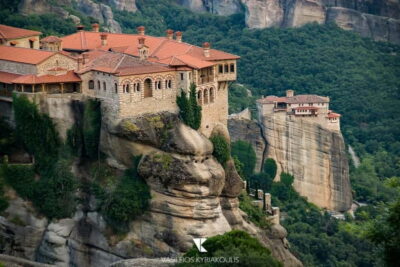
Athens: Meteora Monasteries Day Trip with Caves and Lunch
Read our review →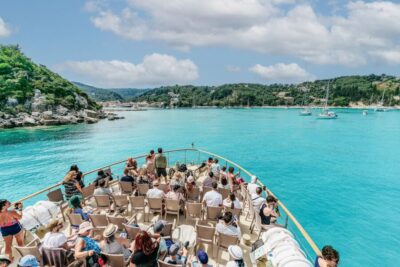
From Corfu Island: Antipaxos & Paxos Blue Caves Boat Cruise
Read our review →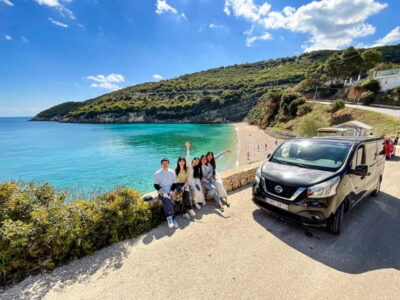
Zakinthos: Shipwreck Beach and Blue Caves Land and Sea Tour
Read our review →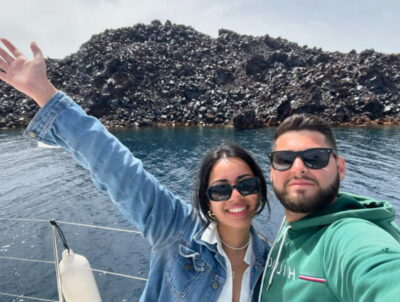
Athens to Meteora: Monasteries, Caves & Seaside Stopovers
Read our review →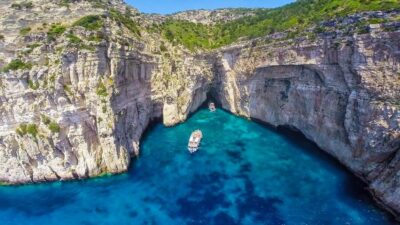
From Corfu: Day Cruise to Paxos, Antipaxos, and Blue Caves
Read our review →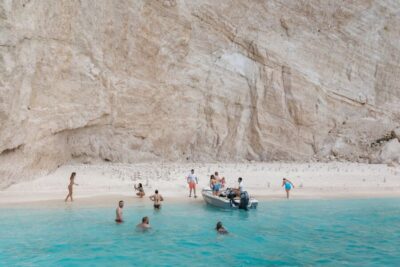
Porto Vromi: Shipwreck, Caves, & White Beach Swimming Cruise
Read our review →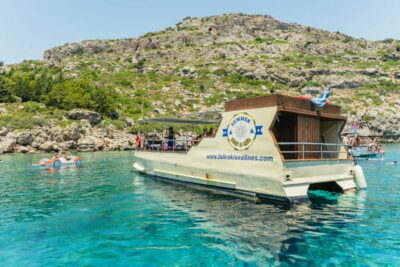
Rhodes: Anthony Quinn, Ladiko and Caves All-Inclusive Cruise
Read our review →Browse the lists this tour appears in