
REVIEW · BEIRUT
Jeita Grotto,Harissa&Byblos Full-Day PRIVATE-CAR Trip from Beirut
Jeita Grotto is the star here: a cool, dramatic cave system of limestone chambers, underground water, and unusual rock shapes. This private-car trip then links it with Harissa’s hilltop statue and old Byblos, giving you three major sights without wrestling with Beirut traffic or public transport.
I like the door-to-door service and the freedom to explore each place at your own pace. I also like the personal feel. Your group gets the car, and drivers such as Harake, Ali, and Ziad have been praised for patience, clear English, helpful photo stops, and flexible plans.
The main catch is that this is not guaranteed to be a fully guided tour inside every site. Your driver provides transport and brief explanations, but you may explore Jeita Grotto and Byblos independently. Entrance fees and lunch are extra, so the final cost will be higher than the advertised $75.
Key points to know before booking
- Jeita Grotto brings the biggest visual payoff: Allow about two hours for the famous upper and lower cave areas, with admission paid separately.
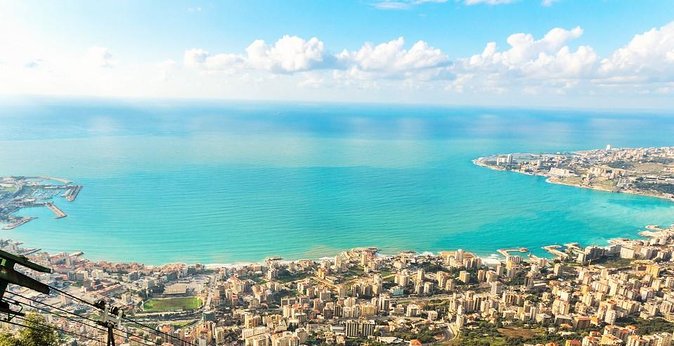
- Harissa gives you the best high view: The Our Lady of Lebanon shrine looks across Jounieh Bay and the surrounding hills.
- The cable car adds a memorable change of pace: You may ride from Harissa to Jounieh when it is operating. If not, you continue by car.
- Byblos works well as a final stop: You can walk from the port toward the castle, archaeological area, old souk, and lunch.
- Private transport is the real value: You avoid Beirut’s difficult traffic and can ask for reasonable adjustments along the way.
- Budget beyond the $75 fare: Jeita, Harissa, the cable car, the Byblos castle, and lunch are not all included.
Why this private day trip works from Beirut
This is a long day, about eight to nine hours, but the route makes sense. Jeita Grotto and Harissa sit north of Beirut near Jounieh, while Byblos continues along the coast. Instead of arranging several separate rides, you have one driver for the day and a car waiting between stops.
Pickup is scheduled for 8:30 a.m. from your Beirut hotel or agreed location. That early start matters. You get moving before the day feels too far along, and the schedule gives you a fair chance of seeing all three major places before returning to Beirut after lunch.
I especially like the private format for families and small groups. You are not tied to strangers, and the driver can make sensible adjustments for photos, weather, food, or the needs of someone in your party. One account describes the driver taking medical and accessibility needs seriously, while another appreciated being allowed to wait in the car during a short rain shower.
Do keep the word private in perspective. It means your transport and time are private, not that a licensed guide will walk with you through every room and ruin. The service includes an English-speaking local leader, brief explanations at each site, and private hotel transfers. At some stops, the practical rhythm is drive, receive an introduction, explore, and return to the car.
More Private Cave Tours in the world:
- Private Half-Day Batu Caves and Cutural Tour in Kuala Lumpur
★ 5.0 · 3,107 reviews - Capri & Blue Grotto Semi Private Boat Day Trip from Sorrento
★ 5.0 · 2,053 reviews - Elephanta Caves & Island Guided Private Tour
★ 5.0 · 1,327 reviews
Jeita Grotto: the morning’s main event
Jeita Grotto is a system of two separate but connected limestone caves with a combined length of nearly 10 kilometers. You will not cover that entire distance. The public visit gives you access to the prepared sections, where the reward comes from the scale of the chambers, the rock formations, and the unusual underground setting.
The planned stop is roughly two hours, although the detailed schedule also describes about one hour and 15 minutes of independent exploration. Treat that as a flexible target rather than a promise. Your exact time may depend on queues, operating conditions, and how much you want to see.
This is the place where comfortable shoes matter most. The advice to wear good walking shoes or sneakers is practical, not decorative. Lightweight clothing is sensible too, though you should check the weather for the day, since the outdoor part of the visit and the later hilltop stop can feel different from the caves.
Jeita is a visual stop more than a long lecture. You may get useful background from your driver before entering, but the actual visit is designed for you to look, walk, and take in the cave spaces at your own speed. If you want detailed geological or archaeological interpretation at every turn, confirm what guiding is available before booking.
Admission is not included. That is one of the most important cost details in the whole experience. The advertised price covers the private transport and tour service, but you must pay the grotto entrance yourself.
Harissa and Our Lady of Lebanon
From Jeita, the car climbs toward Harissa. The road itself becomes part of the experience, with views across Jounieh Bay and the surrounding hills. At the top, the giant Virgin Mary statue known as Our Lady of Lebanon gives the stop an instantly recognizable focus.
Plan about an hour here. The value is not only the statue. Harissa gives you a high viewpoint after the enclosed caves, so the day changes mood and scale. You move from underground rock formations to open air and a broad view over the coast.
The shrine is also a significant religious site, so respectful clothing and behavior are wise. The tour information does not specify a guided religious visit, and your driver’s role may be limited to explaining the place and helping you get oriented.
Admission is again listed as extra. Ask your driver how the current entrance arrangements work on the day, especially if you are traveling with a group and want to keep the schedule moving.
The Harissa cable car, if it is operating
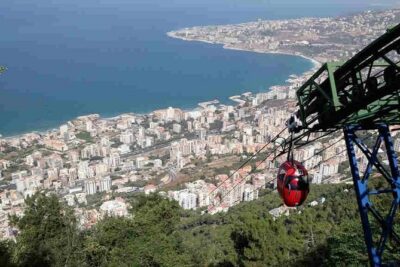
The cable car, called the Teleferique Harrisa in the schedule, is one of the day’s more distinctive touches. The plan is to travel from Harissa down toward Jounieh, then meet the driver and continue to Byblos.
This stop is not guaranteed. If the cable car is closed, you continue by car. That backup matters because it keeps the day from depending on one attraction remaining open. It also means you should not book this trip solely for the cable-car ride.
If it is running, the cable car gives you a fresh view of the bay and makes the transfer feel like part of the sightseeing rather than another road section. Allow about an hour for this portion, including the ride and coordination with the waiting driver. The cable car admission is not included.
The handoff is worth confirming clearly before you leave Harissa. Ask where the driver will meet you in Jounieh and keep your phone available. The tour is built around a private vehicle, so the driver needs to know where you are when the ride ends.
More Full-Day Trips in the world:
- Ninh Binh Full-Day Tour from Hanoi to Hoa Lu, Tam Coc & Mua Cave Via Boat & Bike
★ 5.0 · 4,384 reviews - Kraków: Auschwitz-Birkenau & Salt Mine Full-Day Guided Tour
★ 4.7 · 2,887 reviews - Auschwitz Birkenau and Wieliczka Salt Mine Guided Full Day Tour
★ 5.0 · 2,768 reviews - Full Day Cappadocia Tour( Red Tour + Underground City )
★ 5.0 · 1,862 reviews
Byblos port and the old city
Byblos is the most rewarding stop for travelers who want a walkable mix of archaeology, old streets, shops, and food. It is described as one of the oldest continuously inhabited cities in the world and is a UNESCO World Heritage Site.
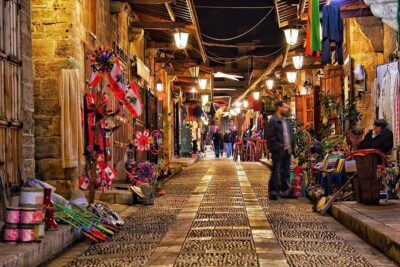
The visit begins around the port. From there, you can walk toward the castle, the archaeological area, and the old souk. The port is a pleasant place to slow the pace after the caves and hill roads. It also gives you a clear sense of how Byblos connects its coastal setting with its ancient core.
The scheduled walking time at the port is about an hour. That is enough for a useful first look, but not enough for a slow, expert-led study of every archaeological layer. You will need to decide what matters most to you. Some people will want photos along the marina, while others will head straight for the castle and ancient ruins.
Byblos is a good place to ask your driver for orientation before walking off. The site covers several connected areas, and a short explanation can help you use your time well. Do not expect the same level of commentary as you would receive from a dedicated archaeologist or licensed guide unless that is confirmed separately.
The Crusader castle and ancient ruins
The castle, known historically as the castle of Gibelet, sits beside the Phoenician archaeological site. The surrounding remains include the ruins of the Temple of Baalat Gebal and the Temple of the Obelisks.
You have about 45 minutes allocated for this part. That is enough to enter, look around, and get a feel for the relationship between the medieval castle and the older ruins. It is not an unhurried archaeological visit, so use your time on the features that interest you most.
Castle admission is not included. Since you have already paid separately for Jeita and possibly Harissa or the cable car, these add-on costs can accumulate. If you are trying to keep spending controlled, ask for the current prices before entering and decide which places matter most to your group.
The castle is especially useful for understanding how different eras overlap in Byblos. You are not visiting one isolated monument. The stop brings together the medieval fortress, ancient religious remains, the port, and the later market streets within a compact walk.
Byblos souk and Lebanese lunch
After the castle, the route continues into the old souk. The market has local shops selling antiques, souvenirs, crafts, and other goods. This is your chance to buy something more specific to Lebanon than a standard airport keepsake, though prices and quality will vary from shop to shop.
The souk is scheduled for about 45 minutes. That gives you enough time to browse without turning the day into a shopping trip. If you want to buy antiques or older-looking objects, ask questions about what you are purchasing and check any customs rules that might apply when taking items home.
Lunch follows at a traditional restaurant, with Mediterranean Lebanese food. The meal is not included, so plan for a separate payment. The tour does not name a fixed restaurant or set menu, which gives the driver some room to choose according to timing and your group’s preferences, but you should ask where you are heading and what sort of budget to expect.
I like having lunch late in the route. You can eat without rushing back to a morning appointment, then settle into the return drive to Beirut. The journey back is scheduled at about an hour and a half, though traffic can affect the actual arrival time.
The driver makes or breaks the day
The strongest part of this experience is the quality of the person behind the wheel. Harake is repeatedly praised for being friendly, organized, safe, and fluent in English. Ali is described as patient, helpful, and willing to explain the sites. Ziad is praised for taking photos, sharing information about Lebanon, and adapting to the group.
That does not mean every departure will feel identical. The service uses local drivers, and one account found the English limited and the experience closer to a private transfer with site visits than a classic guided tour. That is a fair caution, especially if you want extensive commentary.
The best approach is to tell the driver what you want at the start. Ask for a short explanation before each stop, confirm how long you have, and say if you prefer more history, more photos, or more time to walk alone. The private setup makes this kind of conversation possible.
The driver may also help with small practical matters, such as finding a restaurant, stopping for ice cream, or arranging an extra activity if time allows. One particularly flexible account describes a last-minute paragliding arrangement, but treat that as an exceptional possibility, not part of the standard tour.
What $75 buys you, and what it does not
At $75 per person, the price can be good value if you are traveling with others and want a private car for a full day. You are paying for hotel pickup and drop-off, an English-speaking local driver, transport between several northern Lebanon sights, and the convenience of not having to manage Beirut traffic yourself.
The value is less clear for a solo participant once entrance fees and lunch are added. The trip becomes more attractive as the vehicle cost is shared across a group, especially if group discounts apply.
Build these costs into your budget:
- Jeita Grotto admission
- Our Lady of Lebanon or Harissa admission, if charged
- The Teleferique Harrisa fare, if operating
- Byblos castle admission
- Lunch
- Any personal purchases in the souk
The fare is therefore best understood as a private transport and sightseeing service, not an all-inclusive day pass. I would book it for convenience, time savings, and flexibility, not because every attraction is covered.
Who should book this day
This tour suits you if you have only a short stay in Beirut and want to see several headline sights in one day. It is also a good fit for families, couples, and small groups who value a private car more than a formal group guide.
You will appreciate it if Beirut traffic makes you nervous, if you want hotel pickup, or if you prefer to choose your own pace at the grotto, shrine, and Byblos. The trip also works well for people who want a broad first look at Lebanon, combining nature, religion, coastal views, archaeology, shopping, and food.
It may not suit you if you want long, detailed explanations at every monument. In that case, ask before booking if a dedicated guide can accompany you, rather than assuming the driver will provide a full walking tour.
Wear sneakers, check the weather, bring money for admissions and lunch, and start with a clear conversation about timing. Free cancellation is available up to 24 hours before departure. Changes or cancellations inside that window are not accepted for a refund, and poor weather may lead to a new date or a full refund.
Should you book the Jeita, Harissa, and Byblos trip?
I would book this tour if my goal were to cover three major northern sights from Beirut without arranging transport myself. Jeita Grotto supplies the memorable natural spectacle, Harissa brings the high views and cable-car option, and Byblos gives the day its strongest mix of old streets, ruins, shops, and lunch.
Book it with realistic expectations. You are buying a private car, a helpful local driver, and a flexible schedule. You are not automatically buying a full academic tour with detailed commentary at every site.
For the best value, share the car with family or friends, confirm the included and extra costs, and ask how much explanation your driver normally provides. If those terms suit you, this is an efficient and enjoyable way to see a lot of Lebanon in one well-packed day.
FAQ
What time does the tour start?
Pickup starts at 8:30 a.m. from your Beirut hotel or agreed pickup location.
How long does the experience last?
The full day lasts approximately eight to nine hours, including the return to Beirut.
Is this a private tour?
Yes. Only your group participates, and the tour includes private hotel pickup and drop-off.
Are entrance fees included?
No. Entrance fees for Jeita Grotto, Harissa, the cable car, and Byblos Castle are paid separately. Byblos port and the old souk are listed as free stops.
Is lunch included?
No. Lunch fees are not included. The schedule includes a stop at a traditional restaurant for Mediterranean Lebanese food.
What happens if the Harissa cable car is closed?
You continue from Harissa to Jounieh by car, with the driver waiting to take you onward to Byblos.
Just added around the world
- From Kraków: Wieliczka Salt Mine Guided Tour with Transport★ 4.4 · 417 reviews
- From Krakow: Wieliczka Salt Mine Half-Day Trip with Pickup★ 4.5 · 140 reviews
- From Krakow: Wieliczka Salt Mine Small Group Guided Tour★ 3.8 · 78 reviews
- From Krakow: Wieliczka Salt Mine Guided Tour & Transfer★ 4.9 · 60 reviews
- From Krakow: Wieliczka Salt Mine Tour & Hotel Pickup★ 4.3 · 38 reviews
- From Krakow: Wieliczka Salt Mine Guided Tour★ 4.5 · 115 reviews
- From Krakow: Salt Mine Guided Tour with Transfer★ 4.7 · 40 reviews
- Krakow: Wieliczka Salt Mine Guided Tour★ 4.4 · 247 reviews
Beirut Cave Tours, compared.
Guided Small-Group Tour to Jeita, Harissa, Byblos with Lunch
Read our review →
Byblos, Jeita Grotto & Harissa Day Trip -With Lunch (4G on Board)
Read our review →
Baalbek Temples & Ksara Caves w/pick-up,guide, entries+lunch
Read our review →Browse the lists this tour appears in