
REVIEW · MALAYSIA
Ipoh Cave Temples Tours
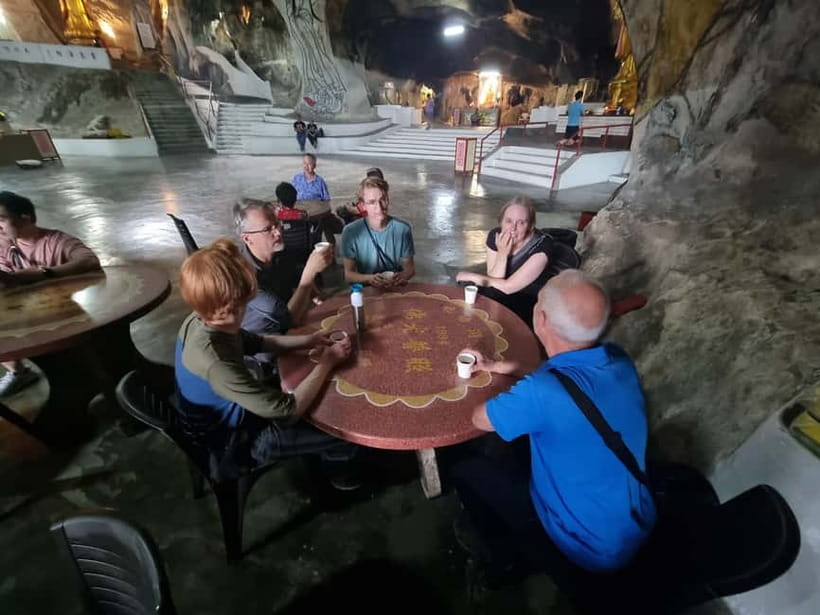
Ipoh’s cave temples are not one attraction repeated three times. Each has its own mood: one rewards you with a town view after 450 steps, another keeps its stalactites and stalagmites close to nature, and the oldest has architecture more often associated with China. That variety is the real reason to book this outing.
I like the unhurried pace and the personal care from guide Fazly, who explains the temples, answers questions, and adds local touches such as breakfast, snacks, fish and turtle feeding, and white coffee. I also like that Mirror Lake is included in the route, giving you a quiet change of scene after the temple visits.
The main drawback is that some temple areas can look worn and untidy, and the 450-step climb is a genuine effort in warm weather. Mirror Lake also has a separate RM30 entry fee, paid at the counter, so the advertised inclusions are not quite the whole cost.
Key points to know before you book
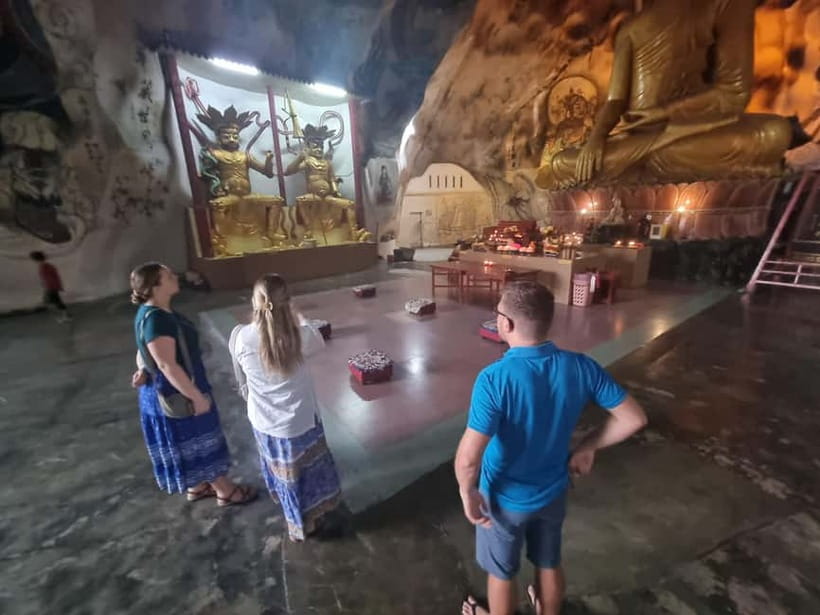
- Three temples, three distinct experiences: Expect a lookout climb, natural cave formations, and an older Chinese-style temple structure.
- Fazly sets the pace: You have time to look around, take photos, ask questions, and enjoy the stops without being hurried.
- The 450-step climb takes effort: It is manageable for many people, but comfortable shoes and sensible clothing matter.
- Breakfast can be local and informal: If your accommodation does not provide breakfast, the tour includes a local-style morning meal.
- Mirror Lake costs extra: The visit is included, but entry is RM30 per person, paid separately.
- Small local touches add value: Snacks, white coffee, food, and chances to feed fish or turtles may be part of the day with Fazly.
Why these Ipoh cave temples make a strong day out
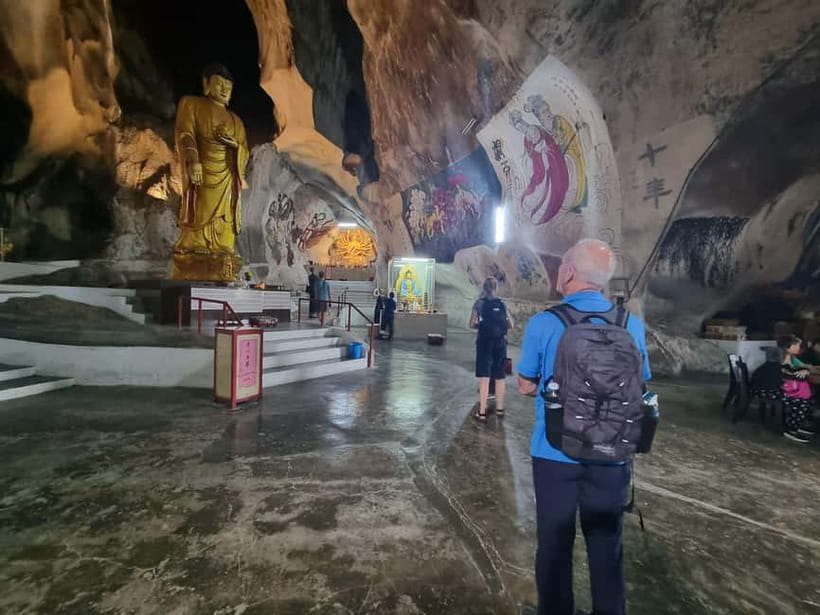
Ipoh is well suited to a cave-temple tour because the stops are not simply religious sites with the same design. They combine limestone caverns, carved and painted temple spaces, stairs, gardens, views, and living places of worship.
That mix gives you more than a quick photo stop. You can look at the cave walls, notice how the temples use the natural rock, and compare the different ways each site has developed. The tour works especially well if you want a first look at Ipoh beyond its food streets and colonial center.
I would choose this outing for a relaxed day rather than a fast sightseeing checklist. The guide walks with you and explains what you are seeing, but you also have time to pause. That matters inside a cave temple, where the details are often spread across walls, statues, rock surfaces, stairways, and side areas.
Fazly is a large part of the experience. He has been praised for being funny, friendly, professional, and accommodating. More practically, he answers questions, helps with children, offers onward travel tips, and makes time for the parts of each temple you might otherwise miss.
A few more cave trips around Malaysia worth a look
- Kuala Lumpur: Batu Caves Half-Day Tour with Pick-Up Option
★ 4.5 · 4,288 reviews - Private Half-Day Batu Caves and Cutural Tour in Kuala Lumpur
★ 5.0 · 3,107 reviews - From Kuala Lumpur: Batu Caves Cultural Temple Tour
★ 4.7 · 1,453 reviews
Perak Tong and the climb to the lookout
Perak Tong is one of the main highlights. The cave temple is impressive in scale, and the visit can include a climb of about 450 steps to a lookout above the town.
I would treat this as a short physical hike, not a casual walk. The number sounds modest until you are partway up in warm weather. Wear shoes with a good grip, bring water, and take your time. The tour provides a small bottle of mineral water, but you may still want to plan your energy carefully.
The reward is the view over Ipoh. You are not climbing simply to reach another room in the temple. You are gaining a higher vantage point over the town and the surrounding area, which gives the cave visit a wider sense of place.
The climb may not suit everyone. If stairs are difficult for you, this is the part of the day to discuss with Fazly before setting off. The supplied information does not promise an alternative route or a lift, so you should regard the 450 steps as a real feature of the visit.
Inside and around the temple, take time to look beyond the main images. Fazly can explain the site as you walk, and the slower pace lets you stop for photographs rather than being pushed along with a group. The combination of cave, temple, and lookout makes this stop feel more active than the others.
Sam Poh Tong and the oldest temple character
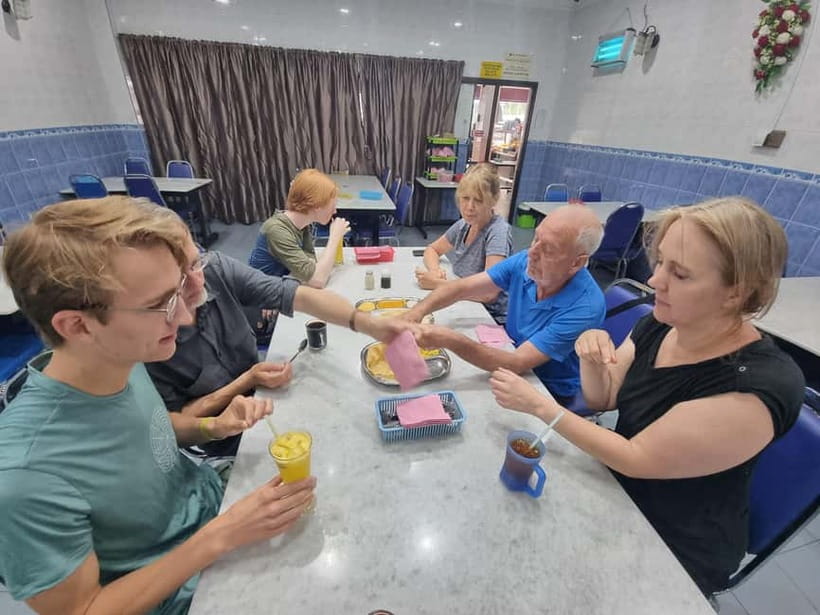
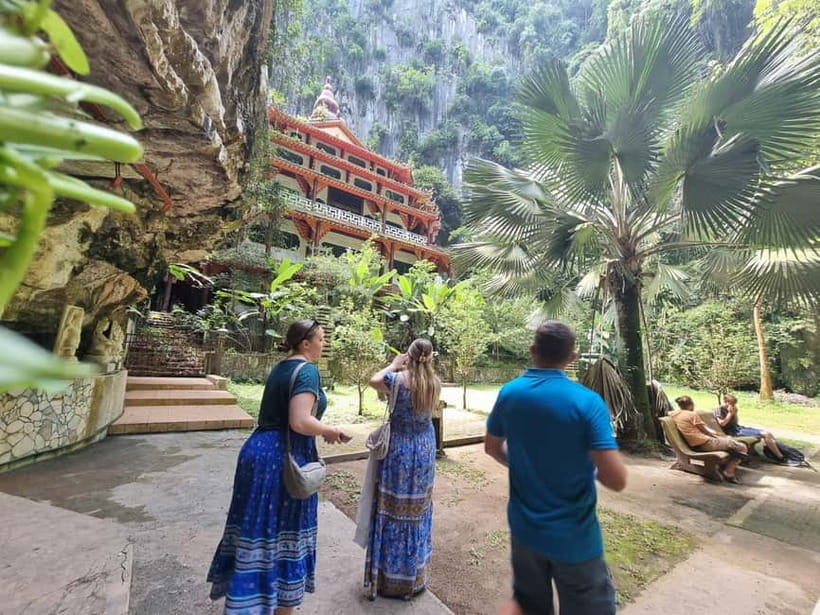
Sam Poh Tong brings a different kind of appeal. Its pagoda is particularly beautiful, and the temple’s structure has a Chinese character that may remind you more of China than of a standard Malaysian tourist attraction.
The site is presented as the oldest cave temple among the three visited. That age is part of its appeal, but it also helps set expectations. You are visiting a place with an established religious and cultural identity, not a polished modern attraction designed only for sightseeing.
Look at how the buildings, cave spaces, and decorative elements work together. The value here is in comparison. After seeing the stairs and lookout at one temple, you can appreciate a site that draws your attention toward its architecture and pagoda instead.
Families may find this stop more engaging with a guide who adds small activities along the way. Feeding fish and turtles has been part of the experience for some tours with Fazly. I would not treat every extra as guaranteed, but it shows the kind of personal, hands-on detail he may add when conditions allow.
The temples can be visually bold. Painted figures, statues, and decorations may feel garish if your taste runs toward plain historic buildings. Some parts can also look worn, with rubbish in places. That does not cancel out the cultural value, but it means you should come for atmosphere, faith, and setting rather than a perfectly restored monument.
The natural cave with stalactites and stalagmites
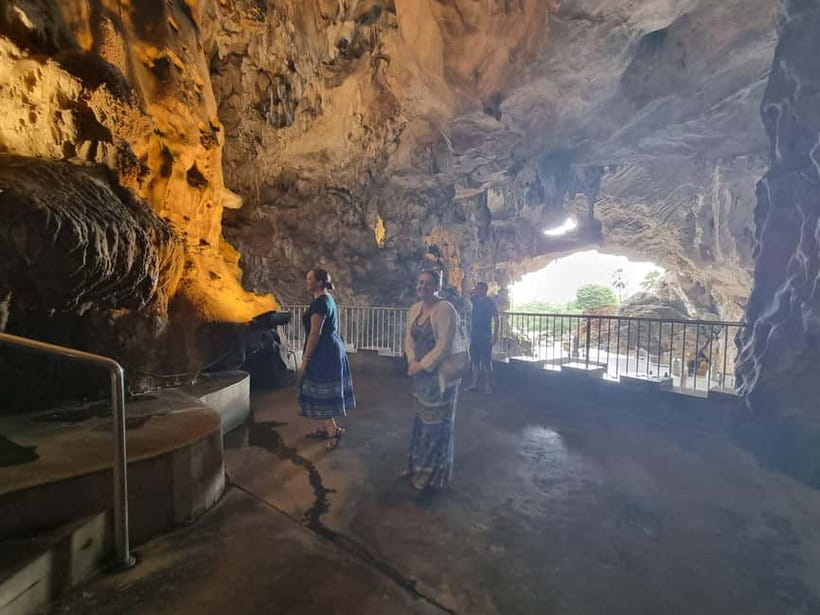
The third temple provides the strongest contrast with the other two. Here, the natural cave formations are a key reason to visit. Stalactites and stalagmites remain part of the cave environment, rather than being completely hidden or removed to make space for a built attraction.
For me, this is an important part of the route. The cave is not merely a dramatic room around a temple. The rock itself shapes the experience. Look up, look along the walls, and notice where the natural formations meet the human additions.
The supplied information does not identify this temple by name, so I would not book expecting a particular layout or a specific collection of statues. Instead, expect a stop focused on the meeting of nature and religious architecture.
This is also where the guide’s explanations help. Without context, it can be easy to move through a cave, take a few photos, and leave. Fazly’s role is to point out what matters and give you time to appreciate it. The tour is not built around racing from one viewpoint to the next.
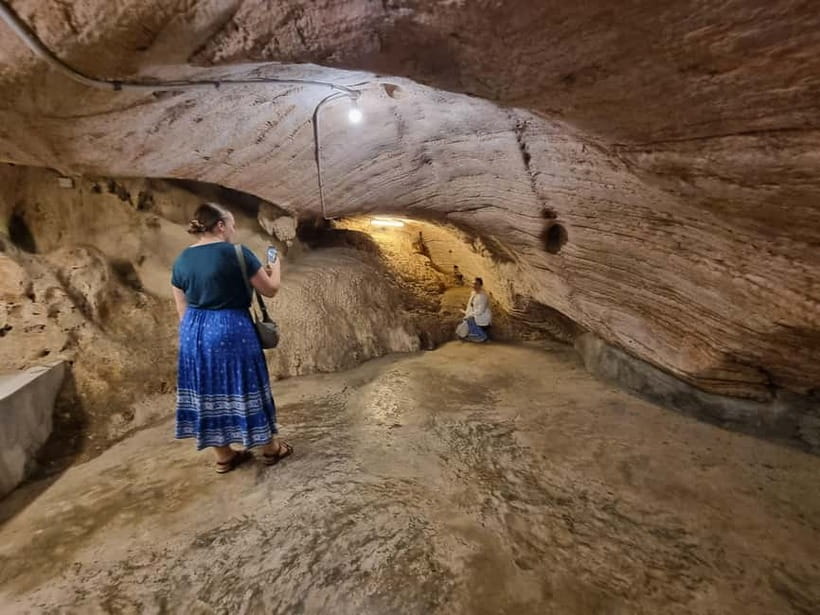
Photography should be worthwhile, but cave conditions can make pictures tricky. Bring a phone or camera you are comfortable using in darker spaces, and allow time to look with your own eyes. The point is not to collect three near-identical temple snapshots. It is to see how different each site feels.
Same corner of the map, a different way in:
- Genting Highland & Batu Cave Guided Day Tour (SIC/Shared Tour)
★ 5.0 · 1,289 reviews - Kuala Lumpur: Genting Highlands & Batu Caves Day Trip
★ 4.6 · 1,045 reviews - Private Tour Kuala Lumpur with Petronas Twin Towers Observation Deck & Batu Cave
★ 5.0 · 1,029 reviews - Kuala Lumpur: Batu Caves, Ramayana Caves & Kanching Falls
★ 4.4 · 821 reviews
Mirror Lake finishes the day on a quieter note
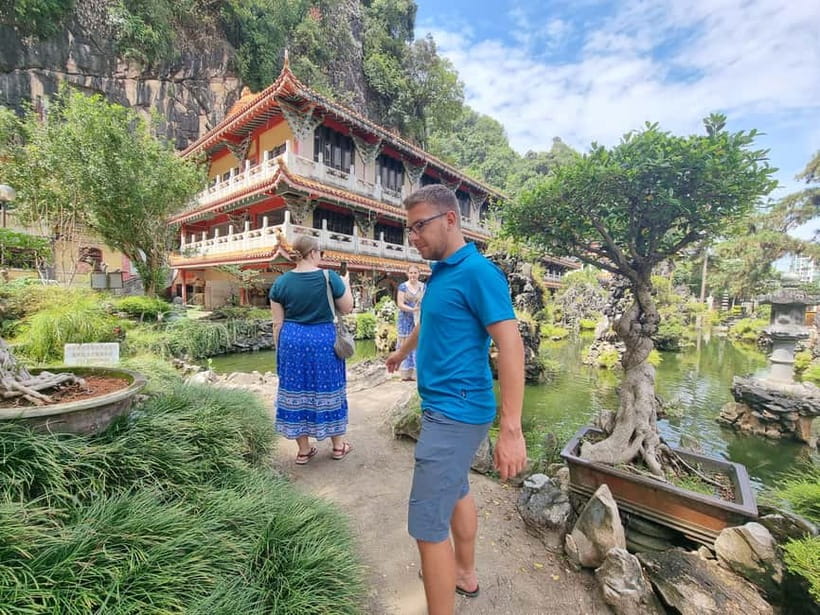
Mirror Lake is included as part of the route, but its entry ticket is separate at RM30 per person. You pay at the counter, so keep this extra cost in mind when judging the total value of the tour.
The lake offers a change of rhythm after the caves and steps. Instead of statues, rock ceilings, and temple buildings, you get a peaceful water setting and time to slow down. A boat ride may be available as part of the visit, and the nearby cafe is a useful stop for food and drinks.
White coffee is one of the small pleasures associated with this part of the day. If you are curious about Ipoh’s local food culture, this is a good moment to try it rather than treating the tour as a series of monuments only.
The cafe has also been praised for its food, but the information provided does not specify a fixed menu or guarantee a particular dish. I would see it as a convenient local stop, not a formal meal included in the tour price.
Mirror Lake is especially useful for families and photographers because it lets you end at a calmer pace. After the climb and temple visits, you can sit, take pictures, and enjoy the scenery. The only catch is the additional ticket, which is easy to overlook if you read only the list of included stops.
Breakfast, snacks, and the human side of the tour
Pickup from your hotel or accommodation is included, which makes the morning easier. If your stay does not provide breakfast, the tour includes a local-style breakfast. That is more useful than a generic hotel stop because it gives you a small taste of everyday food before the sightseeing begins.
Fazly may also provide snacks during the day. This has practical value on a tour with stairs and several walking stops, especially if you are traveling with children. Small food breaks can keep the day comfortable without turning it into a formal restaurant itinerary.
The guide’s personality is repeatedly important to the experience. Fazly has been described as funny and warm, but the more useful point is that he stays attentive. He has helped with children, answered questions, offered onward travel advice, and allowed people to explore at their own pace.
That kind of guiding suits you if you prefer conversation and local context over a memorized speech. It also helps if you are unsure how to behave in a religious place. You can ask questions as you go rather than trying to work everything out from signs.
The tour is listed in English. If clear English explanations are important to you, that is a useful point in its favor.
What the day feels like in practice
The exact duration and group size are not provided, so I would avoid planning another fixed appointment immediately afterward. The day includes hotel pickup, breakfast when needed, three temple visits, the 450-step climb, and Mirror Lake. That is enough moving around to deserve breathing room.
The pace is one of the tour’s best features. You are encouraged to take photographs and appreciate the scenery without being rushed. This makes the outing a better fit for people who want to notice details, although those looking for a quick two-hour attraction may find it longer than expected.
Wear comfortable shoes. You will be walking through cave and temple areas, and one stop includes a substantial stair climb. Comfortable clothes are also recommended, both for the weather and for moving around religious sites.
Be considerate at the temples. These are not just decorative photo locations. Pause before photographing people, follow local signs, and let the guide explain any customs that may not be obvious.
The experience is suitable for solo visitors, couples, families, and small groups who want a guide rather than a self-guided drive between sites. Families may especially appreciate the snacks, local food, and possible fish and turtle feeding. People with limited mobility should think carefully about the stairs before booking.
Is the price good value?
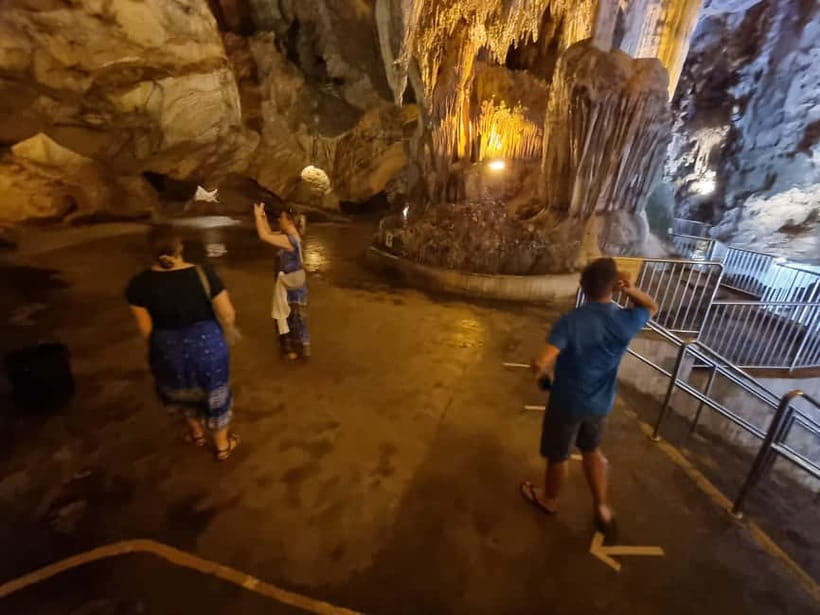
The listed experience includes hotel pickup, breakfast if your accommodation does not provide it, small mineral water, three cave temples, and the Mirror Lake visit. The only stated extra is the RM30 entry ticket for Mirror Lake.
That is a reasonable package if you value transport, explanation, and a flexible pace. You are not paying only for access to buildings. You are also paying for someone to connect the stops, explain the differences, help with practical matters, and make the day feel personal.
The value depends on what you want from Ipoh. If you are happy to arrange your own transport, skip breakfast, and read about the temples yourself, a self-guided outing may cost less. But you would need to manage the route and miss the easy local conversation that makes the stops more meaningful.
I would budget the RM30 Mirror Lake fee in advance. It is not a large addition compared with a full day of transport and guiding, but it should not surprise you at the entrance.
Who should book this Ipoh tour?
Book it if you want to see three different cave temples in one outing and prefer an easygoing guide-led day. It is a particularly good choice for first-time visitors to Ipoh who want cultural context, local food, and a few practical extras without building the route themselves.
It also suits families, provided everyone is comfortable with the 450-step climb or willing to treat that part as optional only if the guide confirms an alternative. The snacks, fish and turtle feeding, and friendly attention can make the day easier with children.
You may want to skip it if you dislike stairs, expect immaculate temple grounds, or want a strictly timed sightseeing program. The cave temples can be worn and visually intense, and the day is designed for pauses rather than speed.
Final verdict: a personal way to see Ipoh’s caves
I would book this tour for the combination of variety and guiding. Perak Tong brings the climb and town view, Sam Poh Tong brings the older Chinese-style character and pagoda, the third temple keeps the natural cave formations in focus, and Mirror Lake gives the day a peaceful finish.
Fazly is the strongest reason to choose this particular experience over simply arranging transport. His humor, care, local food suggestions, and willingness to give you time turn a useful route into a more personal day.
Just bring proper shoes, expect some rough edges, and add RM30 for Mirror Lake. If you can accept those points, this is a well-rounded way to see a side of Ipoh that is easy to miss on a standard city visit.
FAQ
How many cave temples does the tour visit?
The tour visits three cave temples in Ipoh. Each has a different focus, including a 450-step lookout, natural stalactites and stalagmites, and an older Chinese-style structure.
Is hotel pickup included?
Yes. Pickup is included from your hotel or accommodation.
Is breakfast included?
If your accommodation does not provide breakfast, the tour includes a local-style breakfast.
How much does Mirror Lake cost?
Mirror Lake has a separate entry fee of RM30 per person. You pay this ticket at the counter.
What should I bring?
Bring comfortable shoes and comfortable clothes. The tour includes walking and one temple has about 450 steps to a lookout.
What language is the tour offered in?
The tour is offered in English.
Just added around Malaysia
- Langkawi: Mangrove Kilim UNESCO Geopark & Cave Tour★ 4.3 · 157 reviews
- Langkawi: Mangrove Tour with Kilim Geoforest Park & Bat Cave★ 4.4 · 62 reviews
- Kuala Lumpur, Putrajaya & Batu Caves Tour★ 4.7 · 214 reviews
- Kuala Lumpur Full-Day Sightseeing Tour with Batu Caves★ 3.9 · 20 reviews
- Kuala Lumpur: Kuala Gandah and Batu Caves Private Trip★ 4.5 · 109 reviews
- Kuala Lumpur Day Tour: Batu Caves & Elephant Sanctuary★ 4.8 · 23 reviews
- Kuala Lumpur: Private Batu Cave, National Mosque Tour, Lunch★ 4.7 · 236 reviews
- Kuala Lumpur: Batu Caves, Thean Hou Temple & National Mosque★ 4.3 · 30 reviews
Malaysia Cave Tours, compared.
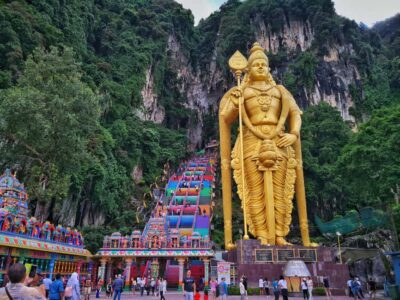
Kuala Lumpur: Batu Caves Half-Day Tour with Pick-Up Option
Read our review →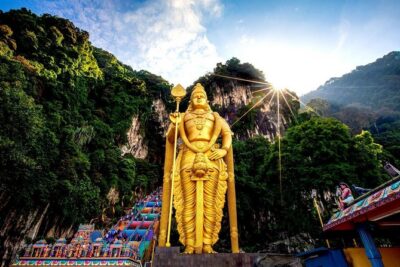
Private Half-Day Batu Caves and Cutural Tour in Kuala Lumpur
Read our review →
From Kuala Lumpur: Batu Caves Cultural Temple Tour
Read our review →
Genting Highland & Batu Cave Guided Day Tour (SIC/Shared Tour)
Read our review →
Kuala Lumpur: Genting Highlands & Batu Caves Day Trip
Read our review →
Private Tour Kuala Lumpur with Petronas Twin Towers Observation Deck & Batu Cave
Read our review →
Kuala Lumpur: Batu Caves, Ramayana Caves & Kanching Falls
Read our review →
Kuala Lumpur Suburbs Batu Caves Half-Day Tour (SIC/Shared Tour)
Read our review →Browse the lists this tour appears in