REVIEW · CAVE TOURS
Budapest: Buda Castle Cave Tour
Beneath Budapest’s grand Buda Castle District lies a strange second city of limestone chambers, old cellars, wartime shelters, and winding tunnels. I like the way this 40-minute to 1.5-hour cave tour links natural geology with human history, so you see both what nature formed and what people carved out over centuries. I also like the guides’ lively storytelling, with Vicky, Viktoria, and Eva among the names praised for clear explanations and good humor.
The main caution is practical: this is a walking tour in a cool underground setting, not a polished museum visit. The route is paved and lit, but it can be muddy, the temperature stays around 12°C (54°F), and the tour is not suitable for wheelchair users, people with mobility problems, or visitors with claustrophobia.
Key points to know before going
- A true underground Buda experience: Enter the cave network below Castle Hill instead of simply looking at the palace from above.
- Two tour lengths: The regular route takes about 1.5 hours and covers roughly 1.5 kilometers. A shorter option lasts about 40 minutes.
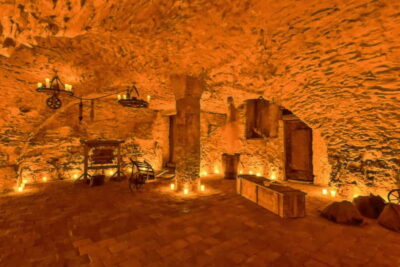
- Nature and human labor together: See natural limestone formations beside 800-year-old man-made cellars and tunnels.
- A strong guide makes the difference: English-speaking guides such as Vicky, Viktoria, and Eva bring history, geology, artifacts, and humor into the walk.
- Come prepared for the cave: Wear warm clothing, closed-toe shoes, and clothes that can get dirty.
- Not suitable for everyone: Children under three, wheelchair users, people with mobility impairments, and visitors with claustrophobia should choose another Buda Castle activity.
Entering the limestone world beneath Buda Castle
The Buda Castle District is usually visited for its palace, churches, courtyards, and views across the Danube. This tour changes your angle completely. You leave the streets above and enter the natural and man-made spaces beneath Castle Hill, where the story of Budapest becomes cooler, darker, and much less tidy.
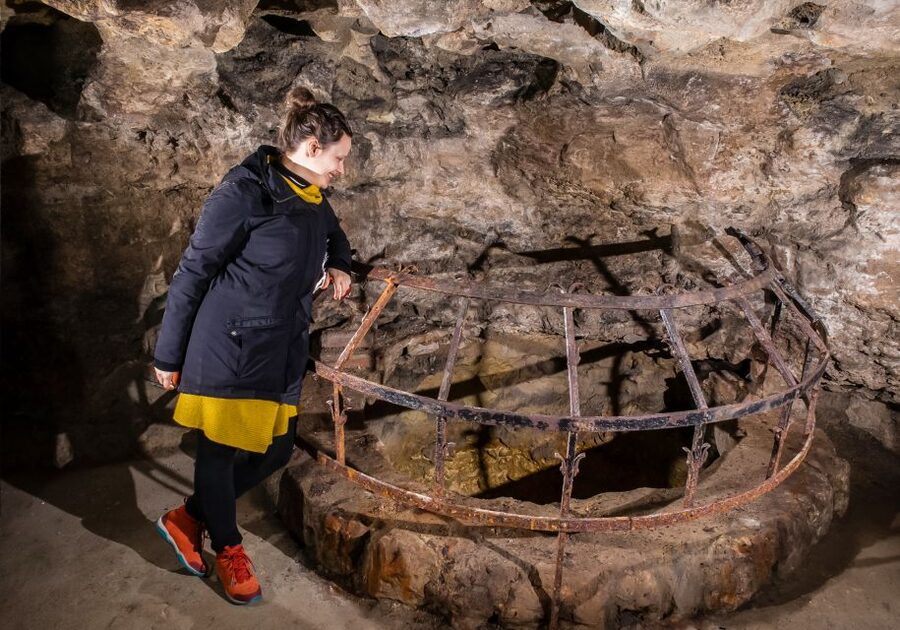
The caves formed in limestone, but the underground network is not simply a natural cave in the usual sense. People expanded, joined, and adapted sections of it over many centuries. The result is a labyrinth of caverns, passages, cellars, and chambers that reflect both geological forces and practical human needs.
That mixture is what makes the experience worthwhile. You are not just looking at rock formations. You are also following the work of medieval builders, cellar users, wartime residents, and later caretakers who gave different parts of the system new purposes.
Your English-speaking guide leads the group through the route and explains what you are seeing. The best guides, including Vicky, Viktoria, and Eva, use a conversational style rather than delivering a dry lecture. Expect historical facts, geological explanations, unusual details, and occasional grisly stories.
A few more cave trips around the world worth a look
- Chichen Itza, Cenote, and Valladolid Tour
★ 5.0 · 24,293 reviews - Naples: Naples Underground Entry Ticket and Guided Tour
★ 4.4 · 21,781 reviews - Chichen Itza, Cenote & Valladolid Tour with Tequila and Lunch
★ 4.5 · 15,789 reviews
The meeting points and the two routes
The meeting point depends on the option you book. The longer walking tour begins at Trinity Square, or Szentháromság tér, in the heart of the Castle District. The shorter route meets at Dárda Street, where you enter the underground cave system more directly.
Pay close attention to the meeting instructions. The different starting points matter, especially if you are planning a tight day around Matthias Church, Fisherman’s Bastion, or the palace. One practical weakness is that the meeting arrangements can be less obvious than you might expect, so allow time to find the correct location.
The shorter tour takes about 40 minutes. It is useful if you have a packed sightseeing schedule or want a quick taste of the underground world. You still see atmospheric passages and learn how the caves were formed and used, but you will not get the same amount of time to explore the network.
The regular tour lasts roughly 1.5 hours and covers about 1.5 kilometers. I would choose this version if your schedule allows. The extra time gives the guide room to connect different periods and show more unusual sections underground. Several people who took the shorter route felt it was good but wished they had booked the longer experience, so reserve ahead if that option matters to you.
Tour times may be announced only some weeks or days before the actual visit. Check the available starting times before building the rest of your Castle District plans.
What you see during the underground walk
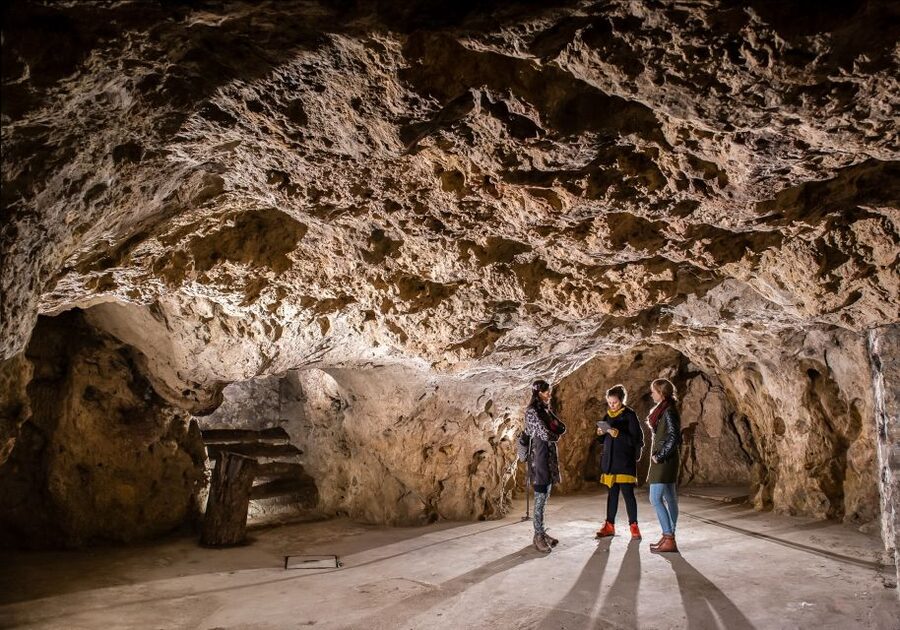
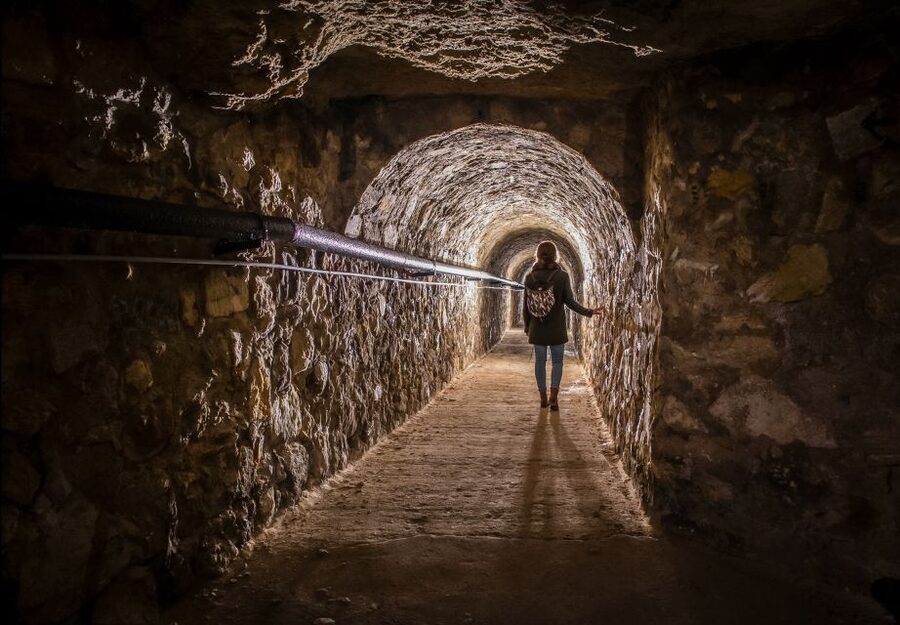
The route takes place on paved roads with lighting, so you are not scrambling through a wild cave. That makes the walk manageable for many visitors, but do not confuse paved with perfectly easy. You may lean against a wall, encounter a muddy patch, or walk through passages that feel uneven or confined.
The first layer of interest is geological. The guide explains the limestone and the way natural caverns developed beneath Castle Hill. The rock gives the underground spaces their basic shape, while centuries of cutting and construction created the more regular rooms and cellar passages.
Then the human story takes over. Some spaces served as wine cellars, a reminder that underground rooms were once valuable working areas rather than tourist attractions. Other sections were used as bomb shelters during wartime. The guide may also discuss medieval prison use and the people who lived, worked, or hid below the city.
The contrast can be striking. A natural limestone chamber may lead into a room shaped by hand, and an old cellar may connect with a later shelter. This physical layering helps you understand how a city can reuse the same space across centuries.
The tour can also include artifacts and unusual details. One guide prepared objects for the group to examine, adding something concrete to the stories. The exact stops and explanations can vary with the route and guide, but the focus stays on the combined work of nature and people.
From medieval cellars to wartime shelters
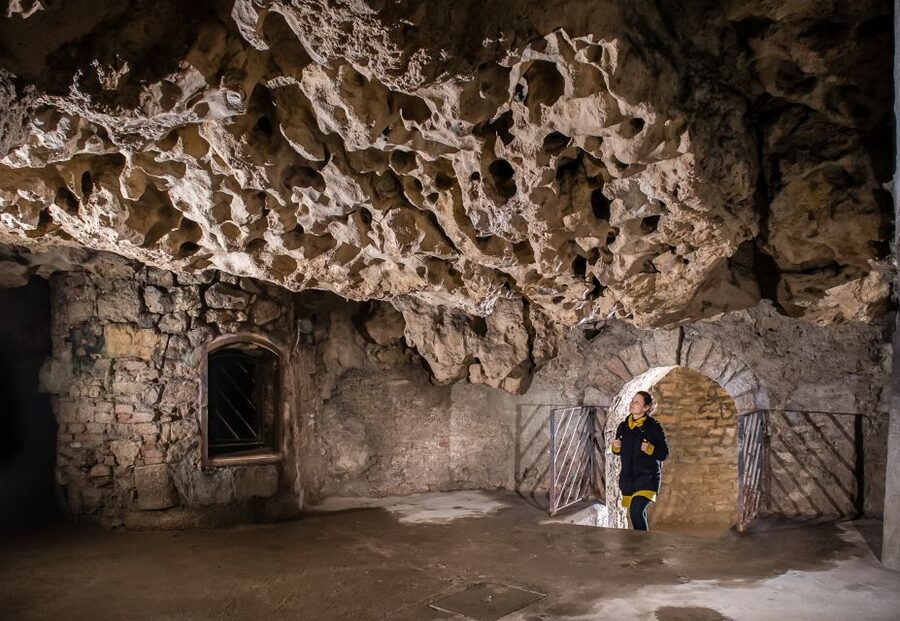
The most memorable part for me is the way the tour moves through different periods without needing a long bus ride or a string of separate museums. The cave network acts like a timeline beneath the Castle District.
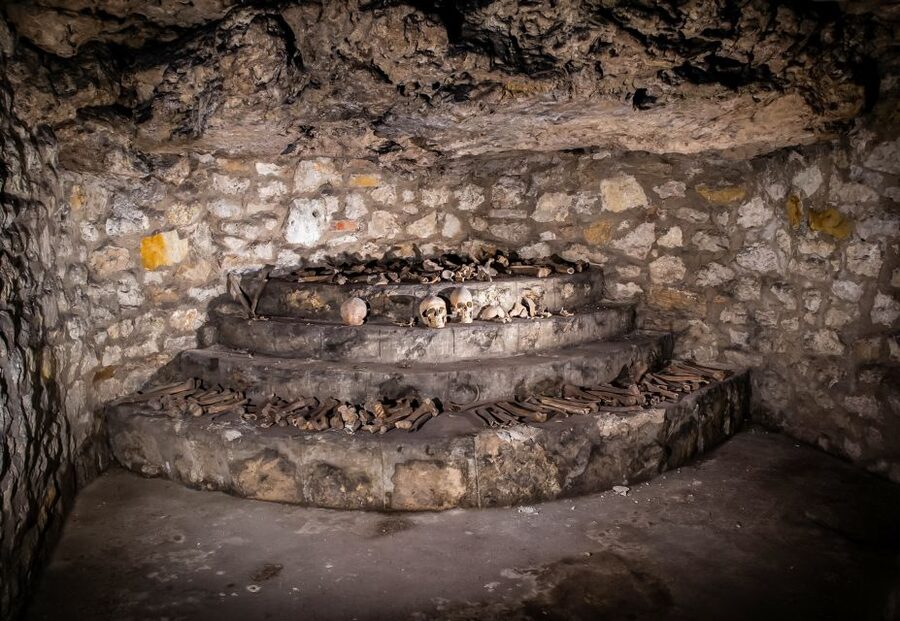
You might hear about medieval uses of the caves, including cellars and prison spaces, then move toward later military and wartime functions. The history reaches into the twentieth century, including World War II and the use of the tunnels as shelters. The caves were not frozen in the Middle Ages. They continued to serve practical purposes as Budapest changed above them.
This is also where a guide’s storytelling matters most. Dates alone would make the walk feel like a storage room with rocks. A lively guide gives the chambers a human scale by explaining what people did there and why the space mattered.
The tour is not the same as visiting the underground hospital associated with the Castle District. That attraction is separate, and it is not part of this cave route. If the hospital is a priority, plan it as its own visit rather than assuming this ticket includes both sites.
Same corner of the map, a different way in:
- Colosseum: Underground and Ancient Rome Tour
★ 4.7 · 12,691 reviews - Edinburgh: Underground Vaults Tour
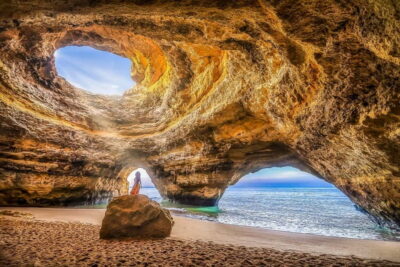
★ 4.6 · 11,758 reviews - Portimão: Benagil Caves Speed Boat Tour with Sunset Option
★ 4.8 · 11,663 reviews - Krakow: Wieliczka Salt Mine Tour with Entry Ticket
★ 4.6 · 10,927 reviews
Why the guides matter so much
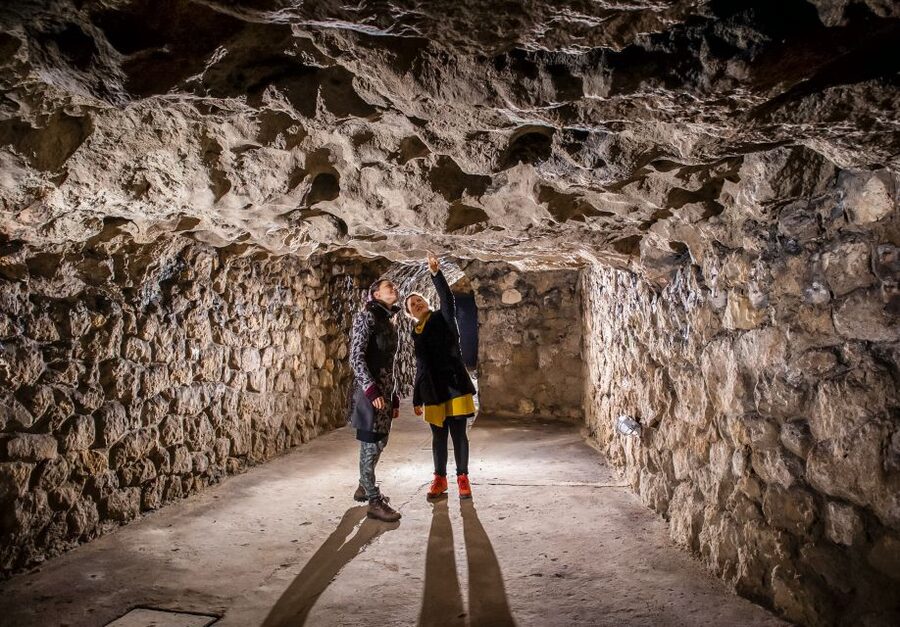
The caves are unusual enough to justify a visit, but the guide shapes the quality of the experience. The route contains many tunnels and chambers, and without explanation, some sections could blur together.
Vicky is frequently praised for being warm, funny, and clear while covering geology and history. Viktoria is also noted for using vivid stories and visual explanations. Eva is praised for explaining both the natural features and the historical uses of the cave system.
You should expect an English-speaking live guide, not an audio guide. That is a plus if you like to ask questions or need a point clarified. It also means the pace and tone may differ from one departure to another. The most successful guides balance facts with humor and keep the group moving without rushing.
The guides may discuss material stretching from the Ice Age and the formation of the limestone to medieval use, wartime shelters, and later changes into the twentieth century. That range is one reason the tour feels broader than a simple cave walk.
The temperature, clothing, and physical demands
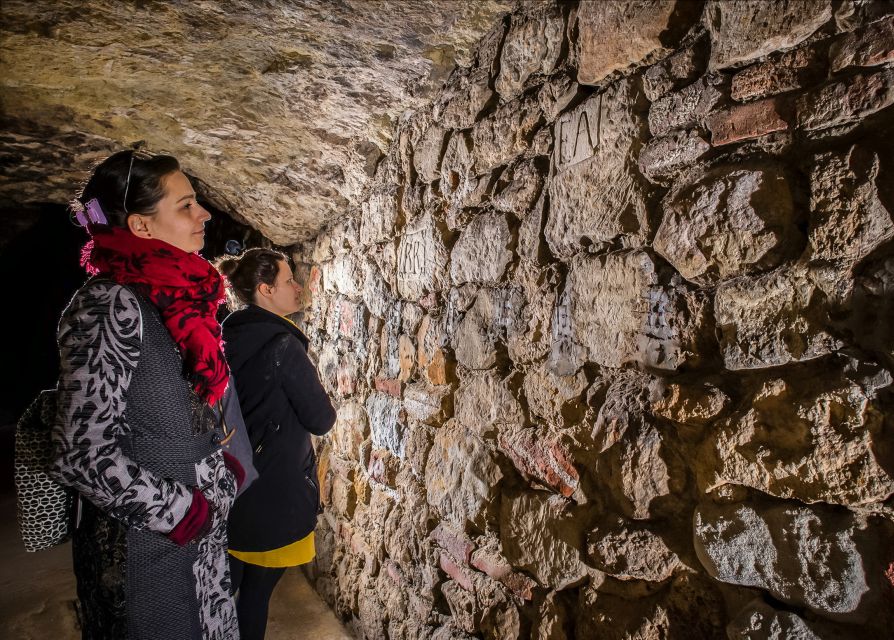
The cave stays at about 12°C, or 54°F, so bring a warm layer even in summer. Budapest may be hot and sunny above ground, but you will feel the change as soon as you enter.
Wear closed-toe shoes with a firm sole. The route is lit and paved, yet muddy patches are possible. Your clothes may pick up dirt if you lean against the walls, so avoid your best outfit.
The activity is not suitable for children under three. It is also not accessible for wheelchair users and is not recommended for people with mobility impairments. Visually impaired visitors should also choose a different activity.
Claustrophobia deserves careful thought. Several chambers are described as fairly spacious, and the route is not a constant squeeze through tiny passages. Still, this is an underground labyrinth with enclosed sections, limited phone service, and no easy option to wander off independently. If confined spaces make you anxious, a surface-level Castle District tour will be a safer choice.
Pets, baby strollers, food, drinks, smoking, and alcohol are not allowed. Cell phone service is unavailable inside the caves, so arrange meeting plans before you go. Keep your attention on the guide’s instructions, especially in narrow areas and at changes in the route.
Is $19 a good value?
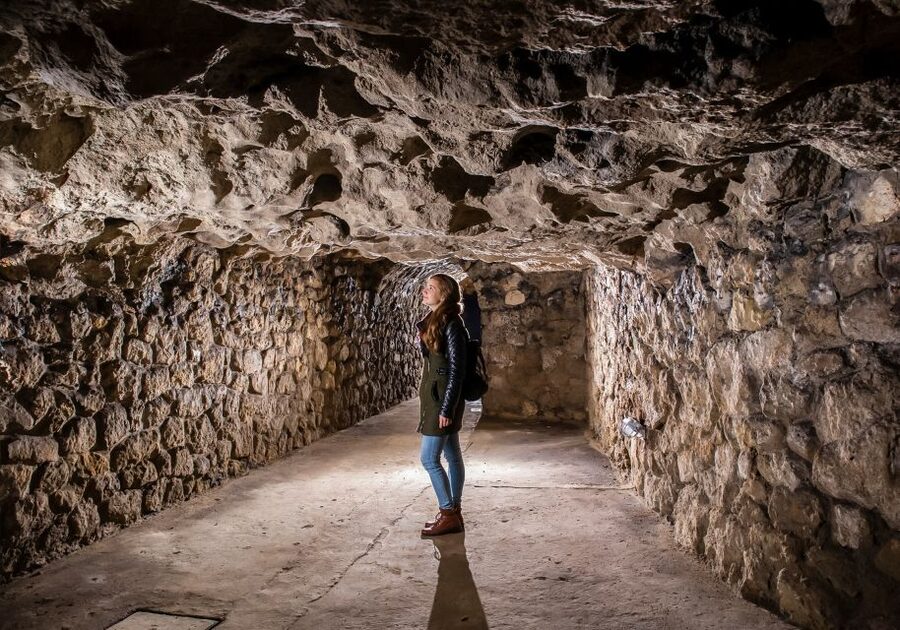
At about $19 per person, the tour is a reasonable purchase for a visitor who wants more than the standard Buda Castle sights. You get a guided walk, English explanations, access to an unusual underground setting, and a compact history lesson covering geology, medieval life, and wartime use.
The value is strongest with the 1.5-hour route. A 40-minute visit costs less time but gives you less room to appreciate how large and layered the cave network is. If you have only one free hour, the short option still makes sense. If you can plan ahead, the longer route gives you more for the money.
This is not a high-production attraction with elaborate displays or a large collection of objects. The value comes from entering a place you would not understand by walking around the castle streets above. A good guide turns the bare rock and old walls into a story.
Free cancellation up to 24 hours before the activity and reserve-now, pay-later booking make it easier to fit into a changing Budapest schedule. Still, do not rely on a last-minute booking for the long route. Availability can be limited, with only certain departures offered on a given day.
Who should book this Buda Castle activity?
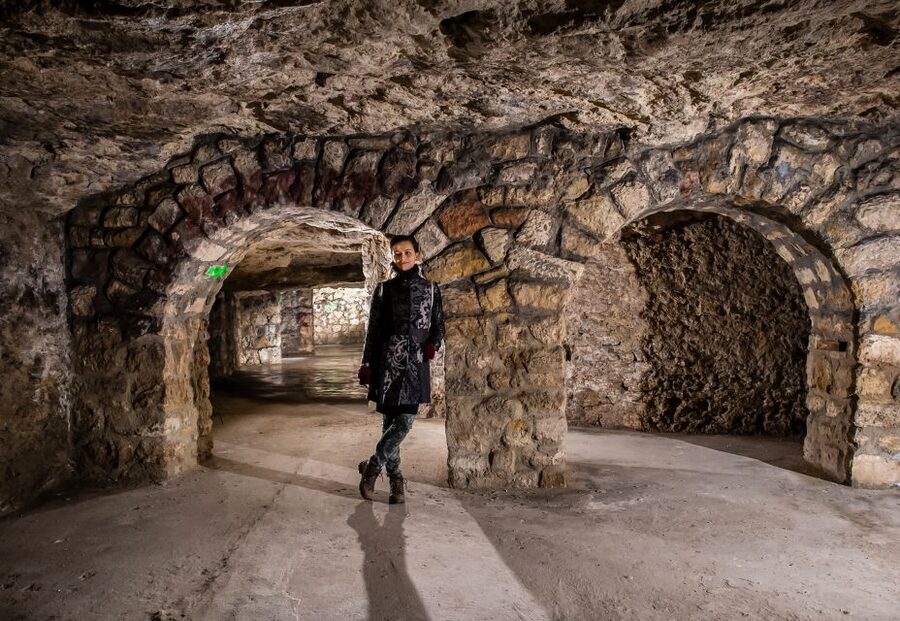
I would recommend it to history fans, curious first-time visitors, and anyone who has already seen the main Castle District sights and wants something different. It works especially well for people who enjoy places with several layers of use rather than rooms filled with paintings and furniture.
It is also a good rainy-day or hot-weather plan. Underground temperatures remain steady, though remember that the cave is cool rather than cozy. You will want that warm layer if you are visiting in winter, and you may appreciate it after walking Budapest in summer.
Families with older children may find the tunnels memorable, but the activity is not allowed for children under three. The stories can include grim material, so decide based on your child’s interests and comfort.
I would skip it if you need step-free access, dislike enclosed spaces, cannot walk about 1.5 kilometers, or want a fully self-guided visit. The live guide is central to the experience, and you must follow the route and the site rules.
Should you book the cave tour?
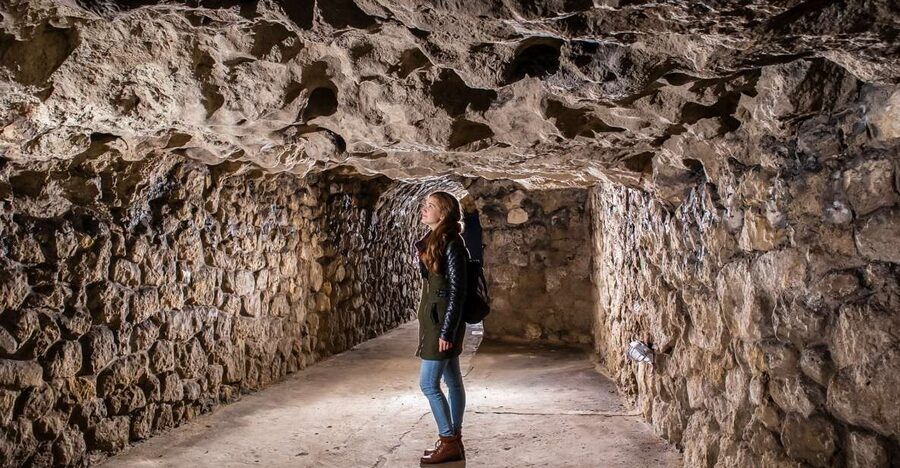
Yes, if you want to see a less familiar side of Budapest and can handle a cool, enclosed walking route. The natural limestone, 800-year-old cellars, medieval uses, and wartime shelters give the tour real variety, while guides such as Vicky, Viktoria, and Eva bring the facts to life.
Choose the longer 1.5-hour option if you have room in your schedule. Choose the 40-minute route if you want a quick introduction. Either way, wear warm clothes and sturdy shoes, confirm the meeting point carefully, and do not expect access to the separate underground hospital.
FAQ
How long does the Buda Castle Cave Tour last?
You can choose between a shorter tour of about 40 minutes and a regular walking tour lasting about 1.5 hours. The longer route covers roughly 1.5 kilometers.
What language is the tour in?
The tour is conducted in English with a live guide. An audio guide is not included.
Where does the tour meet?
The meeting point depends on the option booked. The longer route meets at Trinity Square, also called Szentháromság tér. The shorter route meets at Dárda Street.
How cold is it inside the cave?
The temperature inside is about 12°C, or 54°F. Bring warm clothing even if Budapest is warm above ground.
What should I wear?
Wear closed-toe shoes and clothes that can get dirty. The route is paved and lit, but you may encounter mud or lean against cave walls.
Is the cave tour accessible by wheelchair?
No. The tour is not accessible for wheelchair users and is not recommended for people with mobility impairments.
Can children join the tour?
Children under three are not permitted to join. The activity may also be unsuitable for visitors who have difficulty walking or feel uncomfortable in enclosed spaces.
Is the underground hospital included?
No. The underground hospital is a separate attraction and is not part of this cave tour.
Can I use my phone inside the caves?
Cell phone service is not available inside the caves. Arrange any meeting plans before entering and follow the guide’s instructions during the walk.
Just added around the world
- From Hanoi: Hoa Lu, Mua Cave and Tam Coc Full-Day Trip★ 4.6 · 164 reviews
- From Hanoi: Ninh Binh, Bai Dinh, Trang An and Mua Cave Trip★ 4.7 · 20 reviews
- Hanoi: Halong Bay Day Trip with Titop Island, Cave, & Kayak★ 4.7 · 528 reviews
- From Hanoi: Ninh Binh Bai Dinh or Hoa Lu, Trang An, Mua Cave★ 3.7 · 32 reviews
- From Hanoi: Halong Bay 1 Day Trip Visit Cave, Island, Kayak★ 4.7 · 20 reviews
- From Hanoi: Hoa Lu/Bai Dinh-Tam Coc/Trang An-Mua Cave Tours★ 4.5 · 189 reviews
- Hanoi: Halong Bay Cruise, Amazing Cave, Titov Island & Kayak★ 4.2 · 39 reviews
- From Granada: Skip-the-Line Nerja Cave and Frigiliana★ 4.9 · 22 reviews
Tours, compared.

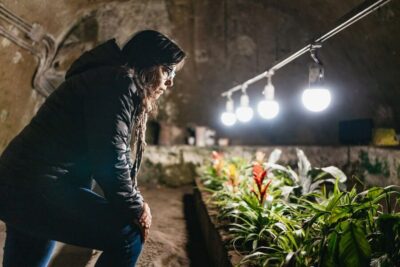
Naples: Naples Underground Entry Ticket and Guided Tour
Read our review →
Chichen Itza, Cenote & Valladolid Tour with Tequila and Lunch
Read our review →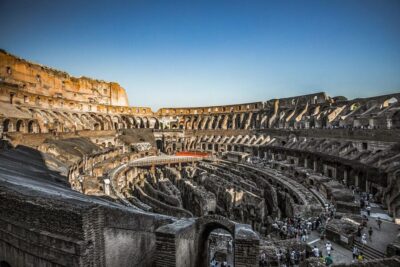
Colosseum: Underground and Ancient Rome Tour
Read our review →
Portimão: Benagil Caves Speed Boat Tour with Sunset Option
Read our review →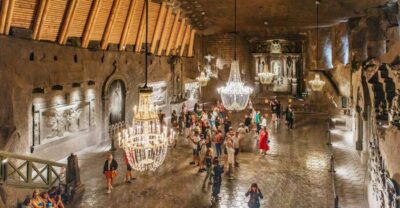
Krakow: Wieliczka Salt Mine Tour with Entry Ticket
Read our review →