REVIEW · CAVE TOURS
Addis Ababa: Debre Libanos, Blue Nile Gorge, and Cave Tour
The best part of this day trip is how quickly Addis Ababa gives way to highland scenery, rural villages, and steep river gorges. In one long day, you visit Debre Libanos Monastery, look for gelada baboons, walk to the Portuguese Bridge, and peer into the Blue Nile Gorge.
I like the mix of nature and culture. The monastery and cave church give the day real depth, while the baboons and gorge keep it from feeling like a string of church visits. I also like that lunch, water, entry fees, transport, and guides are included. The main drawback is simple: the driving is long, and the full day can stretch to nine or ten hours when traffic or road conditions slow things down.
Key points to know before booking
- Debre Libanos dates to 1284: A local monastery guide or monk helps explain Ethiopian Orthodox worship and monastic life.
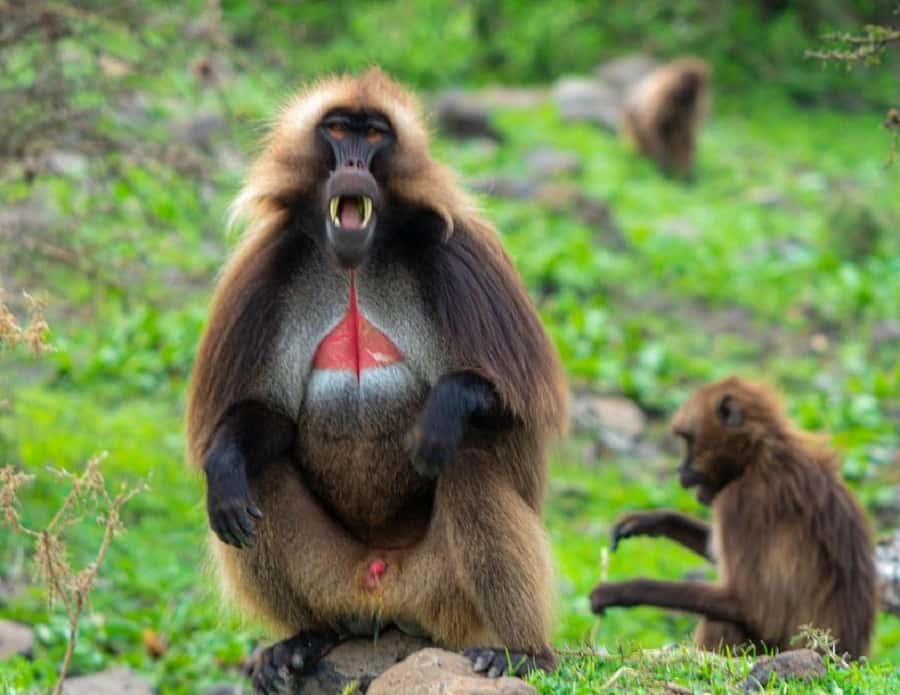
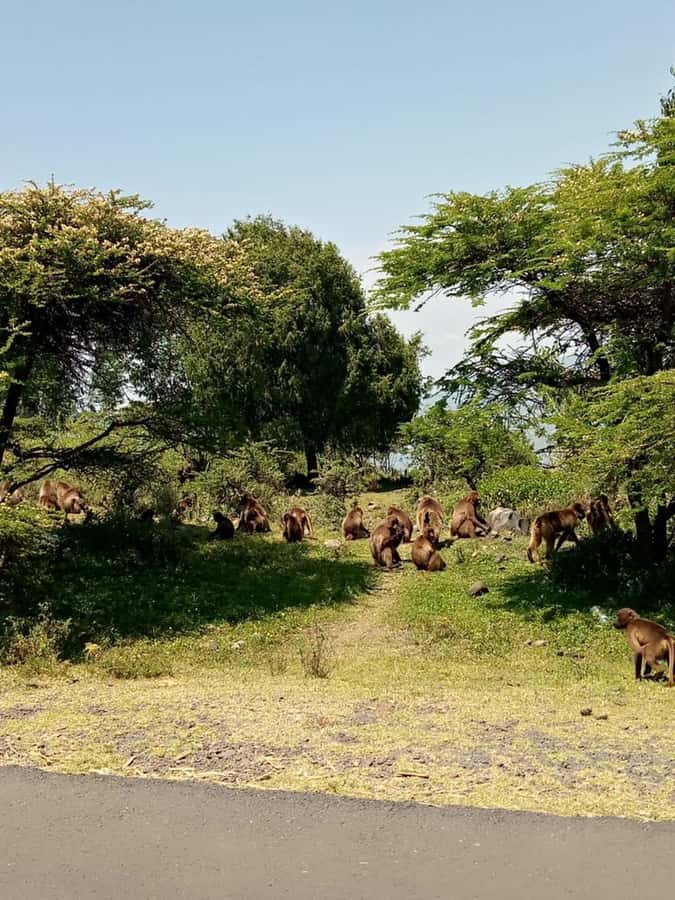
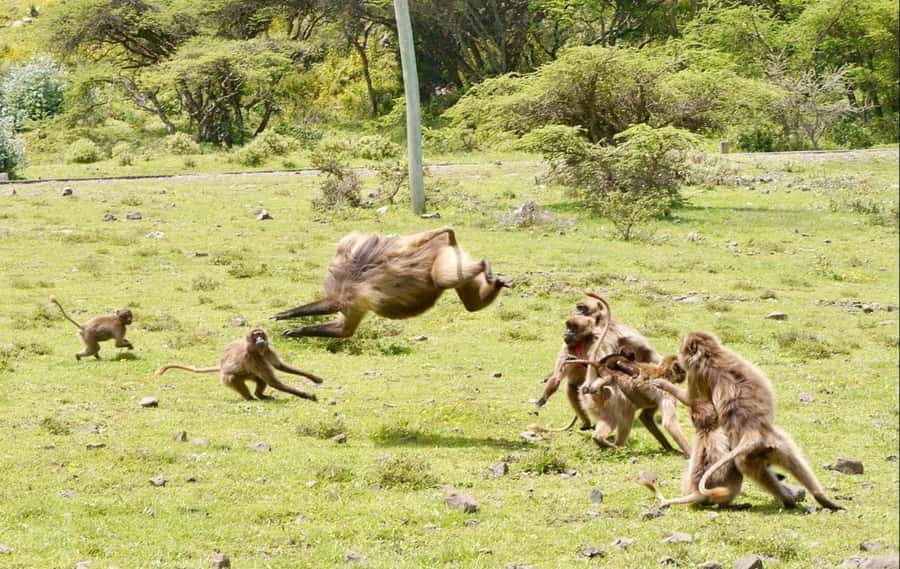
- Gelada baboons are a real highlight: These endemic Ethiopian animals live around the highland roads and gorge.
- The Portuguese Bridge requires walking: Expect stones and uneven ground, especially near the gorge.
- The views are the star: The Blue Nile Gorge and Jamma River valley provide the most dramatic scenery of the day.
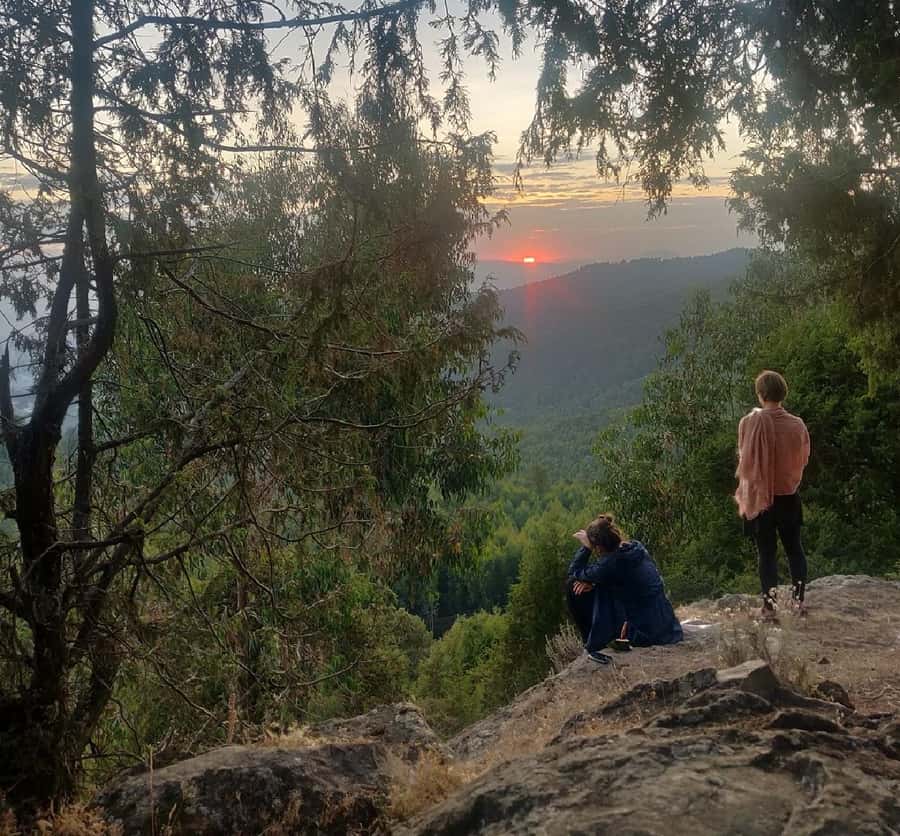
- Entoto Hill reaches 3,300 meters: The stop gives you broad views over Addis Ababa and a sense of the city’s high setting.
- Allow more than eight hours: The advertised duration is eight hours, but traffic, fuel delays, services at the monastery, or extra photo stops can extend the day.
Leaving Addis Ababa by way of Entoto Hill
Pickup is available from your hotel or Addis Ababa Bole International Airport. The day typically begins with city traffic, then climbs toward Mount Entoto, where the air is cooler and the city spreads out below.
The route passes Entoto Saint Maryam Church and Entoto Saint Raguel Church. These are mainly scenic or photo stops on this tour rather than long visits, but they help set the religious tone before you reach Debre Libanos.
At about 3,300 meters, Entoto is high enough that you may notice the change in temperature and the thinner air. Bring a light layer even if Addis Ababa feels warm. The view also helps you understand Addis as a highland capital rather than a flat urban center.
After Entoto, expect a long road journey north. The drive is part of the experience, not just a transfer. You pass through rolling mountain country, rural settlements, and open highland scenery. You may also see roadside markets, local people, birds, and the steep terrain that makes this region so striking.
Traffic inside and around Addis can be heavy. Fuel problems have delayed at least one departure, and traffic on the return has made some days feel rushed. If you have a flight later that evening, do not treat the eight-hour estimate as a guarantee. A day with this much driving needs a generous buffer.
A few more cave trips around the world worth a look
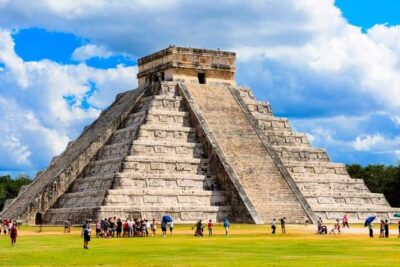
- Chichen Itza, Cenote, and Valladolid Tour
★ 5.0 · 24,293 reviews - Naples: Naples Underground Entry Ticket and Guided Tour
★ 4.4 · 21,781 reviews - Chichen Itza, Cenote & Valladolid Tour with Tequila and Lunch
★ 4.5 · 15,789 reviews
Debre Libanos Monastery and Ethiopian Orthodox life
Debre Libanos Monastery was founded in 1284 by the Ethiopian saint Abune Tekle Haymanot. The complex sits on a terrace between a cliff and the gorge of the Jamma River, one of the Blue Nile’s tributaries.
Your visit usually includes a guided look at the monastery, church, museum, and religious surroundings. A local guide or monk may explain the role of the Ethiopian Orthodox Church, the monastery’s traditions, and the meaning of the objects and artwork you see.
This is where the guide matters most. Guides such as Gebru, Abiy, Teka, Desale, and others have been praised for explaining history, culture, and religion in clear terms. The local monastery guide adds another layer because the information comes from someone connected directly with the site.
Dress carefully. Women should wear clothing that reaches well below the knees, and a scarf for covering the head is encouraged when entering the monastery. The scarf is optional according to the tour information, but bringing one is an easy way to avoid feeling unprepared.
The visit may not always run exactly as planned. A church service prevented one visitor from entering the monastery, although the surrounding visit still continued. Religious sites are working places, not museum displays, so services and local customs take priority.
Allow roughly 30 minutes for the main monastery visit, with another visit of about 30 minutes listed for the surrounding church or museum area. That is enough for a useful introduction, though not enough for a slow, detailed study of every building.
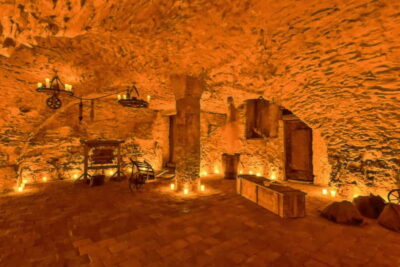
The Saint Teklehaimanot Cave Church
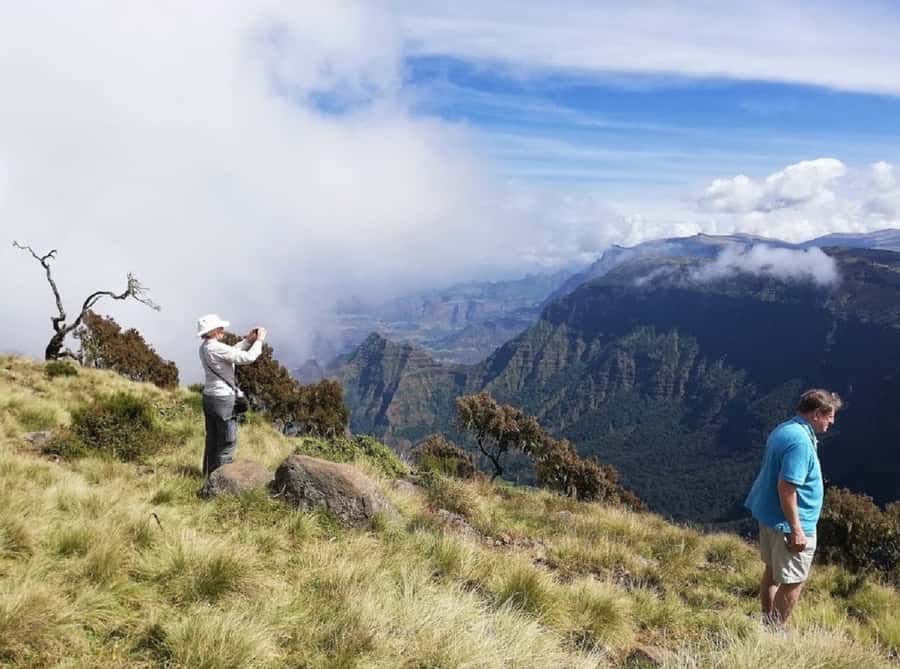
The cave church gives the cultural portion of the day a darker and more emotional edge. According to the tour information, around 300 monks were killed here in 1936 by Italian invaders.
The setting is quiet and stark. The cave and stone surroundings are not polished attractions, and that is part of their power. You are visiting a place connected to religious devotion and violence, not simply checking off another old church.
The walk to the cave adds a small physical challenge. This is not presented as a major trek, but the wider route includes uneven stone surfaces. Wear shoes with a firm sole and good grip. Comfortable walking shoes are specifically recommended, and sandals or smooth city shoes would be a poor choice.
The cave visit also shows why this tour works better than a simple viewpoint excursion. You get scenery, wildlife, religion, and local history in the same day. The pace is quick, but the subjects are varied enough to keep the drive from feeling repetitive.
Lunch, coffee, and a taste of the countryside
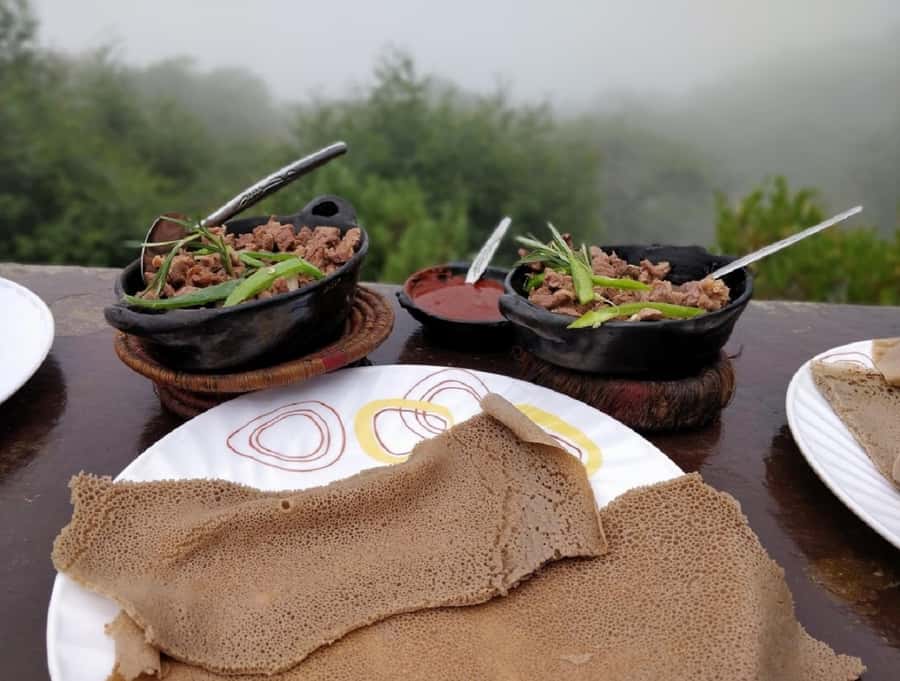
Lunch is included at a local restaurant, along with water and hot drinks. Ethiopian food and coffee are an important part of the day, and the meal provides a welcome pause between the monastery and the gorge.
The food has generally been a strong part of the experience, though one person felt lunch could be improved. That is a fair warning. Included meals are convenient and save you from having to organize food on a long rural route, but they may not match the standard of a carefully chosen restaurant in Addis Ababa.
The tour also gives you chances to interact with Oromo people and see ordinary rural life. Keep this respectful and low-key. You are passing through working communities, not visiting a staged cultural show. Your guide can help with greetings, context, and appropriate behavior.
A coffee stop can be one of the more memorable small moments of the day. Ethiopia’s coffee tradition is central to daily life, and a hot drink breaks up the road journey in a way another rushed photo stop cannot.
Same corner of the map, a different way in:
- Colosseum: Underground and Ancient Rome Tour
★ 4.7 · 12,691 reviews - Edinburgh: Underground Vaults Tour
★ 4.6 · 11,758 reviews - Portimão: Benagil Caves Speed Boat Tour with Sunset Option
★ 4.8 · 11,663 reviews - Krakow: Wieliczka Salt Mine Tour with Entry Ticket
★ 4.6 · 10,927 reviews
Gelada baboons and highland wildlife
The gelada, often called the bleeding-heart baboon, is one of Ethiopia’s most distinctive animals. It is endemic to the Ethiopian highlands, and the tour route passes through areas where these animals may be seen.
Sightings are not a guaranteed performance. The animals are wild, and you may see a family group near the road or have to look carefully across rocky ground. Several visitors have had close views, including family groups, which made this one of the day’s best surprises.
The highlands also support endemic birdlife. Bring sunglasses and a hat, and keep your phone or camera ready without letting photography take over the stop. A guide can help you notice animals that are easy to miss when you are focused only on the gorge.
There is some walking over stones near the gorge and bridge. If you are unsteady on your feet, tell the guide early. The guides have helped people across rough sections, but this is not a fully accessible outing. It is not suitable for people with mobility impairments or pregnant women.
The Portuguese Bridge and Jamma River
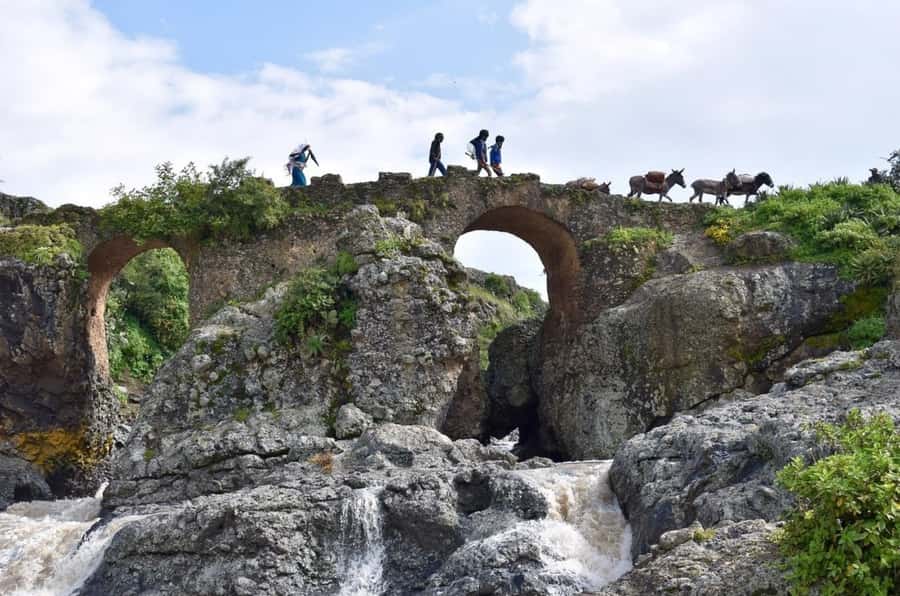
The Portuguese Bridge is a stone arch bridge built by Ras Darge in the 1890s in a classic Portuguese style. The short walk to it is one of the most satisfying parts of the tour because you leave the vehicle and get close to the river setting.
The bridge is not just a quick photo backdrop. Its stone construction, nearby cliffs, and views toward the water make it easy to see why it remains a local landmark. Waterfalls may be visible depending on conditions, and the surrounding scenery changes with the light and season.
The Jamma River stop gives you another angle on the gorge. The river is one of the tributaries feeding the Blue Nile, and the deep valley explains the region’s dramatic shape better than a map can.
Take care near edges and on the rocks. The route is manageable for a reasonably sure-footed person, but it is not a smooth paved promenade. A walking stick may help if you regularly need extra balance, though one is not listed among the provided equipment.
The Blue Nile Gorge viewpoint
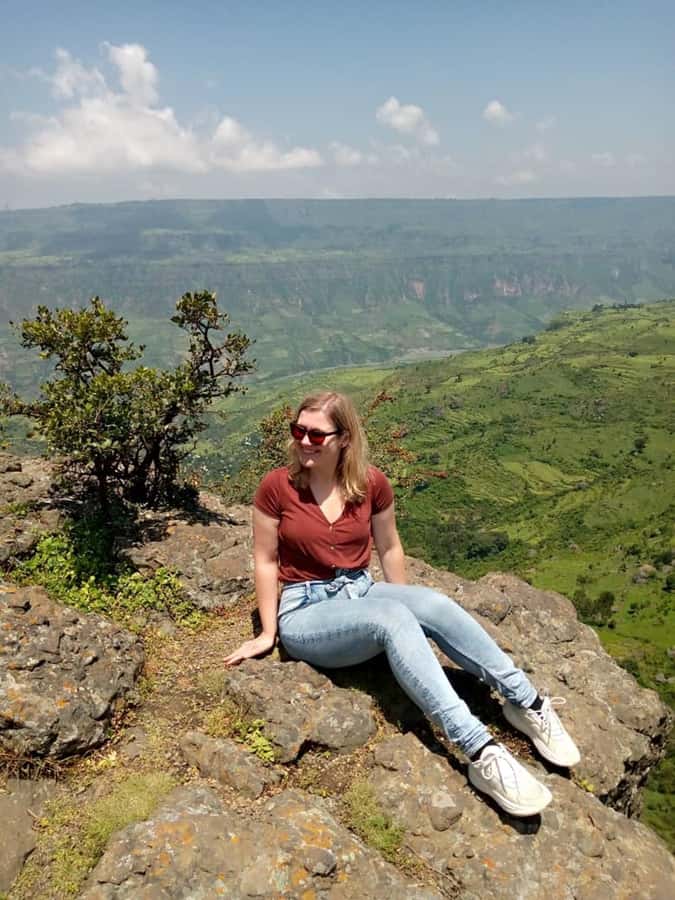
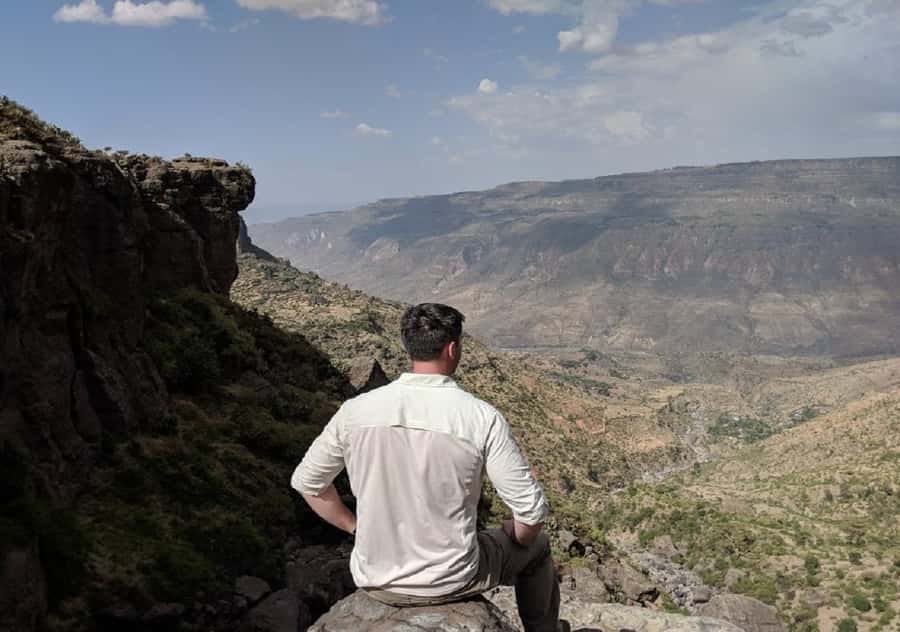
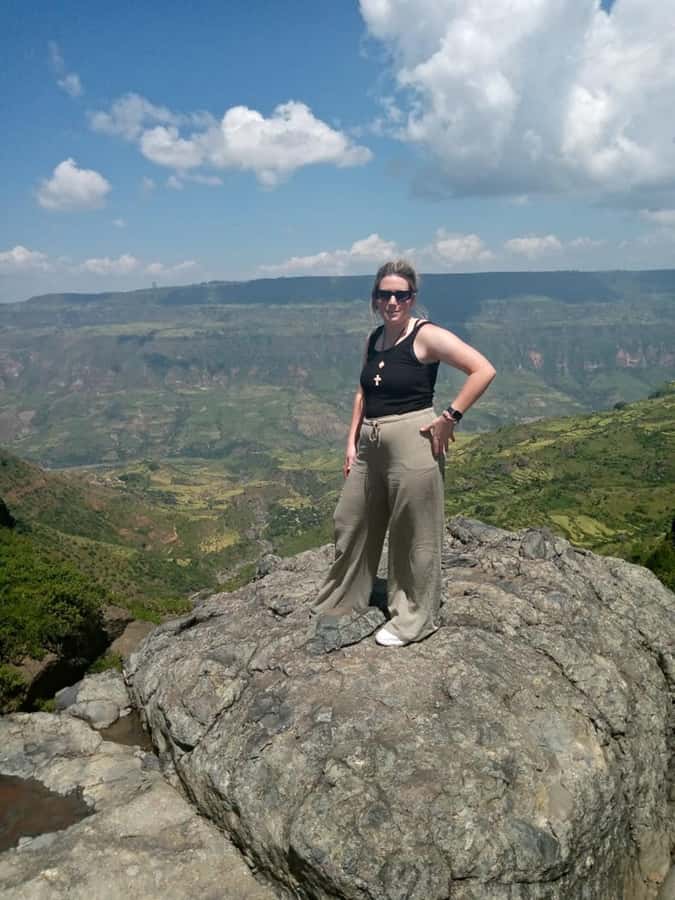
The Blue Nile Gorge is the visual high point of the trip. It is often compared with Arizona’s Grand Canyon, though the comparison is useful only up to a point. The Ethiopian gorge has its own steep, rugged character, with broad views across highland ridges and the river valley below.
This is where the long drive begins to make sense. The scenery opens dramatically, and you can spend time taking in the scale rather than looking at another city street. The best approach is to slow down, listen to the guide, and allow time for photographs from more than one angle.
The gorge is also where road and weather conditions matter most. Rain can change the feel of the stop, and wet stones may be slippery. Sun protection is important at altitude, even when the air feels cool. Bring sunscreen, sunglasses, and a sun hat as requested.
The tour schedule gives about 30 minutes for the Portuguese Bridge and another 30 minutes for the Jamma River area. In practice, the exact pace depends on the group, road delays, and how much time you spend with the baboons or taking photographs. Private or small groups may have more flexibility, but group size is not specified.
What the transport is really like
Ground transportation and an escorting guide from Addis Ababa are included. The driver and guide are usually separate people, and both roles matter on this route.
Several guides have received praise for being considerate, punctual, and helpful. Drivers such as Abiy, Muse, Tadele, and Nabiel have also been credited with handling difficult roads carefully. One guide even accompanied a visitor to a pharmacy after an eye problem, showing the sort of practical help that can make a long day easier.
Vehicle quality appears to vary. Some days have used a comfortable, spacious van, while one person found the vehicle worn and another recommended a better car. You should expect a practical tour vehicle rather than luxury transport.
Road conditions are another factor. The driver may need to handle rough sections, village traffic, and changing conditions. This is not a fast highway excursion. The journey from Addis is part of the price you pay for reaching the gorge, monastery, and bridge in one day.
Is the $94 price good value?
At $94 per person, the price is reasonable if you want a guided day outside Addis without arranging a vehicle, driver, entrance tickets, local guides, lunch, and water separately.
The value comes from the number of pieces packed into one outing. You receive hotel or airport pickup and drop-off, transport, an English-speaking escort, a local monastery guide, entry fees, lunch, hot drinks, and bottled water. You also cover several distant sites that would be difficult to combine by public transport in one day.
The price feels less attractive if your main interest is only the Blue Nile Gorge. You spend a large part of the day on the road, and the stops are fairly short. If you prefer slow travel, long walks, or extended time at religious sites, a private arrangement with a custom schedule may suit you better.
For a visitor with only a few days in Addis, I think the cost is justified. It gives you a quick look at rural Ethiopia, Orthodox religious life, highland wildlife, and one of the country’s great natural viewpoints.
Who should book this day trip?
I would recommend it to you if you want to get beyond Addis Ababa but do not have time for a longer journey. It suits people who enjoy varied days, historic religious sites, mountain scenery, local food, and a little outdoor walking.
It also works well for solo visitors. Pickup is included, and the guide and driver provide structure and support throughout the day. Solo female visitors have found the arrangement reassuring, though normal care and respectful dress still matter.
You should think twice if you dislike long drives, have mobility limits, are pregnant, or need a fixed return time. The official duration is eight hours, but real days can run longer. Allow extra time because traffic, road delays, fuel issues, religious services, and photo stops can all affect the schedule.
Guides vary, but names frequently associated with strong service include Gebru, Abiy, Teka, Desale, Hallelujah, and Allen. You cannot necessarily request a particular guide, but these names give you an idea of the personal attention that can shape the day.
Final verdict: a worthwhile day beyond the capital
Book this tour if you want one full day that combines Debre Libanos, gelada baboons, the Portuguese Bridge, the Blue Nile Gorge, and Entoto Hill without planning each piece yourself.
Do not book it expecting a relaxed eight-hour outing. Expect a long road day with some rough walking, a variable vehicle, and a packed schedule. In return, you get striking scenery, a serious cultural visit, local food, and a genuine look beyond Addis Ababa.
For most visitors with limited time, that trade is worthwhile. The gorge and monastery provide the main reasons to go, while the baboons and cave church can turn the day into something far more memorable than a standard city excursion.
FAQ
How long is the Debre Libanos and Blue Nile Gorge tour?
The advertised duration is eight hours, but the day may take nine or ten hours depending on traffic, road conditions, fuel delays, services at the monastery, and the time spent at each stop.
What is included in the $94 price?
The price includes hotel or airport pickup and drop-off, ground transportation, an English-speaking escorting guide, a local monastery guide, entry fees, lunch with water and hot drinks, and bottled water.
Can I be picked up at Addis Ababa airport?
Yes. Airport pickup is included. The driver or guide will wait outside the airport near the yellow taxis with a sign showing your last name.
What should I wear to Debre Libanos Monastery?
Women should wear clothing that covers well below the knees. A scarf for covering the head is encouraged when entering the monastery, though it is optional according to the tour information.
Will I definitely see gelada baboons?
The route passes through areas where endemic gelada baboons live, and sightings have been possible on the tour. They are wild animals, so a sighting cannot be guaranteed.
Is there much walking?
There is a short walk to the Portuguese Bridge and walking over uneven stones near the gorge and cave. Comfortable shoes are important, and you should be reasonably sure-footed.
Is this tour suitable for people with mobility impairments?
No. The tour is listed as unsuitable for people with mobility impairments and pregnant women because of the long drive and uneven walking surfaces.
Can I cancel the booking?
You can cancel up to 24 hours in advance for a full refund. The tour also offers a reserve-now, pay-later option.
Just added around the world
- From Kraków: Wieliczka Salt Mine Guided Tour with Transport★ 4.4 · 417 reviews
- From Krakow: Wieliczka Salt Mine Half-Day Trip with Pickup★ 4.5 · 140 reviews
- From Krakow: Wieliczka Salt Mine Tour & Hotel Pickup★ 4.3 · 38 reviews
- From Krakow: Wieliczka Salt Mine Small Group Guided Tour★ 3.8 · 78 reviews
- From Krakow: Wieliczka Salt Mine Guided Tour & Transfer★ 4.9 · 60 reviews
- From Krakow: Salt Mine Guided Tour with Transfer★ 4.7 · 40 reviews
- From Krakow: Wieliczka Salt Mine Guided Tour★ 4.5 · 115 reviews
- Krakow: Wieliczka Salt Mine Guided Tour★ 4.4 · 247 reviews
Tours, compared.
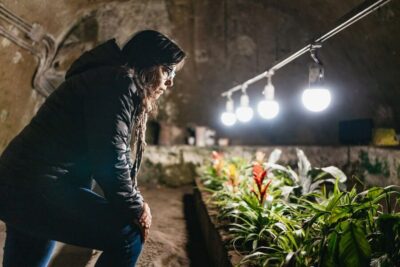
Naples: Naples Underground Entry Ticket and Guided Tour
Read our review →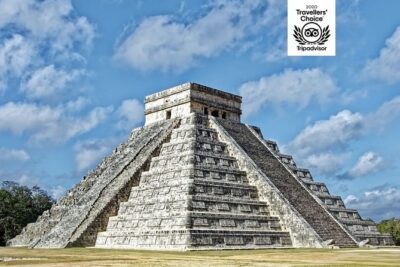
Chichen Itza, Cenote & Valladolid Tour with Tequila and Lunch
Read our review →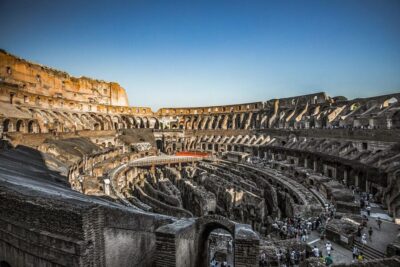
Colosseum: Underground and Ancient Rome Tour
Read our review →
Portimão: Benagil Caves Speed Boat Tour with Sunset Option
Read our review →
Krakow: Wieliczka Salt Mine Tour with Entry Ticket
Read our review →