
REVIEW · ICE
Castner Glacier Ice Cave Adventure from Fairbanks
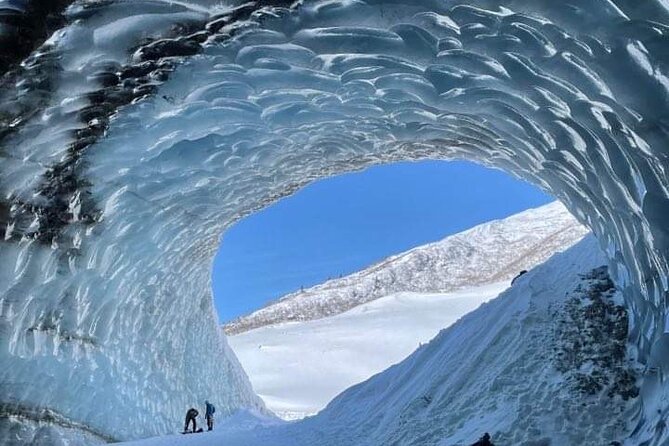
Castner Glacier’s ice cave is the star here: a blue-white chamber formed by moving ice, meltwater, and time. The cave changes from season to season, so what you see is not a fixed attraction behind a rope. You walk out across the glacier’s approach and meet the conditions as they are.
I like the small maximum group of six, which lets guide Antonio, also called Tony, give clear safety advice and help with photos. I also like the road trip itself, with Alaska Range views, possible moose and caribou sightings, and stops along the Richardson Highway.
The catch is the distance. You spend about five hours in the vehicle, and the hike can turn from an easy flat walk into hard work when snow is deep. This is not a quick photo stop, and winter conditions can be slippery, cold, and tiring.
Key points to know before you book
- The ice cave changes every season: You are visiting a natural formation shaped by meltwater and shifting glacier ice, not a permanent show cave.
- The hike is flat but not always easy: The route is about 2.6 miles, with deep snow sometimes requiring snowshoes.
- Antonio or Tony guides the day: He provides local information, helps with photos, watches the group’s pace, and carries or supplies useful equipment when needed.
- The drive is part of the experience: The Richardson Highway offers mountain views and chances to spot moose, caribou, and bald eagles.
- The group stays small: A maximum of six people makes this feel more personal than a large coach excursion.
- Santa Claus House adds a light finish: The North Pole stop gives you time to browse one of Interior Alaska’s best-known attractions after the glacier hike.
Castner Glacier is the reason to make the long drive
The day begins with pickup at about 8:30 a.m. from a hotel or Airbnb within Fairbanks or North Pole city limits. From there, the vehicle heads southeast along the Richardson Highway toward Castner Glacier.
The drive takes about two and a half hours each way. That is a serious time commitment, but it is not empty transport. You pass through the Alaska Range and have repeated chances for mountain views, roadside photographs, and wildlife watching. Moose and caribou may appear near the road, and bald eagles have also been spotted along the route.
Antonio’s approach is one of the stronger parts of the day. He makes photo stops when conditions allow, answers questions about Alaska, and may slow down for wildlife sightings. That matters because the road can otherwise feel like a long transfer. With a guide who points out what you are seeing, the miles become part of the outing.
Still, set your expectations correctly. You are not spending nine and a half hours hiking. Much of the day involves riding in a warm vehicle, and some people find the return journey tiring after the snow walk. If you enjoy scenic road trips, this is a plus. If you want several hours of active exploration, the amount of driving may feel high for one attraction.
More Ice Cave Tours in the USA:
- Snowshoe Hike to Castner Glacier Ice Cave
★ 5.0 · 35 reviews - Fairbanks: Guided Snowshoe Hike to Castner Glacier Ice Cave
★ 4.8 · 31 reviews - From Vik: Katla Ice Cave and Super Jeep Tour
★ 4.6 · 2,110 reviews
The hike to the ice cave: flat does not mean effortless
The listed route to Castner Glacier is about 2.6 miles, or roughly 1.3 miles each way according to the route described during the experience. It is generally straightforward and almost entirely flat. That makes it less intimidating than a steep mountain trail, but winter snow changes the effort involved.
When the trail has only a firm covering, the walk may feel manageable for anyone with moderate fitness. When snow is deep or soft, each step can sink and slide. Several parts of the route have been described as feeling like walking through sand, and rocks can catch in snowshoes. In those conditions, your legs work much harder than the distance suggests.
Snowshoes are used when needed, particularly when snow is more than about six inches deep. They are not automatically used on every outing. You may also receive walking poles or other equipment, depending on conditions and the needs of the group.
Bring water and a snack. The guide may carry supplies and stop for breaks, but you should not count on the outing as a place to buy food. Restroom access is limited during the remote portion of the route, so use facilities before leaving the main road and plan ahead.
A moderate fitness level is the official expectation, but I would interpret that conservatively in winter. You should be comfortable walking more than a mile over snow and uneven ground while wearing warm layers. The route may suit families and older adults who are active, but it can be strenuous for anyone unused to snow travel. Falls are possible, and the snow can make a seemingly short walk slow.
Entering a seasonal glacier cave
Castner Glacier’s cave is not a constructed attraction. Ice, water, and movement shape the passages, and the form changes as the year progresses. That unpredictability is part of its appeal. You may see blue ice, frozen textures, crystals, flowing water, or a tunnel-like opening that looks different from photographs taken at another time.
The cave can feel surprisingly varied. One section may be cold and slick, while another area near flowing water can feel less frigid. The floor may be slippery, and anyone walking farther inside could come out marked with silt. You should follow Antonio’s instructions, stay on the established route, and avoid treating the cave like a playground.
Some outings include both the main ice cave and an ice tunnel. The tunnel can require another half-mile of walking, so ask about the route and your group’s energy before committing to extra ground. The additional passage may offer striking views through the ice, but it is not a free add-on in terms of effort.
The cave is the kind of place where a guide adds real value. Antonio helps you judge footing, points out ice formations, and knows where photographs work best. He has also provided traction aids for shoes inside the cave, along with walking poles and hand warmers when needed. Equipment can vary with conditions, so you should still arrive prepared rather than assuming every item will be supplied.
Why the guide makes a difference
This is a small-group outing, not a formal lecture with a microphone. That suits the setting. Antonio or Tony can stop for questions, adjust the pace, suggest breaks, and help people manage the snow.
His role is especially useful on a changing glacier. The cave may look simple from the outside, but slippery ice, deep snow, meltwater, and unstable footing require attention. A guide can tell you where to step and when not to go farther. He also takes photographs, often looking for angles that show both the person and the scale of the ice.
The driving portion benefits from the same personal style. Antonio shares information about local life, geography, wildlife, and the area around Fairbanks. He has stopped for bathroom breaks, food needs, wildlife sightings, and photo opportunities. That flexibility helps a long day feel less rigid.
One point to keep in mind: the experience is more of a guided outing than a polished interpretive tour. One person described it as feeling like a chaperoned trip rather than a full tour. If you want a scripted presentation at every stop, this may feel informal. If you prefer a friendly guide who watches your safety and responds to your interests, that is likely a benefit.
A few more cave trips around the USA worth a look
- Best Niagara Falls US Tour W/Boat Ride, Cave & More Wonders!
★ 5.0 · 8,372 reviews - Beneath The Streets Underground History Tour
★ 4.5 · 8,006 reviews - Half-Day Emerald Cave Kayak Tour with Optional Hotel Pickup
★ 5.0 · 4,978 reviews - Niagara Falls USA: Maid of the Mist & Cave Adventure
★ 5.0 · 3,924 reviews
The Richardson Highway and possible wildlife
The road between Fairbanks and Castner Glacier gives the outing a strong sense of place. You travel through mountain country rather than simply being dropped at a trailhead. The route can be especially rewarding when winter weather leaves the peaks, frozen river, and roadside trees sharply defined.
Wildlife is never guaranteed, but keep your eyes open. Moose and caribou may cross the road or stand nearby, and bald eagles have been seen during the drive. The guide may slow down or stop when it is safe, giving you a better chance to look and take pictures.
Do not book this as a dedicated wildlife safari. The main purpose is the glacier cave, and animals are an extra benefit. Weather, traffic, time, and animal behavior decide what you see. The good news is that the road remains worthwhile even when the animals stay hidden.
Santa Claus House gives the day a playful finish
After the glacier visit, the route includes about 25 minutes at Santa Claus House in North Pole. This is one of Interior Alaska’s best-known attractions, with a large Christmas theme and plenty of souvenirs and photo opportunities.
The stop changes the mood nicely. After a cold, physical walk, you get an easy indoor-style attraction with a distinctly Alaska roadside character. It may be especially fun for families, Christmas fans, and anyone who wants a small, cheerful contrast to the stark glacier setting.
The timing is brief, so do not expect a long shopping session or a full North Pole tour. Think of it as a compact final stop before the drive back to Fairbanks. For some people, it will feel charming. For others, especially those focused only on natural scenery, it may feel like a touristy detour. The itinerary gives you both sides of Interior Alaska: wild ice and playful roadside culture.
What to wear and carry for the snow
Your clothing will shape the day more than the price or the group size. Winter conditions can shift, and the hike may be easy on firm snow or strenuous in deep powder.
Plan on:
- Warm, layered clothing suitable for several hours outside
- Waterproof winter footwear with good traction
- Gloves, hat, and face protection
- Sunglasses or ski goggles, since blowing snow and ice can hit your face
- Water and a snack
- Hiking poles if you have them and prefer your own equipment
- A phone or camera with enough battery for a long, cold day
Inside the cave, traction is important. Ice can be slick, and the approach may be uneven. The guide may provide poles, hand warmers, snowshoes, or shoe grips when needed, but equipment depends on conditions. Ask what is supplied before you set out.
Do not rely on the short distance as proof that you can dress lightly. The cold affects you during stops, and the snow can make you sweat during the walk. Layers let you adjust as your effort changes.
Is $275 a fair price for this day?
The cost is $275 per person. That is not cheap, but the price covers more than entry to a cave. You are paying for pickup and return transportation, a roughly five-hour round trip, a small group capped at six, a guide for the route, photo stops, wildlife watching, and help with snow equipment when needed.
The value depends on what you want from an excursion. If you have no rental car, do not want to drive winter roads, and want a guide to manage the route, the price is easier to justify. The small group also matters. A six-person maximum allows for more personal attention than a large bus outing and gives the guide room to adjust breaks.
If you are already comfortable driving to the glacier and managing a snowy trail alone, the guided price may feel high. You are also paying for a full-day commitment when the cave itself occupies only part of the schedule. I would choose this tour for convenience, safety, local context, and the chance to make the road journey part of the day.
The experience is recommended by 95 percent of people who rated it, with a 4.8 rating from 40 reviews. Those numbers suggest a strong record, but they do not erase the physical demands or the long drive. The best value comes when you genuinely want a full Alaskan outing, not just a quick look at ice.
Who should book this Castner Glacier outing?
I would recommend it to active couples, families, photographers, nature fans, and first-time visitors who want a guided winter experience outside Fairbanks. It also works well for people who enjoy scenic driving and are happy to let the guide handle navigation and road conditions.
You should think twice if you dislike long vehicle rides, struggle with snow walking, or want a predictable cave with guaranteed access. The glacier changes, weather can cancel the outing, and conditions may require more effort than the flat route suggests.
The booking is non-refundable and cannot be changed after purchase. If poor weather forces cancellation, or if the minimum number is not reached, you are offered another date, another experience, or a full refund. Since weather matters so much here, check the forecast and be confident about your schedule before paying.
My verdict on the Castner Glacier Ice Cave Adventure
Book this if the idea of walking through a changing glacier cave sounds worth a full day of driving and winter effort. The strongest parts are the small group, Antonio’s attentive guiding, the mountain road, wildlife possibilities, and the chance to see ice in a natural setting rather than a built attraction.
Go in ready for soft snow, slippery surfaces, limited restroom access, and a workout that can be tougher than the mileage suggests. Bring proper winter gear, carry water, and use the guide’s safety advice. If you do, Castner Glacier can give you the kind of memorable Interior Alaska day that combines a dramatic natural setting with a friendly, practical guide.
FAQ
Where does the Castner Glacier tour begin?
Pickup is available from hotels or Airbnbs within Fairbanks and North Pole city limits. The scheduled start time is about 8:30 a.m.
How long is the full experience?
The experience lasts approximately 9 hours and 30 minutes. Return to Fairbanks is expected around 6 p.m.
How long is the drive to Castner Glacier?
The drive from Fairbanks to the glacier takes about 2.5 hours, with a similar amount of time for the return trip.
How far is the hike to the ice cave?
The route is described as about 2.6 miles in total and is almost entirely flat. Some descriptions of the route give the one-way distance as about 1.3 miles.
Are snowshoes provided?
Snowshoes are used when conditions require them, particularly when the trail has more than about six inches of snow. They are not automatically used on every outing.
What fitness level is needed?
A moderate physical fitness level is recommended. Deep or soft snow can make the mostly flat hike strenuous, and the cave area may be slippery.
How many people can join the tour?
The maximum group size is six people.
Is Santa Claus House included?
Yes. The route includes an approximately 25-minute stop at Santa Claus House in North Pole.
What happens if bad weather cancels the tour?
If poor weather causes cancellation, you are offered a different date or a full refund. The same options apply if the minimum number of people is not reached.
Just added around the USA
- Peninsula Park Caves Scenic Boat Tour★ 4.5 · 88 reviews
- Cave Point Kayak Tour★ 4.5 · 92 reviews
- Cave Point Kayak Tour★ 5.0 · 281 reviews
- Cave Point Kayak Tour★ 5.0 · 24 reviews
- Flagstaff Underground★ 5.0 · 39 reviews
- Snowshoe Hike to Castner Glacier Ice Cave★ 5.0 · 35 reviews
- Glacier Hiking & Geothermal Cave Pools Tour★ 5.0 · 139 reviews
- Holiday Walking Tour: Underground Chicago via the Pedway★ 5.0 · 27 reviews
Ice Cave Tours, compared.
From Vik: Katla Ice Cave and Super Jeep Tour
Read our review →
Jökulsárlón: Vatnajökull Ice Cave Guided Tour
Read our review →
Jökulsárlón: Crystal Ice Cave Super Jeep Tour
Read our review →
Reykjavik: Katla Ice Cave & South Coast Tour
Read our review →
Ice Cave by Katla Volcano Super Jeep Tour from Vik
Read our review →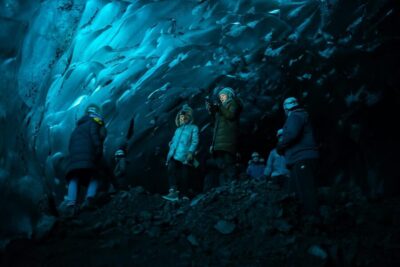
From Jökulsárlón: Vatnajökull Glacier Blue Ice Cave Tour
Read our review →Browse the lists this tour appears in