
REVIEW · INDONESIA
Ubud: Rice Terrace, Waterfall, & Elephant Cave
Tegenungan Waterfall, a cave temple, a holy spring, and the famous Tegalalang rice terraces make this $43 full-day tour a strong first look at central Bali. It gives you nature, art, Hindu culture, and countryside in one long outing, with a private vehicle and entrance fees included.
I like the mix of active and cultural stops. You can swim at the waterfall, walk the rice fields, and ask your guide about Balinese ceremonies at Tirta Empul. I also like the personal service: guides such as Made Sucita, Gede Susila, Edi, Pande, and Agung are often praised for good English, local knowledge, patience, and taking photos.
The tradeoff is the pace. Four major stops plus driving take most of a day, and some guides may suggest coffee tastings or craft shops along the way. If you want long, quiet visits at each temple, tell your guide early and skip any shopping stops that do not interest you.
Key points to know before booking
- Tegenungan Waterfall gives you a chance to swim, not just take a quick viewpoint photo.
- Tirta Empul offers the most meaningful cultural stop, with Hindu temples and the option to ask about the traditional cleansing ritual.
- The tour is private, so the day can often be adjusted around traffic, meal plans, health, or a fixed return time.
- Tegalalang is beautiful but popular, so expect steps, uneven paths, and plenty of photo stops.
- Kemenuh adds a useful arts stop, where you can see how local woodcarvers work with ebony, hibiscus, and teak.
- The $43 price is good value because transport, a private English-speaking driver-guide, fuel surcharge, parking, and entry fees are included.
A practical day from South Bali to central Bali
Your driver picks you up at about 8:00 in the morning from accommodation in areas including Ubud, Denpasar, Sanur, Kuta, Seminyak, Canggu, Jimbaran, Nusa Dua, and Benoa. Pickup and drop-off are also listed for North Kuta, Gianyar, Badung Regency, and Kuta Selatan.
The exact driving time depends on your starting point and Bali traffic. From Ubud, the route is more manageable. From the southern beach areas, the day includes more time on the road, though the air-conditioned vehicle makes the transfers easier.
This is a private tour rather than a fixed coach outing. That matters in Bali, where traffic can alter the day quickly. Guides such as Edi and Made Sucita have adjusted the order of stops to avoid delays, while others have adapted the plan for visitors with limited time or low energy.
The advertised schedule runs for about eight hours, with a return around 4:00 p.m. In practice, some outings may run longer if traffic is heavy or you add a coffee stop, cleansing ceremony, or extra photo break. If you have an evening flight, dinner booking, or cruise departure, give your guide a firm return time at the start.
A few more cave trips around the world worth a look
- Chichen Itza, Cenote, and Valladolid Tour
★ 5.0 · 24,293 reviews - Naples: Naples Underground Entry Ticket and Guided Tour
★ 4.4 · 21,781 reviews - Chichen Itza, Cenote & Valladolid Tour with Tequila and Lunch
★ 4.5 · 15,789 reviews
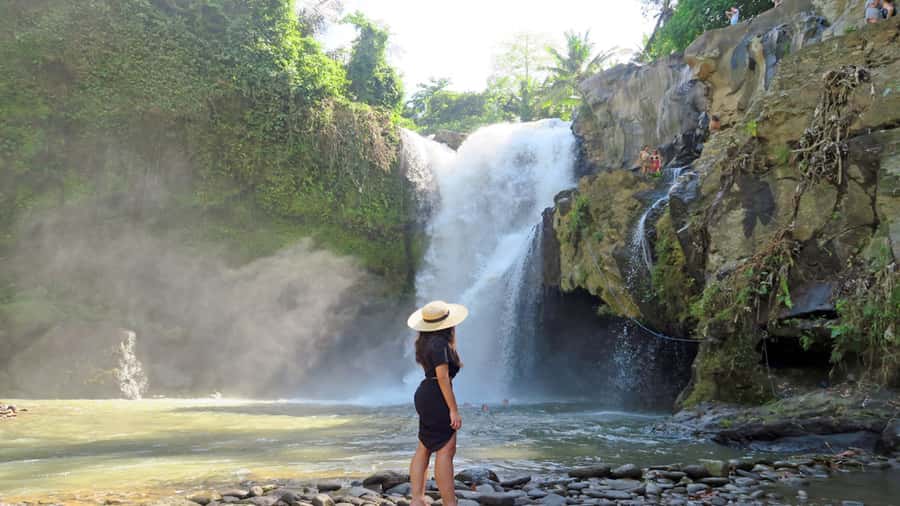
Tegenungan Waterfall: a scenic start with a possible swim
The first major stop is Tegenungan Waterfall, where you have roughly two hours for photos, a walk, and sightseeing. The setting is green and humid, with the waterfall dropping into a pool below.
This is not simply a roadside viewpoint. You can walk down toward the water and swim if conditions allow and you feel comfortable. The spray is refreshing after the drive, but the paths and steps can be slippery, particularly after rain.
Pack swimwear under your clothes if you plan to enter the water. Bring sandals with a firm grip or other slip-resistant footwear, but remember that you will also need shoes suitable for walking over uneven surfaces.
The two-hour allocation gives you time to enjoy the place rather than rush through a single photograph. Still, the waterfall can be busy, and the walk may feel tiring in Bali’s heat. If you prefer a slower morning, tell your guide that the waterfall matters more to you than an extra shopping stop later.
Kemenuh woodcarvers and the working side of Balinese art
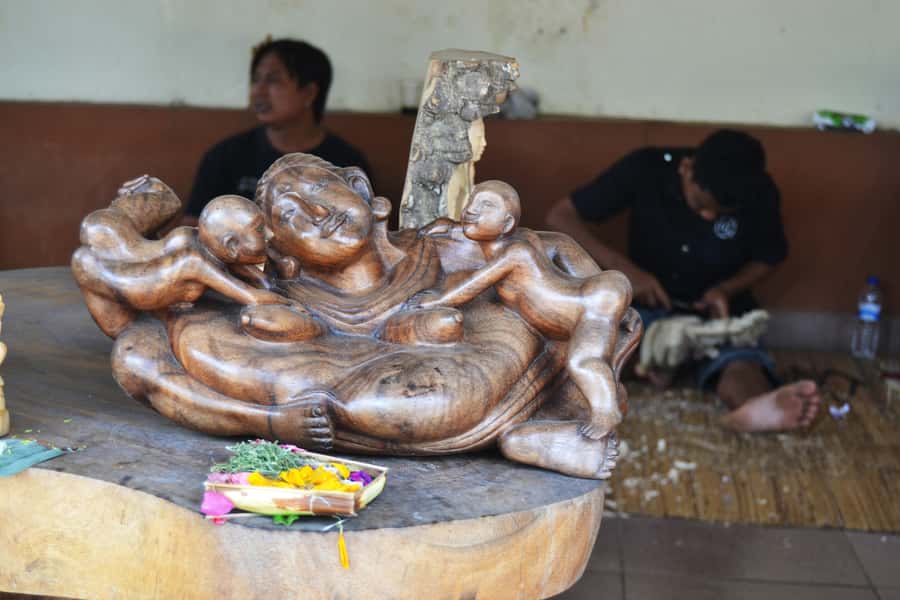
The route continues to Kemenuh, a village associated with Balinese woodcarving. The stated arrival time is around 10:30, and this part of the outing combines a craft workshop, sightseeing, and an arts and crafts market visit.
The carving tradition is linked with Hindu religious themes, and artists work with woods such as ebony, hibiscus, and teak. You can learn how rough timber becomes a decorative figure or architectural piece, and your guide can explain the religious ideas behind some of the designs.
This stop is useful because it shows art as a working local trade rather than treating Bali as one large souvenir display. You may also be offered the chance to browse or buy something. There is no pressure stated in the tour details, but shopping stops can take time, so say plainly if you want to look only briefly.
Several people who took this outing also encountered coffee, tea, or honey tastings, as well as painting or other craft stops. These extras are not part of the core list, so treat them as possible additions rather than guaranteed features. If your priority is the temples and rice fields, ask your guide to keep the visit short.
Goa Gajah, the Elephant Cave, and its unusual entrance
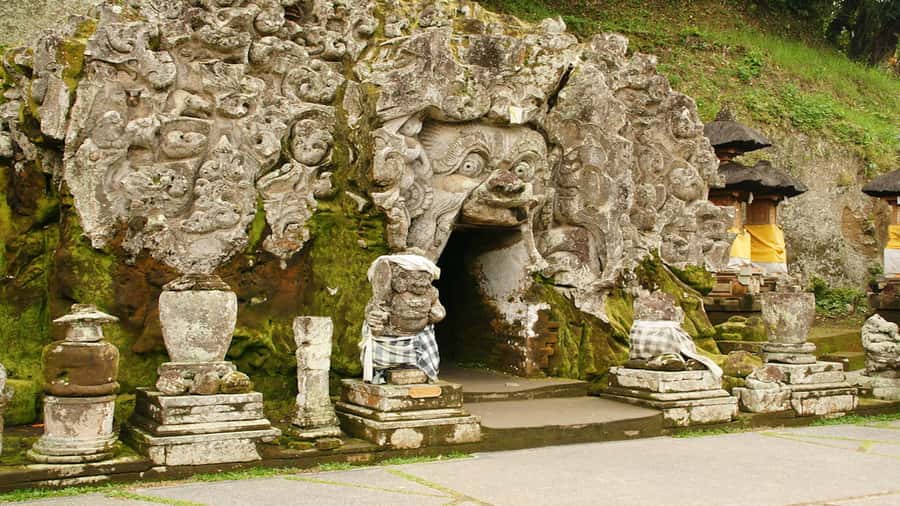
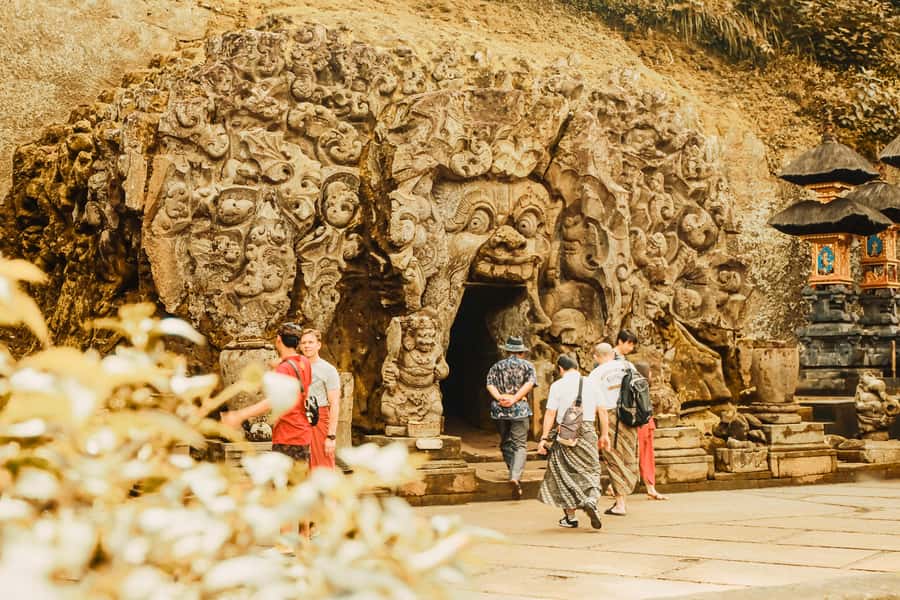
Goa Gajah, usually called Elephant Cave, is the next cultural stop. You get about an hour and a half here, including time for photographs, a visit, a scenic drive, and the arts area.
The cave entrance is cut into a cliff and is about seven meters tall. Its face features Boma, a protective Balinese figure with an animal-like appearance. The entrance is the most striking part of the visit, but do not stop there. Look around the Hindu temple area, the plantations, and the remaining artifacts.
The site is compact compared with a large temple complex, yet it rewards a guide who can explain what you are seeing. Gede Susila, Agung, Edi, Made Sucita, and other guides have been praised for explaining Balinese religion, temple structure, and local customs in clear English.
Expect a moderate amount of walking on uneven ground. The visit is not suitable for wheelchair users, and anyone with stiff knees should take the steps slowly. Wear clothing suitable for a temple visit and follow the guide’s instructions about respectful dress and behavior.
Lunch is planned at around noon and is at your own expense. The tour does not name a fixed restaurant, so you can ask your guide for a suitable local option. One advantage of a private day is that guides have adjusted lunch plans to suit a preferred restaurant or a particular schedule.
Same corner of the map, a different way in:
- Colosseum: Underground and Ancient Rome Tour
★ 4.7 · 12,691 reviews - Edinburgh: Underground Vaults Tour
★ 4.6 · 11,758 reviews - Portimão: Benagil Caves Speed Boat Tour with Sunset Option
★ 4.8 · 11,663 reviews - Krakow: Wieliczka Salt Mine Tour with Entry Ticket
★ 4.6 · 10,927 reviews
Tirta Empul: the day’s strongest cultural encounter
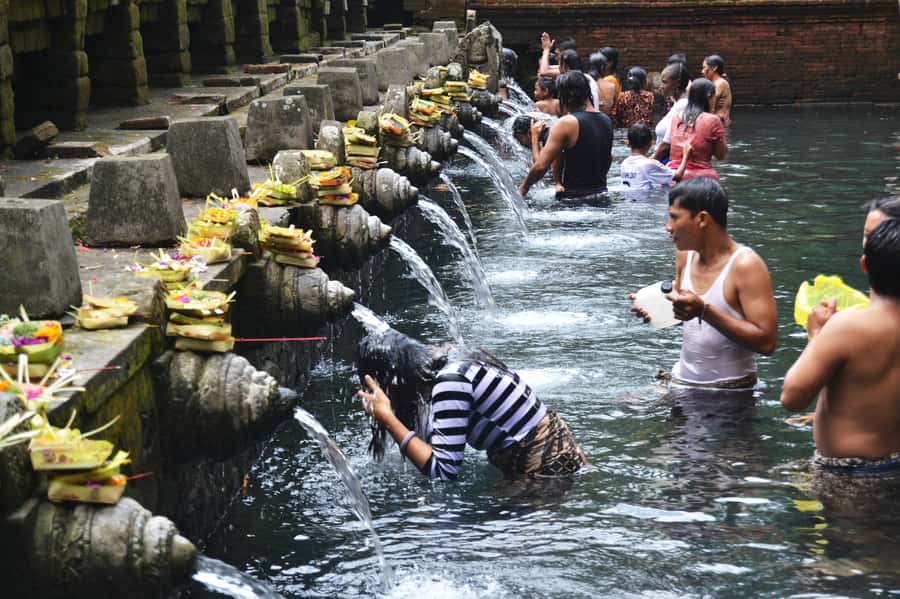
Tirta Empul at Tampaksiring is the most important stop for understanding Balinese Hindu practice. The temple is known for its holy spring water and bathing pools, and the grounds have a calm, ceremonial feel.
You can walk through the temple area, examine the architecture, and ask questions about the rituals taking place. Some people on this tour have chosen to take part in the water purification ceremony. That experience is not listed as a required inclusion, so ask your guide about the current procedure, clothing, and any extra arrangements before entering the water.
Tirta Empul deserves more than a quick photo. I would give this stop your full attention, especially if you are curious about the role of temples in everyday Balinese life. A good guide can explain the difference between a place built for sightseeing and a place that is still used for prayer and ceremony.
Photography is common, and guides often help with pictures. Some visitors have also been approached by local photographers during the cleansing ritual and offered images for purchase afterward. You can decline politely if you do not want them.
The schedule allows about two hours here, though the order may change. Traffic, temple conditions, and your interests can lead the driver to visit Tirta Empul before Tegalalang rather than after it.
Tegalalang rice terraces: the most photogenic walk
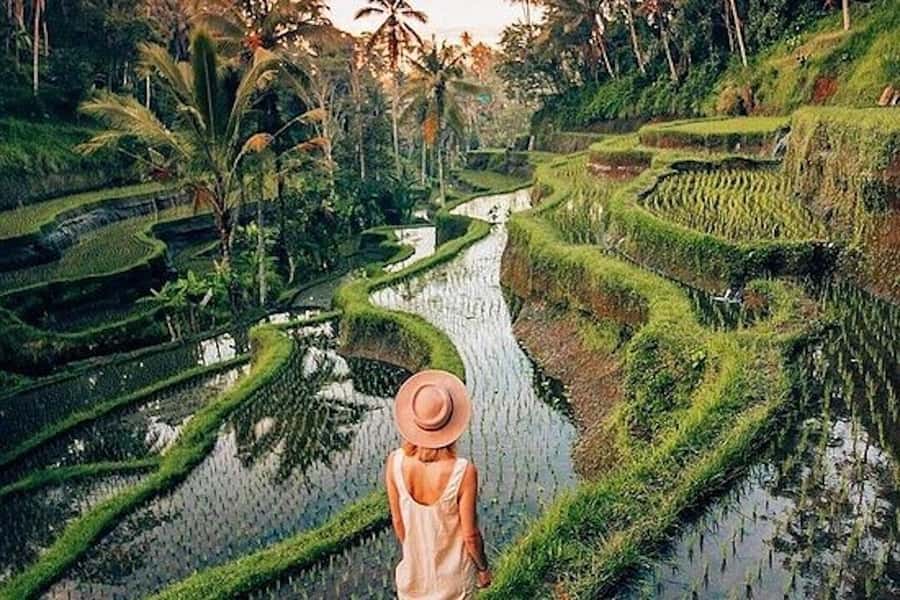
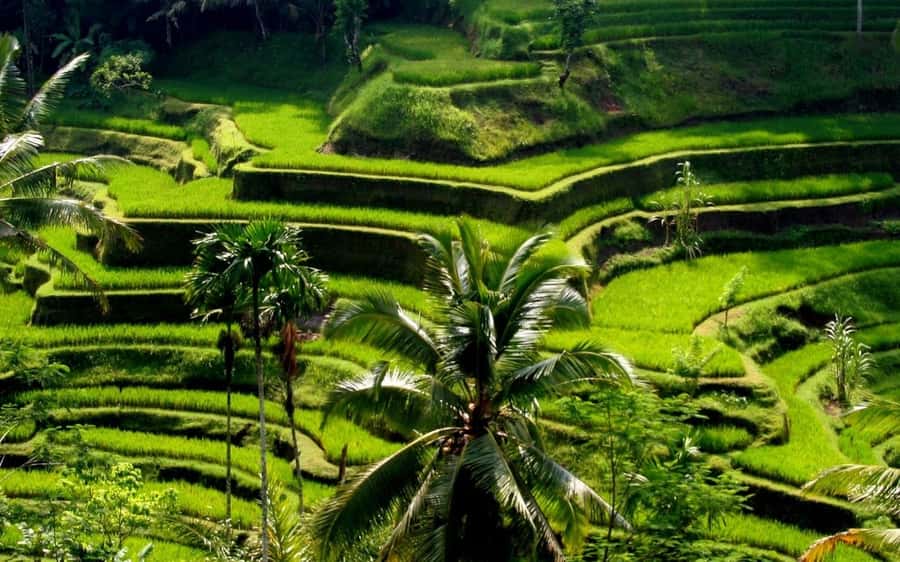
The final major stop is the Ceking rice terrace area in Tegalalang. The fields are shaped into stepped curves, with coconut trees and other plantings adding to the view.
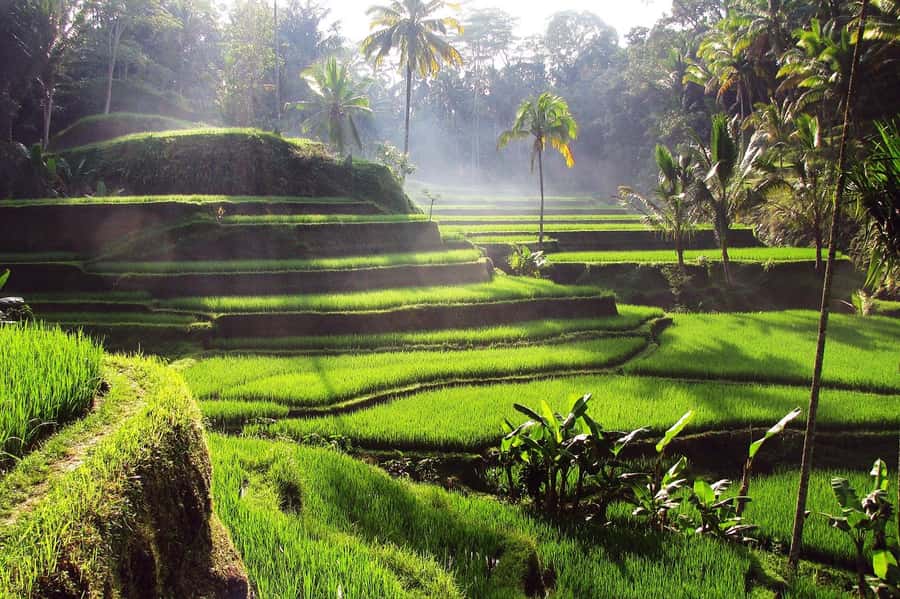
You can take a pleasant walk around the rice fields, stop for photos, and see how farming land has been arranged along the slopes. The beauty comes from the pattern of the terraces, the changing greens, and the way the paths lead through the fields.
The walk is not flat or fully paved. Expect steps, narrow sections, and uneven surfaces. Good shoes matter here, especially after rain. Sunglasses, sunscreen, and a hat are also sensible, since parts of the route can feel exposed.
This stop is often the visual highlight of the day, but it is also one of the most popular. You may find plenty of photo-taking activity and people along the paths. A flexible guide can help you spend your time on the quieter sections or adjust the order to avoid the worst traffic.
If you care most about the rice terraces, tell your guide at breakfast or pickup. It is easy for a private day to become a series of quick stops unless you make your priorities clear.
What the private guide adds to the day
The strongest part of this experience is not simply getting from one sight to another. It is having someone in the car who can explain what you are passing and adjust the day to your needs.
Guides named in the feedback include Made Sucita, Gede Susila, Edi, Pande, Pundit, Agung, Nyoman, Wayan, Putu, and Nyoman Pande. The assigned guide will vary, but the qualities repeatedly associated with the service are prompt pickup, friendly conversation, good English, cultural explanations, and help with photographs.
I would ask your guide three questions early:
- Which stop is best for a quieter visit today?
- Is the cleansing ritual available, and what does it involve?
- Can we skip shopping or tastings if traffic becomes heavy?
The vehicle is air-conditioned and private, with petrol and parking included. That is especially useful in Bali, where moving between four separate attractions by taxi would require more planning and could create uncertainty over return transport.
The private format also works well for solo visitors. One person described having what felt like a personal tour, while couples appreciated having a guide take pictures of both of them. If you are traveling with a companion who does not enjoy taking photos, this small service can make a real difference.
What $43 includes, and what it does not
At $43 per person, the price is strong for a private eight-hour outing. You are paying for an air-conditioned vehicle, an English-speaking driver-guide, fuel surcharge, parking, and entrance fees.
Lunch is not included, and other personal spending is extra. You may also want to budget for drinks, souvenirs, a coffee or tea purchase, or photographs connected with a cleansing ceremony.
The value improves when two or more people share the booking, since you receive private transport and personal attention rather than joining a large bus. Solo visitors still receive a convenient full-day service, though the per-person price naturally feels higher.
I would not choose this tour because it is the cheapest way to see one attraction. I would choose it because it joins several central Bali highlights without requiring you to arrange separate drivers, tickets, and routes.
Who will enjoy this outing most
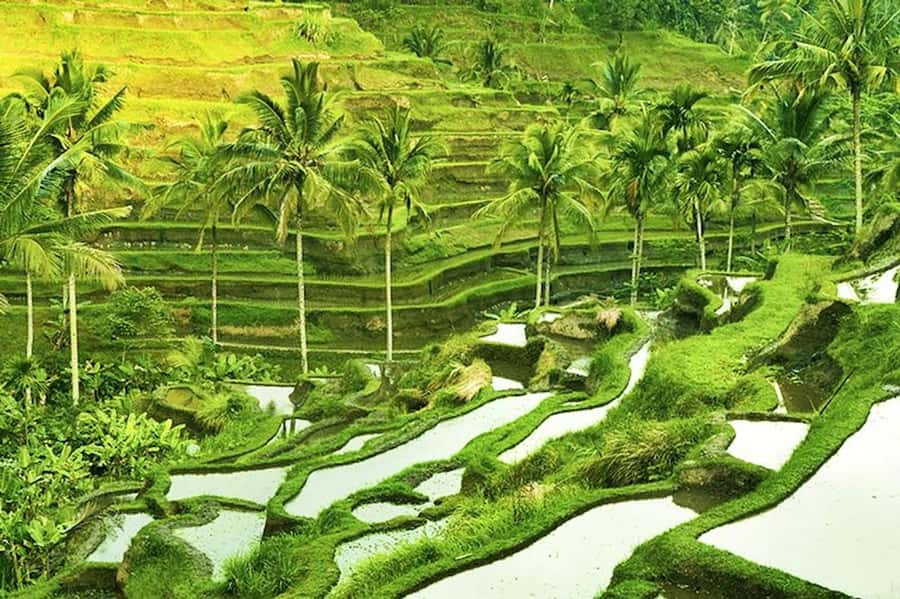
This tour suits a first visit to Ubud and central Bali when you want variety. You get a waterfall, an art tradition, two Hindu sites, and rice terraces in one day.
It is also a good match for couples, families with older children, solo visitors, and anyone who values a flexible private vehicle. The guides have adjusted the route for people feeling unwell, visitors with a strict finish time, and those who had already seen one of the planned attractions.
You should think twice if you dislike steps, uneven ground, heat, or a full schedule. It is not suitable for wheelchair users, and the waterfall, cave, temple grounds, and rice fields all involve walking.
Bring sunglasses, sunscreen, a hat, water, and slip-resistant shoes. Dress suitably for temple visits, and wear something that makes it easy to change if you swim at Tegenungan.
Should you book the Ubud central Bali tour?
Book it if you want a well-rounded first day around Ubud, especially if Tirta Empul and Tegalalang appeal to you. The combination of private transport, included entry fees, flexible timing, and an English-speaking local guide gives the tour solid value at $43.
I would book it for the cultural explanations as much as the scenery. Ask for time at Tirta Empul, request a shorter shopping stop if needed, and make clear if you want to swim or take part in the water purification ceremony.
Skip it if you want a slow, single-focus day or have already visited most of these sights. For everyone else, it is a practical way to see a broad slice of central Bali without wrestling with the roads yourself.
FAQ
How long does the tour last?
The advertised duration is eight hours, with pickup around 8:00 a.m. and return at about 4:00 p.m. Traffic or added stops can affect the finish time.
Where is hotel pickup available?
Pickup is available from accommodation in South Bali, including Ubud, Denpasar, Sanur, Kuta, Seminyak, Canggu, Jimbaran, Nusa Dua, and the Benoa area. Listed pickup areas also include North Kuta, Gianyar, Badung Regency, and Kuta Selatan.
Is transportation included?
Yes. The tour includes transport in an air-conditioned vehicle, a private English-speaking driver-guide, the petrol surcharge, and parking fees.
Are entrance fees included?
Yes, entrance fees for the listed attractions are included.
Is lunch included?
No. Lunch is at your own expense and is planned for around noon.
Can I swim at Tegenungan Waterfall?
Yes, you can swim in the waterfall waters if you wish. Bring suitable clothing and slip-resistant footwear for the walk.
Is the water purification ritual at Tirta Empul included?
The tour visits Tirta Empul, and some people choose to take part in the cleansing ritual. Ask your guide about availability and arrangements, as the ritual is not listed as a standard included item.
Is the tour suitable for wheelchair users?
No. The tour involves moderate walking and uneven surfaces and is not suitable for wheelchair users.
What should I bring?
Bring sunglasses, sunscreen, a hat, and slip-resistant footwear. Dress suitably for rainy weather and temple visits, since the tour operates even when it rains.
Just added around the world
- From Hanoi: Hoa Lu, Mua Cave and Tam Coc Full-Day Trip★ 4.6 · 164 reviews
- From Hanoi: Ninh Binh, Bai Dinh, Trang An and Mua Cave Trip★ 4.7 · 20 reviews
- Hanoi: Halong Bay Day Trip with Titop Island, Cave, & Kayak★ 4.7 · 528 reviews
- From Hanoi: Ninh Binh Bai Dinh or Hoa Lu, Trang An, Mua Cave★ 3.7 · 32 reviews
- Hanoi: Halong Bay Cruise, Amazing Cave, Titov Island & Kayak★ 4.2 · 39 reviews
- From Hanoi: Halong Bay 1 Day Trip Visit Cave, Island, Kayak★ 4.7 · 20 reviews
- From Hanoi: Hoa Lu/Bai Dinh-Tam Coc/Trang An-Mua Cave Tours★ 4.5 · 189 reviews
- From Granada: Skip-the-Line Nerja Cave and Frigiliana★ 4.9 · 22 reviews
Indonesia Cave Tours, compared.

ATV Quad Bike Bali with Waterfall Gorilla Cave and Lunch
Read our review →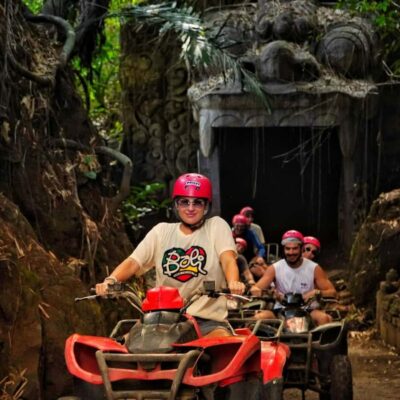
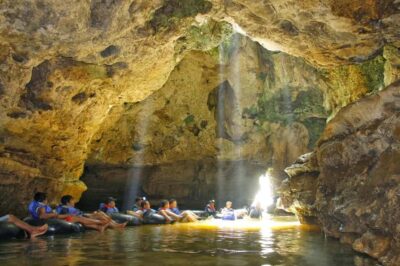
Yogyakarta: Jomblang Cave and Pindul Cave all inclusive Trip
Read our review →Bali Quad Bike Pass by Waterfall Gorilla Cave Private Transfer
Read our review →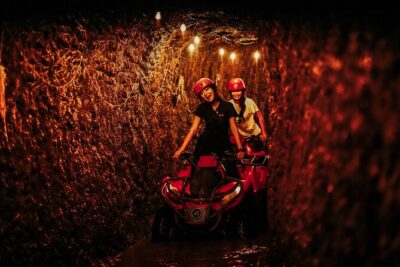
Gorilla Cave ATV Bali Ubud, Monkey Forest, Temple, and Lunch
Read our review →
Yogyakarta: Jomblang & Pindul Cave Guided Adventure
Read our review →
Bali: Ubud Gorilla Cave Track ATV & Waterfall Tour with Meal
Read our review →
Yogyakarta: Mt. Merapi Sunrise, Jomblang & Pindul Cave Tour
Read our review →Browse the lists this tour appears in