
REVIEW · ROME
Rome underground hidden temples, ruins, and secret basilicas
Rome keeps its best surprises below street level. This walk takes you from Michelangelo’s Moses and the chains said to have bound St. Peter to the ruins of a gladiator training school, then down through three buried levels at San Clemente. The final stop is the star: a church below a church below a Roman house and Mithraeum.
I like the compact route and the range of stories. You get art, Christian worship, gladiatorial Rome, and a pagan cult site without spending half a day in transit. I also like the choice between a private guide and a phone-based audio tour. The main drawback is physical: stairs, uneven floors, and underground passages make this unsuitable for wheelchair users and difficult for anyone with limited mobility.
Key points to know before booking
- San Clemente goes three levels underground: You move from the 12th-century basilica to a 4th-century church, then to a 1st-century Roman house and Mithraeum.
- Michelangelo’s Moses is an early highlight: San Pietro in Vincoli includes the sculpture and the chains associated with St. Peter.
- The Ludus Magnus links directly to gladiator history: You see the remains of the training complex near the Colosseum.
- You choose your style of visit: The private guided option includes all three main stops, while the audio option covers San Clemente.
- The route is walkable from the Colosseum: No transport is provided, and the sites are reached on foot.
- Church clothing rules are strict: Cover your shoulders and knees, or you may be refused entry.
Why Rome’s underground history is worth your time
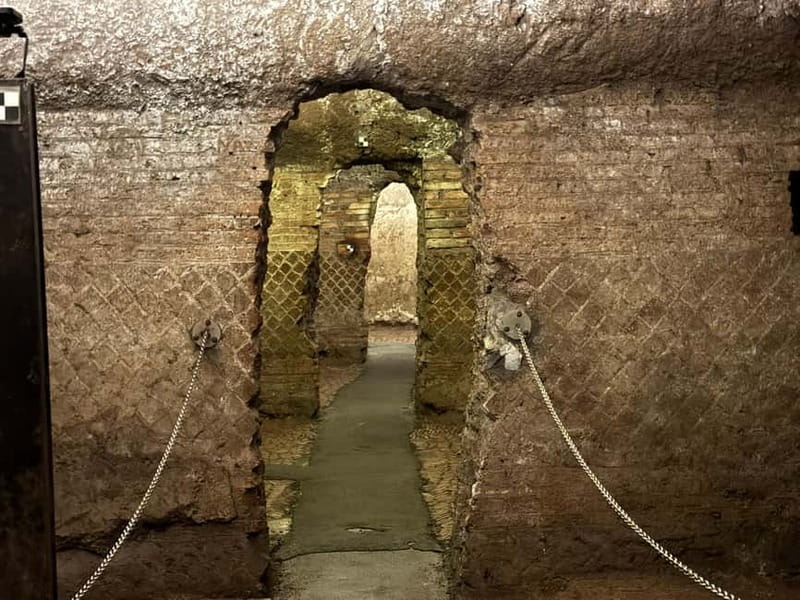
The Colosseum gets the big crowds, but Rome’s underground sites explain how the city actually changed. Buildings were abandoned, buried, rebuilt, and reused. At San Clemente, you can follow that process with your own eyes.
This is not a catacomb tour, and it is not a long tunnel expedition. The main underground experience takes place inside the Basilica of San Clemente, where archaeological layers sit beneath the current church. The route is short enough to fit around a Colosseum visit, yet substantial enough to give you a new way to read Rome.
I find the combination especially useful if you have already seen the major imperial monuments. The Colosseum tells you about public spectacle. San Clemente tells you how ordinary buildings, religious practices, and different faiths occupied the same patch of ground over many centuries.
The price is about $31 per person. That is fair value for the guided option if you want a private English-speaking guide and entrance tickets included at three sites. It is also a reasonable price for the audio option if your main goal is San Clemente and you prefer to set your own pace. The two choices are not identical, so check the booking option carefully before paying.
A few more cave trips around Rome worth a look
- Colosseum: Underground and Ancient Rome Tour
★ 4.7 · 12,691 reviews - Rome: Capuchin Crypts and Catacombs Tour with Transfers
★ 4.6 · 6,456 reviews - Expert Guided Tour of Colosseum Arena OR Underground, and Forum
★ 4.5 · 5,041 reviews
San Pietro in Vincoli and Michelangelo’s Moses
The walk begins from one of two listed meeting points, Via Labicana 96 or Piazza di San Pietro in Vincoli, depending on the option you book. The first stop is the Church of San Pietro in Vincoli, reached by a short walk through the streets around the Colosseum.
Inside, the church holds two very different sights. The first is a pair of chains traditionally associated with St. Peter. The second is Michelangelo’s Moses, a powerful marble sculpture with unusually strong detail in the face, beard, hands, and clothing.
You have around 20 minutes here on the guided route. That is enough for an explanation and a proper look, but not an extended art lecture. If you are especially interested in Michelangelo, you may wish you had more time. Still, the stop works well because it gives you something visually grand before the route turns toward archaeology.
The church is an active religious site, not simply a museum. Keep your voice low, dress appropriately, and do not treat the visit like a quick photo stop. Shoulders and knees must be covered for everyone, and the rule is enforced at all the churches on the route.
The Ludus Magnus, where gladiators prepared for the arena
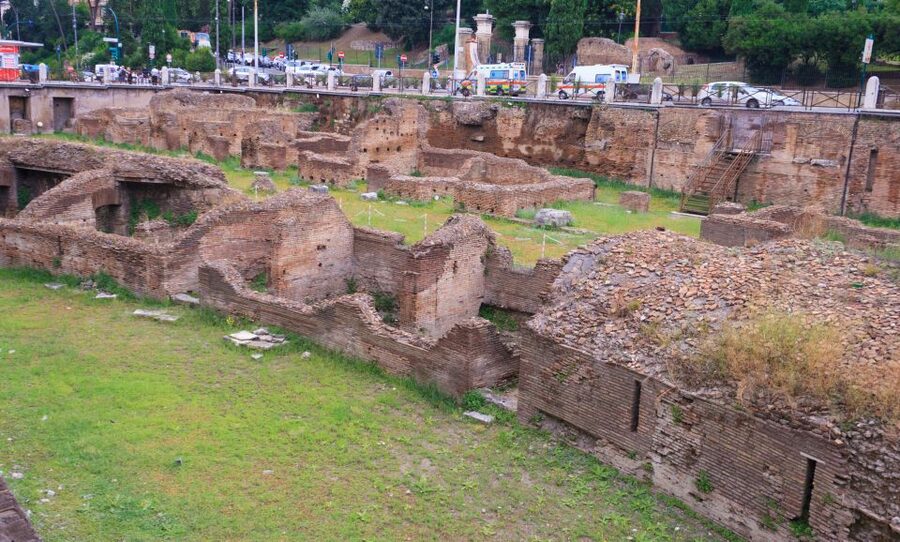
From San Pietro in Vincoli, you continue on foot to the Ludus Magnus. This was an ancient training complex for gladiators, located close to the Colosseum and connected to the arena by underground passages.
The ruins are not a complete standing building. You will see the remains of the training ground rather than walk through a reconstructed gladiator school. That distinction matters. The site rewards a good explanation because the surviving stonework can be hard to interpret on its own.
The guided visit lasts about 15 minutes. It is brief, but the location adds useful context to the Colosseum. You can picture the practical side of the games: training, preparation, and movement between the school and the arena. The Colosseum was not an isolated monument. It belonged to a working complex, and the Ludus Magnus helps you see that connection.
This stop is less satisfying if you want a long archaeological visit with many visible rooms. It is more valuable if you want a concise introduction before entering San Clemente. I would treat it as a well-chosen outdoor pause, not the main event.
San Clemente’s three buried levels
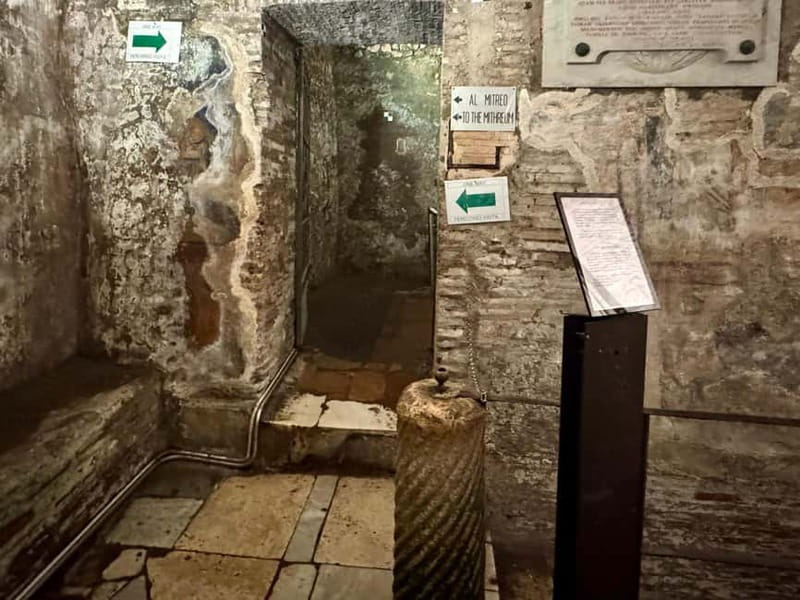
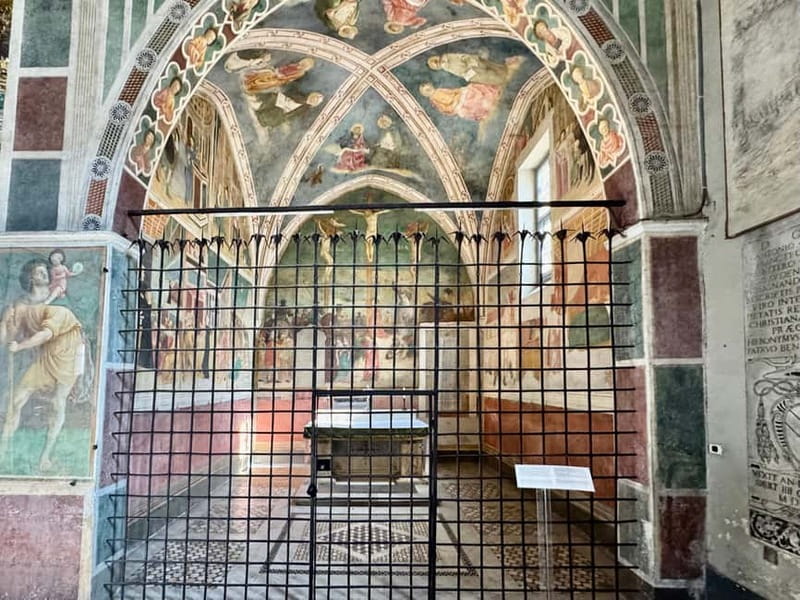
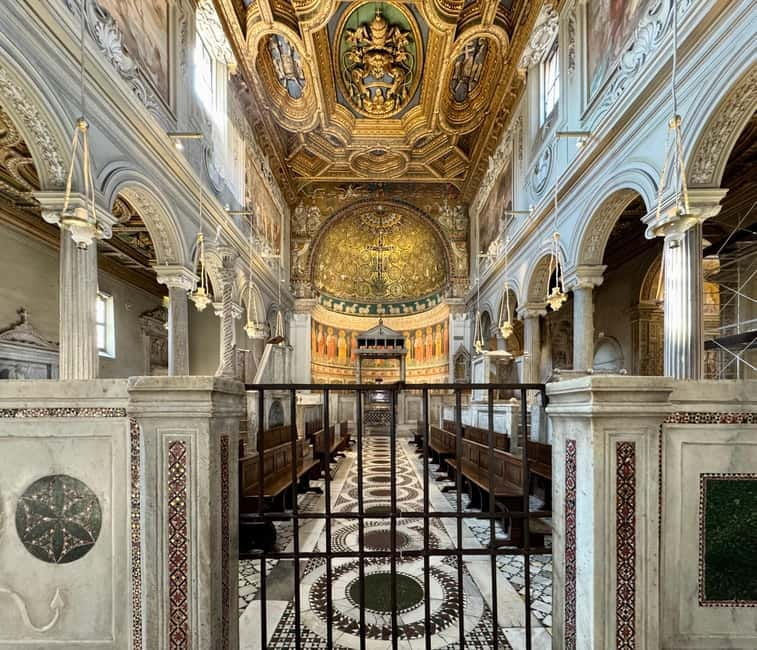
The Basilica of San Clemente is the heart of the experience. You begin in the upper church, known for its medieval decoration and glittering mosaics, then descend through the building’s earlier layers.
The route moves backward through time:
- The 12th-century basilica sits at street level.
- A 4th-century church lies below it.
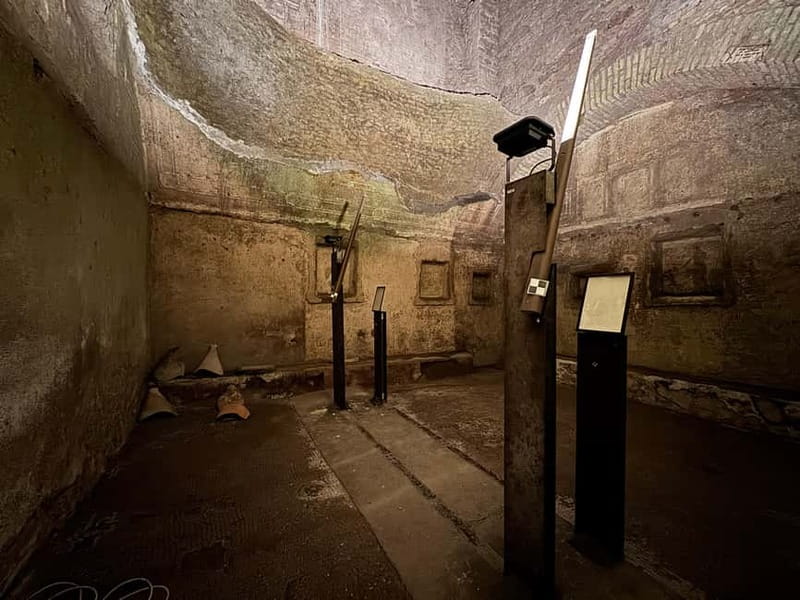
- A 1st-century Roman house and Mithraeum occupy the lowest level.
That arrangement gives San Clemente its unusual power. You are not just looking at separate ruins in different parts of Rome. You are standing in one place and moving through successive periods of use.
The descent also changes the mood. The upper basilica is decorated and formal. Below, the spaces become darker, plainer, and more enclosed. The lower levels feel less like grand monuments and more like fragments of daily life, worship, and private belief.
The full visit to San Clemente takes about 45 minutes on the guided route. That is enough time to understand the sequence, see the main features, and hear why each level matters. The audio option lets you stay longer or move faster, which can be useful if you want to stop and study details.
Same corner of the map, a different way in:
- The Original Roman Crypts and Catacombs Tour with Transfers
★ 4.5 · 4,896 reviews - Rome: Colosseum Underground Small Group Guided Tour
★ 4.7 · 4,844 reviews - Rome: St. Peter’s Basilica, Dome Climb, and Underground Tour
★ 4.8 · 3,404 reviews - Rome: Colosseum Underground, Arena & Forum Tour
★ 4.7 · 3,272 reviews
The 4th-century church beneath the basilica
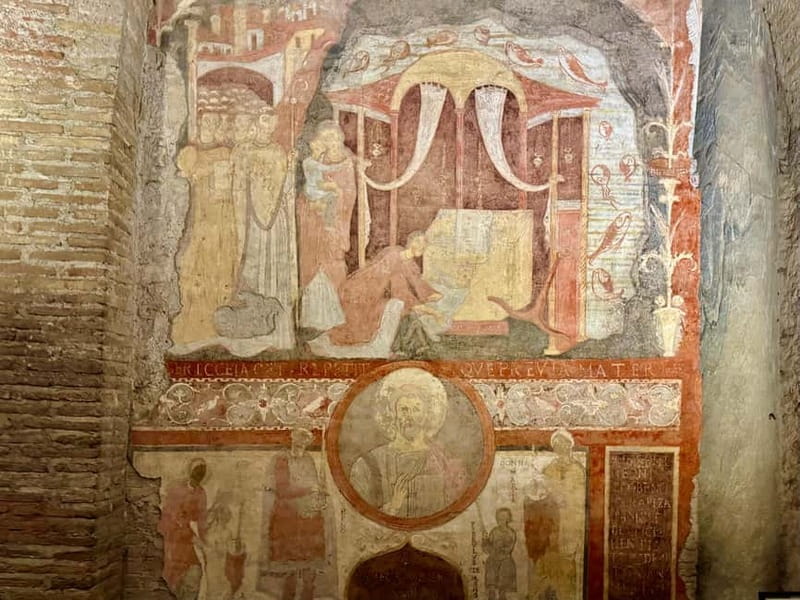
The middle level contains the remains of a 4th-century church. It was later buried, leaving the medieval basilica above it. Here you get a clear sense of how Christian buildings could be altered, abandoned, and built over as Rome changed.
The lower church is more austere than the upper one. That contrast helps you notice how decoration, scale, and religious presentation shifted over time. You are not only seeing older stones. You are seeing different ideas about how sacred space should look and function.
A guide can make this section much easier to follow. Without context, it can be difficult to tell which walls belonged together or why the church ended up below the present building. The private tour is the better choice if you want those connections explained as you go.
The audio tour can still work well here, especially if you like pausing to examine the remains. Its value depends on your phone and headphones. A smartphone made in 2020 or later is recommended, and older devices may have trouble with the app or playback.
The Roman house and the Mithraeum
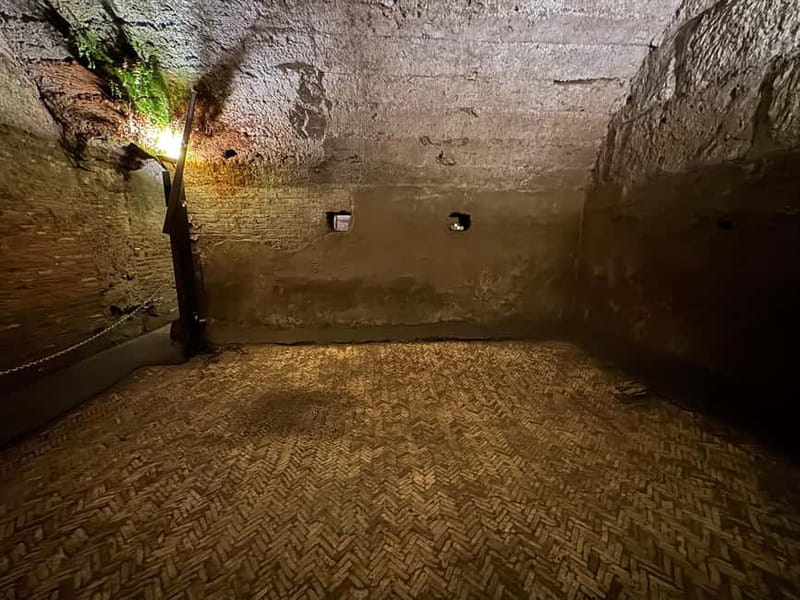
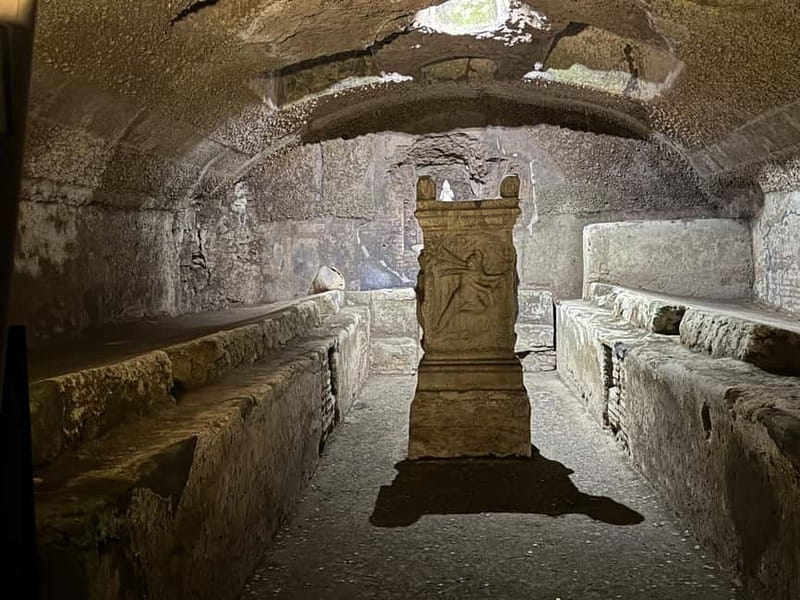
At the lowest level, you reach a 1st-century Roman house and a Mithraeum, a temple linked to the ancient cult of Mithras. This is the most unusual part of the route because it introduces a form of private pagan worship that existed before the later church layers.
The Mithraeum was used for secret rites associated with Mithras. You should not expect a large temple with towering columns. The appeal is the enclosed setting and the chance to see how a small religious space occupied the same ground later used by Christian communities.
This part also puts Rome’s religious change into perspective. The city was not built around one faith from the beginning. Roman homes, pagan cults, and Christian churches all left marks beneath the same streets.
I would allow extra attention here if the audio option is available to you. A short visit can feel too quick if you simply walk through. The audio guide is offered in English, Italian, Spanish, French, and German, so you can listen in your strongest language and take the information at your own pace.
Private guide or audio tour?
The private guided tour is the stronger choice if you want the whole route. It includes San Pietro in Vincoli, the Ludus Magnus, and the three underground levels at San Clemente, with an English-speaking private guide. Live guides may also be available in Spanish, Italian, or French, depending on the option and availability shown at booking.
A private guide also helps with the visual problem at the Ludus Magnus. The ruins need interpretation, and a guide can connect them to the nearby Colosseum. At San Clemente, a guide can keep the three layers from blending into one confusing series of old walls.
The audio tour is more focused. It includes entry to San Clemente and access to its three underground levels, but it does not include the full walking route to San Pietro in Vincoli and the Ludus Magnus. Choose it if you want independence and already have other plans around the Colosseum.
The phone audio received particularly strong praise for its clarity and for giving the site more substance than its modest entrance might suggest. It is also a good way to avoid a rushed group schedule. Bring your own headphones. They are recommended for sound quality, and you will get more from the narration in the quiet underground rooms.
Timing, walking, and practical comfort
The total experience may last from about one hour to two and a half hours, depending on the option and starting time. The guided route includes short walks between sites, with the longest attention reserved for San Clemente.
No transport is provided between stops. You should be comfortable walking through the streets near the Colosseum and handling stairs inside the underground areas. Wear shoes with good grip, since floors may be uneven and the route includes several levels.
Large bags, luggage, pets, and smoking are not allowed. Non-folding wheelchairs, walking frames, and electric wheelchairs are also not permitted. The experience is not wheelchair accessible because of stairs and uneven surfaces.
The churches require smart casual clothing with shoulders and knees covered for both men and women. This is not a minor suggestion. Bring a light layer or plan your clothing accordingly, especially if you are visiting Rome in hot weather.
The sites operate in all weather, but the underground portions may feel different from the streets above. Dress for the walk between stops and wear shoes you can manage for the full route.
Who will get the most from this experience?
I would recommend the guided option to first-time Rome visitors who want a short historical route near the Colosseum but do not want another large museum. It suits people who enjoy archaeology, religious history, sculpture, and the way different periods overlap.
It is also a good fit for repeat visitors. If you have already seen the Colosseum, Forum, and Pantheon, San Clemente offers a less familiar side of Rome. The Mithraeum and buried Roman house give the visit a different focus from the usual imperial monuments.
Families with older children may enjoy the idea of moving backward through time, though the dark underground spaces and stairs may not suit everyone. The route is not designed for people who need step-free access.
The audio option suits independent visitors, couples, and anyone trying to fit San Clemente into a tight schedule. The private tour makes more sense if you want the full sequence and value personal explanation over complete flexibility.
Is this Rome underground tour worth $31?
At $31, the guided version offers good value if you plan to visit all three locations. You are paying not only for entry but also for a private guide and a route that links sites many people see separately, if they see them at all.
The audio version has a narrower scope, so judge its value by your interest in San Clemente. If you want a self-paced visit to all three underground levels, the price is reasonable. If you expected the audio option to include San Pietro in Vincoli and the Ludus Magnus, it may disappoint.
The experience earns its place on a Rome schedule because it is short, central, and different from the standard ancient monuments. The main caution is that the underground portions are not suitable for every body, and the walking route requires comfortable shoes.
Should you book it?
Book the private guided tour if you want the complete story, help understanding the ruins, and a simple route close to the Colosseum. The mix of Moses, gladiator archaeology, buried churches, and the Mithraeum gives you plenty of variety for the price.
Choose the audio tour if San Clemente is your priority and you prefer to move at your own pace. Bring a newer smartphone and headphones, and check the option details before booking.
Skip it if stairs, uneven surfaces, or strict church clothing rules will create problems. For everyone else, this is a smart way to spend one to two and a half hours beneath Rome, where the city’s past is stacked under your feet.
FAQ
How long does the experience last?
The stated duration is between one hour and two and a half hours, depending on the option selected and the available starting time.
What sites are included in the private guided tour?
The private guided tour includes San Pietro in Vincoli, the Ludus Magnus, and the Basilica of San Clemente with its three underground levels.
What can I see at San Pietro in Vincoli?
You can see Michelangelo’s Moses and the two sets of chains traditionally associated with St. Peter.
What is the Ludus Magnus?
The Ludus Magnus was an ancient gladiator training complex near the Colosseum. The tour visits its surviving ruins.
How many underground levels does San Clemente have?
The visit includes three underground levels: a 4th-century church, a 1st-century Roman house, and a Mithraeum beneath the upper basilica.
Is an audio guide available?
Yes. The audio guide is available in English, Italian, Spanish, French, and German. It is provided through an app, and headphones are recommended.
Is the tour wheelchair accessible?
No. The experience is not wheelchair accessible because of stairs and uneven surfaces in the underground areas.
What should I wear and bring?
Wear comfortable shoes and bring a passport or identity card. Shoulders and knees must be covered to enter the churches, and large bags or luggage are not allowed.
Just added around Rome
- St. Peter’s Basilica Full Guided Tour with Vatican Grottoes★ 4.6 · 286 reviews
- Rome: St Peter’s Basilica Express Tour & Grottoes★ 4.3 · 126 reviews
- St. Peter’s Basilica and Vatican Grottoes Tour★ 4.9 · 120 reviews
- Rome: Appian Way, Aqueducts, & Catacombs E-Bike Guided Tour★ 4.9 · 54 reviews
- Rome: Underground Trastevere Guided Walking Tour★ 4.8 · 87 reviews
- Rome: Tour of St. Clement’s Basilica Underground Temples★ 4.8 · 242 reviews
- Rome: Trevi Fountain Underground Small Group Tour★ 4.4 · 47 reviews
- Rome: St. Peter’s Basilica Tour with Vatican Grottoes★ 4.5 · 314 reviews
Rome Cave Tours, compared.
Colosseum: Underground and Ancient Rome Tour
Read our review →
Rome: Capuchin Crypts and Catacombs Tour with Transfers
Read our review →
Expert Guided Tour of Colosseum Arena OR Underground, and Forum
Read our review →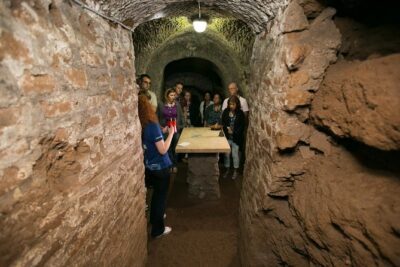
The Original Roman Crypts and Catacombs Tour with Transfers
Read our review →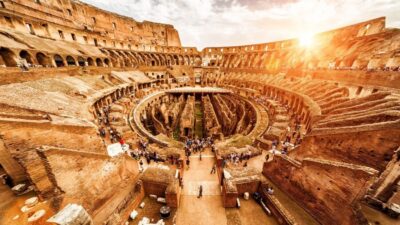
Rome: Colosseum Underground Small Group Guided Tour
Read our review →
Rome: St. Peter’s Basilica, Dome Climb, and Underground Tour
Read our review →
Rome: Colosseum Underground, Arena & Forum Tour
Read our review →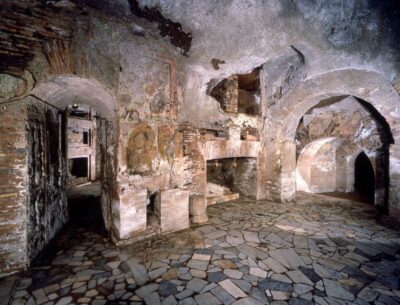
Rome: Catacombs of St. Callixtus Entry Ticket & Guided Tour
Read our review →Browse the lists this tour appears in