
REVIEW · ROME
Rome: Colosseum Underground and Arena Tour
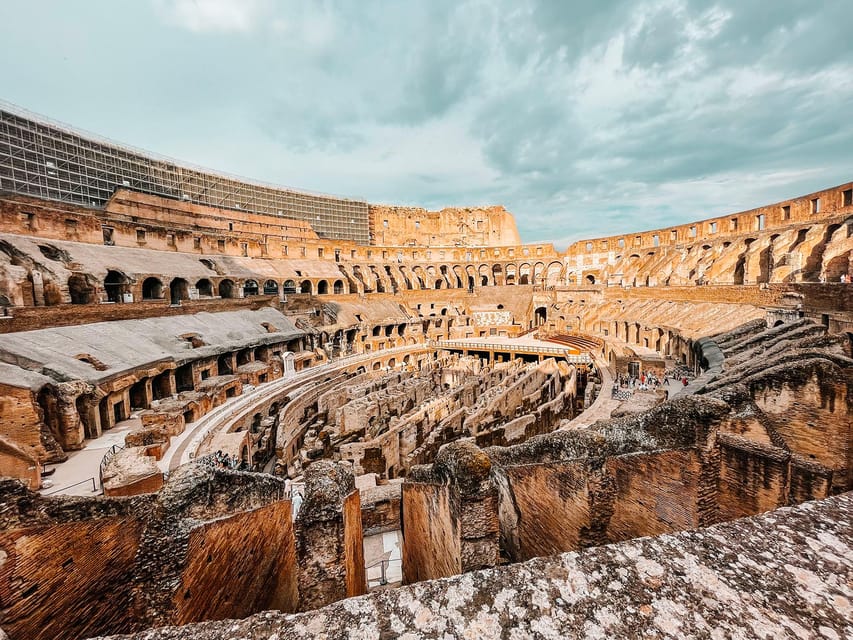
The most unusual part of this Rome tour is the Colosseum’s Hypogeum, the shadowy lower level where gladiators, animals, equipment, and stage machinery once waited beneath the arena. You also walk onto the arena floor, then visit the Roman Forum and Palatine Hill with an English-speaking guide.
I like the small groups, capped at eight, and the chance to see areas that a standard Colosseum ticket does not cover. I also like the practical headsets, which let you hear guides such as Sara, Claudia, Virginia, or Giorgio without standing shoulder to shoulder around them. The main drawback is pace: with so much ground to cover in 2.5 hours, the Forum and underground area may feel rushed.
Key points to know before booking
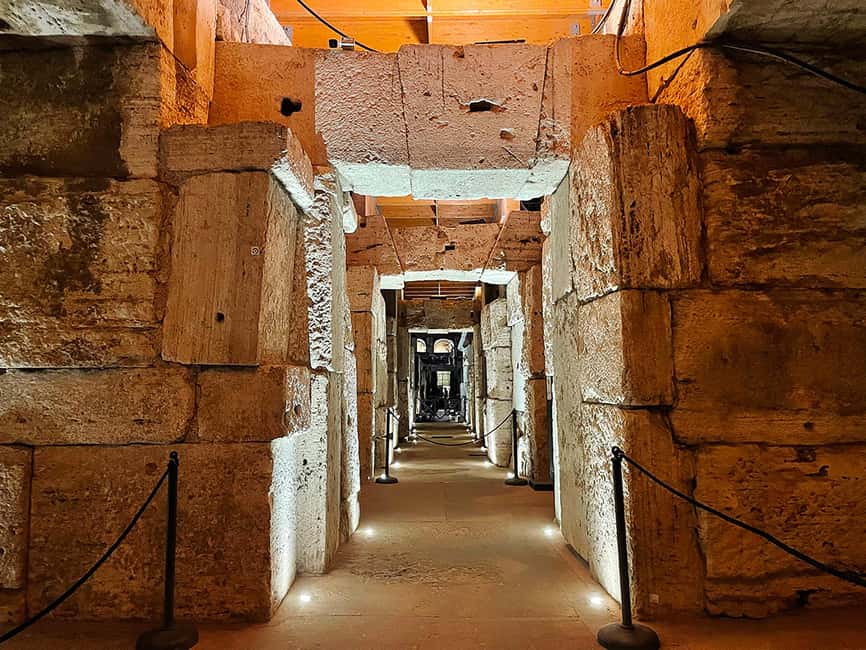
- The underground level is the main reason to book: See the Hypogeum corridors, animal cages, drainage system, ancient floor fragments, and reconstructed lifting equipment.
- The arena floor gives you the best sense of scale: Look up at the Colosseum from the place where public spectacles unfolded.
- The Forum and Palatine Hill are included: You get more than a single-monument visit, though time at both areas is limited.
- Small groups make a real difference: The maximum of eight people helps you hear the guide and ask questions.
- English is the planned tour language: Access arrangements inside the Colosseum can occasionally affect which guide accompanies you underground.
- Bring the exact ID used for booking: Passports or identity cards are required at security, and wheelchair users cannot take this tour.
Why the Colosseum underground is worth the higher price
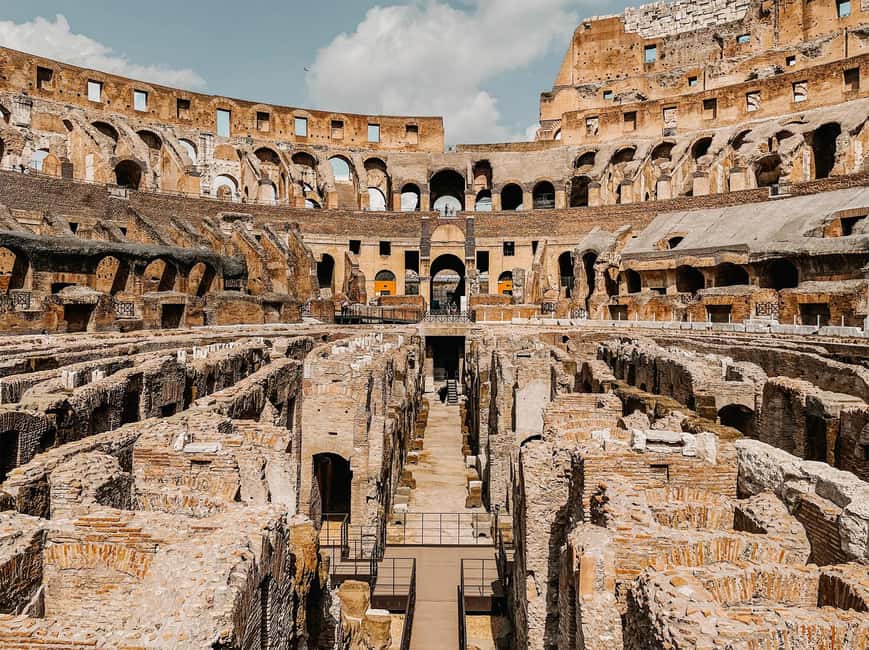
A regular Colosseum visit shows you the grand shell, seating levels, and arena remains. This tour adds the working parts beneath the show. That changes how you read the monument.
The Hypogeum was not a dungeon in the modern prison sense. It was a service area beneath the arena, built with corridors, rooms, lifts, trapdoors, and holding spaces. Gladiators and animals could be kept out of sight until the moment they appeared above. Once you see those mechanisms, the Colosseum feels less like a ruin and more like a huge, carefully managed theater.
At $94 per person, this is not the cheapest way to enter the Colosseum. You are paying for restricted access, a guide, a small group, headsets, and help with a difficult-to-secure ticket category. The price makes the most sense if the underground level is high on your Rome wish list, or if you prefer a guided visit over trying to piece the monument together alone.
The value is less clear if you mainly want time for photographs or quiet wandering. This is a structured tour, and the guide keeps the group moving so it can reach timed access points. You gain explanation and access, but give up some freedom.
A few more cave trips around Rome worth a look
- Colosseum: Underground and Ancient Rome Tour
★ 4.7 · 12,691 reviews - Rome: Capuchin Crypts and Catacombs Tour with Transfers
★ 4.6 · 6,456 reviews - Expert Guided Tour of Colosseum Arena OR Underground, and Forum
★ 4.5 · 5,041 reviews
Meeting at Largo della Salara Vecchia
The meeting point is at Largo della Salara Vecchia, by the Roman Forum entrance and near the ticket counters. Look to the left side, under the tree, for a guide carrying the GetYourGuide logo.
Give yourself enough time to locate the spot. The address is specific, but the Forum area can be confusing, especially when crowds are moving in several directions. One useful improvement would be clearer signage at the meeting place, so do not arrive at the last moment.
The tour finishes at Piazza del Colosseo. That makes it easy to continue sightseeing around the Colosseum afterward, though you should avoid booking a tight appointment immediately after the tour. Access times can change, and one tour time was delayed by an hour in a reported case. Public events, political events, or an unexpected closure can also alter the start time or meeting point.
Roman Forum: a fast introduction to ancient Rome
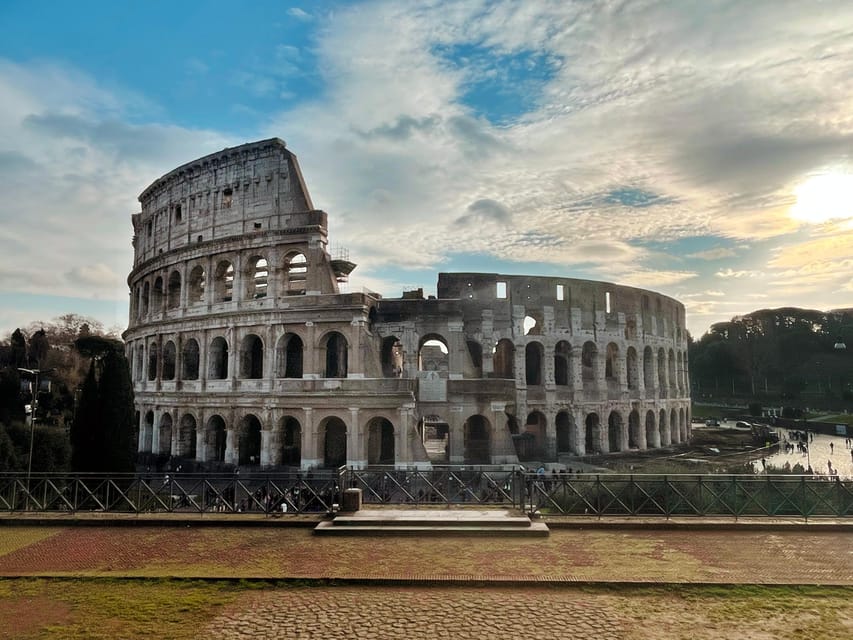
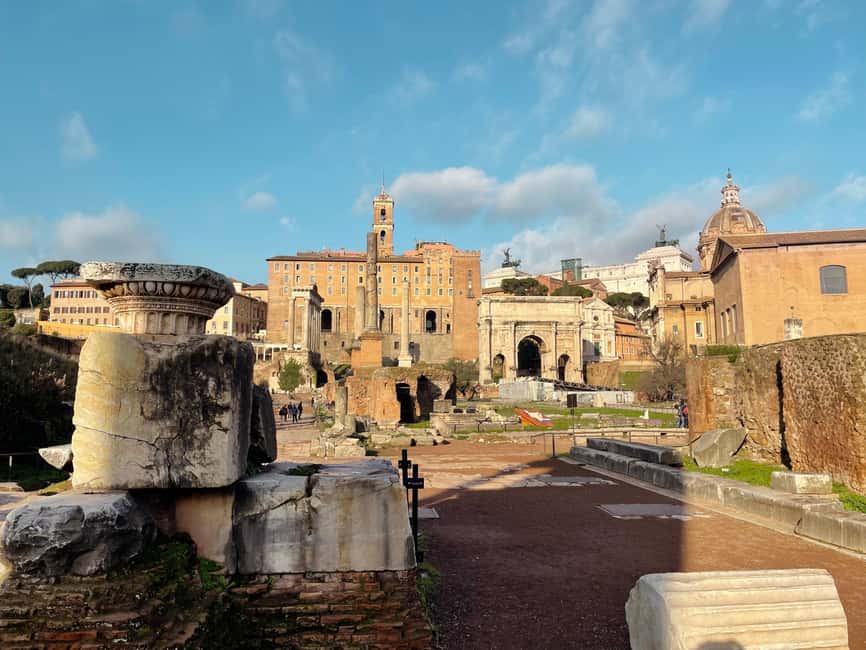
The first guided portion lasts about 30 minutes in the Roman Forum. This valley between the Capitoline and Palatine hills was the center of public, political, religious, and commercial life in ancient Rome.
You will see a scatter of temples, arches, basilicas, columns, and roads rather than one intact building. That can be hard to read without help. A good guide gives you the missing shapes and explains how the separate ruins fitted together.
The Forum section is useful context for the Colosseum. The amphitheater was not an isolated attraction. It belonged to a city built around public ceremony, military power, religion, and entertainment. Understanding that setting makes the later Colosseum visit more meaningful.
The limitation is time. Thirty minutes is enough for an introduction and key sights, but not for a leisurely look at every corner. If you want to study the Forum in detail, plan to return on your own if your ticket and schedule allow. The tour is better for orientation than for a slow archaeological visit.
Palatine Hill: views and the story of imperial Rome
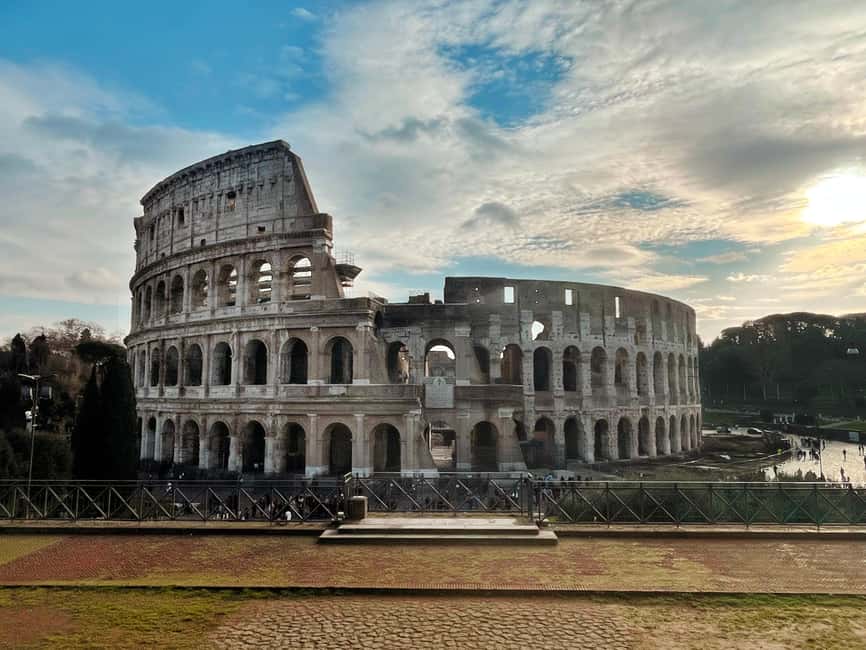
Next comes roughly 30 minutes on Palatine Hill, followed by a 15-minute photo stop. The hill is linked with Rome’s foundation stories and later became a favored area for imperial residences.
The higher ground gives you a different view of the Forum and the surrounding ruins. This is one of the places where a guide’s visual aids can help. Claudia, for example, used images to show how the Palatine, Forum, and Colosseum changed through time. That kind of comparison helps you picture marble buildings where only fragments remain.
The photo stop is welcome, especially because the Colosseum portion is tightly timed. You can take in the scale of the archaeological area, but do not expect a long break. The walking surface can be uneven, and the combined Forum, Palatine, and Colosseum route asks you to stay on your feet for most of the visit.
For families, this portion depends heavily on the guide. Guides such as Virginia and Daniela have been praised for keeping children involved, while other guides use humor, stories, and questions to prevent the ancient stones from becoming a blur. The small group also helps the guide adjust the explanation to the people present.
Same corner of the map, a different way in:
- The Original Roman Crypts and Catacombs Tour with Transfers
★ 4.5 · 4,896 reviews - Rome: Colosseum Underground Small Group Guided Tour
★ 4.7 · 4,844 reviews - Rome: St. Peter’s Basilica, Dome Climb, and Underground Tour
★ 4.8 · 3,404 reviews - Rome: Colosseum Underground, Arena & Forum Tour
★ 4.7 · 3,272 reviews
Entering the Colosseum’s Hypogeum
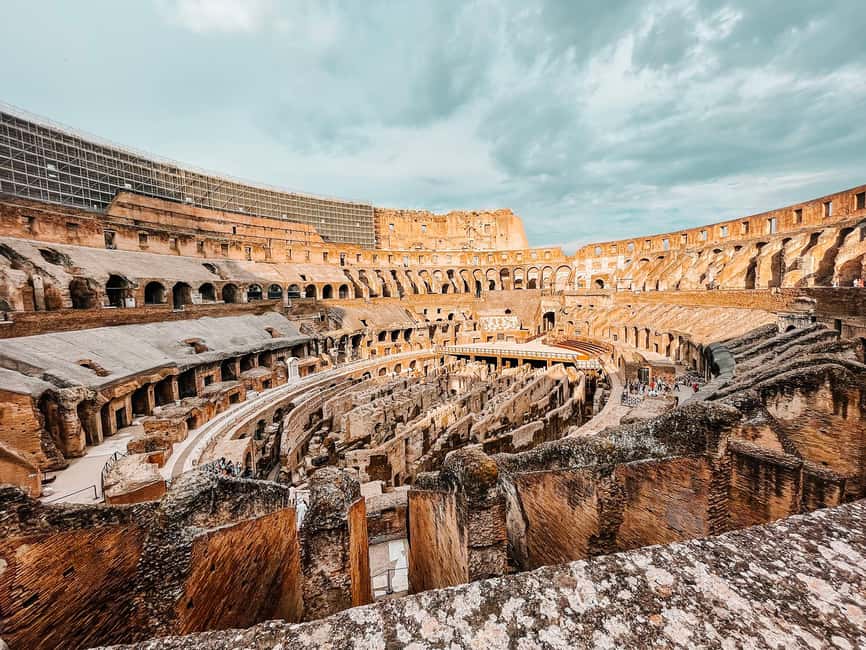
The underground visit lasts about 20 minutes, which is the tour’s most important time block. You descend into the Hypogeum, where narrow corridors and large travertine blocks form a darker, more enclosed world than the open upper levels.
Look for the fragments of the original arena floor and the old drainage system. You will also see the rooms associated with gladiators and the spaces used for animals. The point is not simply to stand beneath the monument. It is to understand how its spectacles were prepared and controlled.
A reconstructed ancient elevator shows how animals or performers could be raised toward the arena through trapdoors. The machinery required planning, labor, and timing. The underground level reveals the Roman talent for turning engineering into public theater.
This is also the area where you need to keep expectations realistic. The Hypogeum is restricted, but the visit is not an extended private exploration. You follow a set route, and access can be controlled by Colosseum staff. The underground section may feel short, particularly if you want to stop at every corridor and listen to every detail.
There is another practical issue. Although the tour is sold with English guiding, the Colosseum can sometimes assign a separate guide or control who may speak in a restricted area. One group received an Italian-only explanation underground when its main guide could not accompany it. This is not the normal plan, but it is a real possibility to keep in mind.
Standing on the arena floor
After the Hypogeum, you move to the arena floor, a central sand-covered wooden platform. The word arena comes from the Latin word for sand, a small detail that makes the familiar term feel more concrete.
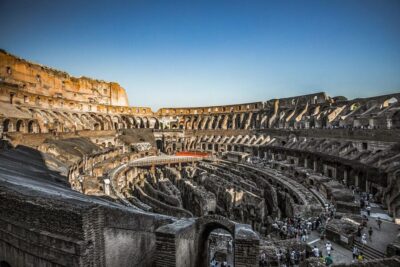
From here, look upward. The Colosseum’s tiers rise around you, and the structure feels more like a vast bowl than a distant stone facade. You can picture the relationship between the arena, the crowd, and the hidden machinery beneath your feet.
This position is also good for photographs. Your view is not the same as the view from the terraces, and the low angle shows the monument’s height. Guides often use this moment to explain the games, the roles of gladiators, the movement of animals, and the way the arena operated.
The arena floor is powerful because it connects the physical remains with human activity. At the same time, you should not expect an empty set. Other groups and staff may be present, and the time on the platform is limited to keep the tour on schedule.
First and second tiers: the best broad views
The tour continues to the first and second tiers of the Colosseum. From these levels, you can see the building’s shape more clearly and take panoramic photographs across the arena and its exposed underground structure.
The change from underground corridor to upper terrace is striking. Below, you are focused on machinery, animals, and hidden labor. Above, you see the public face of the amphitheater and the way thousands of spectators would have encountered the games.
This is where the headsets earn their keep. The guide can continue speaking while the group spreads slightly for views and photographs. Visitors repeatedly praise the audio system because it prevents the usual problem of losing the explanation in a crowd.
Expect stories about the Colosseum’s construction, its spectacles, seating arrangements, and common misconceptions about ancient audiences. Sara, Giorgio, Paola, Massimo, and Sylvia are among the guides praised for making these details lively rather than dry. The quality of the visit depends in part on who leads your group, but the overall format gives the guide room to answer questions.
How the small group changes the experience
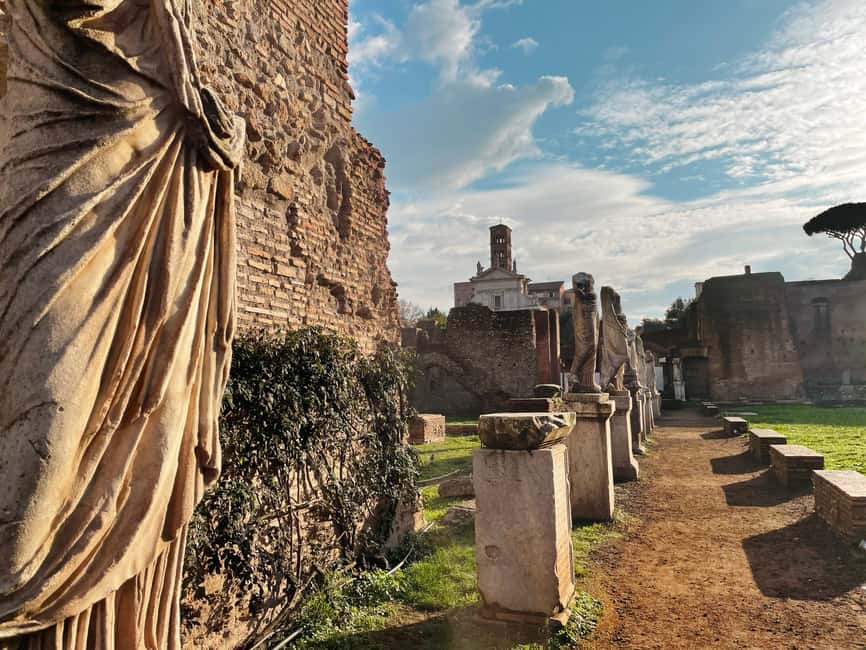
The maximum group size is eight people. That is a meaningful advantage at a site where large groups can gather around a single guide.
You can usually hear the explanation without pressing close, and it is easier to ask a question without stopping a crowd. The guide can also remember names, help with photographs, and adjust the pace when needed. Giorgio was praised for maintaining a comfortable rhythm, while Gill adapted explanations and stops for a family traveling with toddlers.
Small does not mean private. You are still joining other people, and the itinerary remains fixed. But eight is small enough to feel personal and large enough to keep the price below that of a private tour.
The guides are the strongest part of the experience. The best ones combine facts with stories, use pictures to reconstruct lost buildings, and correct mistaken ideas without turning the visit into a lecture. Several guides have been praised for warmth, humor, and strong English. That matters at a site where the ruins alone cannot explain themselves.
Timing, walking, and practical limits
The full visit lasts 2.5 hours. The planned breakdown is approximately:
- Roman Forum: 30 minutes
- Palatine Hill: 30 minutes
- Palatine Hill photo stop: 15 minutes
- Colosseum underground: 20 minutes
- Arena floor: 20 minutes
- Remaining time: meeting, security, movement, and transitions
That is a lot for one morning or afternoon. You will cover historic streets, open archaeological ground, stairs, terraces, and restricted passages. Wear practical shoes and bring water, though the supplied information does not specify any equipment beyond headsets.
The tour is not suitable for wheelchair users. Bring the passport or identity card used when booking. The names on the reservation must match the documents, and security staff may request them.
If you book more than one place separately, do not assume everyone will be placed in the same group. To stay together, include all members in one reservation. Also leave space in your day after the tour. Official access times can change, and the Colosseum may close or alter entry arrangements for public events or other unexpected reasons.
Free cancellation is available up to three days before the tour for a full refund. Check the available start times before paying, especially if you have a train, museum reservation, or evening performance planned.
Who will get the most from this tour?
I would choose this experience if you are visiting Rome for the first time and want the Colosseum explained as part of the ancient city, not as a stand-alone photo stop. It works especially well for families, older visitors who want help with the route, and anyone who failed to obtain official underground tickets.
It is also a strong choice for people who enjoy engineering and behind-the-scenes details. The lift reconstruction, trapdoors, drainage, cages, and service corridors give you something more specific than the usual story about gladiators.
You may prefer another format if you want a slow, self-guided visit or a long session in the Forum. The Forum and Palatine Hill are included, but the schedule gives you an introduction rather than unlimited time. The underground section is special, yet brief.
The English-language caveat matters too. Most of the tour is designed around an English-speaking guide, but restricted-area staffing is controlled by the Colosseum. If a fully English explanation in every section is essential, understand that the underground portion may occasionally be handled differently.
Should you book the Colosseum Underground and Arena Tour?
At $94, I think this tour is worth considering for the underground access and small group, not simply for entry to the Colosseum. The Hypogeum, arena floor, Forum, and Palatine Hill make a strong package, and a skilled guide can turn scattered ruins into a clear story.
Book it if you want a guided overview, value easier access to the restricted areas, and accept a brisk pace. Skip it if you would rather spend several hours wandering the Forum alone or if you dislike fixed schedules.
Reserve early if the underground level is a must-see. It has limited access, and official tickets can disappear quickly. Bring matching identification, arrive early at Largo della Salara Vecchia, and keep your afternoon flexible. Those small steps will help you enjoy the big ones.
FAQ
How long does the Colosseum Underground and Arena Tour last?
The tour lasts 2.5 hours.
What language is the tour conducted in?
The advertised tour language is English. Access arrangements inside the restricted underground area can occasionally affect which guide accompanies the group.
What areas are included?
The tour includes the Roman Forum, Palatine Hill, the Colosseum underground level, the arena floor, and the first and second tiers of the Colosseum.
Does the tour include the Roman Forum?
Yes. The Roman Forum portion includes a guided visit of about 30 minutes.
Does the tour include Palatine Hill?
Yes. The itinerary includes about 30 minutes of guided touring on Palatine Hill and a 15-minute photo stop.
What can I see underground?
You can see narrow Hypogeum corridors, original arena-floor fragments, the drainage system, rooms used by gladiators, animal cages, and a reconstruction of an ancient lift system.
Is the arena floor included?
Yes. VIP entry to the Colosseum arena floor is included.
How large is the group?
The group is limited to eight participants.
Where is the meeting point?
Meet at Largo della Salara Vecchia, near the Roman Forum ticket counters, on the left side under the tree. The guide carries the GetYourGuide logo.
What identification should I bring?
Bring the passport or identity card used for the booking. The names on the reservation must match the documents used at security.
Can wheelchair users take this tour?
No. The experience is not suitable for wheelchair users.
What is the cancellation policy?
You can cancel up to three days in advance for a full refund.
Just added around Rome
- Rome: Colosseum Underground and Arena Floor Tour★ 4.4 · 59 reviews
- Rome: Exclusive Colosseum Underground and Roman Forum Tour★ 4.8 · 569 reviews
- Catacombs of Saint Agnes Entry Ticket & Guided Tour★ 4.5 · 72 reviews
- From Rome: Capri Guided Day Trip with Blue Grotto★ 4.2 · 199 reviews
- Rome: Appian Way, Catacombs & Aqueducts by eBike + Transfer★ 4.9 · 421 reviews
- Hidden Gems & Rome Catacomb Semi Private Tour by golf cart★ 5.0 · 114 reviews
- Private Guided Tour of Colosseum Underground OR Arena and Forum★ 5.0 · 111 reviews
- Private Tour of Catacombs and Ancient Appian Way (hotel pick up)★ 4.5 · 120 reviews
Rome Cave Tours, compared.
Colosseum: Underground and Ancient Rome Tour
Read our review →
Rome: Capuchin Crypts and Catacombs Tour with Transfers
Read our review →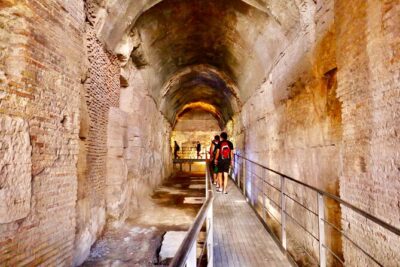
Expert Guided Tour of Colosseum Arena OR Underground, and Forum
Read our review →
The Original Roman Crypts and Catacombs Tour with Transfers
Read our review →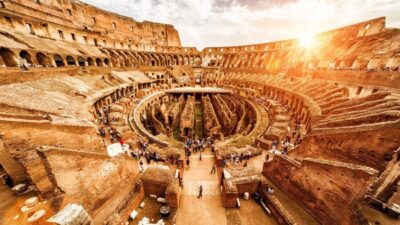
Rome: Colosseum Underground Small Group Guided Tour
Read our review →
Rome: St. Peter’s Basilica, Dome Climb, and Underground Tour
Read our review →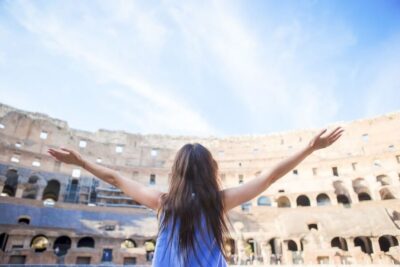
Rome: Colosseum Underground, Arena & Forum Tour
Read our review →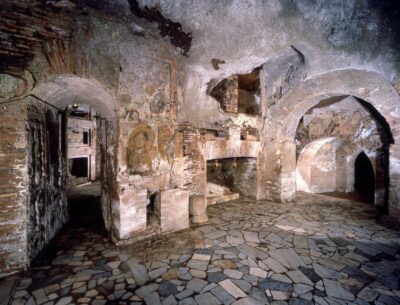
Rome: Catacombs of St. Callixtus Entry Ticket & Guided Tour
Read our review →Browse the lists this tour appears in