REVIEW · CAVE TOURS
Makkah: Jabal Al-Nour, Cave Hira, and Mount Arafat Tour
The most meaningful part of this Makkah tour is the way it connects the sacred mountains with the Hajj route. You move from Jabal Al-Nour and the first revelation to Arafat, Muzdalifah, and Mina, the places that give the pilgrimage its physical shape. Mohammed Alharbi guides in English and Arabic, using Qur’anic verses, hadith, and local stories to explain what you are seeing.
I like the private format, which gives your group room to ask questions and set a comfortable pace. I also like the practical touches: hotel pickup, bottled water, juice, and a guide who keeps in touch when traffic makes meeting difficult. The main caution is that this is a four-hour tour with several major sites, so you should not expect long walks or extended time at every stop. Mobility can also be an issue, and the experience is not suitable for people with mobility impairments.
Key points to know before booking
- Jabal Al-Nour and Cave Hira: Learn about the place associated with the first revelation and the story of Prophet Muhammad (PBUH).
- Arafat, Muzdalifah, and Mina: Follow the main geographic sequence of the Hajj journey in one outing.
- Cave Thawr: Hear how the Prophet Muhammad (PBUH) and Abu Bakr (RA) sought refuge during the migration to Madinah.
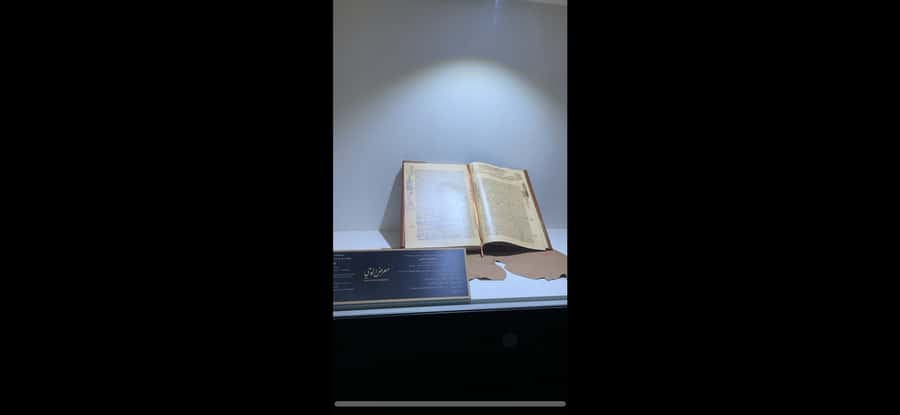
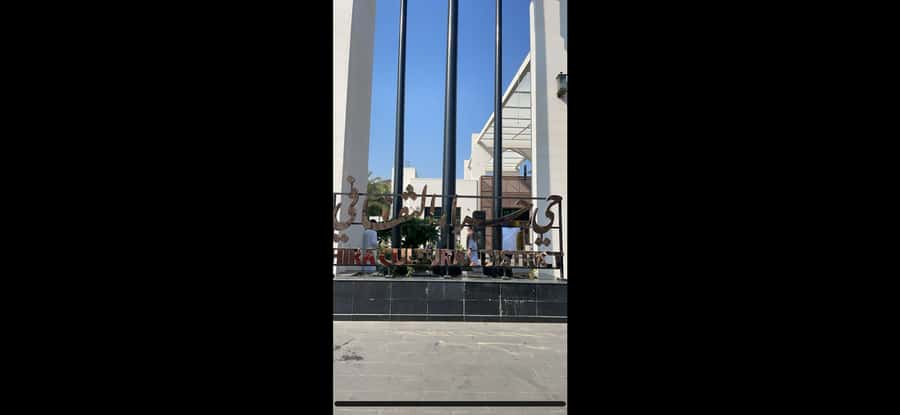
- Hira Cultural Museum: Add exhibits and displays to the outdoor religious sites for a fuller picture of Makkah.
- Mohammed Alharbi as guide: Expect clear English and Arabic explanations, patient pacing, and frequent historical context.
- Private four-hour transport: Pickup and drop-off are included, but traffic near Alharam can affect the meeting point and timing.
Why this tour helps you understand Makkah
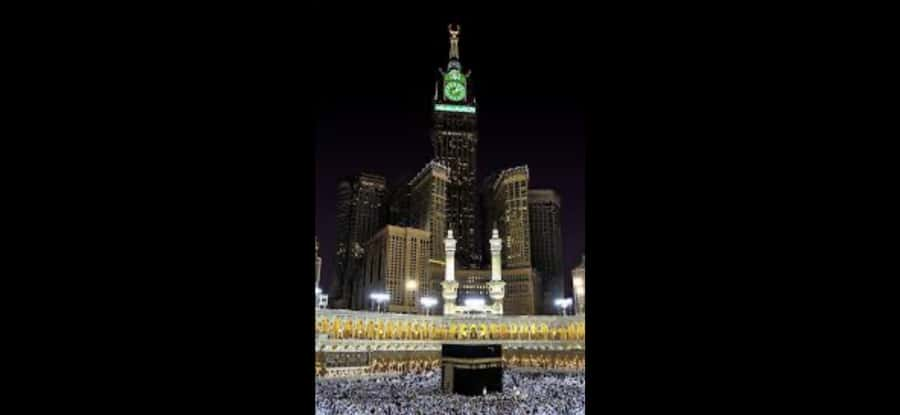
Makkah can be difficult to read from a car window. You see steep rock, wide roads, pilgrimage facilities, and modern construction, but the meaning of each place is not always obvious. This tour gives you the connecting story.
Instead of treating Arafat, Muzdalifah, Mina, Hira, and Thawr as isolated stops, Mohammed Alharbi places them within the life of Prophet Muhammad (PBUH) and the rituals of Hajj. That matters because the sites are spread across the Makkah area, and their importance is often easier to grasp once you understand how they relate to one another.
The tour is also useful if you have limited time in the city. A private vehicle removes the need to arrange separate transport between distant locations. You can focus on listening, asking questions, and looking carefully at the places outside the car.
The experience is religious in purpose, not a general city sightseeing trip. You should arrive ready for Islamic history, spiritual reflection, and explanations connected to Qur’an and hadith. It suits visitors who want context rather than a quick photo stop.
A few more cave trips around the world worth a look
- Chichen Itza, Cenote, and Valladolid Tour
★ 5.0 · 24,293 reviews - Naples: Naples Underground Entry Ticket and Guided Tour
★ 4.4 · 21,781 reviews - Chichen Itza, Cenote & Valladolid Tour with Tequila and Lunch
★ 4.5 · 15,789 reviews
Jabal Al-Nour and the story of Cave Hira
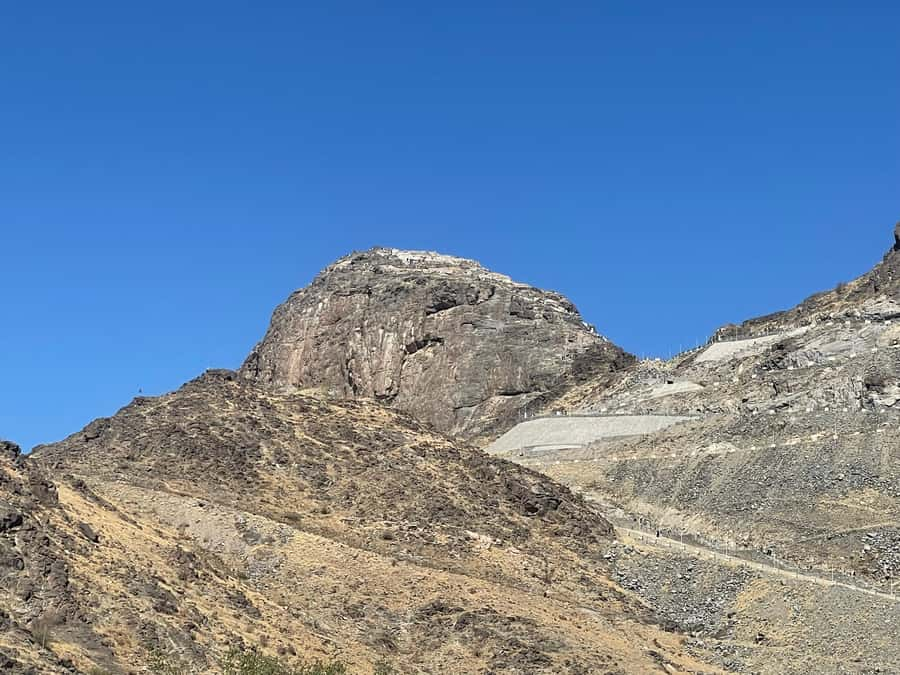
Jabal Al-Nour is the mountain associated with Cave Hira, where the first revelation was sent to Prophet Muhammad (PBUH). For many visitors, this is the emotional center of the outing.
The mountain itself is steep and rocky, and the activity information specifically says the tour is not suitable for people with mobility impairments. You should bring comfortable shoes, but do not assume that a full climb to the cave is included in the four-hour plan. The tour description focuses on visiting and explaining the site, while the time also has to cover the Hajj locations, Cave Thawr, and the museum.
That distinction is important. If you are hoping to hike up Jabal Al-Nour, ask about the exact plan before booking. A mountain visit and a strenuous ascent are not the same thing.
The value here comes from the guide’s storytelling. Mohammed has been praised for linking each location with relevant Qur’anic verses and hadith, rather than giving only dates and names. That approach helps you understand why Hira matters to Muslims and why the site has such a strong place in the story of Islam.
The area can also be hot, exposed, and tiring. Bring sunscreen and a hat, dress modestly with shoulders and knees covered, and carry the water provided. Prayer times may affect the schedule, so allow some flexibility rather than planning another appointment immediately afterward.
Cave Thawr and the migration to Madinah
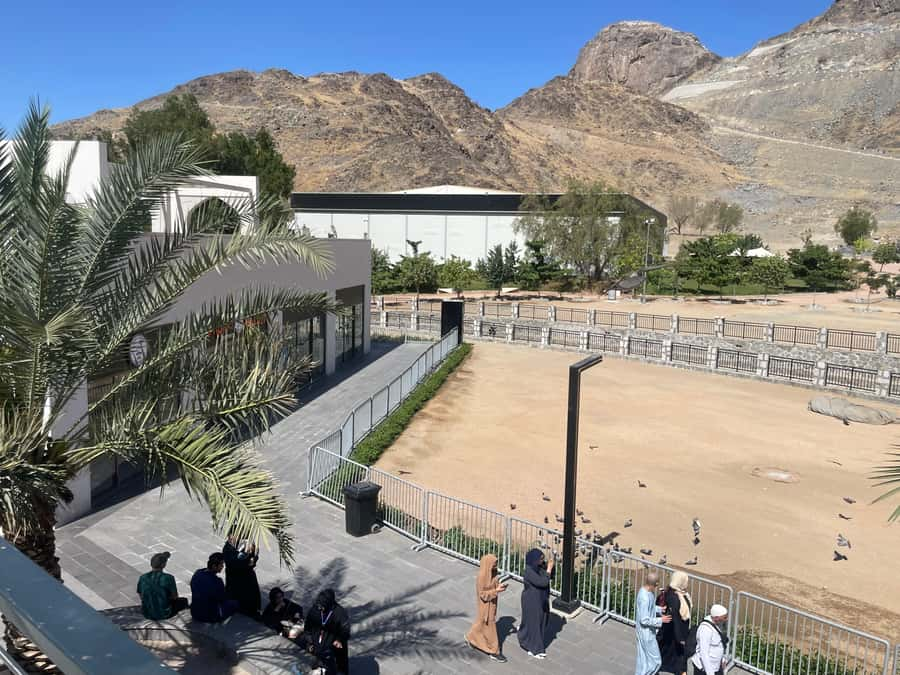
Jabal Thawr brings a different story. Cave Thawr is associated with the time Prophet Muhammad (PBUH) and his companion Abu Bakr (RA) hid from their enemies during the migration to Madinah.
This stop adds an important contrast to Hira. Hira is tied to the beginning of revelation. Thawr is tied to danger, protection, and the journey that changed the course of the early Muslim community. A good guide can make that difference clear, and Mohammed’s explanations are built around the people and events connected with each location.
Again, you should separate seeing the mountain or cave area from climbing into the cave. The supplied information does not promise an ascent, and the four-hour schedule is designed to cover several sites. If walking is difficult, tell the guide before departure so expectations are clear.
For me, the strongest reason to include Thawr is the geographic connection. You are not simply hearing a familiar story indoors. You are seeing the mountain setting linked with it, then comparing that place with Jabal Al-Nour and the Hajj sites. That gives the historical account a stronger sense of place.
Arafat, the heart of the Hajj route
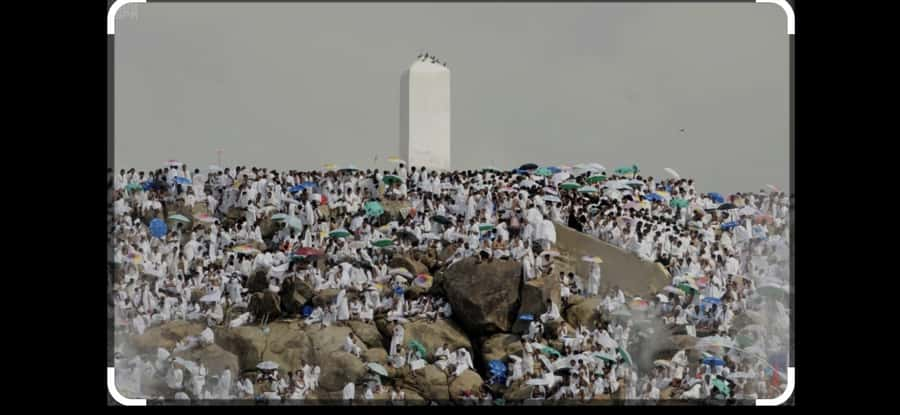
Arafat is the main pilgrimage stop on this outing and the only location specifically listed with a one-hour guided visit in the basic itinerary. It is the site where pilgrims gather for the essential standing ritual of Hajj.
Even outside the Hajj season, the importance of Arafat is clear. The tour gives you a chance to understand why this stop is central rather than simply passing through it in a vehicle. The guide explains its role in the pilgrimage and connects the physical site with the religious duties performed there.
You may find that Arafat feels broad and open compared with the crowded areas around the Grand Mosque. That change in scale helps you picture the huge movement of pilgrims during Hajj. It also makes the stop useful for visitors who have heard the name many times but want to understand its exact place in the pilgrimage.
The one-hour allocation is helpful, but it also shows why this is an overview rather than a slow study of every location. If your priority is Arafat, tell Mohammed at the start. The private group format may allow the pace to be discussed, though traffic and prayer times remain outside the guide’s control.
Same corner of the map, a different way in:
- Colosseum: Underground and Ancient Rome Tour
★ 4.7 · 12,691 reviews - Edinburgh: Underground Vaults Tour
★ 4.6 · 11,758 reviews - Portimão: Benagil Caves Speed Boat Tour with Sunset Option
★ 4.8 · 11,663 reviews - Krakow: Wieliczka Salt Mine Tour with Entry Ticket
★ 4.6 · 10,927 reviews
Muzdalifah and Mina in one continuous story
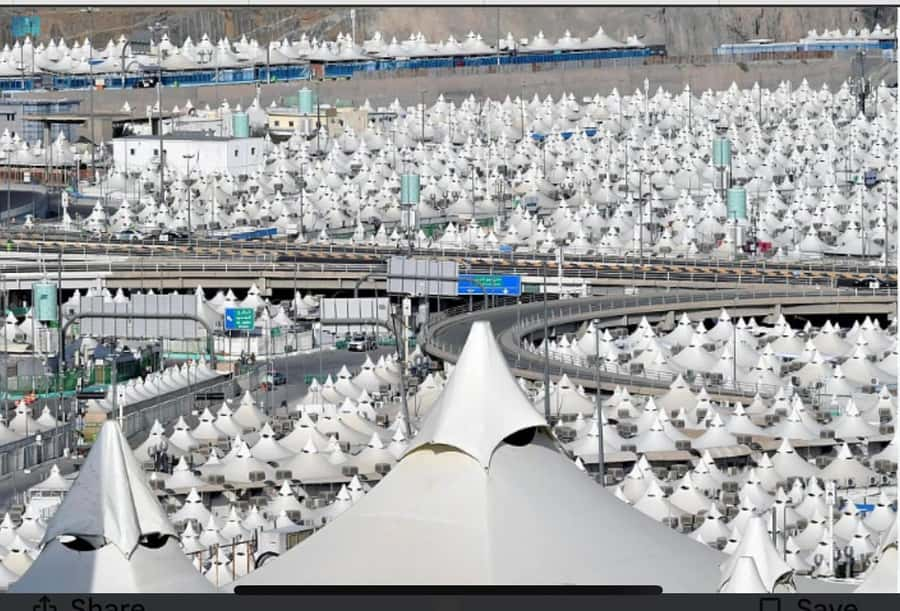
Muzdalifah is presented as the next major point after Arafat, where pilgrims rest before continuing to Mina. Mina is associated with the symbolic stoning of the devil, one of the best-known parts of the Hajj journey.
Seeing these locations in sequence is more useful than learning about them separately. You can follow the order of movement and understand that Hajj is not centered on one building or one square. It is a journey through several places, each with its own ritual role.
The tour gives you the basic framework without requiring you to organize separate transport. That is particularly useful if you are unfamiliar with Makkah Province or are visiting during a short religious stay.
Do not expect the same type of visit at every stop. Some locations are mainly seen and explained from the vehicle or from accessible stopping points, while others may allow more time outside. The available information does not promise a specific amount of walking or a detailed stop at every site, so ask for clarification if one particular location is essential to you.
Hira Cultural Museum and the indoor part of the day
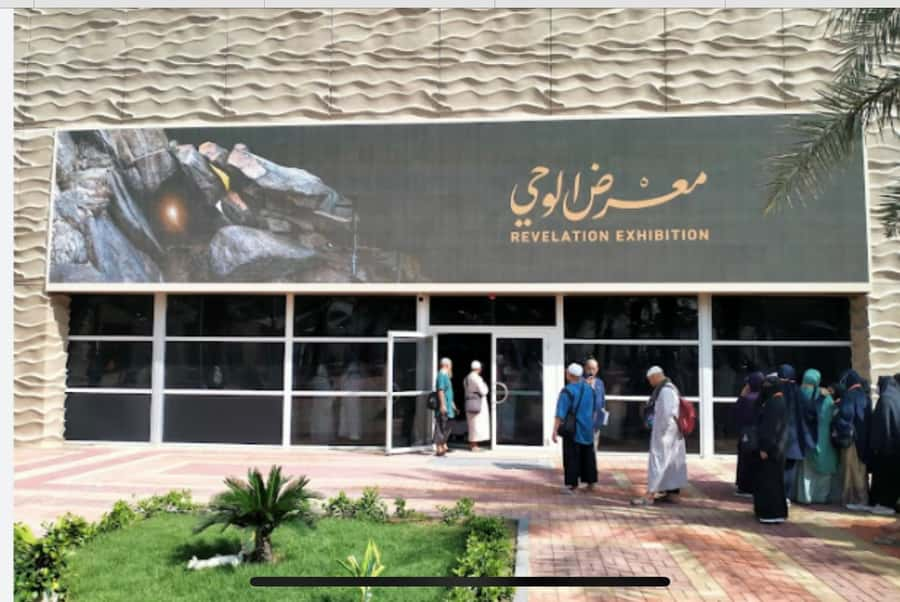
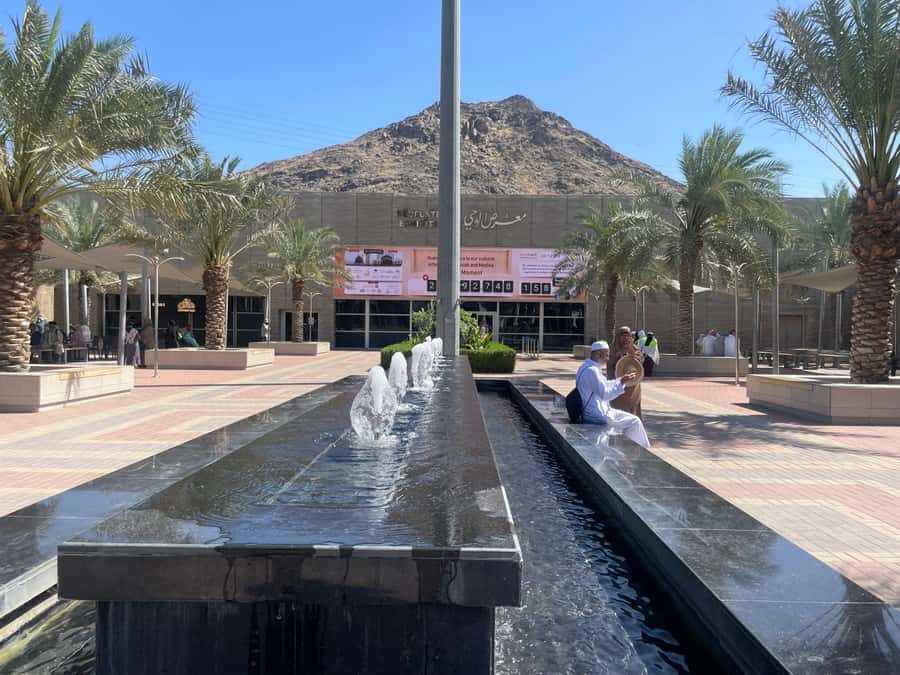
The Hira Cultural Museum adds an indoor, exhibit-based side to the tour. After seeing mountains and pilgrimage sites, you get a more structured way to examine Makkah’s Islamic heritage, artifacts, and religious history.
This is useful for two reasons. First, museum displays can fill in details that are hard to absorb outdoors, especially in heat or around busy roads. Second, the museum gives the tour a better balance. You are not spending all four hours moving between viewpoints and mountain areas.
One especially appealing detail from the tour experience is the visit to the Jabal Hira Visitors Center, where Mohammed has offered Saudi coffee, Sukari dates with tahini sauce, and traditional Arabic seating. This hospitality is not described as a guaranteed part of every booking, so treat it as a possible extra rather than a promised inclusion.
There are also references to exhibitions connected with the Qur’an and revelation, with discounted tickets mentioned in one account. Tickets are listed as not included, so budget for admission if you decide to enter paid exhibitions. Ask Mohammed which museum or exhibition access is included on your date.
What Mohammed Alharbi adds to the outing
The guide can make or break a religious heritage tour. Here, Mohammed Alharbi is the named experience provider, and the strongest pattern in the feedback is his patience, communication, and ability to explain religious material in a clear way.
He guides in English and Arabic. English is described as strong, while Arabic can be used when preferred. He also keeps in touch about pickup, which matters around Alharam because traffic may require a different meeting point.
His style is more personal than a basic transport service. He has used a sound system to play background accounts of important people connected with the sites, and he has provided cold treats on a hot August afternoon. Those details show attention to comfort, though they should not be treated as fixed inclusions.
I especially value the reported flexibility in pacing. Some outings lasted close to five or six hours rather than the stated four, with extra time at stops. That may be welcome if you are engaged and have no later plans. Still, plan around the official four-hour duration and regard any extension as dependent on the day, traffic, and agreement with the guide.
Price, timing, and what you actually receive
At $125 per person, the tour is not the cheapest way to see Makkah from a vehicle. Its value depends on how much you want interpretation and convenience.
The price includes hotel pickup and drop-off, transportation, sightseeing, historical storytelling, a bilingual guide, water, and juice. For a private group, that package can make sense if you are traveling with family or friends and want one vehicle, one guide, and a flexible conversation rather than a large coach format.
The cost does not include meals or tickets. You should also bring a valid photo ID and arrive 15 minutes early. Pickup details may change because of traffic near Alharam, so confirm the exact meeting point rather than waiting at a hotel entrance without checking.
Four hours sounds generous, but the route covers many locations. Traffic, prayer times, and time spent at the museum can all change the rhythm. If you have an appointment, Umrah plans, or a flight later in the day, leave a comfortable buffer.
Free cancellation is available up to 24 hours before the tour for a full refund, and you can reserve now and pay later. Those terms are useful when your Makkah schedule may shift, but you should still check the available starting times before making a tight plan.
Who will get the most from this Makkah tour?
This outing is best for first-time visitors who want a guided introduction to Makkah’s sacred geography. It also suits families, couples, and private groups who prefer to ask questions without keeping up with a large tour party.
You will get the most from it if you enjoy listening to religious stories and want the Qur’anic and historical links explained at each stop. The guide’s patient approach should also suit people who need a measured pace or want explanations in Arabic or English.
It is less suitable if you want a long mountain hike, a purely architectural tour, or a completely free-form day. The route is built around religious landmarks and pilgrimage sites, not shopping, restaurants, or general city attractions.
Bring comfortable shoes, a hat, sunscreen, and modest clothing. Smoking is not allowed. If you have mobility limits, ask detailed questions before reserving, since the activity is specifically marked as unsuitable for people with mobility impairments.
Should you book it?
I would book this tour if you want the major Makkah sites explained by a local guide rather than simply photographed from a car. The combination of Hira, Thawr, Arafat, Muzdalifah, Mina, and the Hira Cultural Museum gives you a useful picture of both early Islamic events and the Hajj route.
The strongest reasons to choose it are Mohammed Alharbi’s patient communication, the private setting, and the use of Qur’anic and hadith references to connect each stop with its meaning. The main reason to hesitate is the packed four-hour schedule and the amount of walking or standing that may be difficult for some people.
Book it when your priority is understanding Makkah. Skip it if you need a relaxed museum-only visit or a serious mountain climb. Before paying, confirm the pickup point, the exact museum access, and how much time your group will spend at Hira and Thawr.
FAQ
How long does the Makkah tour last?
The stated duration is four hours. Some outings may run longer because of traffic, prayer times, or extra time at the sites, so leave flexibility in your schedule.
Which languages does the guide speak?
The live guide speaks English and Arabic. Mohammed Alharbi is described as using clear English and conducting tours in Arabic when needed.
Are hotel pickup and drop-off included?
Yes. Hotel pickup and drop-off are included, although the exact pickup point may need to change because of traffic around Alharam.
Are meals and museum tickets included?
No. Meals and tickets are not included in the price. Water and juice refreshments are included.
Is the tour suitable for people with mobility impairments?
No. The activity is specifically marked as not suitable for people with mobility impairments. Comfortable shoes are recommended.
What should I bring and wear?
Bring comfortable shoes, a hat, a camera, sunscreen, and a valid photo ID. Dress modestly, with your shoulders and knees covered, and arrive 15 minutes before the start time.
Just added around the world
- Hanoi to Ninh Binh 1 day: Trang An – Tam Coc – Mua Cave – Hoa Lu★ 4.5 · 99 reviews
- Trang An grottoes – Bai Dinh Pagoda Day Tours★ 4.5 · 73 reviews
- Ninh Binh Full Day Tour from Hanoi to Hoa Lu, Trang An & Mua Cave★ 5.0 · 31 reviews
- Luxury small Group Hoa Lu – Tam Coc – Mua Cave Max 6 – 8 pax/tour★ 5.0 · 479 reviews
- Halong Islands, Caves, Kayak, Lunch day tour w Dragonfly Cruise★ 5.0 · 159 reviews
- Hanoi – Hoa Lu – Tam Coc – Mua Cave – 1 Day / By Luxury Limousine & Small Group★ 5.0 · 18 reviews
- Ninh Binh Daily Tour: Hoa Lu -Mua Cave -Tam Coc- Bike-Swimming with Sunset Party★ 5.0 · 163 reviews
- Ninh Binh Full Day Tour with Hoa Lu, Trang An and Mua Cave★ 5.0 · 93 reviews
Tours, compared.
Naples: Naples Underground Entry Ticket and Guided Tour
Read our review →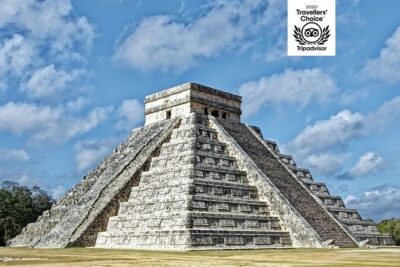
Chichen Itza, Cenote & Valladolid Tour with Tequila and Lunch
Read our review →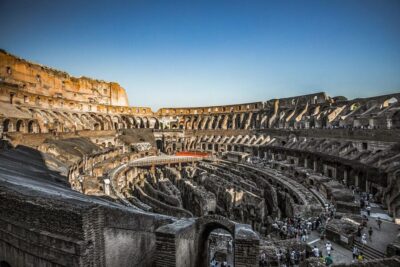
Colosseum: Underground and Ancient Rome Tour
Read our review →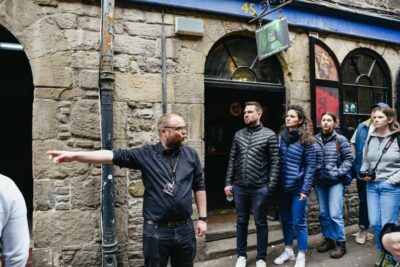
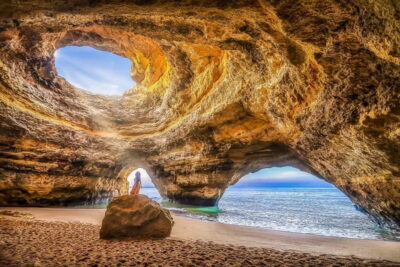
Portimão: Benagil Caves Speed Boat Tour with Sunset Option
Read our review →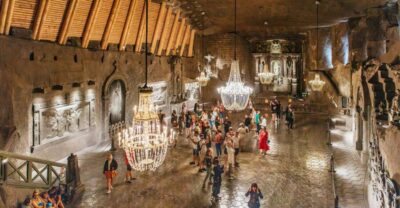
Krakow: Wieliczka Salt Mine Tour with Entry Ticket
Read our review →