
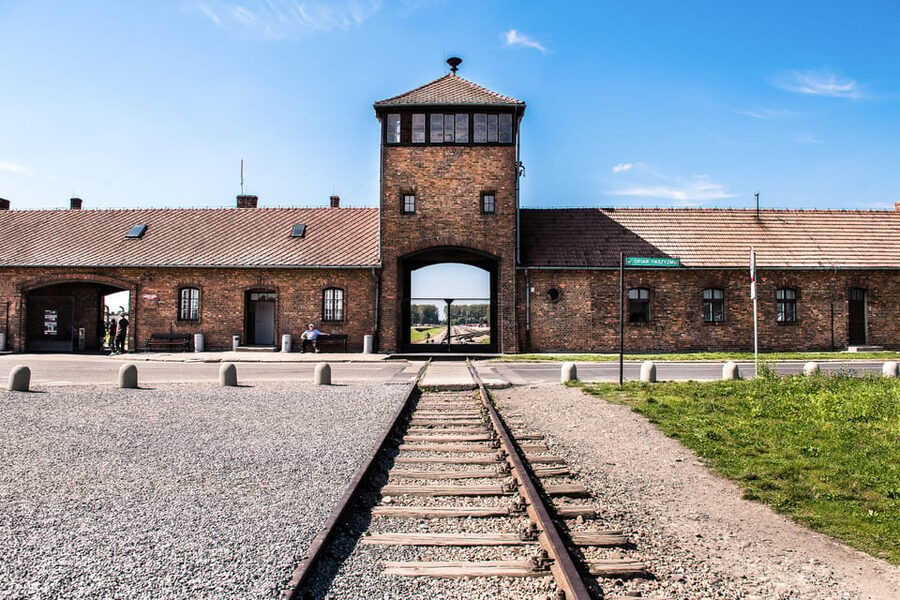
REVIEW · KRAKOW
Krakow: Auschwitz-Birkenau & Wieliczka Salt Mine Day Tour
Auschwitz-Birkenau and Wieliczka Salt Mine make an unusual pair: one is a place of mass murder and remembrance, the other an underground world of salt-carved chapels and statues. This 11-hour day tour lets you visit both without arranging separate buses, tickets, and guides.
I like the door-to-door transport and the fact that admission is handled in advance, especially at Auschwitz, where tickets carry each visitor’s full name. I also like the contrast between the two sites. Auschwitz calls for quiet attention; Wieliczka offers art, engineering, and a change of mood. The drawback is simple: this is a long, physical day, with early pickup, several hours on the road, rough ground, and hundreds of stairs.
Key points to know before booking
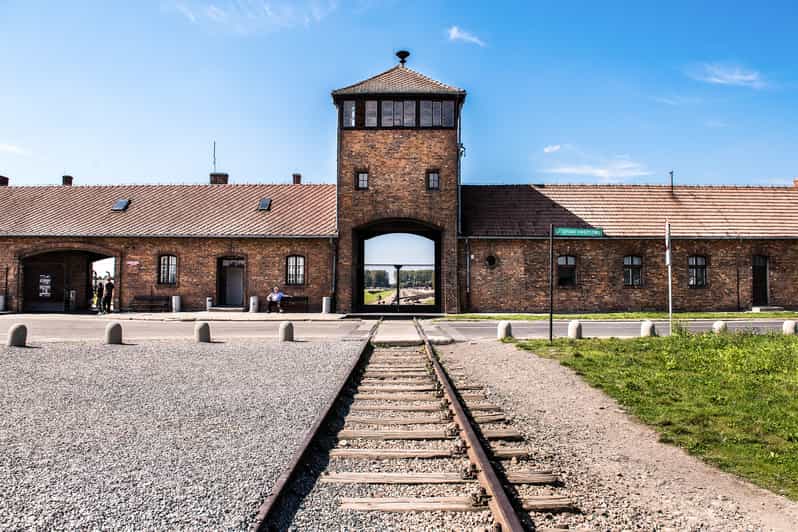
- Two major sites in one day: Visit Auschwitz I, Auschwitz II-Birkenau, and the Wieliczka Salt Mine without planning separate trips.
- Auschwitz entry is personalized: Your booking name must match your passport or ID exactly.
- Wieliczka means stairs: There are 378 steps to the first level and about 800 steps on the full route.
- Lunch depends on your booking: A packed lunch is included only with selected options.
- Early pickup is normal: Pickup usually falls between 5:30 and 7:30 AM, with the exact time sent by SMS.
- Good organization is the main value: Mr. Shuttle takes care of transfers, tickets, and coordination across a very full day.
Why combine Auschwitz and Wieliczka?
You get two of Lesser Poland’s most important sights in one outing, but they ask different things of you. Auschwitz-Birkenau is a memorial and museum. You go to listen, look carefully, and reckon with what happened there. Wieliczka is a working salt mine with an established tourist route, underground chambers, carvings, and statues.
That contrast can make the day feel more varied, but it can also feel emotionally and physically heavy. After Auschwitz, you may not be in the mood for a lively underground attraction. Still, if you have only a short stay in Krakow, the combination is efficient. You avoid spending one full day on each site and let the operator manage the long transfers.
At $142 per person, the price is not cheap. It includes transportation, both guided visits, entrance tickets, insurance, and hotel pickup in central areas. If you were to arrange everything separately, you would still need to solve the transport between Krakow, Oświęcim, and Wieliczka, as well as secure timed admissions. For many people, that convenience makes the price reasonable, especially on a first visit.
More Salt Mine Tours in Krakow:
- Krakow: Wieliczka Salt Mine Tour with Entry Ticket
★ 4.6 · 10,927 reviews - From Krakow: Wieliczka Salt Mine Tour
★ 4.6 · 9,393 reviews - Krakow: Wieliczka Salt Mine Fast-Track Ticket & Guided Tour
★ 4.5 · 5,872 reviews
The early pickup from Krakow
The day begins early. Pickup is generally between 5:30 and 7:30 AM, although the exact time can be earlier than 6:00 AM. You receive the final pickup time by SMS about 12 hours before departure, so keep your phone available and check local time.
If you stay in Krakow’s city center or the Jewish Quarter, pickup is normally outside your accommodation. After the tour, you may be dropped at a nearby central point rather than directly at your hotel. Other pickup locations include Wielopole 2 and Floriana Straszewskiego 17.
Be ready outside at the stated time. Allow up to 15 minutes for traffic or last-minute changes. If you fail to appear at the pickup point, the booking is treated as a no-show, with no refund. That is strict, but it matters on a route with several timed admissions.
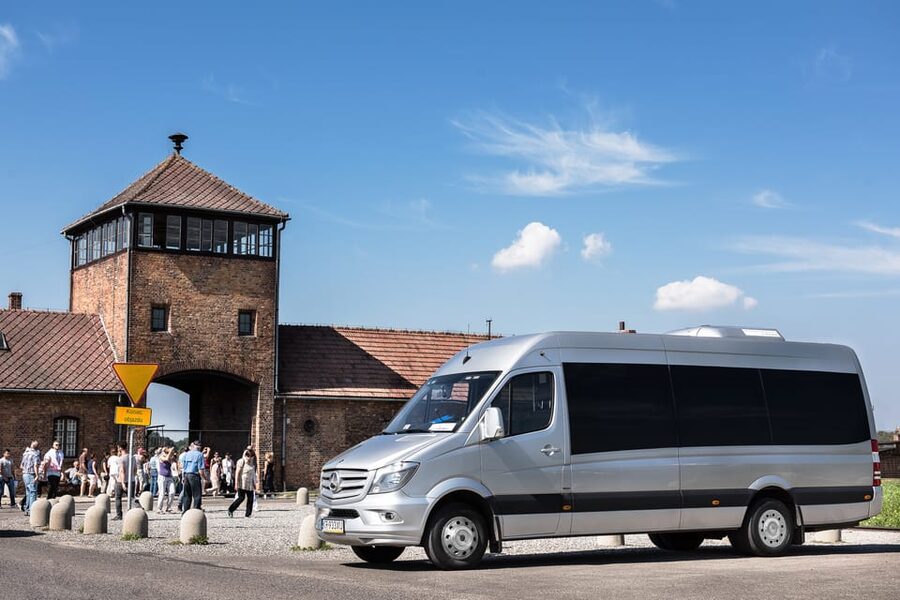
The vehicle is usually a minibus. It has been described as clean and comfortable, but comfort can depend on your seat and the size of the group. A full rear row may feel tight on the longer transfers. If you are prone to motion sickness or need extra legroom, keep that in mind.
Auschwitz I: a guided visit with little room to drift
The first section at Auschwitz I lasts about two to two and a half hours, depending on the memorial’s visitor service. You join an English-speaking museum guide, and the pace is set by the memorial rather than by Mr. Shuttle or the driver.
This is not a casual sightseeing stop. The route takes you through the former camp site and museum displays, where the scale of Nazi persecution becomes painfully clear through buildings, documents, and personal belongings. The guide’s role matters here. Several guides have been praised for clear, respectful delivery, including Michael and Alexandra, though your assigned guide will depend on the day.
You typically have a short toilet break before or between sections, but do not expect a relaxed pause. The Auschwitz visit is structured, and groups must stay together. A short ten-minute break is listed between major parts of the itinerary, so bring water and use facilities when they are available.
The setting can be crowded, and the schedule may feel tight. That is not unusual at a place with controlled entry and many scheduled groups. You are there to follow the museum route, not to wander at your own speed. Headsets are used on the guided visit, and they help you hear even when other groups are nearby.
Bring your passport or national ID. Auschwitz tickets are personalized, and the name you provide at booking must match your identification exactly. An error can lead to refused entry, and changing the details may cost extra. Provide the full name and contact information at least 24 hours before the tour.
Birkenau: wider, quieter, and more exposed
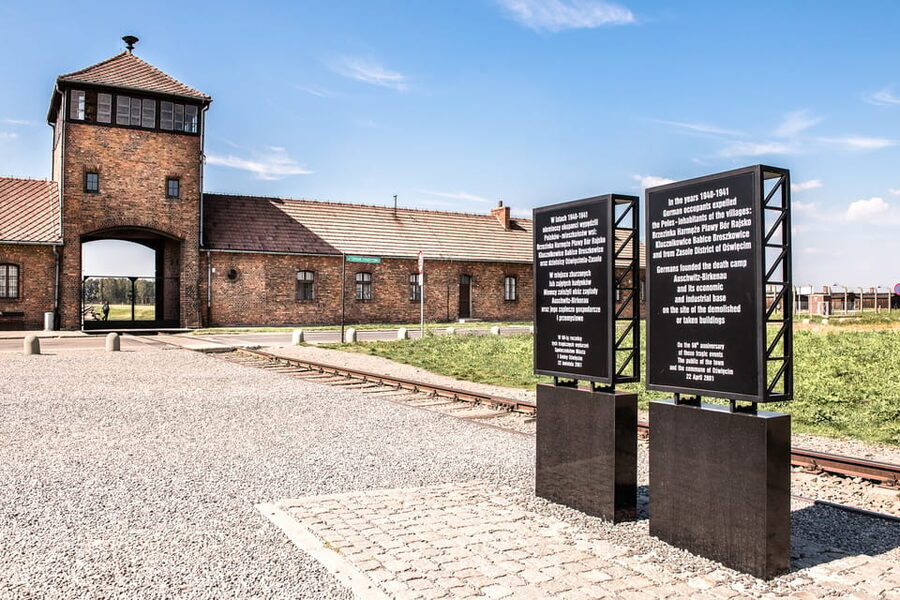
A short transfer of about two kilometers takes you from Auschwitz I to Auschwitz II-Birkenau. The Birkenau visit lasts about an hour with the same guide.
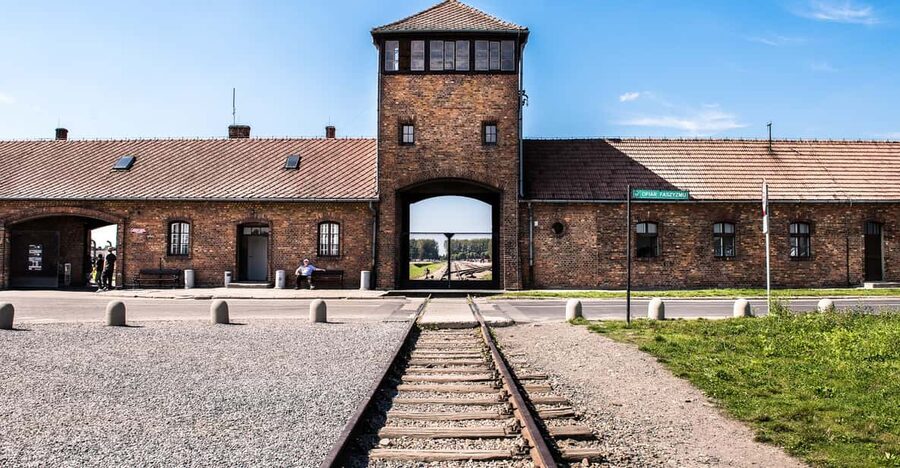
The scale changes sharply here. The site is more open, and the long lines of barracks, railway area, and perimeter structures create a different impression from the enclosed museum buildings at Auschwitz I. You spend more time outdoors, often walking across uneven ground. In hot weather, wear a hat and carry water. In cold or wet conditions, bring a proper layer and shoes with good grip.
The visit is solemn and not designed for quick photographs or independent wandering. You should expect the guide to set the pace, with the memorial service controlling the exact duration. Some people find this section even more affecting because of its size and open setting.
After Birkenau, the day usually includes a break and a transfer toward Wieliczka. The order can vary. The published program describes Auschwitz first, while some departures have visited Wieliczka before Auschwitz. Follow the final schedule given by the operator rather than assuming a fixed sequence.
A few more cave trips around Krakow worth a look
- Day Trip: Auschwitz-Birkenau and Wieliczka Salt Mine from Krakow
★ 4.5 · 4,282 reviews - From Krakow: Wieliczka Salt Mine Tour & Skip the Line Ticket
★ 4.4 · 3,925 reviews - Krakow to Wieliczka: Salt Mine Guided Tour with Ticket & Transfer
★ 4.5 · 3,193 reviews - Kraków: Auschwitz-Birkenau & Salt Mine Full-Day Guided Tour
★ 4.7 · 2,887 reviews
The lunch break: useful, but check your option
A lunch box is not included with every booking. Choose the option carefully if you want food arranged in advance.
The packed lunch described by several customers included a fresh pasta dish, a ham and cheese roll, a chocolate wafer, water, and chewing gum. That is practical on a day with limited free time, and it removes the worry of finding a meal between timed visits. Still, you may have a better choice at a nearby café if the schedule gives you enough time. One reported stop allowed roughly 30 minutes, which is not a long restaurant meal.
I would bring a small snack and a drink even if lunch is included. Large bags are not allowed, so keep it simple: a small permitted day bag, water, ID, and anything you need for the weather. Do not arrive with luggage or a large suitcase.
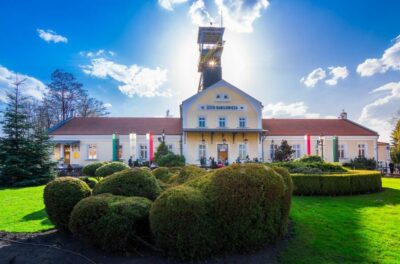
Wieliczka Salt Mine: 140 meters below ground
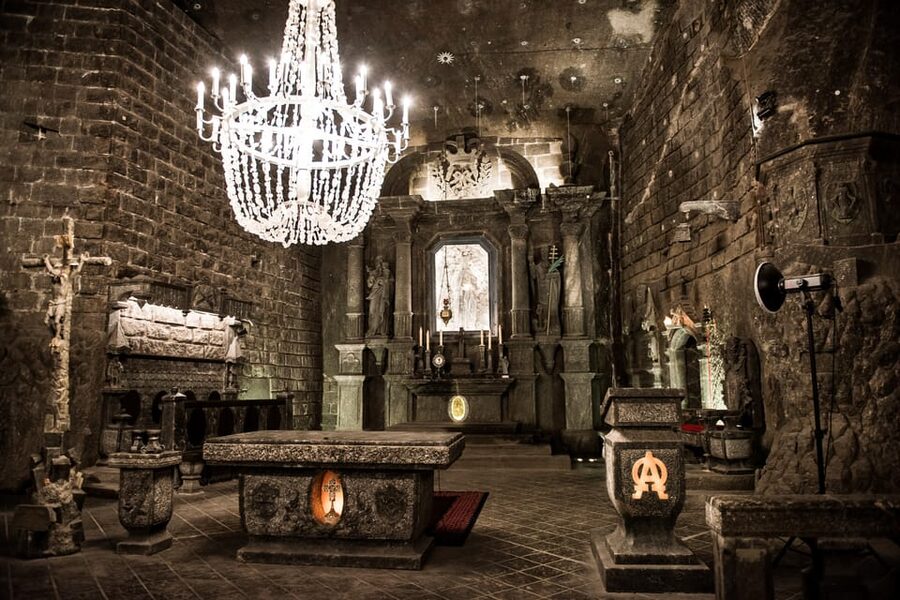
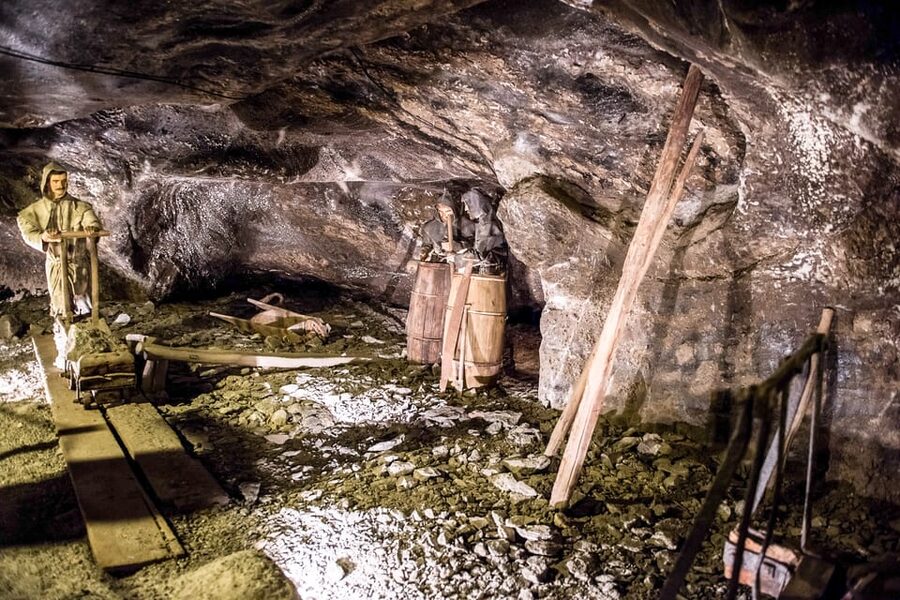
Wieliczka is one of the oldest working salt mines in the world and has produced table salt for more than 700 years. The English-language guided route usually begins around 1:00 or 2:00 PM, although the exact time depends on the day’s running order.
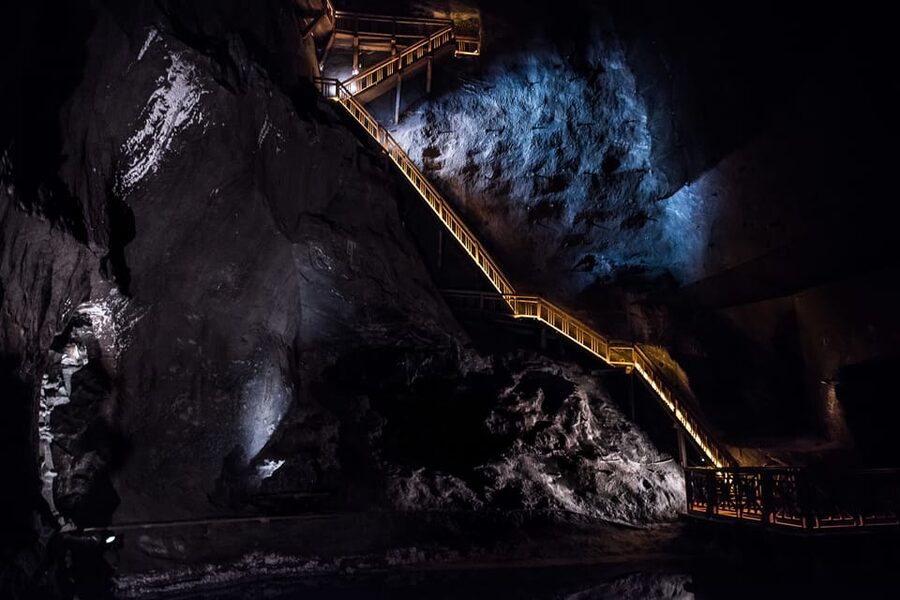
The tourist route takes about two and a half hours and covers more than 2.5 kilometers underground. You descend to about 140 meters, passing chambers, carvings, and statues made from salt. The workmanship is the main draw. This is not simply a dark tunnel tour. The route shows how miners and artists used the material beneath their feet to create detailed religious and decorative works.
The first level requires 378 stairs. Across the full route, there are around 800 steps, with inclines and long stretches of walking. The mine is unsuitable for wheelchair users and people with serious mobility limits, heart problems, claustrophobia, or low fitness. Even fit visitors should wear comfortable shoes.
The underground temperature is cooler than outside, so a lightweight jumper is a smart addition in summer. The route is not necessarily frightening for people who dislike enclosed spaces, but you should know that you will spend several hours underground and follow a set path with a group.
At the end, you return to the surface by lift. The mine has more than one lift arrangement, and the exit point may not be right beside the vehicle. Follow staff directions and allow time to walk back to the pickup area. You can pay 10 zł on the spot for permission to take photographs inside the mine.
Guides and transport: what makes the day work
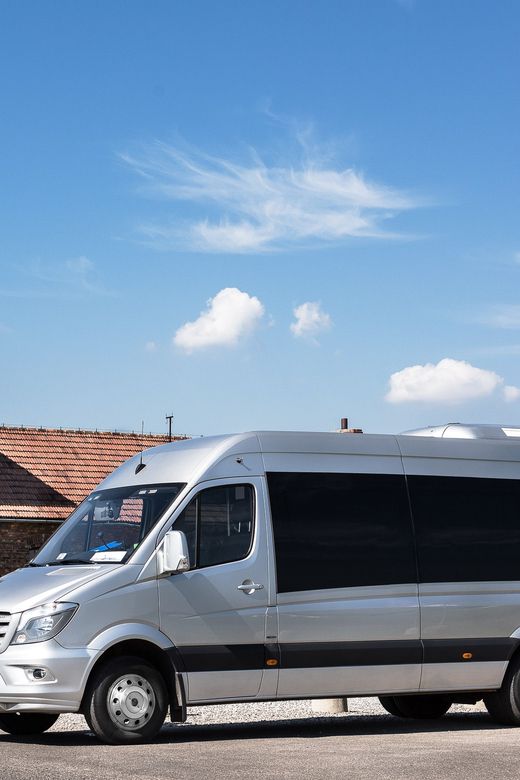
The operator supplies English-speaking guides for Auschwitz and Wieliczka, while the driver coordinates the road transfers and meeting times. That division is important. The driver is not necessarily your specialist guide at each attraction, but a good driver keeps the day moving and explains what happens next.
Specific drivers and guides have earned praise for punctuality, friendliness, and clear communication. Michael and Lukasz are among the drivers singled out for professional service, while Michael, Alexandra, and Anna are examples of guides who have been described as engaging and respectful. Names are not guaranteed, but they give you an idea of the human side of the operation.
Communication can vary. Some departures have had excellent updates and clear instructions, while others have involved a quiet driver or less clear explanations during transfers. The main practical point is to listen carefully at every stop. Note the vehicle, remember where you are told to meet, and do not wander away during free time.
The trip includes about three major road legs, with transfers listed at roughly 1.5 hours, 1.5 hours, and 45 minutes. Traffic can stretch those times. You will spend a fair part of the day seated, but the walking at both attractions is the bigger issue.
The physical demands are real
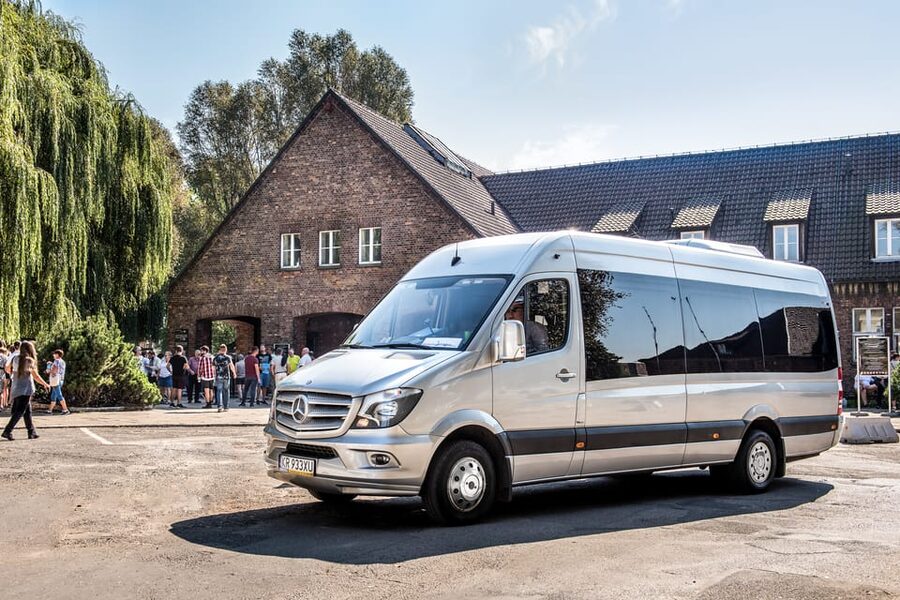
This is not a gentle coach excursion. At Auschwitz and Birkenau, you walk outdoors and across uneven surfaces. At Wieliczka, you climb stairs, walk through underground corridors, and remain with the group for a long guided route.
You should be comfortable walking for several hours and handling stairs without help. Wear supportive shoes, dress in layers, and bring weather protection. The most common mistake is dressing only for Krakow’s morning weather and forgetting that the mine is cooler.
Mobility information should be taken seriously. The tour is not suitable for wheelchair users, people with significant mobility impairments, people with heart problems, or people with claustrophobia. If you simply walk slowly, contact the supplier before booking and ask about your situation. The memorial controls the pace, so the group cannot always wait for a long delay.
Is $142 good value?
The price buys more than a seat in a minibus. You receive hotel pickup in eligible areas, transport between three locations, admission to both attractions, guided tours in English, insurance, and the work of coordinating personalized Auschwitz tickets.
That is useful because these visits are time-sensitive. A missed entry slot can ruin a self-planned day, and public transport would add more connections and uncertainty. You also avoid spending your limited Krakow time comparing separate operators.
The value is weaker if you dislike group schedules, want long meals, or prefer to study each site alone. You will not have much freedom to change the order, linger, or skip a section. The lunch box also costs attention at booking, since only selected options include it.
Free cancellation up to 24 hours before departure and reserve-now, pay-later booking make the purchase less rigid. However, Auschwitz admission tickets are non-refundable because they are issued with personal details. Check your name twice before paying.
Should you book this Krakow day tour?
Book it if you have one or two full days in Krakow and want both major sights handled in one organized outing. It suits you best if you value reliable transport, timed entry, English guides, and a simple plan more than free time or a small private group.
I would not book it for a relaxed day. The early start, emotional weight of Auschwitz, long transfers, and mine stairs make this a demanding schedule. If you can spare two separate days, splitting the visits would give you more breathing room. If you cannot, this is a practical way to see both, and the strong organization, helpful drivers, and respectful guides make the $142 easier to justify.
FAQ
How long is the Auschwitz and Wieliczka Salt Mine tour?
The tour lasts about 11 hours. The day includes pickup, transfers, approximately three and a half hours at Auschwitz-Birkenau, about two and a half hours at Wieliczka Salt Mine, and breaks between activities.
What time is pickup from Krakow?
Pickup is generally between 5:30 and 7:30 AM, though it can sometimes be earlier than 6:00 AM. Your exact pickup time is sent by SMS about 12 hours before departure.
Is hotel pickup included?
Yes. Pickup is included outside hotels, Airbnb properties, and private lodgings in eligible areas. If you stay in central Krakow or the Jewish Quarter, pickup is normally near your accommodation, while the return may use a nearby central drop-off point.
Is lunch included?
Lunch is included only with selected booking options. Check the option details before booking. The packed lunch may include pasta, a ham and cheese roll, a sweet snack, and water.
What identification do I need for Auschwitz?
Bring your passport or ID card. The full name on your booking must exactly match the name on your identification. Incorrect or missing details can result in refused entry.
Can I take luggage or large bags?
No. Luggage and large bags are not allowed on this tour. Bring only the small personal items you need, such as identification, water, a light layer, and comfortable walking shoes.
Just added around Krakow
- Wieliczka Salt Mine Tour from Krakow: Private Transport + Ticket★ 5.0 · 114 reviews
- Auschwitz-Birkenau and Salt Mine Tour with private transport from Krakow★ 5.0 · 47 reviews
- Auschwitz-Birkenau and Wieliczka Salt Mine Day Tour from Krakow with private car★ 5.0 · 70 reviews
- From Krakow: Auschwitz-Birkenau and Salt Mine with Private Transfer★ 5.0 · 247 reviews
- Wieliczka Salt Mine Guided Tour + Ticket & Transfer from Krakow★ 4.5 · 690 reviews
- From Krakow: Wieliczka Salt Mine Half-Day Guided Tour★ 4.5 · 724 reviews
- From Krakow: Auschwitz and Wieliczka Salt Mine Full-Day Trip★ 4.6 · 731 reviews
- From Krakow: Wieliczka Salt Mine Guided Tour (Hotel Pick-up)★ 4.7 · 756 reviews
Krakow Cave Tours, compared.
Krakow: Wieliczka Salt Mine Tour with Entry Ticket
Read our review →
Krakow: Wieliczka Salt Mine Fast-Track Ticket & Guided Tour
Read our review →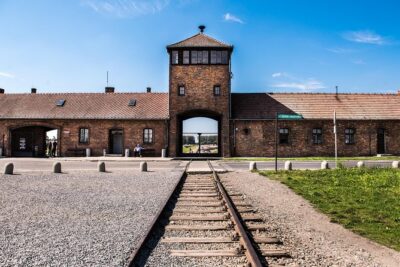
Day Trip: Auschwitz-Birkenau and Wieliczka Salt Mine from Krakow
Read our review →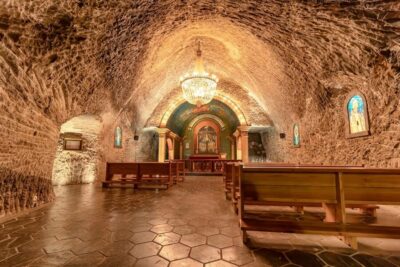
From Krakow: Wieliczka Salt Mine Tour & Skip the Line Ticket
Read our review →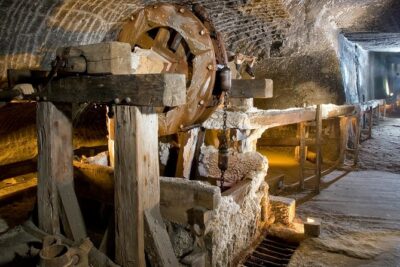
Krakow to Wieliczka: Salt Mine Guided Tour with Ticket & Transfer
Read our review →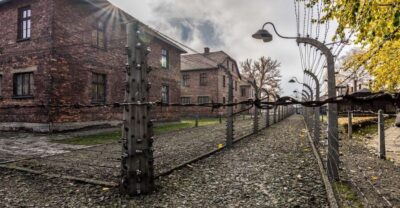
Kraków: Auschwitz-Birkenau & Salt Mine Full-Day Guided Tour
Read our review →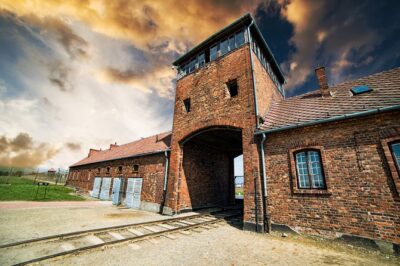
Auschwitz Birkenau and Wieliczka Salt Mine Guided Full Day Tour
Read our review →Browse the lists this tour appears in