
REVIEW · KRAKOW
Krakow: Auschwitz and Wieliczka Salt Mine Combo Tour
Auschwitz-Birkenau and Wieliczka Salt Mine make a striking pair: one confronts you with the crimes of Nazi Germany, while the other reveals a world carved underground by generations of miners. You can see both UNESCO-listed places in one carefully packed day from Krakow.
I like the small minivan format, which feels less cumbersome than a full coach and makes hotel pickup simple. I also like having professional English-speaking guides at both sites, since the scale and detail of each place are hard to grasp without context.
The tradeoff is time. This can be a 12-hour outing, and recent pickup times have shifted from 7:30 a.m. to 4 or 5 a.m. to secure an early place at Auschwitz. You may also wait between transport and timed entry, so bring patience, food money, and weatherproof clothing.
Key points to know before booking
- A 12-hour day is normal: The two major sites, driving, security, waiting, and transfers fill the day.
- Auschwitz includes both camps: You visit Auschwitz I and Auschwitz II Birkenau, not just the better-known first site.
- Birkenau is mostly outdoors: Up to 70 percent of the Auschwitz portion can be outside, especially at the second camp.
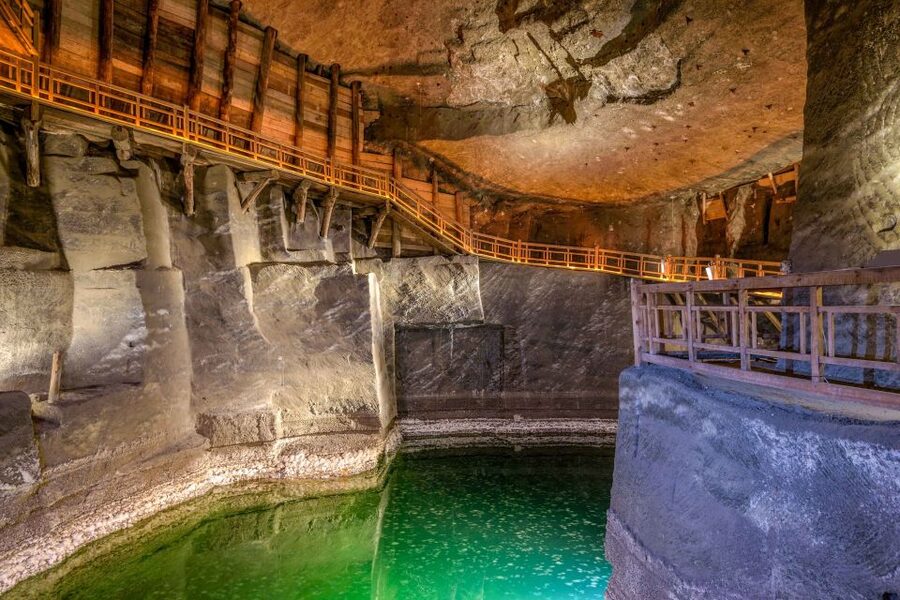
- Wieliczka starts with 378 stairs: The route reaches 64 meters below ground and continues for about 3 kilometers.
- A small minivan can make the day easier: Groups may be as small as eight people, with hotel pickup and drop-off.
- Your ID details matter: The name on your booking must match your passport or ID at Auschwitz entry.
Why combine Auschwitz and Wieliczka in one day
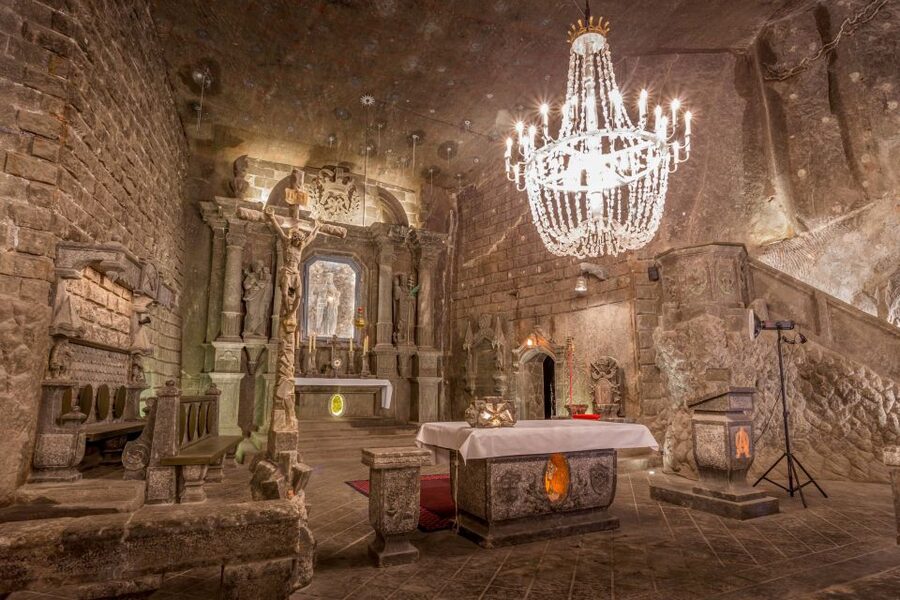
These sites offer very different experiences, which is exactly why the combination works. Auschwitz-Birkenau is a place of remembrance. Wieliczka is a historic working mine filled with salt sculptures, chambers, and underground routes.
The contrast can be useful. Auschwitz asks for quiet attention and emotional space. Wieliczka is still serious and fascinating, but its carved chapels, statues, and engineering details give the second half of the day a different rhythm.
The price is listed at $181 per person. That is not a cheap day trip, but it includes hotel pickup and return, transportation in an air-conditioned vehicle, entrance fees to both sites, and an English-speaking guide at each location. You are paying for convenience as much as admission.
If you tried to arrange both places independently, you would need to coordinate two admission systems, transport to separate destinations, and timing between them. This package removes much of that work. The value is strongest if you want both sites and prefer not to manage the connections yourself.
The price is less attractive if you only want a quick visit to one location, or if you dislike long organized days. Auschwitz deserves time and thought, while Wieliczka involves a lengthy underground walking route. You should not choose this combination simply because it fits two famous names into one itinerary.
More Salt Mine Tours in Krakow:
- Krakow: Wieliczka Salt Mine Tour with Entry Ticket
★ 4.6 · 10,927 reviews - From Krakow: Wieliczka Salt Mine Tour
★ 4.6 · 9,393 reviews - Krakow: Wieliczka Salt Mine Fast-Track Ticket & Guided Tour
★ 4.5 · 5,872 reviews
The early ride to Auschwitz-Birkenau
Auschwitz is about 65 kilometers from Krakow, and the drive takes roughly an hour or more depending on traffic and the day’s schedule. Pickup is from your central Krakow hotel or accommodation, but the exact time can change.
The biggest practical surprise is how early the morning may begin. Pickup times have moved from around 7:00 or 7:30 a.m. to 4:00 or 5:00 a.m. in order to reach Auschwitz early and improve the chances of getting through the entry process smoothly.
That can mean waiting before the museum visit begins. On one especially early schedule, the group reached the area well before an English-language tour at 8:30 a.m. This is not wasted time if you use it for coffee, breakfast, or the toilet, but it does make the day feel longer.
The driver may handle the queue while you take a short break. That small service matters. Instead of standing in line with all your bags, you may be able to wait at a nearby restaurant or café and return when the group is called.
The transport is by air-conditioned car or minivan. One reported group had eight passengers, a size that is easier to manage than a coach full of people. Driver Max received particular praise for explaining the process, checking that everyone was comfortable, and keeping the day organized.
Do not assume the order will always be Auschwitz first and Wieliczka second. You can choose the order when availability allows, and the operator may also adjust the sequence to fit entry times. On one difficult morning, the group visited Birkenau before Auschwitz I because an English-speaking guide was not available at the first camp until later.
What you see at Auschwitz I
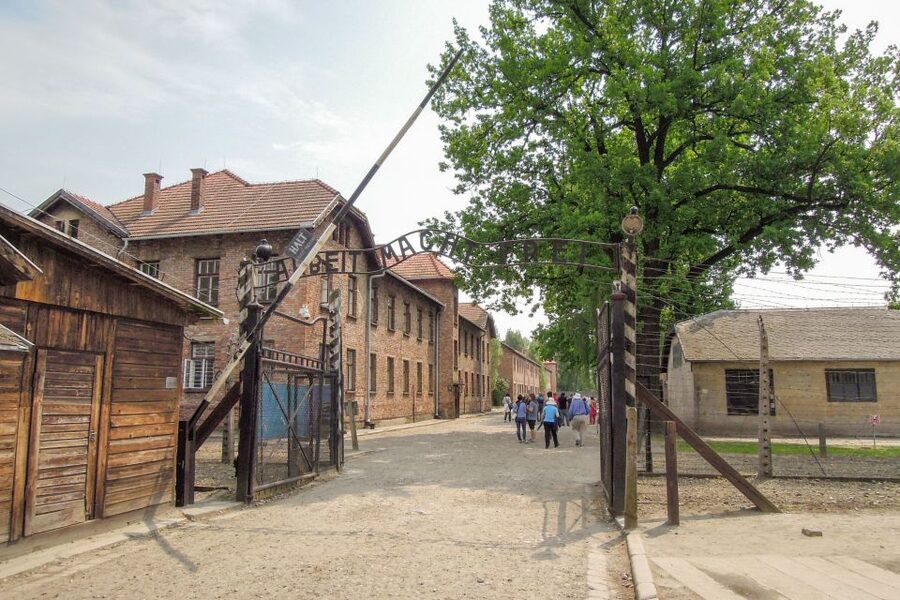
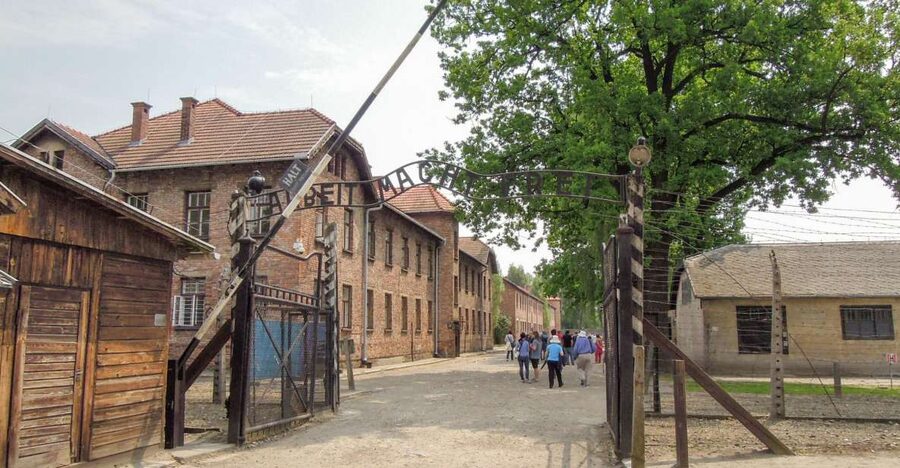
Auschwitz I is the original camp complex and the more enclosed part of the memorial. Your English-speaking guide leads you through the grounds and explains what happened there, helping you understand the buildings as part of a system rather than as isolated exhibits.
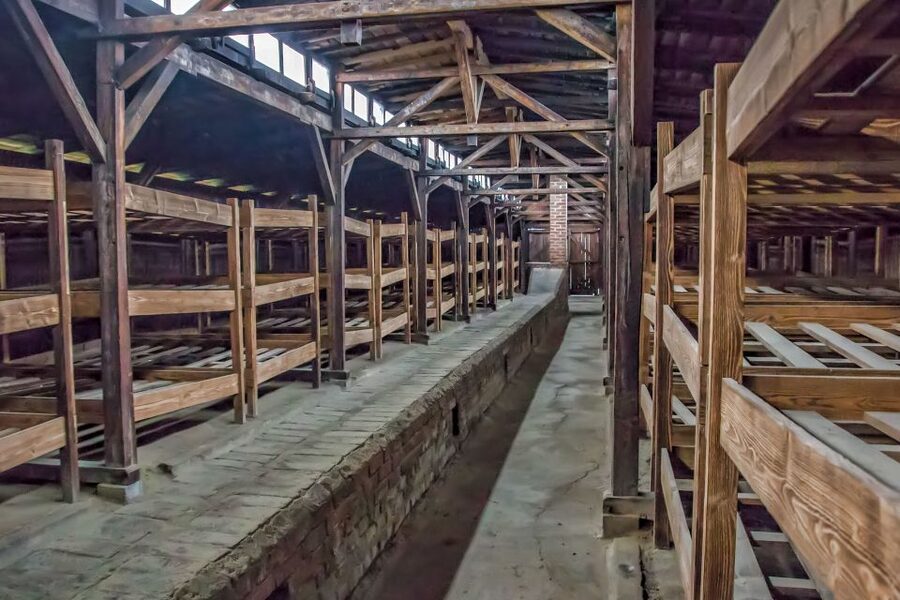
You will see surviving barracks and watchtowers, along with displays connected to the prisoners who were held and murdered there. The subject is painful, and the visit is not designed as light sightseeing. Plan to listen carefully and move at the pace of the guided group.
The guide’s role is important here. Without explanation, a building or railway-related object can seem simple. With context, the same place shows how deportation, imprisonment, forced labor, and mass murder were organized.
Keep your schedule flexible. Entry time can depend on the museum’s own arrangements, and the operator does not control every part of the admission process. The package gets you to the site and provides access to a guide, but the museum’s timing remains a major part of the day.
You must bring your passport or ID card. The full name and contact details supplied during booking are required by the Auschwitz-Birkenau Memorial and Museum, and the name on the booking must match the ID you show at entry. A mismatch can lead to refused admission.
The hand-luggage rule is strict. The maximum permitted size is 30 by 20 by 10 centimeters, roughly the size of an A4 sheet. Larger bags can be left in the locked bus parked beside the museum, but it is easier to pack lightly from the start.
Birkenau means more walking outdoors
Auschwitz II Birkenau is the larger second camp and often the more open, exposed part of the visit. The remains of barracks, watchtowers, railway ramps, gas chambers, and crematoriums help show the scale of the site.
The railway ramp is especially important to the story of Birkenau. It makes the arrival process visible in a way that a museum display cannot. The wide grounds also make clear how large the camp complex was and how far people were forced to walk once they arrived.
Up to 70 percent of the Auschwitz visit can be outdoors, especially at Birkenau. Wear shoes suitable for uneven walking and bring clothing for rain, cold, sun, or wind. The time of year matters, but you should prepare for changing conditions regardless of the forecast.
This portion may feel physically less demanding than Wieliczka because it is mostly ground-level walking, but it can be emotionally and physically tiring. There may be limited shade or shelter, so water and a small snack are sensible. Food and drink are not included in the tour.
The order of Auschwitz I and Birkenau can affect the mood and the crowds. An early visit to Birkenau may give you a quieter start, while later hours can become busier. You do not control every detail, but the driver and guides work around the museum’s available entry times.
A few more cave trips around Krakow worth a look
- Day Trip: Auschwitz-Birkenau and Wieliczka Salt Mine from Krakow
★ 4.5 · 4,282 reviews - From Krakow: Wieliczka Salt Mine Tour & Skip the Line Ticket
★ 4.4 · 3,925 reviews - Krakow to Wieliczka: Salt Mine Guided Tour with Ticket & Transfer
★ 4.5 · 3,193 reviews - Kraków: Auschwitz-Birkenau & Salt Mine Full-Day Guided Tour
★ 4.7 · 2,887 reviews
The road to Wieliczka Salt Mine
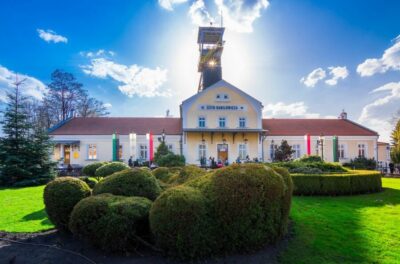
Wieliczka is about a 40-minute drive from Krakow, though the exact transfer time depends on traffic and how the Auschwitz schedule unfolds. This transfer gives you a needed change of pace after the memorial visit.
The mine has its own entrance process and safety briefing. Your English-speaking guide explains the rules before you begin the route, which is helpful because the underground visit is structured and involves stairs, corridors, and long stretches of walking.
At the start, you descend 378 stairs to the first level, 64 meters below ground. That detail deserves attention. You are not stepping into a small underground room for a quick look. The tour begins with a real descent, and your knees will know about it.
The route continues for about 3 kilometers through the mine. Along the way, you see chambers decorated with carvings and salt statues. The material is the star here: miners shaped the salt into religious and decorative forms, turning working spaces into remarkable underground rooms.
The mine is a good second stop because it offers a more visual and hands-on experience after the difficult seriousness of Auschwitz. You still need concentration and stamina, but the subject changes to mining, craft, engineering, and underground life.
At the end, there is time for the souvenir shop and snack bar. Since food and drink are not part of the package, this is a useful chance to buy something if you need it. You then return to the surface in a high-speed lift.
How hard is the physical side?
You should be comfortable with a full day of walking before booking. Auschwitz includes extensive outdoor movement, and Wieliczka adds 378 stairs at the start, a 3-kilometer underground route, and further walking through the chambers.
The mine is not a good fit for someone who has serious mobility limits. The tour information specifically recommends it for people without mobility issues, and that is sensible advice. The combination of stairs, underground corridors, and a long day can be demanding.
Bring a small bag only. The Auschwitz luggage limit is especially important, and a compact day bag also makes the mine easier. Wear supportive shoes and bring layers, since you will move between outdoor memorial grounds, transport, and underground rooms.
There is no promise of a leisurely lunch break. You may have opportunities to stop for coffee, food, or the toilet while waiting at the sites, but you should eat breakfast before pickup and carry money for snacks.
Is $181 good value?
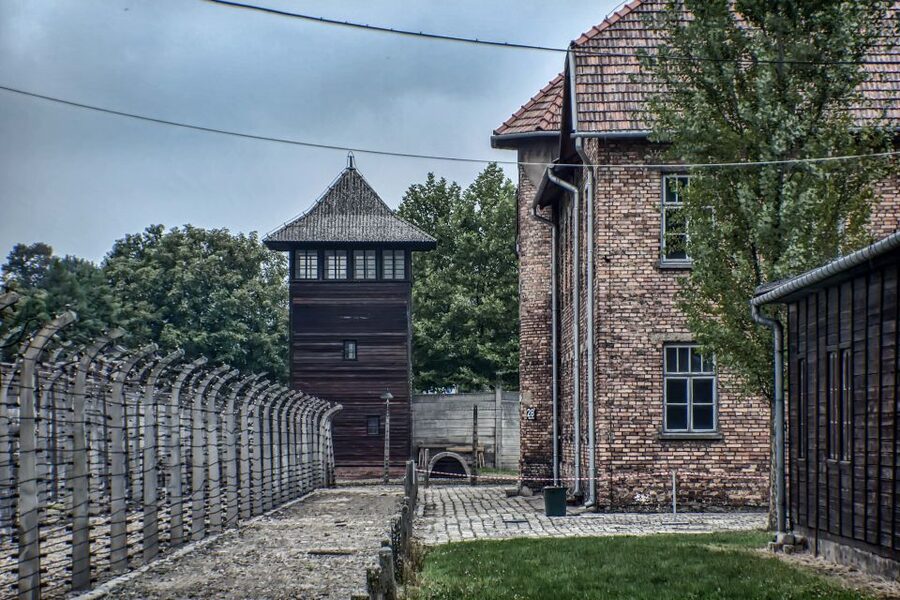
The price makes the most sense when you value simplicity. You receive hotel pickup and drop-off for both tours, an air-conditioned vehicle, admission to Auschwitz-Birkenau, admission to Wieliczka Salt Mine, and English-speaking guides at both destinations.
The small vehicle is another part of the value. A minivan with around eight passengers can make communication and loading easier, and the driver can give direct instructions instead of addressing a large crowd.
The weak point is that the schedule can be hard to predict. One day may start at 4:00 a.m., include waiting for a museum time, and end roughly 12 hours later. The tour is efficient, but it is not relaxed.
The included guides are also important to the calculation. At Auschwitz, context is essential. At Wieliczka, the carvings and chambers have more meaning when someone explains how the mine developed and what you are looking at. You are not just buying a ride to two entrances.
Students should bring a valid student ID. A student discount is available at both Auschwitz-Birkenau and Wieliczka, but you need to show the ID. Check the final booking price carefully before paying, since the activity is non-refundable.
Who should book this day trip?
I would choose this tour if you have one open day in Krakow and want both major sights without working out separate transport. It suits first-time visitors, people staying in central accommodation, and anyone who prefers a guide and a fixed plan.
It also works well if you need someone to manage the practical details. The driver can explain where to go, handle the vehicle, and help you move between the waiting areas and entrances. The pickup and drop-off are especially useful if you do not want to find bus or train connections after an emotional and tiring day.
I would not choose it if you want to linger at Auschwitz, take long breaks, or explore Wieliczka at a slow pace. The two sites deserve attention, but fitting them into one day means accepting a tight timetable.
I would also think twice if your Krakow schedule is already crowded. An early start followed by a late return can take up nearly the whole day, and the emotional weight of Auschwitz may leave you wanting a quiet evening afterward.
FAQ
How long does the Auschwitz and Wieliczka tour last?
The activity lasts one day. In practice, the full outing can take about 12 hours, including pickup, driving, waiting, both guided visits, and drop-off.
What time does hotel pickup take place?
Starting times vary, and the exact time depends on availability and the order of the visits. Pickup has been scheduled as early as 4:00 or 5:00 a.m., so check the confirmed time carefully.
Is hotel pickup included?
Yes. Pickup and drop-off are included for both tours from your central Krakow hotel or accommodation. You need to provide your pickup information when booking.
Do I need a passport or ID card?
Yes. Bring your passport or ID card. The name on your document must match the full name entered during booking for Auschwitz admission.
How much luggage can I take into Auschwitz?
Hand luggage must be no larger than 30 by 20 by 10 centimeters, roughly the size of an A4 sheet. Larger luggage can be left in the locked bus beside the museum.
Is food included?
No. Food and drink are not included, but there may be opportunities to buy coffee, snacks, or a meal during waiting periods. Wieliczka has a snack bar and souvenir shop at the end of the route.
Is this tour suitable for people with mobility issues?
The tour involves outdoor walking at Auschwitz, 378 stairs at Wieliczka, and a 3-kilometer underground route. It is best suited to people who can manage substantial walking and stairs.
Should you book it?
Book this tour if you want to see Auschwitz-Birkenau and Wieliczka Salt Mine in one day, value hotel pickup, and prefer a guide to handle the route. The combination saves planning time, and the minivan format can feel personal and practical.
Skip it if you need a slow pace or cannot manage stairs and long walks. The key question is not simply the $181 price. It is whether the convenience of transport, admission, guides, and one organized day is worth giving up flexibility. For many people with limited time in Krakow, it is, provided you are ready for an early start and a demanding day.
Just added around Krakow
- Krakow: Auschwitz-Birkenau and Wieliczka Salt Mine Day Trip★ 4.7 · 84 reviews
- Krakow: Wieliczka Salt Mine Guided Tour & Tickets★ 4.5 · 402 reviews
- Krakow: Wieliczka Salt Mine Tour with Hotel Pickup & Guide★ 4.8 · 90 reviews
- Krakow: Rynek Underground Museum Skip-the-line Guided Tour★ 4.7 · 138 reviews
- Krakow: UNESCO Bochnia Salt Mine Tour & Boat Expedition★ 4.7 · 455 reviews
- Krakow: Rynek Underground Museum Guided Tour & Stories★ 4.8 · 26 reviews
- Krakow: Skip-the-Line Rynek Underground Museum Guided Tour★ 4.7 · 26 reviews
- Krakow: Old Town Rynek Underground Entry and Guided Tour★ 4.8 · 41 reviews
Krakow Cave Tours, compared.
Krakow: Wieliczka Salt Mine Tour with Entry Ticket
Read our review →
Krakow: Wieliczka Salt Mine Fast-Track Ticket & Guided Tour
Read our review →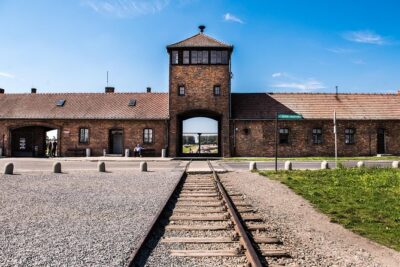
Day Trip: Auschwitz-Birkenau and Wieliczka Salt Mine from Krakow
Read our review →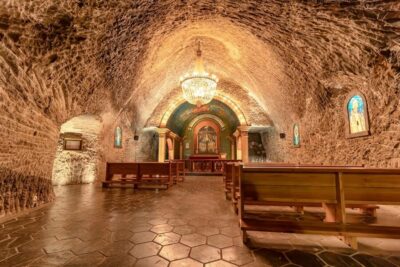
From Krakow: Wieliczka Salt Mine Tour & Skip the Line Ticket
Read our review →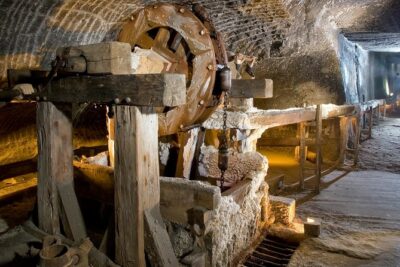
Krakow to Wieliczka: Salt Mine Guided Tour with Ticket & Transfer
Read our review →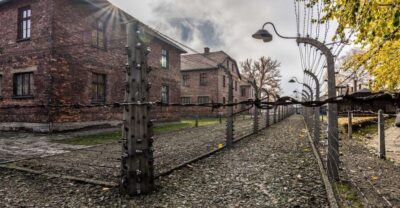
Kraków: Auschwitz-Birkenau & Salt Mine Full-Day Guided Tour
Read our review →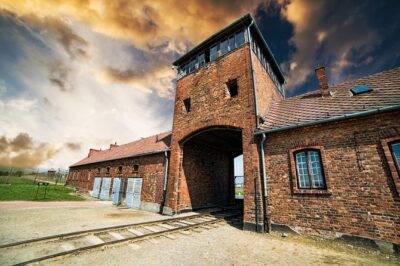
Auschwitz Birkenau and Wieliczka Salt Mine Guided Full Day Tour
Read our review →Browse the lists this tour appears in