
REVIEW · REYKJAVIK
From Reykjavik: Raufarhólshellir Lava Tunnel by Bus
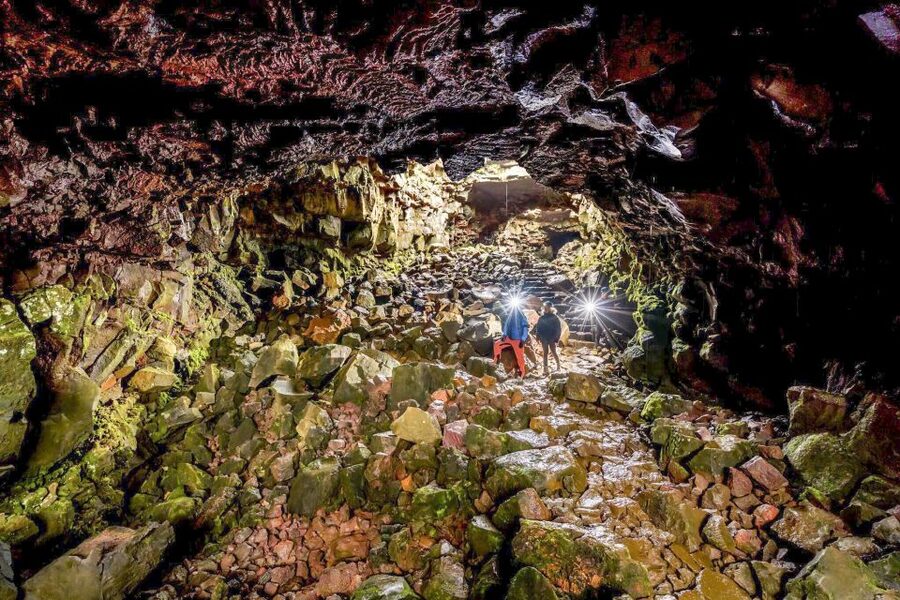
Raufarhólshellir is not a polished museum attraction. It is a real lava tube, formed when the outer crust of a lava flow cooled while molten rock continued beneath it. You walk through the path of a volcanic eruption from about 5,200 years ago, beneath a ceiling broken open in places by shafts of daylight. I like the changing colors in the rock and the way the guide uses darkness, silence, and sound to make the geology feel real.
I also like the short three-hour format. The bus ride takes about 30 minutes each way, leaving you time for other plans in Reykjavik. Guides such as Alex, Dimitri, Juan, and Rosi have been praised for mixing clear explanations with humor. The main caution is simple: the cave floor is uneven and can be slippery, and the deeper sections are very cold. This is not a stroll in ordinary shoes.
Key points at a glance
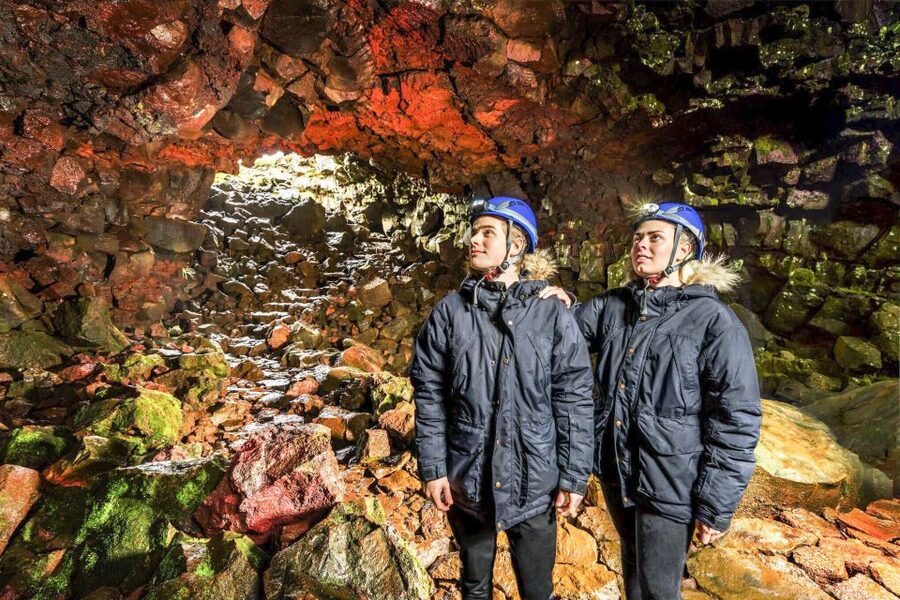
- A 5,200-year-old lava passage: Walk where molten lava once flowed during the Leitahraun eruption.
- Light from the collapsed ceiling: The entrance has openings that send narrow shafts of daylight into the tunnel.
- A sensory lesson in geology: You see mineral colors, hear the cave echo, and may experience complete darkness.
- About 500 meters on foot: Much of the route uses raised metal walkways and stairs, though rocky sections remain.
- Useful equipment supplied: You receive a helmet and flashlight, with crampons and walking poles available when needed.
- An easy half-day from Reykjavik: The bus departs from BSI Bus Terminal, and the full outing lasts about three hours.
From Reykjavik to a tunnel made by lava
The trip begins at BSI Bus Terminal, Reykjavik’s main coach station. Arrive at least 15 minutes before departure. The ride to Raufarhólshellir takes roughly 30 minutes, and the climate-controlled bus has complimentary Wi-Fi.
That short transfer is useful if you have only a few days in Iceland. You do not need to rent a car or spend a full day on the road. The tradeoff is that the tour begins and ends at the bus terminal, not at your hotel, so you need to allow time to reach BSI. Some drivers have also dropped people near their accommodation afterward, but you should not count on that as part of the published service.
The bus is more than a practical shuttle. It gives you a warm place to store yourself between the city and the cave, which matters in Iceland’s cold and changeable weather. The ride is short enough that the outing feels focused rather than tiring.
A few more cave trips around Iceland worth a look
- The Lava Tunnel Tour – Raufarhólshellir
★ 5.0 · 2,373 reviews - From Vik: Katla Ice Cave and Super Jeep Tour
★ 4.6 · 2,110 reviews - Jökulsárlón: Vatnajökull Ice Cave Guided Tour
★ 4.2 · 2,046 reviews
Why Raufarhólshellir is worth seeing
A lava tube forms when the outside of a lava flow cools into a hard shell while liquid lava keeps moving inside. When the eruption ends, the remaining lava drains away, leaving a hollow passage. Raufarhólshellir lets you see this process from the inside.
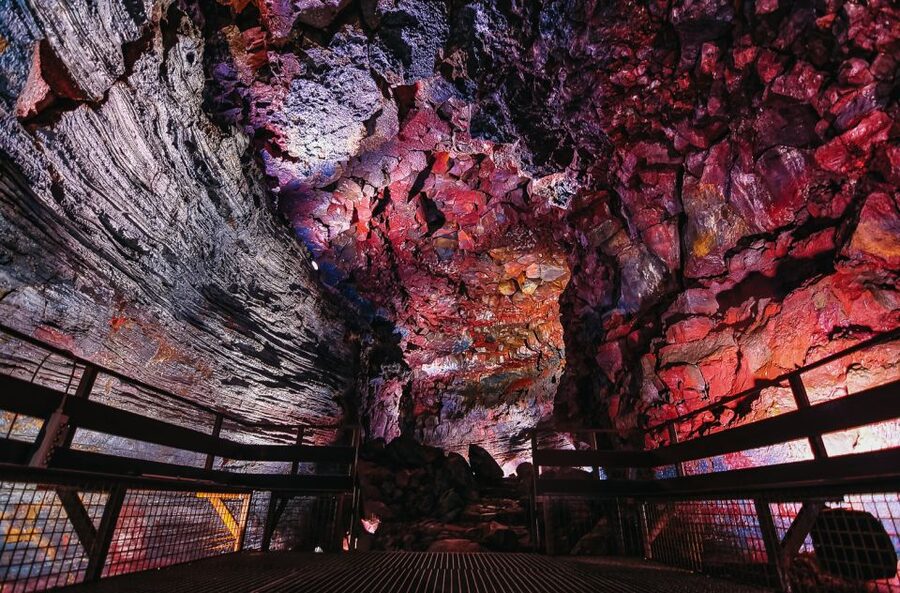
The tunnel was created by the Leitahraun eruption around 5,200 years ago. That age is hard to picture until you look closely at the walls. Different minerals in the rock produce bands and patches of color, while the old flow has left behind folds, ridges, and rough textures.
The cave was also used as a filming location for Noah, starring Anthony Hopkins. That detail may interest film fans, but the natural story is stronger. The tunnel is memorable because it shows a force that normally stays hidden beneath the ground.
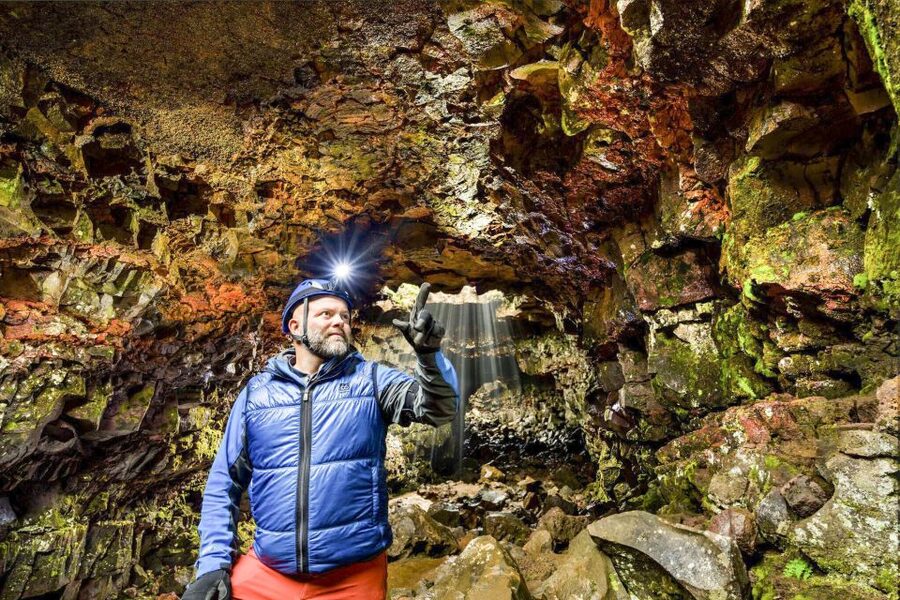
Near the entrance, parts of the ceiling have collapsed. These openings create columns of daylight that cut into the darker cave. The contrast changes with the weather and season. Snow can fall through the openings in winter, while rain may drip from above in warmer months.
The one-hour cave walk
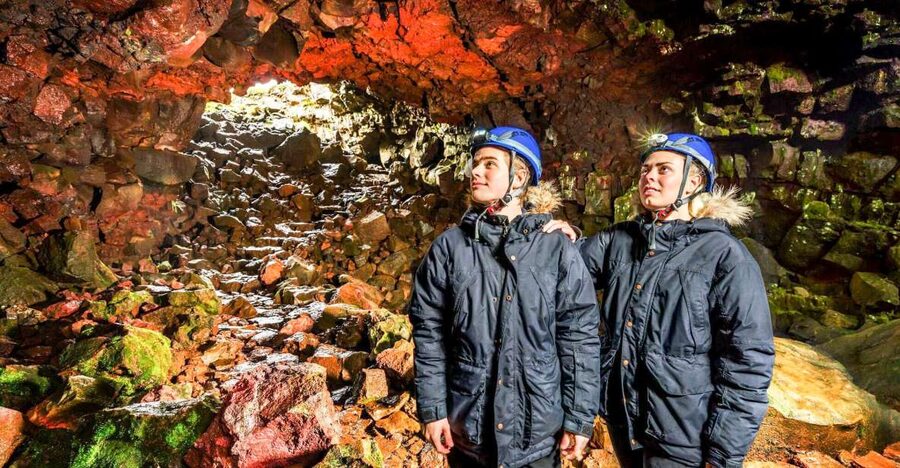
At the site, you receive a protective helmet and a flashlight. The helmet light is useful even though parts of the tunnel have electric lighting. It lets you look directly at the rock and keeps the group from relying on one central light source.
The guided walk lasts about one hour. You go roughly 500 meters into the tunnel, stopping as the guide explains how the tube formed and points out unusual shapes and colors. The route is not a long expedition, but it gives you enough time to understand the cave and take photographs.
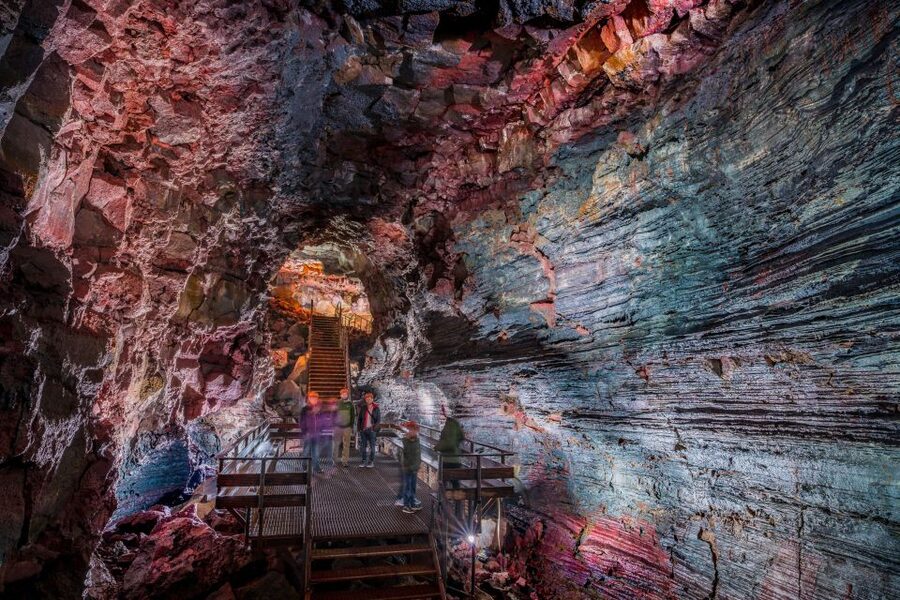
Much of the route has a raised metal walkway or stairs. That makes the main passage easier to follow, but it does not turn the cave into a fully smooth path. You still encounter rocky, uneven sections. In winter, icy stretches may require crampons. Walking poles may also be available if you need extra help with balance.
The guide sets the pace and keeps the group together. Alex has been especially praised for his humor and lively explanations, while Dimitri is known for making the geology easy to follow without losing the fun. Juan has also been singled out for answering questions and adding background about the tunnel.
Guide assignments can change, so do not book this trip solely for one particular person. What matters more is that the cave guides are based at the site and lead the walk itself, while your bus driver handles the transport from Reykjavik.
What you see inside the tunnel
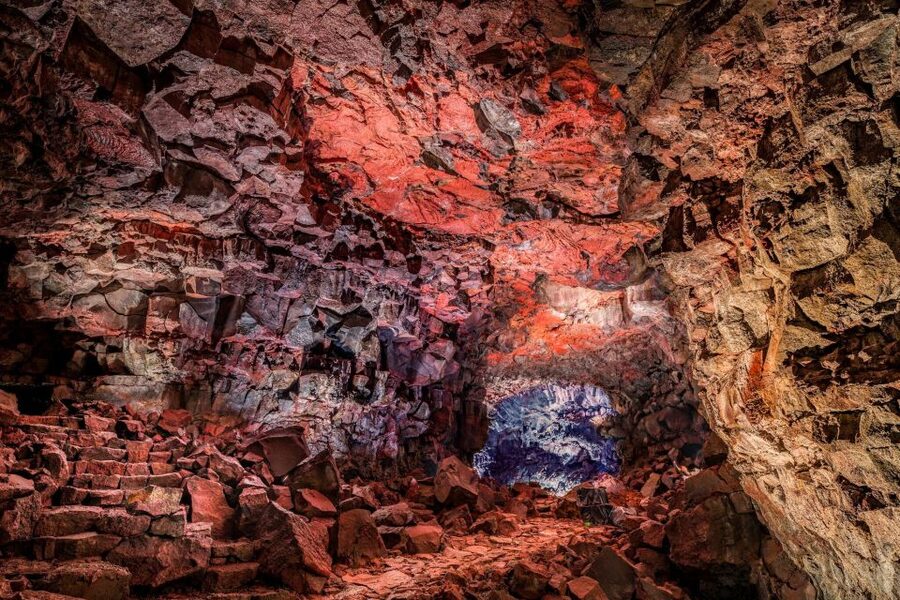
The first part of the cave feels more open because of the collapsed ceiling. Light enters through the openings above, revealing pillars and rough walls in a way an ordinary lamp cannot. This is the best section for seeing the relationship between the underground passage and the surface.
Farther in, the tunnel becomes darker and colder. Electric lights show sections of the walls, but the most effective moment may be when the guide switches off the lights for a short period. You are left with the cave’s natural darkness and the faint sound of the group around you.
That brief pause is not a stunt. It gives you a practical sense of how little light reaches an underground lava tube. You may hear echoes, footsteps, or the cave’s own small sounds more clearly. The experience is particularly effective because it follows the guide’s explanation of how the tunnel formed.
Look closely at the walls rather than expecting a single huge chamber. The appeal comes from detail: different mineral tones, frozen-looking lava textures, and sections where the rock seems folded or draped. A flashlight lets you inspect these surfaces at your own pace.
Water can drip from the ceiling, even in summer. A waterproof jacket is a smart choice, and gloves help when the air becomes colder deeper inside. Several people have reported seeing their breath in the cave during July, so do not assume warm weather in Reykjavik means warm conditions underground.
Same corner of the map, a different way in:
- Skaftafell: Ice Cave Tour and Glacier Hike
★ 4.5 · 1,746 reviews - Raufarhólshellir Lava Tunnel: Underground Expedition
★ 4.7 · 1,717 reviews - Jökulsárlón: Crystal Ice Cave Super Jeep Tour
★ 4.1 · 1,681 reviews - From Vik: Katla Ice Cave & Super Jeep Tour
★ 4.6 · 1,450 reviews
How difficult is the walk?
The tour requires reasonable balance and sure footing. You do not need technical climbing skills for the standard one-hour route, but you do need to manage uneven rock and occasional slippery areas.
Most of the route is supported by metal platforms or stairs, yet the rocky sections are important to the experience. They are also where the trip becomes less comfortable for anyone with limited mobility. Some older participants have turned back after finding the uneven ground difficult.
Wear ankle-high shoes with firm, gripping soles. Trainers with smooth soles are a poor choice, especially in winter or after wet weather. Crampons have been useful on icy patches, and the site may provide them when conditions require it.
Parents should check the current rules before bringing very young children. One family was given unclear information about taking a baby, then found at the site that small children could take part. That kind of uncertainty is best settled directly before booking.
The cave can work well for children who can walk carefully and follow instructions. An eight-year-old has enjoyed the hour-long visit, but the adult in charge still needs to judge the child’s balance and comfort around darkness and uneven ground.
Cold clothes matter more than city clothes
Dress for a cold, damp cave, not for the temperature in Reykjavik. Bring a warm jacket, waterproof outer layer, gloves, and sturdy footwear.
The tunnel’s temperature can feel surprisingly low, particularly farther from the entrance. Water drops may land on your shoulders, and the floor can be slick. Your helmet protects your head, but it does not keep you warm.
I would dress in layers so you can adjust during the bus ride and the walk. Avoid open shoes, light canvas footwear, and anything you would regret getting wet. If you already own trekking shoes with firm soles, this is the time to use them.
The supplied helmet and flashlight reduce the amount of equipment you need to bring. If you benefit from extra balance support, ask about a walking pole before the group enters the tunnel.
The guide makes the geology accessible
The cave is more rewarding when you understand what you are seeing. A good guide points out why the walls have different colors, how the lava tube formed, and where the ceiling collapsed. Without that context, the tunnel could become a series of attractive rock walls that blur together.
The strongest guiding style here combines science with humor. Alex has been praised for making the outing lively, while Dimitri has kept groups engaged and safe. Other guides have added information about Icelandic culture alongside the geology.
The explanations are not limited to experts. Guides adjust their language for families, first-time cave visitors, and people who arrive with many questions. You should have chances to stop for photographs and to look at the rock rather than being hurried from one point to the next.
The one-hour route also helps the guide maintain a manageable pace. You get a clear introduction to the cave without committing to a much longer underground walk. A longer full-tunnel option may be available separately, but the standard trip gives you a useful sense of the formation and its atmosphere.
Is $129 a fair price?
At $129 per person, this is not a cheap way to fill three hours. The cost includes the return bus from Reykjavik, the one-hour guided cave tour, helmet, flashlight, and Wi-Fi on the coach. Food and drinks are not included, and hotel pickup is not part of the standard arrangement.
The value depends on what you need. If you have no car, the transport saves you the trouble of arranging a separate trip to southern Iceland. You also get equipment and a guide who can explain features you would likely miss on your own.
If you already have a rental car and only want to see the tunnel, the price may feel high. You would still need to pay for entry and arrange the visit, but driving yourself could suit your schedule better. For a visitor based in Reykjavik who wants a compact activity with no long planning effort, the bus package is easier to justify.
The three-hour length is part of the value. You can fit the trip between other Reykjavik plans, and the ride is short enough that the day does not disappear into transport. I would choose it for a free morning or afternoon rather than treating it as a full-day excursion.
Who should book this experience?
You should consider this trip if you want to see Iceland’s volcanic past without committing to a long hike. It suits people who enjoy geology, unusual natural spaces, photography, and guided walks with a clear educational side.
It also works well for an arrival day or a day when weather has disrupted outdoor plans. The cave still offers color, texture, and atmosphere when the sky outside is grey. The bus keeps the journey simple, and the walk is short enough for many people who are comfortable on uneven ground.
You should think twice if you have serious balance or mobility limits. The metal walkway helps, but it does not remove every rocky section. You may also find the cold and darkness uncomfortable.
This is not the right pick if your ideal Iceland activity involves wide open scenery, waterfalls, or a long walk outdoors. The main reward is close-up contact with volcanic rock in a confined space. It is a focused geological visit, not a grand countryside tour.
Practical details before you go
The meeting point is BSI Bus Terminal in Reykjavik. Be there 15 minutes before departure, and allow extra time if you are using a local bus or walking from your accommodation.
The tour is conducted in English with a live guide. Bus fare, the guided cave visit, flashlight, helmet, and onboard Wi-Fi are included. Bring your own food and drink if needed, since refreshments are not supplied.
You can cancel up to 24 hours before departure for a full refund, and a reserve-now, pay-later option is available. Check the current departure time when booking because the three-hour duration can have different starting times.
FAQ
Where does the tour depart from?
The tour departs from BSI Bus Terminal in Reykjavik. You should arrive 15 minutes before the scheduled departure.
How long does the full activity last?
The complete experience lasts about three hours, including the bus ride between Reykjavik and Raufarhólshellir.
How long is the guided cave walk?
The standard guided cave tour lasts one hour. The walk covers about 500 meters into the lava tunnel.
What equipment is provided?
The tour includes a protective helmet and flashlight. Crampons and walking poles may also be available when conditions or balance needs call for them.
Is the tour conducted in English?
Yes. The activity has a live English-speaking guide.
What should I wear?
Wear warm clothing and sturdy footwear. A waterproof jacket, gloves, and shoes with firm trekking soles are useful because the cave can be cold, wet, uneven, and slippery.
Is hotel pickup included?
No. The meeting point is BSI Bus Terminal, and hotel pickup is not included in the standard tour. Food and drinks are also not included.
Should you book the lava tunnel?
I would book Raufarhólshellir if you want a distinctive half-day activity that explains Iceland’s volcanic past from inside the rock. The combination of daylight shafts, mineral colors, cold air, and a short period of total darkness gives the visit more force than a simple cave walk.
The best reason to go is the guided interpretation. Alex, Dimitri, Juan, Rosi, and other cave guides have shown how much a lively explanation can add to the shapes and textures around you. Just arrive dressed for cold, damp conditions and ready to walk carefully.
At $129, the trip makes the most sense for visitors without a car who value simple transport and a compact schedule. If you need smooth paths or dislike confined, dark places, choose another Iceland activity. For most people with steady footing and an interest in volcanoes, this is a memorable use of three hours.
Just added around Iceland
- From Geysir: Snowmobiling & Ice Cave on Langjökull Glacier★ 4.4 · 100 reviews
- From Reykjavík: Katla Ice Cave and South Coast Tour★ 4.6 · 205 reviews
- Silfra: Leidarendi Lava Caving & Snorkeling Tour with Photos★ 4.8 · 26 reviews
- From Vik: Myrdalsjokull glacier and Katla Ice Cave Tour★ 4.6 · 212 reviews
- From Reykjavik 2-Day South Coast Tour with Blue Ice Cave★ 4.7 · 239 reviews
- Reykjavik: South Coast and Katla Ice Cave Small Group Tour★ 4.7 · 625 reviews
- 3-Day Ice Cave, South Coast, Golden Circle and Northern Lights★ 5.0 · 634 reviews
- Blue Ice Cave Adventure★ 5.0 · 418 reviews
Reykjavik Cave Tours, compared.
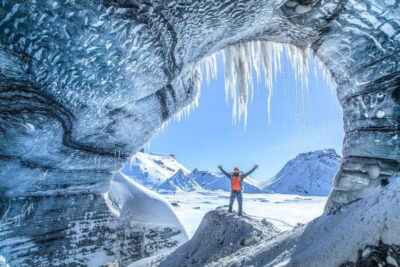
Reykjavik: Katla Ice Cave & South Coast Tour
Read our review →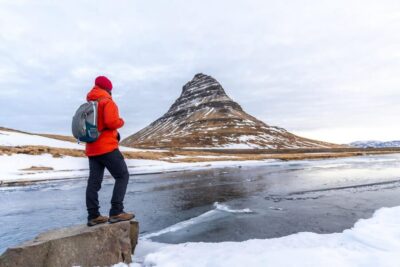
Reykjavik: Snæfellsnes Day Trip with Vatnshellir Lava Cave
Read our review →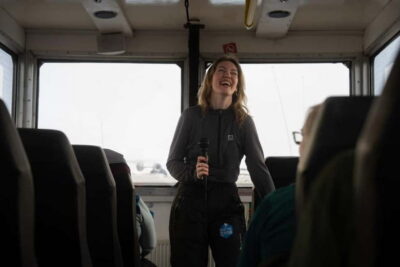
From Húsafell: Into the Glacier Ice Cave Adventure
Read our review →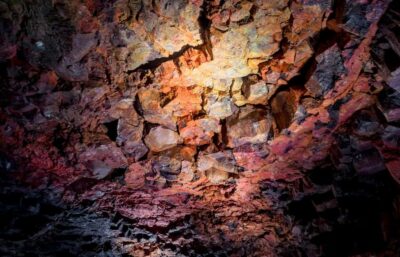
From Reykjavik: Raufarhólshellir Lava Tunnel Tour
Read our review →
3-Day Ice Cave, South Coast, Golden Circle and Northern Lights
Read our review →
Reykjavik: South Coast and Katla Ice Cave Small Group Tour
Read our review →
From Reykjavik 2-Day South Coast Tour with Blue Ice Cave
Read our review →Browse the lists this tour appears in